Best Downrigger Depth for Lake Trout in Summer
One of the biggest puzzles for Colorado anglers chasing lake trout in the warmer months is figuring out just how deep these elusive giants are hiding. As the summer sun beats down, these cold-water predators retreat to the cooler, oxygen-rich depths, making them a challenge to locate and entice. This guide will walk you through the nuances of using downriggers to target lake trout in Colorado's deep reservoirs, helping you unlock their summer hideouts and improve your chances of a successful catch.
Understanding Lake Trout Behavior in Colorado Summers
Lake trout, often affectionately called "lakers," are creatures of habit when it comes to temperature. Unlike rainbow trout or brown trout that can tolerate a wider range of water temperatures, lake trout thrive in cold, well-oxygenated water, ideally between 45 and 55 degrees Fahrenheit. As Colorado's high-altitude reservoirs warm up under the intense summer sun, the water column stratifies, creating distinct temperature layers. This stratification is the key to understanding where lakers will be holding.
The Crucial Role of the Thermocline
During summer, most large Colorado reservoirs develop a thermocline, which is a layer of water where the temperature changes rapidly with depth. Above the thermocline, the water is warmer and less dense. Below it, the water is much colder and denser. Lake trout will almost always be found at or just below this thermocline, as this zone offers their preferred temperature and usually has adequate oxygen levels. They might also venture slightly above it during low-light conditions or if a strong baitfish presence draws them up.
Think of it this way: if you're trying to find a comfortable spot on a hot day, you'd head for the shade or air conditioning. Lakers do the same, but their "air conditioning" is the thermocline. Using a quality fish finder is paramount here, as it will often display the thermocline as a distinct band on the screen, sometimes appearing as a hazy or diffused line. Identifying this thermal layer is your first and most critical step in determining the general depth range for your downriggers. Without this information, you're essentially fishing blind.
Following the Forage Fish
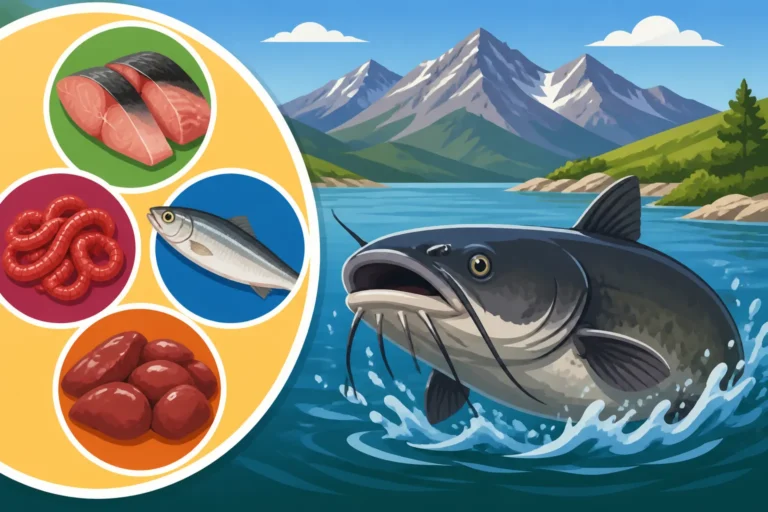
Lake trout are apex predators in many Colorado reservoirs, and their diet primarily consists of smaller fish. In places like Blue Mesa Reservoir, for example, kokanee salmon are a huge part of their diet. Kokanee, much like lake trout, are cold-water fish, and they too will seek out cooler depths during the summer. This means that if you can locate schools of kokanee, you're likely to find lake trout nearby, actively hunting or simply lurking in ambush.
Your fish finder becomes your best friend in this scenario. Look for dense bait balls or individual arches marking larger fish around these bait concentrations. Sometimes, lake trout won't be right in the bait ball but just beneath or to the sides, waiting for an opportune moment to strike. When you see these bait schools, pay close attention to the depth. If they're holding at 60 feet, that's a strong indication that your downrigger presentation should be at or very near that 60-foot mark. This relationship between predator and prey is fundamental to successful summer lake trout fishing.
Key Factors Influencing Downrigger Depth
While the thermocline and baitfish are primary indicators, several other factors can subtly or dramatically shift the optimal downrigger depth for lake trout in Colorado's summer waters. A keen angler pays attention to all these variables to make real-time adjustments.
Light Penetration and Overcast Conditions
Lake trout have excellent vision, but they generally prefer lower light conditions. This is why you'll often find them deeper during the brightest parts of the day. When the sun is high and piercing the water's surface, lake trout will move to greater depths to escape the intense illumination. This means on a bright, clear Colorado summer day, you might need to drop your downriggers to the lower end of the thermocline, or even slightly below it, to find willing biters.
Conversely, on overcast days, or during the early morning and late evening hours, the reduced light penetration allows lake trout to move slightly shallower. They might still be in the cold water of the thermocline, but they could be found closer to the upper edge of that layer. It's not uncommon to find them 10-20 feet shallower on a cloudy day compared to a sunny one. Always consider the sky conditions and adjust your initial downrigger deployments accordingly. This flexibility in depth adjustment is why downriggers are so effective for these deep-dwelling fish.
Specific Lake Characteristics and Structure
Every reservoir is a unique ecosystem, and what works in one lake might not be exactly right in another. The depth of the thermocline, the overall depth of the lake, the availability of deep-water structure, and even the type of forage fish can all influence where lake trout will hold. For instance, a lake like Lake Granby or Taylor Park Reservoir might have different thermocline depths or average baitfish depths compared to a larger, deeper impoundment like Blue Mesa Reservoir.
Deep structure, such as submerged humps, points, old creek channels, or even sheer rock walls, can act as magnets for lake trout. These features provide ambush points, shade, and often hold baitfish. When you're marking fish on your sonar near these structures, that's an ideal spot to deploy your downriggers. Don't just troll in open water; actively seek out and target these underwater features. A good bathymetric map of your chosen Colorado lake can be an invaluable tool for identifying these key structural elements before you even launch your boat. Understanding the unique characteristics of a body of water is a cornerstone of successful fishing.
| Factor | Typical Downrigger Depth Adjustment (Relative to Base Depth) | Notes |
|---|---|---|
| Bright Sunny Day | Deeper (10-20 ft) | Lake trout seek refuge from intense light. |
| Overcast Day | Shallower (5-15 ft) | Reduced light allows fish to roam higher in the water column. |
| Early Morning/Late Eve | Shallower (5-15 ft) | Low light levels encourage fish to feed higher. |
| Midday | Deeper (10-20 ft) | Sun is highest, fish go deeper to avoid light and find cooler water. |
| Active Baitfish Schools | Match Depth of Baitfish (±5 ft) | Lake trout will be directly with or just below their food source. |
| Strong Thermocline | At or just below thermocline (±5 ft) | Optimal temperature and oxygen zone for lakers. |
| Submerged Structure | Focus on structure depth (±10 ft) | Fish often hold near humps, points, or channels for ambush. |
Strategies for Dialing In Your Downrigger Depth
Finding the exact sweet spot for lake trout with a downrigger is rarely a "set it and forget it" affair. It requires a methodical approach, constant observation, and a willingness to adapt. This is where the art of downrigger fishing truly comes into play.
Using Your Sonar to Pinpoint Fish and Bait
Your fish finder is the single most important piece of equipment for downrigger fishing. It's not just for depth, it's for finding life. Before you even think about dropping a line, spend time idling or trolling slowly, watching your sonar screen. Look for those distinct arches that indicate individual fish, especially the larger, thicker arches that suggest a good-sized laker. More importantly, look for those dense clouds or columns of baitfish. When you locate these, note the depth. This immediate data gives you your starting point for your downrigger.
Modern fish finders, especially those from brands like Garmin, Humminbird, or Lowrance, offer incredibly detailed views, showing not just depth but also water temperature graphs that clearly delineate the thermocline. Many even have side-scanning or 3D mapping capabilities that allow you to see structure and fish off to the sides of your boat. Don't be afraid to experiment with different sonar settings – adjusting sensitivity, range, and frequency can help you better define what you're seeing. The more precisely you can identify fish and bait, the more accurate your initial downrigger depth will be, cutting down on wasted time.
The Art of Stacking and Staggering Depths
Once you have a general idea of the depth range (e.g., between 60 and 80 feet), it's time to test the waters. A common and effective strategy is to "stack" or "stagger" your downrigger depths if you're running multiple lines. For example, if you have two downriggers, you might set one at 60 feet and the other at 75 feet. If you have a third downrigger, perhaps you put it at 90 feet. The goal is to cover a wider range of the water column until you get a bite.
When you get a strike, that's your cue! Immediately note the depth of the successful downrigger. Then, adjust your other downriggers to that same depth, or within 5-10 feet of it. This tells you the fish are actively feeding at that specific depth. Don't be afraid to adjust throughout the day. If the bite slows down, shift your depths by 5-10 feet up or down. Sometimes, even a slight change can make all the difference, especially if the sun intensifies or clouds roll in. This systematic approach, coupled with careful observation, is what separates consistent downrigger anglers from those who simply drag lines.
Adapting to Changing Conditions
Colorado's mountain weather can be notoriously fickle, and so can the fish. What worked at 8 AM might not work at noon. If a storm rolls in, bringing dark clouds and rain, fish might move shallower as the light diminishes. Conversely, if a front passes and the skies clear, they might go deeper. Pay attention to more than just the fish finder; observe the wind, cloud cover, and even surface temperatures.
Also consider the time of day. While lake trout might be cruising shallower during low light in the mornings and evenings, they'll often retreat to the deepest, darkest parts of their preferred temperature zone during the harsh midday sun. This means your "best downrigger depth" isn't a static number but a dynamic range that changes with the conditions. Keep a log of your successful depths, times, and conditions. Over time, this data will help you develop a deeper understanding of the patterns on your favorite lakes, making you a more efficient and successful angler when you're Lake Trout Fishing in Colorado. Don't be afraid to try "Trolling Techniques for Colorado Reservoirs" and adapt them to your specific findings.
Essential Downrigger Gear and Techniques
Having the right gear and knowing how to use it is critical for effective downrigger fishing for lake trout. It’s more than just dropping a weight; it’s about precision and presentation.
Setting Up Your Downrigger System
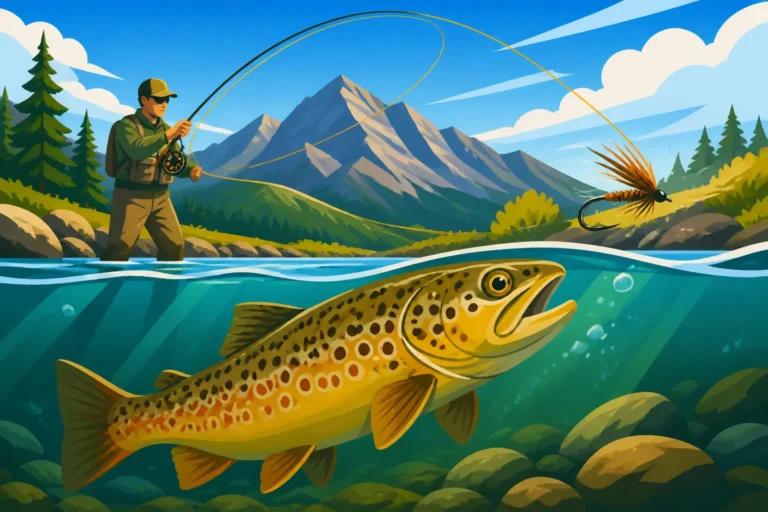
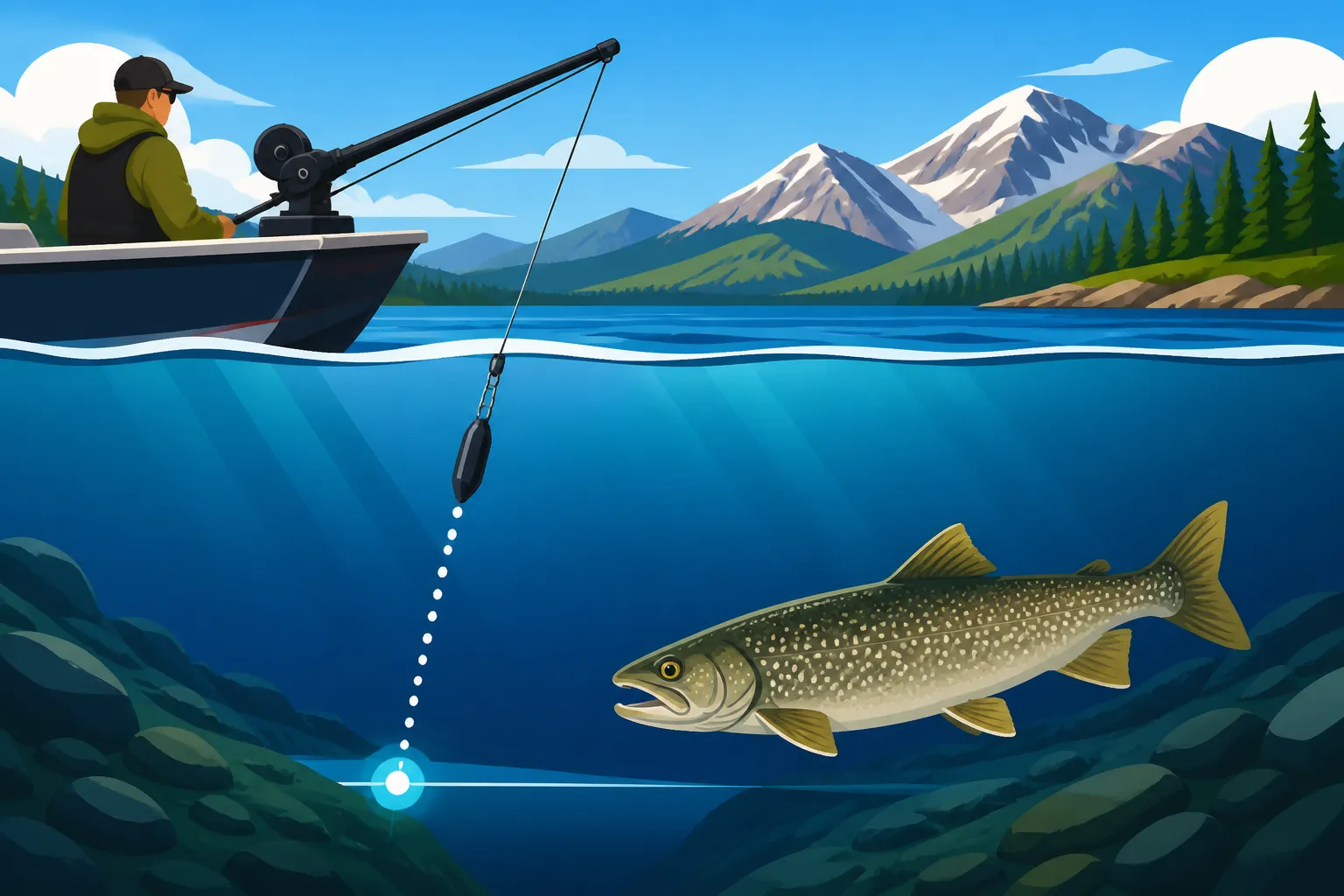
A basic downrigger setup involves a rod and reel, a downrigger unit (manual or electric), a heavy cannonball weight (typically 8-12 pounds), and a line release clip. The downrigger line, usually braided wire or heavy monofilament, connects the unit to the cannonball. Your fishing line, with your lure attached, runs from your rod tip through a release clip, which is then attached to the downrigger line just above the cannonball. When a fish strikes, the clip releases your fishing line, allowing you to fight the fish directly without the weight of the cannonball.
When purchasing a downrigger, consider whether a manual crank model or an electric model best suits your needs and budget. For occasional anglers or smaller boats, a manual downrigger works fine. For serious lake trout enthusiasts, especially on larger waters like Blue Mesa, an electric model offers greater ease and precision, especially when checking or changing depths frequently. Many excellent models can be found on Amazon, offering good value and features. Ensure your downrigger is securely mounted to your boat and that you have sufficient heavy-duty fishing line on your reel (braided line is preferred for its sensitivity and strength in deep water).
Lures and Baits for Deep Lake Trout
The best lures for lake trout are those that mimic their natural prey, primarily kokanee salmon or other small baitfish. Spoons are incredibly popular and effective. Large, slender spoons with flashy finishes like silver, gold, or iridescent patterns are excellent choices. Brands like Pro-Troll, Gibbs-Delta, or even locally tied patterns can produce well. These spoons, when trolled at the right speed, flutter and dart like injured baitfish.
Another highly effective option is a dodger or flasher paired with a small hoochie or squirt. The dodger creates an erratic side-to-side motion that attracts fish, while the trailing hoochie, often scented, provides the direct strike target. For those who prefer a more natural presentation, large tube jigs or soft plastic swimbaits rigged on heavy jig heads can also be deadly when vertically jigged near the bottom or presented horizontally via downrigger. When you're fishing a specific area, keep an eye on what other anglers are using successfully, or check with local tackle shops for the "hot" lures. You might also find that specific lures work better for "How Deep to Troll for Kokanee at Blue Mesa", which can influence what the lake trout are keying in on.
Trolling Speed and Presentation
Trolling speed is a critical, yet often overlooked, factor in downrigger fishing. The ideal speed will vary depending on the type of lure you're using, the activity level of the fish, and even the conditions of the day. Generally, a slow troll from 1.5 to 3 miles per hour is a good starting point for lake trout. Too fast, and your lures might not have the natural swimming action that entices a strike. Too slow, and they might not be covering enough water to find active fish.
Watch your rod tip carefully. It should have a slight bend from the tension of the downrigger release clip. The action of your lure can often be seen in the vibration of the rod tip. Some anglers use a "snubber" between the downrigger clip and the lure to absorb shock and provide more realistic action. Experiment with S-turns while trolling; these changes in direction can cause your lures to speed up or slow down slightly, often triggering a strike from following fish. Remember that the goal is a natural, enticing presentation at the correct depth. Precision is key in downrigger fishing, ensuring your lure is exactly where the fish are, whether you're targeting the "Colorado's State Record Lake Trout" or just a good meal.
Navigating Colorado's Fishing Regulations and Best Practices
Successful lake trout fishing isn't just about technique and gear; it also means being a responsible and informed angler. Knowing the rules and ethical practices ensures you contribute to the health of Colorado's fisheries.
Essential Licenses and Regulations
Before you even cast a line, make sure you have the proper licenses. Every angler 16 years of age and older needs a valid Colorado fishing license. If you're a resident, the costs are different than if you're visiting. You'll also need a Habitat Stamp, which directly funds wildlife habitat conservation across the state. These can be purchased online through CPW's website, at local sporting goods stores, or even at Walmart. It's not just a formality; it's a legal requirement and an investment in the future of Colorado's fishing opportunities. For more detailed information, check out our Colorado Fishing License Guide for Residents and Nonresidents.
Furthermore, understanding the specific regulations for the body of water you're fishing is crucial. Colorado Parks and Wildlife (CPW) publishes a comprehensive fishing regulations brochure annually, which details bag and possession limits, length restrictions, and specific rules for individual lakes and rivers. Some lakes, especially those with sensitive populations or specific management goals, might have unique rules regarding lake trout. For instance, some waters might have higher bag limits for lake trout, or even encourage anglers to harvest them, as they can sometimes outcompete native species. Always consult the most current Colorado Fishing Regulations Every Angler Should Know before your trip. Don't rely on old information; regulations can change yearly.
Practicing Responsible Angling
Catch-and-release is a widely accepted practice, especially for larger, older lake trout that are valuable breeders. If you plan to release fish, handle them with care. Use a rubberized net to minimize slime coat damage, keep the fish in the water as much as possible, and use de-barbed hooks when regulations allow. Lake trout from deep water can suffer from barotrauma (swim bladder expansion) when brought quickly to the surface. If a fish appears to be struggling, consider using a descending device to safely return it to depth.
On the other hand, for some waters, harvesting smaller lake trout is encouraged to balance the ecosystem and manage population numbers. Check the local regulations for specific recommendations. For example, some areas in Blue Mesa actively encourage anglers to harvest lake trout under a certain size. Understanding these nuances and making informed decisions helps maintain healthy fisheries for everyone. Familiarize yourself with How to Read Colorado's Fishing Regulations Brochure to be sure you're up-to-date.
Colorado's lake trout fisheries are a tremendous resource, offering exciting opportunities for anglers of all skill levels. By understanding their behavior, using the right gear and techniques, and adhering to ethical angling practices, you can significantly increase your chances of a memorable and successful summer lake trout adventure.
Disclaimer
Please remember that fishing conditions, regulations, and fish behavior can change rapidly. Always consult the official Colorado Parks and Wildlife (CPW) website and their most current fishing regulations brochure before heading out on your trip. This guide provides general information and recommendations, but it is the angler's responsibility to stay informed and comply with all applicable laws and regulations.