Best Time to Fish Before an Afternoon Thunderstorm
There’s nothing quite like waking up early, packing your gear, and heading to a pristine Colorado river or lake, only for those dark, ominous clouds to start rolling in around lunchtime, threatening to shut down your perfect fishing day. It’s a common frustration here in the high country, where afternoon thunderstorms can pop up with surprising speed and intensity. This guide is all about helping you understand these weather patterns, maximize your chances of a successful catch before the storms hit, and most importantly, stay safe on the water.
Understanding Colorado's Afternoon Thunderstorms
Colorado's weather, especially in the mountains, has a personality all its own. Sunny mornings can quickly give way to intense, short-lived thunderstorms by early afternoon. It’s not just a nuisance; it's a critical factor that every angler needs to consider for both success and safety. Ignoring these weather patterns can turn a beautiful day on the water into a dangerous situation.
The Daily Weather Cycle in the Mountains
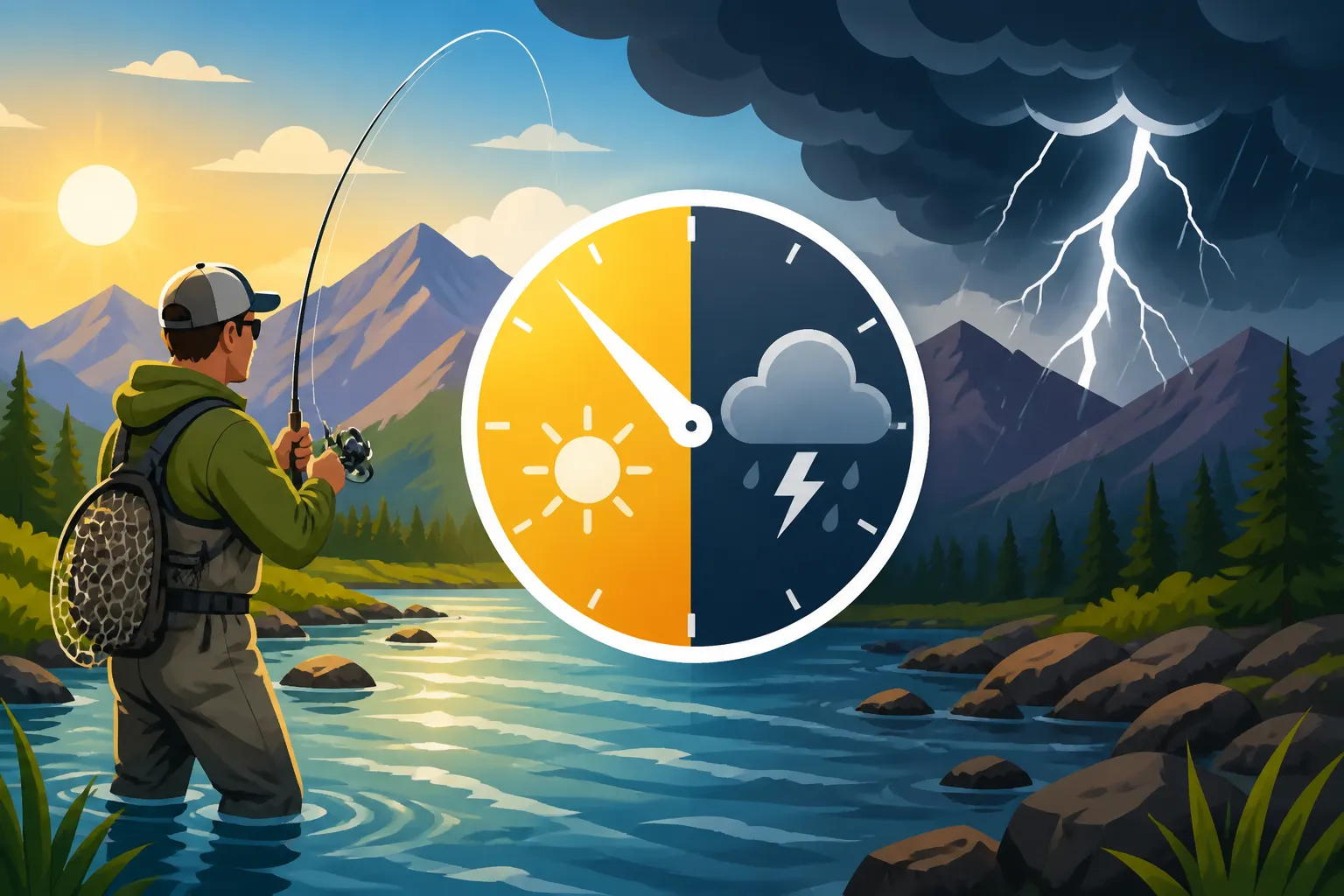
The classic Colorado afternoon thunderstorm is largely a product of what we call convective activity. Think of it like this: the sun heats up the ground throughout the morning, especially the darker rock faces and sparse vegetation found in the high country. This warm air then starts to rise. As it ascends, it cools, and any moisture it carries condenses into clouds. By early to mid-afternoon, this process often reaches a critical point, leading to towering cumulonimbus clouds that unleash heavy rain, hail, and, of course, lightning.
This cycle is most prevalent during the summer months, roughly from late May through September, but it can certainly extend into earlier spring and later fall, particularly during warmer spells. River valleys and higher elevations tend to be hotbeds for this activity. Knowing that this is a predictable, almost daily occurrence during peak season isn't about dreading the weather; it's about respecting it and planning around it. You're not fighting an anomaly; you're dancing with a pattern.
Identifying the Signs of an Impending Storm
Spotting an approaching thunderstorm isn't always as simple as seeing a dark cloud directly overhead. There are often subtle cues that experienced Colorado anglers learn to read. Pay close attention to the sky over the surrounding mountain peaks. Are cumulus clouds starting to build vertically, growing taller and darker than they were an hour ago? That's a classic indicator. A shift in wind direction or an increase in wind speed can also signal a change in atmospheric pressure that often precedes a storm.
Another sign, sometimes more subtle, is a sudden drop in temperature or an increase in humidity. If you feel a chill after a warm morning, even before seeing the darkest clouds, it's time to start paying extra attention. Finally, a distant rumble of thunder, even if it seems far away, means lightning is in the area. Remember, if you can hear thunder, you are within striking distance of lightning. Always be scanning the horizons, not just your fly line. Many smartphone weather apps can also provide radar, but don't rely solely on technology in areas with spotty service; your eyes are your best tools.
Why Thunderstorms are Dangerous for Anglers
It's easy to get caught up in the thrill of a good bite, but ignoring a building storm can put you in serious peril. The primary danger, of course, is lightning. Being out on the open water in a boat or even standing on a bank holding a graphite fishing rod makes you a prime target. Lightning strikes can be direct or indirect, even traveling through the ground or water. It's not worth the risk.
Beyond lightning, heavy downpours can lead to sudden and dangerous rises in water levels, especially in narrow canyon sections or smaller streams. This is where the concern about "Why Colorado Rivers Get Dangerous During Afternoon Storms" becomes very real. Flash floods can occur rapidly, sweeping away unsuspecting anglers. Hail is another hazard; even small hail can be painful and disorienting, and larger hail can cause serious injury or damage. Suddenly plummeting temperatures after the rain can also lead to hypothermia, especially if you're wet. Always treat these storms with the utmost respect.
The Optimal Window: Timing Your Morning Fish
Given the predictability of afternoon thunderstorms, the best strategy for Colorado anglers is often to embrace the early bird philosophy. Fishing before the storms roll in maximizes your time on the water and dramatically reduces your exposure to dangerous weather. This isn't just about safety; it often coincides with some of the best fishing opportunities of the day.
Capitalizing on the Pre-Storm Feeding Frenzy
Many experienced anglers swear by the "pre-front bite," and for good reason. Before a significant weather change, such as an approaching thunderstorm, there's often a noticeable drop in barometric pressure. This change can trigger an increase in fish activity, making them more inclined to feed aggressively. It’s almost as if they sense the impending shift and decide to fill their bellies while the conditions are still favorable.
This phenomenon is particularly common with trout in rivers and lakes. They might become more active, moving into shallower water or more aggressive feeding lanes than usual. This means that if you can get out on the water early, even as those first ominous clouds are just beginning to form on the distant peaks, you might hit a window of exceptionally good fishing. It’s not guaranteed, of course, but it's a consistent enough pattern to be a major factor in planning your day. Think of it as nature's last call before the bar closes.
Early Bird Gets the Fish: Dawn to Mid-Morning Strategy
The prime window for fishing before afternoon thunderstorms is typically from dawn until around 11 AM or noon. During these early hours, water temperatures are usually cooler, which is especially beneficial for trout. The light is softer, making fish feel less exposed, and there's generally less wind, which makes casting easier and allows for better fly or lure presentation. Plus, let's be honest, there's a certain magic to being on the water as the world wakes up, with mist rising off the river and wildlife stirring.
This early start gives you several hours of prime fishing time before the convective activity starts to build substantially. It allows you to explore different spots, experiment with various techniques, and really settle into your rhythm without constantly looking over your shoulder at the sky. Many of Colorado's Gold Medal Waters, like sections of the South Platte River or the Fryingpan, are known for excellent early morning hatches, so it's a win-win situation. For more on these renowned areas, you might want to read about "Best Time of Day to Fish a Colorado Tailwater in Summer" to refine your approach.
Planning Your Exit Strategy Before Noon
The most crucial part of this strategy isn't just getting out early, but knowing when to call it a day and head back to safety. A good rule of thumb in Colorado, especially during summer, is to plan to be off the water and heading towards shelter by noon, or certainly no later than 1 PM. This might seem early if the sky is still blue, but those clouds can build quickly and deceptively.
It's better to pack up a little early and be safe than to push your luck and get caught in a downpour or, worse, a lightning storm. Identify potential safe havens before you even start fishing. Know where you can quickly get to your vehicle, a permanent structure, or at least a dense grove of trees (though trees are not lightning-proof). This proactive approach ensures that your fishing adventure remains enjoyable and safe, even if it means sacrificing an hour or two of potential fishing time. Think of it as a tactical retreat, allowing you to live to fish another day.
Gear and Tactics for Pre-Storm Fishing Success
Being prepared for Colorado's quickly changing mountain weather isn't just about timing; it's also about having the right gear and knowing how to adapt your fishing techniques. A little foresight in your packing and a willingness to adjust your approach can make all the difference in catching fish and staying comfortable.
Essential Gear for Changing Weather
When fishing in Colorado, even on a seemingly clear morning, always pack for all four seasons. Layers are your best friend. Start with a moisture-wicking base layer, add an insulating fleece or down jacket, and top it off with a high-quality waterproof and windproof shell. Many anglers find durable, lightweight rain jackets and pants, readily available on platforms like Amazon, to be indispensable for quick changes in weather. Even if you don't wear them, having them stowed in your pack is crucial.
Don't forget a warm hat and gloves, even in summer, as temperatures can drop dramatically with rain. Proper footwear, like sturdy wading boots with good traction, is also vital, especially if riverbanks become slick. And perhaps most importantly, safety gear should always be a priority. A small first-aid kit, a whistle, a fully charged cell phone (with a portable charger if you'll be out all day), and even a headlamp for unexpected delays are must-haves. For boat anglers, a personal flotation device is non-negotiable.
Here's a quick checklist of essential gear:
| Item | Purpose | Why it's Critical |
|---|---|---|
| Layered Clothing | Adapt to temperature swings | Prevents hypothermia or overheating; versatile for changing conditions |
| Waterproof Rain Gear | Stay dry during unexpected downpours | Crucial for comfort and preventing hypothermia in cold rain |
| Warm Hat & Gloves | Protect extremities from cold | Retains body heat, especially important when wet |
| Sturdy Wading Boots | Traction on slippery banks/riverbeds | Prevents slips and falls, especially on muddy or wet terrain |
| First-Aid Kit | Address minor injuries | Essential for cuts, scrapes, and other small emergencies |
| Whistle | Signal for help | Effective for attracting attention in emergencies, especially if phone service is out |
| Charged Phone/Charger | Emergency communication, navigation | Lifeline for emergencies; backup power ensures it works all day |
| Headlamp | Visibility in low light | Useful for early starts, late exits, or unexpected delays in fading light |
| Snacks & Water | Maintain energy and hydration | Prevents bonking and dehydration, especially during strenuous activity |
Adapting Your Lures and Techniques
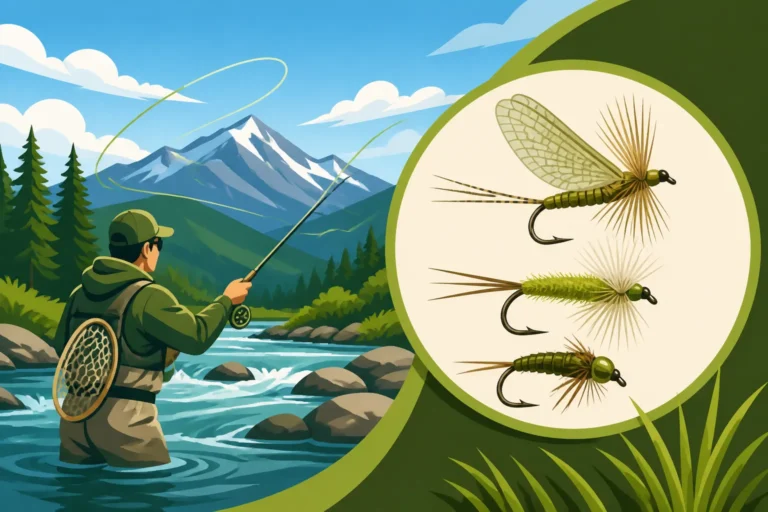
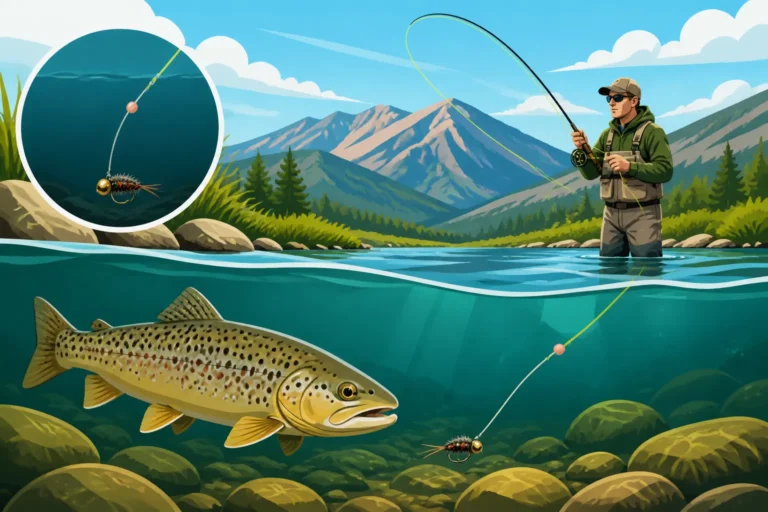
When the weather starts to look "fishy"—meaning overcast, a bit breezy, and with that atmospheric pressure dropping—fish can sometimes become more aggressive. This is a great time to switch to more attention-grabbing flies or lures. For fly anglers, think larger, darker patterns like Woolly Buggers, Sex Dungs, or stonefly nymphs. Trout often feel more secure under low light conditions and might be more willing to chase a bigger meal. "Best Streamer Colors for Murky Colorado Water" can provide more insights here.
For spin fishing, consider using spinnerbaits, larger spoons, or crankbaits with erratic actions that mimic a fleeing baitfish. The slightly choppier water surface from increasing wind can also obscure your line, allowing for a more natural presentation. Focus on fishing structure, like submerged logs, rock shelves, or deep pockets where fish might be staging before the storm, or seeking refuge from potential high water. An aggressive retrieve can often entice a strike from fish anticipating the change in weather.
Prioritizing Safety When the Weather Turns
This cannot be stressed enough: your safety is paramount. If you see lightning or hear thunder, it's time to get off the water immediately. Don't wait. Pack up your gear as quickly as possible and seek substantial shelter. Your car is generally a safe place, but avoid standing under tall trees, as they can attract lightning and falling branches are a risk. If you are caught far from shelter, try to find a low-lying area, avoid open fields, and minimize your contact with the ground by squatting on a sleeping pad or other insulating material.
If you're in a boat, head for shore at the first sign of a storm and secure your vessel. Do not stay on the water. Lightning can strike the water and travel through it, and strong winds can quickly create dangerous waves. It’s important to understand "Why Colorado Rivers Get Dangerous During Afternoon Storms" and respect the power of nature. Always have an escape route in mind, and never hesitate to cut your trip short for safety. There will always be another day to fish.
Alternative Strategies and What to Do When Storms Hit Early
Sometimes, despite your best planning, Colorado’s weather throws a curveball. What if thunderstorms don't wait for the afternoon and start rumbling through in the morning? Or what if you've missed your morning window? Don't despair; there are still ways to enjoy your time in the Rockies, even if it means adjusting your fishing plans significantly.
When to Rethink Your Day: Early Morning Thunderstorms
On some days, especially during periods of unstable atmospheric conditions, the convective cycle can kick off much earlier than usual. If you wake up to dark, threatening skies and distant thunder at 7 or 8 AM, it's a clear sign that today is probably not the day for a full morning on the river. In these instances, the best strategy is often to simply rethink your fishing plans entirely. Is it truly worth the risk to pursue a few fish when conditions are clearly unsafe?
This might mean postponing your trip, choosing a different activity for the day, or opting for a safer, non-exposed location. It’s a tough call when you’ve been looking forward to fishing, but responsible angling prioritizes safety above all else. Remember, many waters like those around Rocky Mountain National Park or the high alpine lakes are particularly exposed and dangerous during these early, unseasonal storms. A day off the water is better than a dangerous experience.
Seeking Safer Waters: Lower Elevations and Larger Bodies
If the forecast is for widespread afternoon mountain thunderstorms, but you're still itching to cast a line, consider shifting your focus to different types of waters or lower elevations. Sometimes, areas on the Eastern Plains, or large reservoirs that are less surrounded by towering peaks, might experience less severe or delayed thunderstorm activity compared to the high country. Waters like Chatfield Reservoir or Cherry Creek Reservoir, closer to the Denver metro area, can sometimes offer a reprieve, although they are not immune to storms.
These larger bodies of water can also offer more opportunity to quickly reach safe harbor if a storm does develop. However, open water still presents lightning risks, so always keep an eye on the sky. You might find success targeting warmwater species like bass, wiper, or catfish in these reservoirs, as they can often be more active during changing weather conditions. For those interested, exploring "Best Waters for Channel Catfish in Colorado" could be a good alternative when mountain rivers are stormy.
Post-Storm Opportunities: When the Skies Clear
Just because a thunderstorm has rolled through doesn't mean your fishing day is completely ruined. In fact, sometimes the period after a storm can be incredibly productive. Once the lightning and heavy rain have passed, and the sun begins to peek through the clouds again, there's often a flurry of insect activity. Hatches can erupt, and fish, which may have hunkered down during the storm, will often come out to feed aggressively.
Water levels might rise slightly, which can dislodge food sources, and the slightly reduced light after the storm can make fish feel more comfortable feeding in open areas. However, always exercise caution. Wait until the sky is truly clear and there's been no thunder for at least 30 minutes before venturing back out. Check water levels for safety and avoid any areas that look unstable or are experiencing strong currents from runoff. For some, the post-storm bite is worth the wait, offering a unique and often rewarding fishing experience. You can even read more on "How Long After a Storm Colorado Rivers Clear Up" to better time your return to the water.
Disclaimer
This article is for general informational purposes only and does not constitute professional advice. Laws, prices and regulations vary by location and change over time. Consult a qualified professional for guidance on your specific situation.