Yellow Perch in Colorado
If you've spent any time on Colorado's lakes and reservoirs, especially through the ice, you've probably heard anglers excitedly talk about "perch." These vibrant, stripe-sided fish are a beloved target for many, offering not just a fun fight on light tackle but also a truly delicious meal. While they might not be the trophy trout or the hard-fighting walleye that often grab headlines, yellow perch are an undeniable staple in our state's fisheries, providing endless entertainment and a fantastic introduction to fishing for beginners. This guide is here to dive deep into everything you need to know about targeting these feisty little eaters, from where to find them to how to cook them up.
Getting to Know Yellow Perch in Colorado
Yellow perch are a classic panfish, recognizable and cherished by anglers across much of North America. In Colorado, they've found their niche in many of our waters, adapting well to a variety of conditions. Understanding their basic biology and behavior is your first step to becoming a successful perch angler.
What Makes a Perch a Perch? Identification Tips
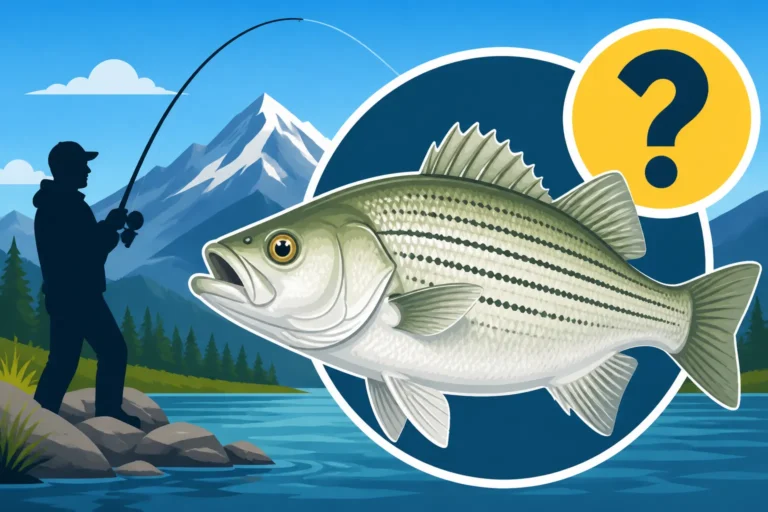
First off, let's talk about what makes a yellow perch look like a yellow perch. These fish are pretty distinctive once you know what to look for, and they're not easily confused with most other common Colorado species. They have a relatively deep body, a bit compressed on the sides, with a striking coloration that truly lives up to their name.
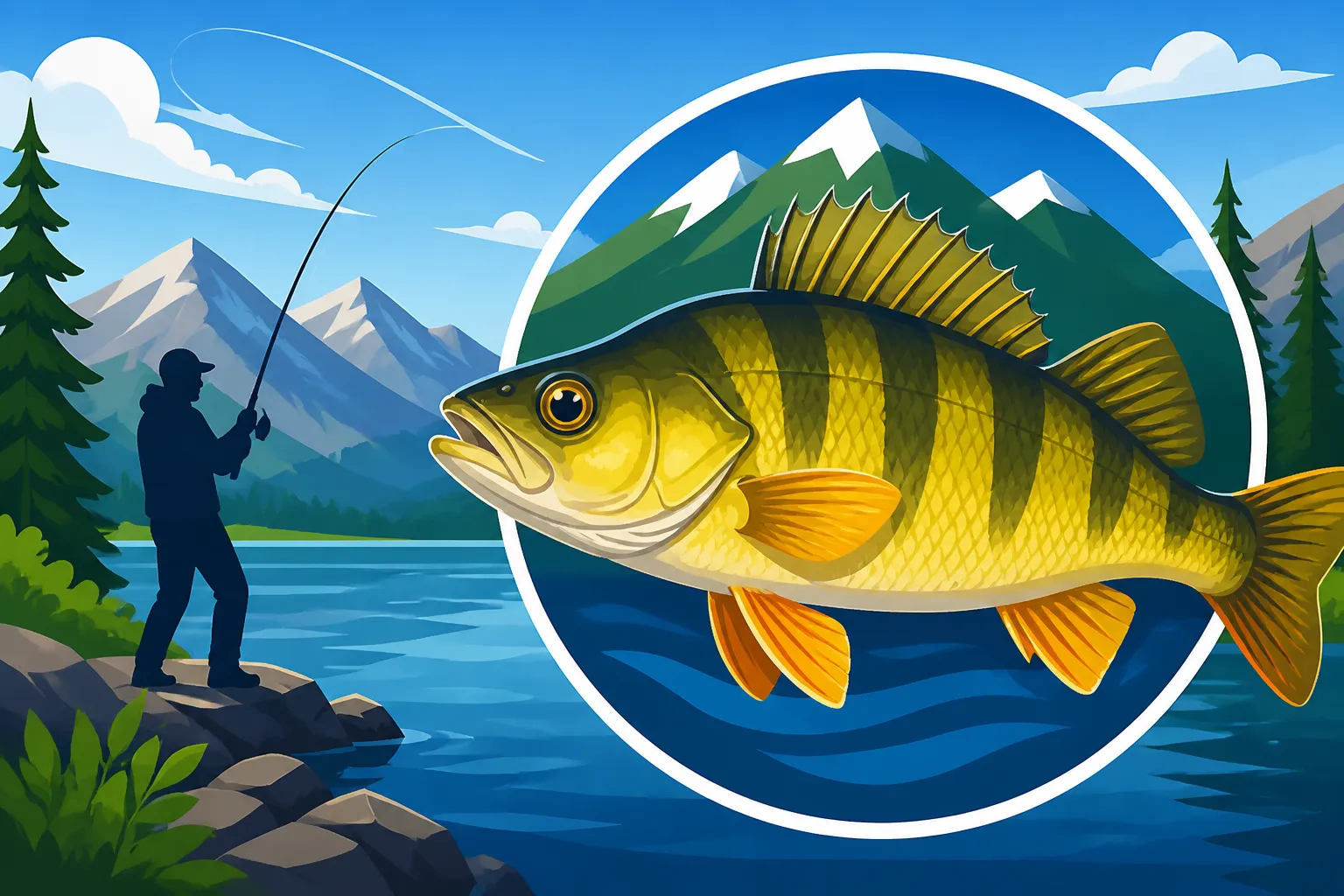
You'll notice their sides are typically a bright, almost iridescent yellow, sometimes leaning into a brassy gold or even a greenish hue, especially on the back. This vibrant color is broken up by six to eight prominent, dark vertical bars that extend down their sides, almost like tiger stripes. Their belly is usually a paler white or cream. They also have two separate dorsal fins; the first is spiny, and the second is soft-rayed. Look for a small, terminal mouth, perfect for snatching up insects, minnows, and crustaceans. If you're ever unsure about species identification, especially with similar-looking panfish like crappie or bluegill, pay close attention to these stripes and the distinct fin structure.
Where Yellow Perch Call Home in Colorado
Yellow perch are pretty adaptable, which is why they've spread to so many bodies of water in Colorado. They thrive in cool, clear, and moderately vegetated lakes, reservoirs, and slow-moving rivers. Unlike some of our trout species that demand pristine, fast-flowing mountain streams, perch are content in more tranquil environments where they can find structure and food.
You'll often find them in waters with sandy, gravel, or silty bottoms, especially areas with submerged vegetation like weed beds or standing timber. These spots provide cover from predators, ambush points for feeding, and a place to lay their eggs. Reservoirs are particularly prime habitat for perch, offering vast expanses of these preferred conditions. While they are not a native Colorado fish, they've been successfully introduced and are now considered a widespread and valuable component of our recreational fisheries.
The Life and Times of a Colorado Yellow Perch
Yellow perch are schooling fish, which is fantastic news for anglers. Where you find one, you're likely to find many more. This schooling behavior is a survival mechanism, offering protection in numbers, but it also means that once you locate a school, you can often enjoy continuous action. They tend to stick together by size, so if you're catching smaller perch, moving just a bit might put you on a school of bigger ones.
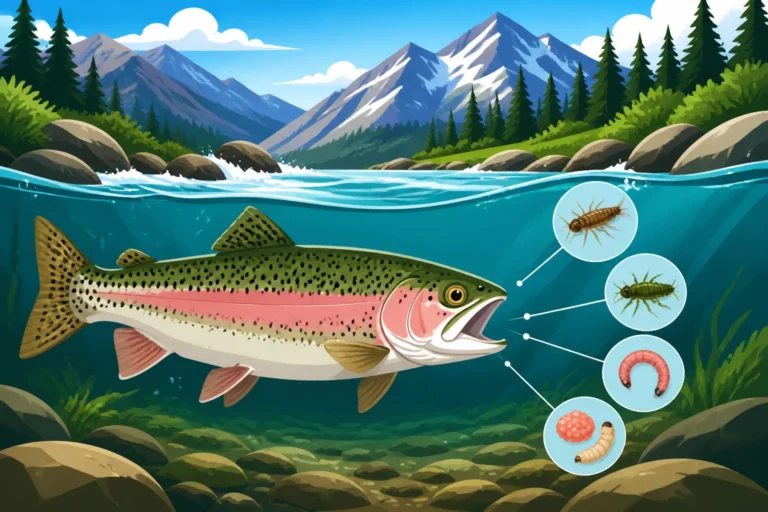
Their diet is fairly broad, making them less picky than some other species. Young perch feed mostly on zooplankton and aquatic insects, while adults switch to a diet of larger insects, crustaceans like crayfish, and even small fish, including the young of their own species. This opportunistic feeding habit means they'll readily strike at a wide range of baits and lures. They spawn in the spring, typically as water temperatures rise into the 45-55 degree Fahrenheit range, laying long, gelatinous strands of eggs over submerged vegetation, brush, or fallen timber.
Finding Yellow Perch in Colorado's Waters
The key to consistently catching yellow perch in Colorado is knowing where they like to hang out and understanding how their behavior changes throughout the year. It's not just about tossing a line in; it's about thoughtful observation and understanding their preferences.
Best Lakes and Reservoirs for Perch
Colorado boasts several fantastic waters for yellow perch, making it accessible for many anglers, whether you're looking for a quick outing near the Front Range or a weekend getaway to the high country. Reservoirs are often your best bet, as they typically offer the expansive, structured habitats that perch love.
Some notable perch hotspots include waters like Chatfield Reservoir and Cherry Creek Reservoir near Denver, offering convenient access for urban anglers. Up north, Boyd Lake State Park and Horsetooth Reservoir can be productive. As you head further south, Pueblo Reservoir often holds good numbers of perch, and down on the Eastern Plains, reservoirs like Jackson Lake State Park can be surprising producers. For those willing to travel, Eleven Mile Reservoir and Spinney Mountain Reservoir, while famous for trout, also offer excellent perch fishing, particularly through the ice. It's always a good idea to check the latest stocking reports and local fishing forums to see where perch are biting best, as patterns can shift year to year. For more information on fishing particular lakes, you might find our guide on Best Fishing Lakes Near Denver, Colorado helpful.
Reading the Water: Where Perch Hide
Once you're at a promising body of water, how do you pinpoint those schools of perch? Perch are notorious structure-lovers. Think like a perch: where would you hide from predators? Where would you find an easy meal?
Look for areas with submerged features such as weed beds, rock piles, brush piles, fallen trees, or old creek channels. Points that extend into deeper water, sudden depth changes (like drop-offs or ledges), and the edges of flats near deeper water are all prime locations. During warmer months, they might be shallower, relating to the tops of weed beds or shoreline cover. As water temperatures drop, they'll often move to deeper structures, congregating in large schools. Using a fish finder, especially when ice fishing, can be incredibly effective for locating these submerged structures and the schools of fish holding to them. If you're on a new lake, don't be afraid to move around until you find a promising area; perch are rarely spread evenly throughout a body of water.
Seasonal Movements and Feeding Patterns
Yellow perch exhibit clear seasonal patterns in their behavior and feeding, which successful anglers learn to anticipate. Understanding these cycles is crucial for being in the right place at the right time.
In the spring, immediately after ice-out and leading up to their spawn, perch often move into shallower water, especially areas with submerged vegetation or woody debris. They feed actively during this period to build up energy for spawning. As summer progresses and water temperatures climb, they'll often retreat to deeper, cooler water, particularly during the hottest parts of the day, moving shallower again during dawn and dusk to feed. During this time, they might be found suspended over deeper water or tight to deep structure. In the fall, as water temperatures begin to drop, perch become very active again, feeding aggressively to fatten up for winter. This is often an excellent time for open-water perch fishing. Finally, winter sees them congregating in large schools in deeper basins or over prominent structures, making them a prime target for ice anglers. Their metabolism slows, but they still feed, just often requiring a more subtle presentation.
Gear and Tactics for Colorado Yellow Perch
You don't need a massive investment to get into perch fishing. One of the joys of chasing these panfish is that they can be caught on relatively simple, inexpensive gear. However, having the right tools for the job can significantly increase your success and enjoyment.
Essential Gear for Perch Anglers
When it comes to tackle, think light. A light to ultra-light spinning rod and reel combo is perfect for yellow perch. This setup allows for delicate presentations, feels every subtle bite, and makes even a modest perch feel like a champion fighter. A 5-foot to 6.5-foot rod with a fast action tip is ideal, paired with a small spinning reel spooled with 4-6 pound test monofilament or fluorocarbon line. Some anglers prefer braided line for its sensitivity, especially when fishing deeper, but be sure to use a fluorocarbon leader if you go this route, as perch can be line-shy in clear water.
For terminal tackle, a selection of small hooks (sizes 8-12), small split shots or sliding egg sinkers, and bobbers will cover most open-water situations. Keep it simple and light; heavy tackle will spook these fish. You can find excellent, affordable light tackle setups on Amazon, perfect for getting started without breaking the bank. Don't forget a small pair of needle-nose pliers for hook removal and a stringer or cooler to keep your catch fresh if you plan on taking them home for dinner.
Top Baits and Lures
Yellow perch are not particularly fussy eaters, which is another reason they're so popular. They respond well to both natural baits and artificial lures. Experimentation is often key to finding what they prefer on any given day.
For live bait, small minnows (like fathead minnows), wax worms, mealworms, red worms, and even pieces of nightcrawler are all highly effective. Minnows are fantastic for attracting larger perch, while worms are irresistible to all sizes. Present these on a small hook under a bobber, or on a slip-sinker rig fished near the bottom. When it comes to artificials, tiny jigs are paramount. Marabou jigs, tube jigs, and plastic grubs in sizes 1/32 to 1/8 ounce are go-to choices. Colors like white, chartreuse, yellow, and black are often productive. Small spoons, blade baits, and even tiny crankbaits can also elicit strikes, especially when jigged or trolled slowly. Having a good variety of these small jigs and plastics on hand, easily purchased from retailers or Amazon, will give you options for different conditions and moods of the fish.
Tried-and-True Perch Fishing Techniques
There are several effective ways to target yellow perch, depending on the season and the water you're fishing. One of the most common and simple methods for open water is fishing with a bobber. Rig a small hook with live bait, attach a split shot a few inches above the hook to get your bait down, and set your bobber so the bait is suspended just above the bottom or within a weed bed. Cast it out and wait for that tell-tale bobber dip!
Another popular technique, especially effective when perch are holding deeper or when you want more control, is a bottom rig. Use a small sliding egg sinker above a swivel, then a 1-2 foot fluorocarbon leader to a small hook with bait. This allows the fish to pick up the bait without feeling the weight of the sinker. For artificial lures, jigging is the name of the game. Lightly twitching a small jig or spoon near structure, letting it fall, and then twitching it again can be incredibly effective. Sometimes a slow, steady retrieve works, but often the erratic movement of jigging is what triggers a strike.
Ice Fishing for Yellow Perch in Colorado
When Colorado's lakes and reservoirs freeze over, yellow perch truly become one of the stars of the hardwater season. Ice fishing for perch is an experience unto itself, combining the thrill of the bite with the crisp beauty of a winter day. It’s a fantastic way to extend your fishing season and enjoy some of the most consistent action available. You'll often find ice anglers specifically targeting these tasty fish. If you're new to ice fishing, our guide on Ice Fishing in Colorado, Getting Started is a great resource.
Why Perch Are an Ice Angler's Favorite
There are several reasons why yellow perch are so beloved by ice anglers. First, their schooling nature means that once you find a school, you can often catch multiple fish from the same hole, leading to fast-paced and exciting action. This is particularly appealing on cold winter days when you want to make the most of your time on the ice.
Second, perch tend to be very accessible. They don't always require super deep water or highly specialized tactics, making them a great target for beginners and seasoned anglers alike. They're also quite common in many popular ice fishing destinations across the state. Finally, and perhaps most importantly for many, yellow perch are absolutely delicious. Fresh perch fillets, pan-fried to a golden crisp, are a winter delicacy, making the effort of bundling up and braving the cold well worth it. Many of Colorado's Best Ice Fishing Reservoirs are also excellent perch spots.
Setting Up for Success on the Ice
To successfully target perch through the ice, you'll need some specialized gear. An ice auger, either hand-powered, electric, or gas, is essential for drilling holes through the ice. A 6-inch or 8-inch auger is perfect for perch fishing, allowing you to quickly cut through even thick ice. Ice fishing rods are much shorter than open-water rods, typically 24-36 inches long, with a sensitive tip to detect those subtle winter bites. Pair this with a small spinning reel or an ice-specific reel.
A portable ice shelter can make your day much more comfortable, protecting you from wind and cold, and a portable fish finder (flasher or LCD unit) is invaluable for locating schools of perch and monitoring your bait. You can find a wide array of reliable ice fishing gear, from augers to flashers, on Amazon with delivery right to your door, making preparation a breeze. Remember to prioritize safety on the ice; always check ice thickness and let someone know your plans.
Best Ice Fishing Lures and Strategies for Perch
When fishing for perch through the ice, smaller presentations are usually more effective. Perch become more lethargic in cold water, and their bites can be incredibly light. Tiny jigs, often called "tungsten jigs" due to their heavy-for-their-size material, are excellent. Tip these jigs with a single wax worm, a small piece of a mealworm, or even a small plastic grub tail. Small spoons, such as Swedish Pimples or Kastmasters, can also be very effective, especially when tipped with bait.
The strategy involves jigging your lure with small, subtle motions. Drop your bait to the bottom, then lift it a few inches. Gently twitch your rod tip, let it settle, and repeat. Sometimes a slow, almost imperceptible lift and fall is what triggers a bite. Pay close attention to your rod tip and your line; often, a perch bite will be a slight twitch, a momentary slack in the line, or just a feeling of added weight when you lift. Don't be afraid to move holes if you're not getting bites; remember, perch are schooling fish, and finding the school is the hardest part. Our guide on Best Bait for Ice Fishing Perch in Colorado has even more specific tips for what to put on your hook.
Are Yellow Perch Good to Eat? And Other Considerations
Beyond the joy of the catch, yellow perch offer an excellent culinary experience. But before you fill your cooler, it's important to be aware of local regulations and practice responsible angling.
From Water to Plate: Enjoying Your Catch
Yes, yellow perch are widely considered one of the best-tasting freshwater fish available! Their flesh is firm, white, flaky, and has a delicate, sweet flavor that isn't overly "fishy." This makes them highly sought after by anglers who love to take home a meal.
The most popular way to prepare perch is to fillet them and pan-fry them. A simple breading of seasoned flour, cornmeal, or a dry batter, followed by a quick fry in hot oil or butter, yields a crispy exterior and tender, succulent meat. They are also excellent baked, broiled, or even grilled. Because they are often caught in good numbers, they provide plenty of fresh fillets for a family meal or a fish fry with friends. Just be sure to keep your catch on ice to maintain freshness, especially during warmer months.
Regulations and Bag Limits
While perch are plentiful in many Colorado waters, it's crucial to be aware of the specific regulations that apply. Generally, yellow perch are considered "panfish" or "coolwater species" and often fall under more liberal bag and possession limits compared to sensitive trout species. However, rules can vary by specific water body, so always consult the current Colorado fishing regulations brochure before you head out. These brochures are available at license agents, sporting goods stores, or on the Colorado Parks and Wildlife (CPW) website. Understanding the difference between Possession Limits vs Daily Limits in Colorado is key, especially if you plan on extended trips or keeping a large number of fish.
You'll also need a valid Colorado fishing license, which can be purchased online, by phone, or in person at various vendors. Whether you're a resident or non-resident, an annual, one-day, or five-day license, make sure you're properly licensed for your trip. For details, check out Colorado Fishing License Guide for Residents and Nonresidents or Colorado's Annual, One-Day and Five-Day License Options. And of course, remember that if you're fishing in a state park, a valid park pass may also be required in addition to your fishing license.
Conservation and Sustainable Practices
While yellow perch populations are generally robust in Colorado, practicing responsible angling helps ensure healthy fisheries for years to come. This means adhering to bag and possession limits, which are designed to prevent overfishing and maintain a balanced ecosystem. Only keep what you plan to eat, and consider releasing larger, breeding-size fish to contribute to future generations.
If you're practicing catch-and-release, handle the fish gently, minimize its time out of water, and release it quickly. Even with panfish, proper handling improves their chances of survival. Avoid leaving fishing line or tackle behind, as it can be harmful to wildlife. By being mindful of our impact, we can all contribute to keeping Colorado's yellow perch populations thriving and ensuring that these delightful fish remain a highlight of our angling adventures. Understanding Colorado Fishing Regulations Every Angler Should Know is the first step in being a responsible angler.
Yellow Perch Fishing at a Glance
To give you a quick overview of what to expect when chasing Colorado's yellow perch, here's a handy table summarizing key information:
| Aspect | Open Water (Spring/Fall) | Open Water (Summer) | Ice Fishing (Winter) |
|---|---|---|---|
| Primary Locations | Shallow to moderate depths, near weed edges, brush piles | Deeper water, cool thermocline, deep structure, points | Deep basins, humps, edges of submerged structure, old creek beds |
| Best Baits/Lures | Small minnows, wax worms, nightcrawler pieces, small jigs, spoons | Small minnows, worms, tiny jigs, small spoons, blade baits | Tungsten jigs tipped with wax worms/mealworms, small spoons, tiny plastic grubs |
| Typical Rigging | Bobber rigs, slip-sinker rigs, jigging | Bottom rigs, jigging, slow trolling (from boat) | Deadsticking with bobber, active jigging with small rod |
| Key Tactics | Find structure, fan cast, adjust depth, light jigging | Search deeper with electronics, target low light, subtle jigging | Use electronics to find schools, subtle jigging, try different depths |
| Optimal Time of Day | Morning and late afternoon/evening | Early morning, late evening, sometimes midday in deeper water | Midday often productive, but can bite all day if active |
| Gear Recommendation | Light to ultra-light spinning combo, 4-6 lb line | Light to ultra-light spinning combo, 4-6 lb line | Ultra-light ice rod, small reel, 2-4 lb line, sensitive tip |
Disclaimer
This article is for general informational purposes only and does not constitute professional advice. Laws, prices and regulations vary by location and change over time. Consult a qualified professional for guidance on your specific situation.