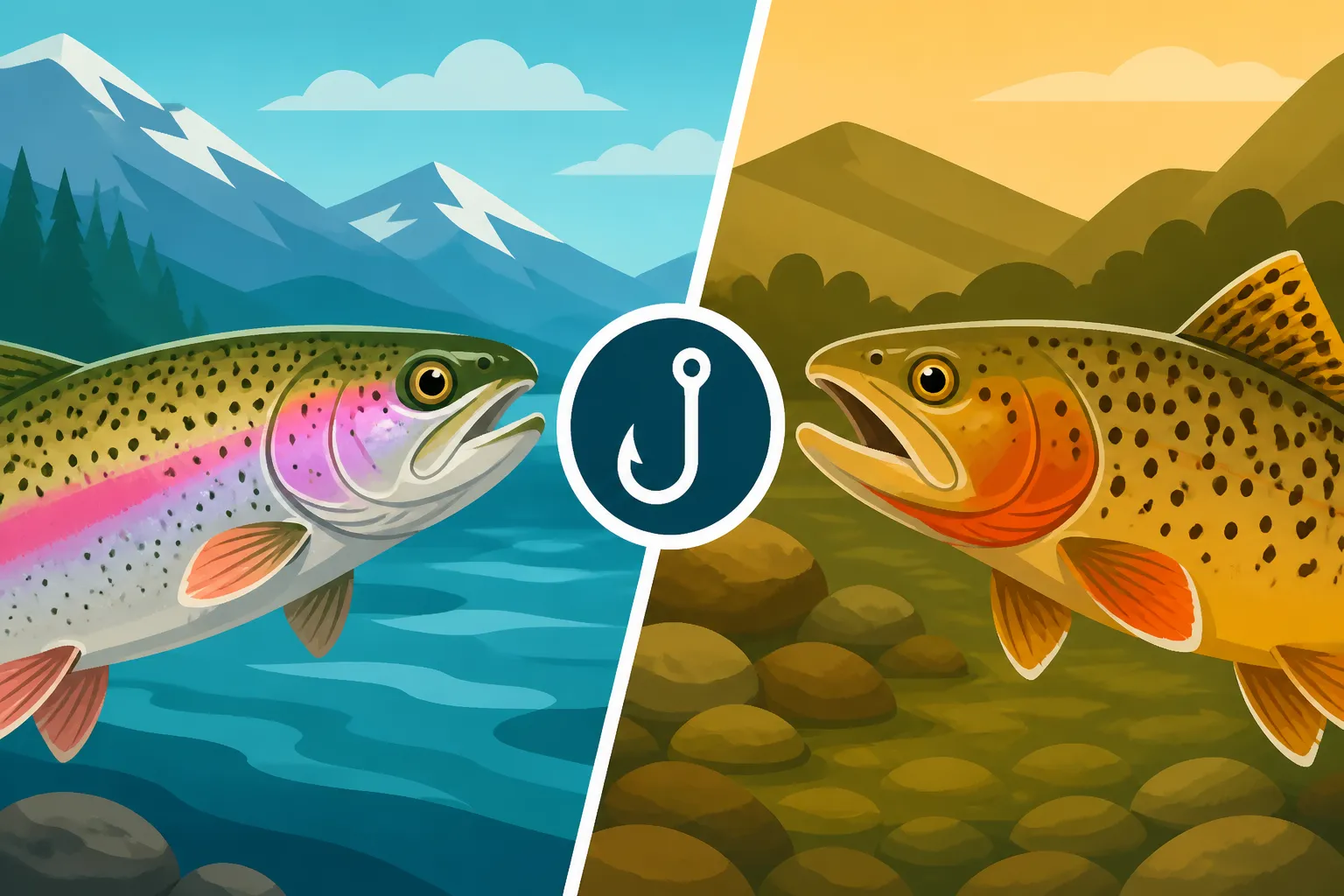
Telling a Rainbow From a Cutthroat Trout
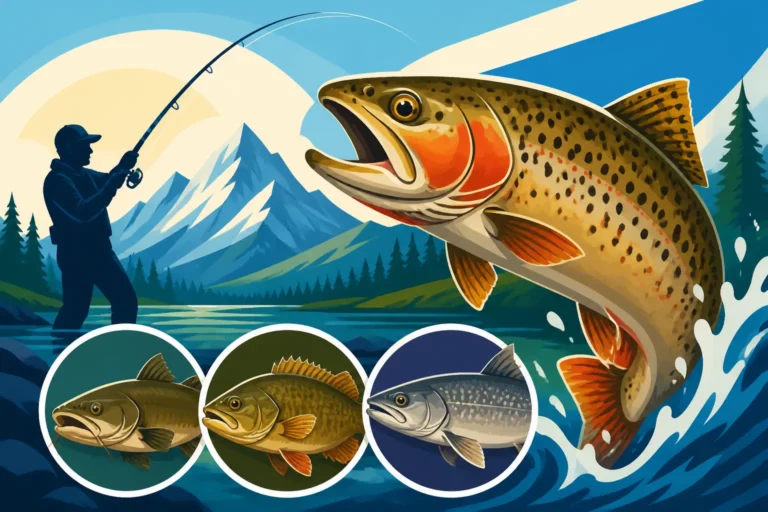
One of the most common head-scratchers for anglers hitting Colorado's beautiful rivers and lakes is figuring out exactly what kind of trout they've just landed. While they might both be stunning, knowing the difference between a rainbow trout and a native cutthroat trout isn't just about bragging rights; it's genuinely important for conservation, understanding local regulations, and even improving your fishing success. This guide will walk you through the distinct features that set these two popular species apart, helping you identify your catch with confidence and contribute to responsible angling practices in our incredible state.
Why Distinguishing Trout Species Matters in Colorado
For many anglers, a trout is a trout, and as long as it's biting, that's all that counts! But here in Colorado, where we're blessed with diverse ecosystems and a strong commitment to preserving our native fish, knowing the difference between a rainbow and a cutthroat trout is far more significant than you might imagine. It directly impacts conservation efforts and plays a crucial role in adhering to specific fishing regulations that are in place to protect these precious populations.
Conservation Implications for Native Cutthroat
Colorado is home to several distinct subspecies of native cutthroat trout, including the Colorado River cutthroat, the Rio Grande cutthroat, and the beloved state fish, the greenback cutthroat trout. These fish are true treasures, having evolved over millennia to thrive in our unique mountain environments. However, their populations have faced significant challenges over the last century due to habitat loss, overfishing, and perhaps most critically, hybridization with non-native rainbow trout. When a rainbow trout and a cutthroat trout interbreed, they produce a hybrid known as a "cutbow." While cutbows can be beautiful fish, their existence dilutes the genetic purity of native cutthroat strains, posing a serious threat to their long-term survival. Why Interbreeding Threatens Native Cutthroat Populations explains this in more detail.
For this reason, conservation efforts often focus on protecting remaining pure strains of cutthroat trout. This might involve specific stocking programs, habitat restoration, and strict fishing regulations in certain areas. Your ability to correctly identify a native cutthroat helps support these efforts. If you accidentally catch a genetically pure cutthroat in an area designated for their recovery, proper identification ensures you can follow catch-and-release protocols, minimizing stress on the fish and allowing it to return to its critical role in the ecosystem. It's a small act with a big impact on the future of Colorado's wild trout.
Regulatory Considerations and Bag Limits
Beyond conservation, accurately identifying your catch is absolutely essential for staying on the right side of Colorado's fishing regulations. It’s not uncommon for specific waters to have different rules for different species, particularly when it comes to native cutthroat trout. For instance, some waters might be designated as "catch-and-release only" for all cutthroat species, regardless of size, while allowing harvest of rainbow trout. Other areas might have stricter bag and possession limits for cutthroat, or even require barbless hooks and specific bait restrictions to protect them. Colorado Fishing Regulations Every Angler Should Know is a great resource for understanding these complexities.
Imagine you're fishing a gorgeous high-country lake that's part of a native cutthroat reintroduction program. The regulations state that all cutthroat trout must be immediately released, but you're allowed to keep a couple of rainbow trout for dinner. If you can't tell the difference, you might inadvertently keep a native cutthroat, leading to potential fines or, more importantly, undermining the very conservation efforts designed to protect that specific fishery. Having a good field guide, perhaps one you picked up on Amazon, and knowing what to look for can make all the difference between a successful, compliant day on the water and an unfortunate mishap. Always, always check the current regulations for the specific body of water you're fishing before casting a line.
Distinctive Physical Characteristics of Rainbow Trout
Rainbow trout are perhaps the most recognizable trout species in North America, largely due to their widespread stocking and distinctive appearance. They're often the first trout many anglers catch, and for good reason—they're hardy, beautiful, and put up a fantastic fight. While their appearance can vary somewhat based on their environment, there are a few key features that generally distinguish them from their cutthroat cousins.
Coloration and Markings
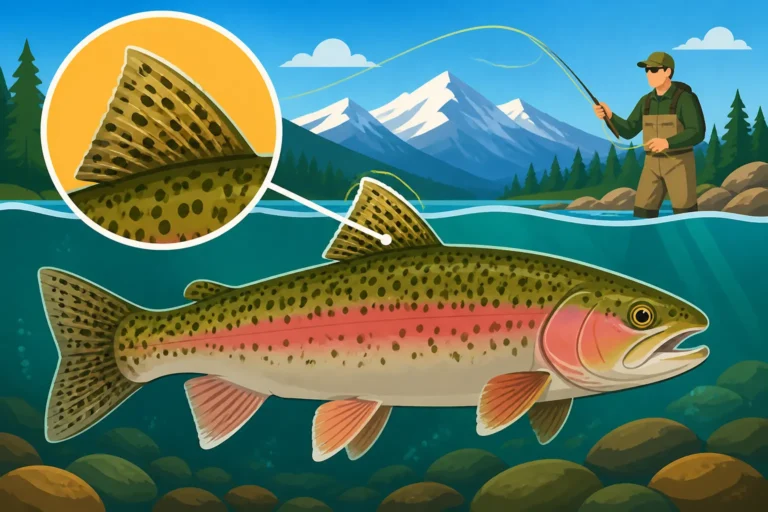
When you think of a "rainbow" trout, the name truly gives away its most famous characteristic: that vibrant, iridescent pink or red band running horizontally along its flanks. This band can range from a faint blush to a bold, fiery stripe, especially prominent in spawning males. Their bodies are typically silver to olive green on the back, fading to white on the belly. But what really sets them apart, aside from that stripe, are the spots. Rainbow trout are covered in numerous small, dark spots. These spots are usually concentrated on their back, dorsal fin, and caudal (tail) fin, but they can extend down onto their sides as well. Crucially, these spots are often evenly distributed and quite uniform in size.
Unlike cutthroat, which tend to have larger, more irregularly shaped spots, a rainbow's spots are like a fine spray of pepper. They generally lack the heavy spotting below the lateral line that you might see on many cutthroat varieties. Also, while rainbow trout can develop some red or orange hues, especially around their gill plates or lower fins, they won't have the distinct "cut" marks under their jaw that are the hallmark of cutthroat trout. Rainbow Trout in Colorado, Where They're Stocked details some of the specific waters where you're likely to encounter these beauties.
Mouth, Jaw, and Gill Plate Features
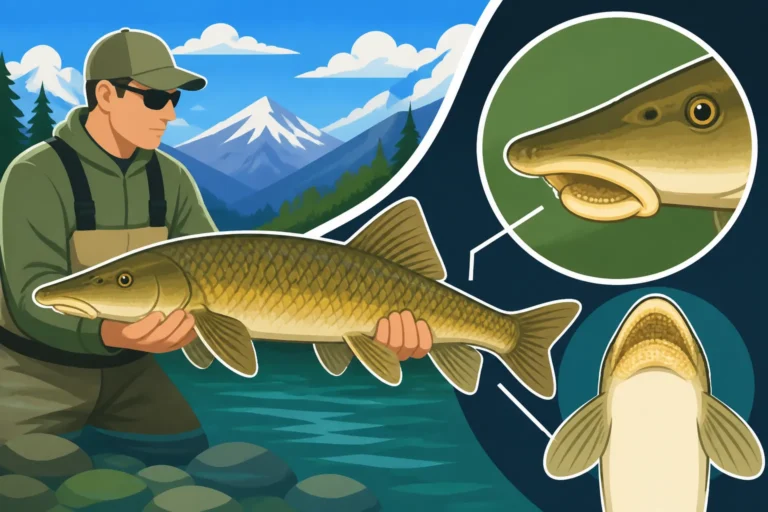
Another crucial area for identification is the head, specifically the mouth and jaw structure. Rainbow trout generally have a mouth that extends back to, or just slightly beyond, the middle of the eye. Their jawline is typically quite straight and less pronounced than some cutthroat subspecies. The key is to look at the teeth. Rainbow trout have small, conical teeth, but they don't have the "basibranchial teeth" (sometimes called hyoid teeth) that are a reliable indicator of cutthroat trout. These are small teeth located on the floor of the mouth, between the gill arches. While it can be tricky to check this on a live fish without causing undue stress, it's a definitive biological marker.
The gill plates of a rainbow trout are usually smooth, often exhibiting the same silver or brassy sheen as their flanks, sometimes with a faint rosy blush. There are no prominent red or orange "slashes" directly under the jaw where the gill plate meets the isthmus (the fleshy part connecting the lower jaw to the body), which is the most defining characteristic of a cutthroat trout. When trying to identify a fish, gently hold it still in the water and observe these areas closely before making your decision.
The Defining Characteristics of Cutthroat Trout
Cutthroat trout are native gems, truly iconic to the American West, and Colorado is incredibly proud of its diverse native cutthroat populations. While they share many similarities with rainbow trout, their unique features, particularly the vibrant marking that gives them their name, make them distinguishable with a careful eye.
The Iconic "Cut" Mark
The absolute, unquestionable, no-doubt-about-it most definitive characteristic of a cutthroat trout is the presence of the "cut" mark. This isn't a scar or an injury, but rather a pair of distinctive red, orange, or sometimes even yellow markings found in the folds of skin on the underside of the lower jaw, usually between the gill plates. These slashes look almost like a cut, hence the name. The intensity and size of these marks can vary, from bright crimson on a vibrant fish to a subtle, pale orange on a fish in drabber colors or a different subspecies. However, they are almost always present.
To see this, you might need to gently lift the fish's head slightly out of the water (while keeping its body submerged) and look underneath. A good pair of polarized sunglasses can help reduce glare and make the mark more visible. If you see those vibrant slashes, you've got a cutthroat. If you don't, it's highly unlikely to be a pure cutthroat. This single feature is the most reliable way to tell them apart, often making all other identification points secondary, though still useful for confirmation. Colorado's Native Cutthroat Trout Subspecies provides a deeper dive into the varieties we have here.
Body Coloration and Spotting Patterns
While the "cut" is primary, cutthroat trout also have distinct body coloration and spotting patterns that help differentiate them. Their base body color can range from silvery-gray to olive green or even a rich golden-bronze, depending on the subspecies and habitat. Generally, they tend to be a bit more muted in overall color compared to the vivid iridescence often seen on rainbows, though a healthy cutthroat can be stunning.
The spotting on a cutthroat is also usually quite different. While rainbow trout have many small, evenly distributed spots, cutthroat trout typically have spots that are more concentrated towards the tail, often becoming larger and more irregular in shape as they near the caudal fin. Furthermore, cutthroat often have spots that extend prominently below the lateral line, sometimes almost down to the belly, a trait less common in rainbows. The spots can sometimes appear more like scattered ink blots rather than a uniform speckling. Remember, if you’re trying to identify it quickly, a small waterproof field guide, perhaps found on Amazon, can be a lifesaver.
Fin and Jaw Differences
Looking at the fins and jaw can also provide clues, though these might be more subtle than the cut mark or spotting. Cutthroat trout generally have a more pointed snout compared to the blunter snout of a rainbow. Their maxillary bone (the upper jaw bone) often extends noticeably beyond the eye, sometimes quite a bit further back than on a rainbow, giving them a slightly more "toothy" or predatory appearance, though this can vary by subspecies.
As mentioned earlier, cutthroat trout possess a unique biological feature: basibranchial (or hyoid) teeth. These are small, rough teeth located on the tongue or the floor of the mouth. While hard to see in a quick glance and potentially stressful for the fish to inspect, their presence is a definitive scientific identifier for a cutthroat. From a visual standpoint, their fins might also show a slightly different shape or coloration, but these are secondary characteristics to the distinct cut and spotting pattern.
The Complication: Cutbows and Other Hybrids
Just when you think you've got the identification down, Colorado throws a curveball: the cutbow. These hybrids are the result of rainbow and cutthroat trout interbreeding, and they can make identification a real challenge. Understanding what a cutbow is, and why they look the way they do, is critical for any serious Colorado angler.
The "Cutbow" Phenomenon
A "cutbow" is exactly what it sounds like: a hybrid fish resulting from the cross-breeding of a cutthroat trout and a rainbow trout. This happens naturally in waters where both species coexist and sometimes occurs in hatcheries as well. The presence of cutbows is one of the primary reasons distinguishing pure cutthroat from rainbows can be so tricky, and why it's so important for native cutthroat conservation. When two distinct species interbreed, their offspring often exhibit a mix of traits from both parents, making a clear-cut identification difficult. What Makes a Cutbow a Hybrid delves into the genetic specifics of this interesting cross.
Imagine a cutbow as a genetic blending. It might have a faint pink stripe like a rainbow, but also some reddish slashes under the jaw like a cutthroat. Or it could have the spotting pattern of a cutthroat but lack any hint of the "cut." There's a wide spectrum of appearances for cutbows, which is why relying on just one or two characteristics can sometimes lead you astray. These fish can be incredibly robust and beautiful, often growing large and putting up a tremendous fight, but their existence in native cutthroat waters is a concern for genetic purity.
Variable Appearances and Identification Challenges
The main challenge with cutbows is their unpredictable appearance. Unlike purebreds, which have a fairly consistent set of identifiable traits, cutbows can express any combination of rainbow and cutthroat features. You might catch a fish with a prominent pink lateral band and obvious red "cut" marks. Or you could find one with the heavy tail spotting of a cutthroat but only a faint, almost invisible, cut. This variability makes on-the-spot identification difficult, even for experienced anglers.
When faced with a fish that seems to have a mix of traits, it’s often best to err on the side of caution, especially if you're in water known to hold native cutthroat. If regulations dictate catch-and-release for cutthroat, treat any ambiguous fish as a cutthroat. This responsible approach helps protect native populations. Tools like a waterproof fish identification card, which you can easily stash in your fishing vest or order from Amazon, can be helpful. Ultimately, understanding that these hybrids exist prepares you for the possibility that not every fish will fit neatly into one category. Telling a Cutbow From a Pure Cutthroat offers more specific tips for this particular dilemma.
Where You'll Find Them in Colorado
Colorado's diverse aquatic environments mean you can find various trout species across the state, but rainbows and cutthroat tend to inhabit different types of waters, and understanding these typical distributions can be another powerful clue in identification. Knowing the general whereabouts of each species can help you make an educated guess even before you get a good look at the fish.
Rainbow Trout Strongholds
Rainbow trout are widely distributed across Colorado, making them one of the most common targets for anglers. You'll find them abundantly in many of our popular rivers, streams, and especially reservoirs. This is largely because they are a heavily stocked species. Colorado Parks and Wildlife (CPW) regularly stocks millions of rainbow trout each year into various public waters to enhance recreational fishing opportunities. These stocked fish grow quickly and thrive in a wide range of conditions, from high-altitude lakes to urban ponds.
Look for rainbows in most of Colorado's major tailwater fisheries—those rivers flowing directly out of large reservoirs, like the South Platte River below Cheesman Reservoir or the Fryingpan River below Ruedi Reservoir. These waters provide consistent cold water temperatures and abundant food, allowing stocked rainbows to flourish and grow quite large. You'll also find them in countless high-country lakes and smaller streams, often alongside brook trout. Many of the "catchable" trout you target in easily accessible spots near towns and cities are likely rainbows. If you're fishing a highly managed, regularly stocked lake or river, chances are high you're primarily dealing with rainbows.
Native Cutthroat Waters
Finding native cutthroat trout, on the other hand, often requires a bit more effort and sometimes a hike into more remote areas. These fish are typically found in pristine, colder, and often higher-elevation waters, including alpine lakes, wilderness streams, and headwater tributaries that are isolated from other trout species. These isolated habitats have acted as refugia, protecting pure strains of cutthroat from hybridization with non-native rainbows.
For instance, the Colorado River cutthroat is typically found in the drainages of the Colorado River system, often in small, clear mountain streams in the western part of the state. The Rio Grande cutthroat populates the headwaters of the Rio Grande basin in the San Luis Valley, and the greenback cutthroat, Colorado's state fish, is found in specific, carefully managed streams on the Front Range. Where to Find Rio Grande Cutthroat in the San Luis Valley and Colorado River Cutthroat Trout, Where to Find Them offer more precise locations. These waters are often part of specific conservation programs, and regulations for fishing them can be much stricter to protect these vulnerable populations. If you've hiked miles into a wilderness area to a small, pristine stream or lake, there's a good chance any trout you catch will be a native cutthroat or brook trout. Always check the CPW website or the annual fishing regulations for specific waters known to hold native cutthroat, as these often have special rules.
Practical Tips for Field Identification
Even with all the knowledge in the world, identifying a fish quickly and accurately in the field can be challenging. Fish move, water distorts, and the urgency of a quick release often makes close inspection difficult. However, there are some practical tips and techniques you can employ to improve your chances of correct identification and ensure a healthy release.
Visual Cues and Angles
The key to good field identification is observing the fish from multiple angles, as quickly and gently as possible. When you land a fish, try to keep it in the water or in a net submerged in water as much as possible. This reduces stress on the fish. Instead of immediately unhooking, take a moment to observe its full body. Look for the overall coloration, the distribution of spots, and, most importantly, the presence or absence of those distinctive red/orange slashes under the jaw.
If the fish is large enough and you can safely cradle it, gently lift its head just enough to get a clear view of the underside of the jaw. Rotate the fish slightly to catch the light, as the "cut" mark can sometimes be subtle. Pay attention to the spots: are they evenly distributed and fine, or coarser and concentrated towards the tail? Do they extend below the lateral line? Having a pair of polarized sunglasses on can significantly cut through water glare, making it easier to see these subtle features, especially the "cut" mark. For those times when you're just not sure, having a small, durable camera (even your phone in a waterproof case) can allow you to snap a quick photo for later review, without harming the fish.
The Power of Photography and Field Guides
In today's world, a smartphone can be an invaluable tool for fish identification. Before your trip, download a few good fish identification apps or save some high-resolution images of rainbow and cutthroat trout to your phone. Better yet, invest in a small, waterproof field guide specific to Colorado trout species. You can find excellent options on Amazon. These guides often have clear photos and diagrams highlighting the key differences.
When you catch a fish you're unsure about, take a quick, clear photo. Try to get shots from the side, a close-up of the head and jaw, and if possible, a view of the underside of the jaw. Then, you can quickly compare it to your field guide or apps. If you're fishing with a partner, two sets of eyes are always better than one. Discuss what you're seeing. The goal is to make a confident identification before deciding whether to release or harvest, ensuring you adhere to local regulations and contribute to responsible conservation. Always remember, the welfare of the fish comes first, so keep handling time to an absolute minimum.
Observing Behavior (and why it's less reliable)
While physical characteristics are the primary means of identification, some anglers might wonder if behavior can offer clues. For example, some might say that native cutthroat are warier or that rainbows fight harder. While there might be anecdotal observations, relying on behavior for species identification is generally not reliable, especially in a mixed fishery.
Fish behavior is heavily influenced by a multitude of factors: water temperature, time of day, feeding patterns, individual temperament, and even angling pressure. A wild rainbow in a remote stream might be just as wary as a native cutthroat, and a hatchery-raised cutthroat in a stocked pond might fight with the same vigor as a rainbow. Therefore, while observing a fish's fight or its reaction to your presence might be interesting, it should never be used as a primary or even secondary identifier for distinguishing between a rainbow and a cutthroat trout. Stick to the visual cues, as they are the most consistent and accurate indicators. For general information on various species, check out Colorado's Trout Species, A Field Guide.
Comparison of Rainbow and Cutthroat Trout Characteristics
To help summarize the key differences, here's a handy table comparing rainbow and cutthroat trout. This isn't exhaustive, but it hits the most common and reliable identification points.
| Feature | Rainbow Trout | Cutthroat Trout |
|---|---|---|
| "Cut" Mark | Absent | Present: Distinct red, orange, or yellow slashes under jaw |
| Lateral Band | Often has a prominent pink or red horizontal stripe | Usually absent or very faint |
| Body Color | Silvery to olive green, white belly | Silvery, olive, or golden-bronze (varies by subspecies) |
| Spots | Numerous, small, often even, usually above lateral line | Scattered, often larger, irregular, concentrated toward tail, often extending below lateral line |
| Snout/Jaw | Blunter snout, jaw extends to mid-eye or slightly beyond | Often more pointed snout, jaw extends noticeably beyond eye |
| Basibranchial Teeth | Absent | Present (small teeth on floor of mouth) |
| Typical Habitat | Widely stocked, rivers, tailwaters, reservoirs | Native, higher elevation, isolated streams & lakes, wilderness areas |
Remember, these are general guidelines, and hybrids (cutbows) can display a mix of these features. When in doubt, always consult regulations and consider releasing the fish to protect native populations.
Conclusion
Successfully distinguishing between a rainbow trout and a native cutthroat trout in Colorado is a skill that enhances your fishing experience and elevates you to a more responsible angler. It’s about more than just knowing what you caught; it's about being an active participant in conservation efforts and respecting the nuanced regulations designed to protect these incredible fish for generations to come. By paying close attention to the presence of the iconic "cut" mark, the pattern of spots, and the overall coloration, you'll be well on your way to confidently identifying your catch. While cutbows can throw a wrench in the works, a careful observation, perhaps aided by a good field guide or a quick photo, will usually get you there. So next time you're out on a pristine Colorado river or high-country lake, take a moment to truly appreciate the unique beauty of the fish in your hand, and know exactly what you've got.
Disclaimer
This article is for general informational purposes only and does not constitute professional advice. Laws, prices and regulations vary by location and change over time. Consult a qualified professional for guidance on your specific situation.