How the Greenback Cutthroat Is Recovering in Colorado
It's truly heartbreaking to think about losing a piece of Colorado's natural heritage, and for many years, that was the grim reality facing our magnificent Greenback Cutthroat Trout. Their population plummeted, pushed to the brink by human activity and habitat loss, leaving many to wonder if we'd ever see them thrive again. This guide will walk you through the incredible journey of how this iconic fish is being brought back from the edge, detailing the challenges overcome and the ongoing efforts to restore them to Colorado's pristine waters.
The Historical Plight of Colorado's Greenback Cutthroat
Imagine a time when the rivers and streams running through the Front Range of Colorado teemed with vibrant, crimson-slashed trout, flashing through crystal-clear waters. That was the reality for the Greenback Cutthroat for millennia. Then, in the blink of an eye, geologically speaking, their world was turned upside down. It’s a story of rapid decline, one that weighs heavily on the hearts of conservationists and anglers alike, reminding us of the fragility of our ecosystems.
Early Abundance and Rapid Decline
Before the westward expansion brought settlers and industry to Colorado, Greenback Cutthroat Trout were the dominant native trout species east of the Continental Divide. They were literally everywhere – from the high alpine lakes to the rolling plains rivers. Early accounts describe anglers catching them by the bucketful, a testament to their incredible numbers. However, with the arrival of widespread mining, logging, and agriculture in the mid to late 1800s, their pristine habitats began to suffer. Silt from mining operations choked spawning beds, logging practices destabilized stream banks, and diversions for irrigation dramatically altered water flows.
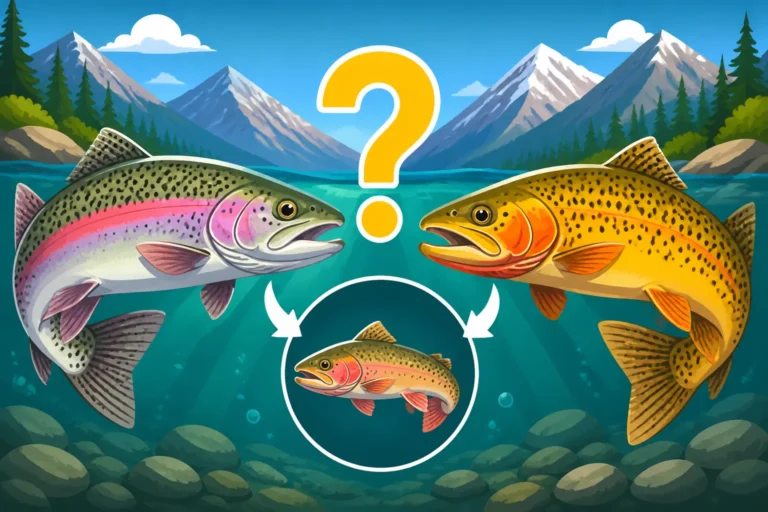
But perhaps the most insidious threat came from the introduction of non-native fish species. Rainbow trout, brown trout, and brook trout, brought in from other regions, were often seen as superior for sport fishing or simply introduced without understanding the ecological consequences. These non-native species competed with Greenbacks for food and habitat, preyed on their young, and, most critically, hybridized with them. A pure Greenback Cutthroat became increasingly rare, a tragic example of how seemingly beneficial actions can inadvertently decimate a native population. It's a tough lesson to learn, but one that underscores the importance of protecting our native species.
The Misidentification Mistake and Near Extinction
For a long time, scientists and anglers believed the Greenback Cutthroat Trout was extinct. The last known wild population was thought to have disappeared by the 1930s. What followed was a period of intense conservation efforts focused on a population of cutthroat in the Arkansas River drainage, which everyone assumed were the last true Greenbacks. It was a beacon of hope, a desperate attempt to cling to what little remained.
However, a groundbreaking genetic study conducted in the late 1990s and early 2000s delivered a stunning, and initially disheartening, blow: the fish in the Arkansas River were not genetically pure Greenbacks. They were actually Colorado River Cutthroat Trout, another native subspecies, but not the one everyone had been trying to save. This revelation plunged the conservation community into a new phase of despair. The Greenback, the state fish, was truly thought to be gone. It felt like a gut punch after decades of dedicated work. It's a poignant reminder of how complex species identification can be and how easily we can lose track of what's truly native when changes happen so quickly. This historical misstep really highlighted the desperate need for precise genetic tools to truly understand and protect our fish populations.
The Herculean Effort to Bring Back a Native Icon
The journey to bring the Greenback Cutthroat back from the brink has been nothing short of epic. It's a testament to incredible scientific dedication, collaborative spirit, and plain old hard work. Once the misidentification was cleared up, the path forward became both clearer and more challenging, requiring a multi-faceted approach to reverse over a century of decline.
Identifying the True Greenback
The discovery that the "Arkansas River Greenbacks" were actually Colorado River Cutthroat left a void, but also spurred an intensified search for the real Greenback Cutthroat. This quest led geneticists and field biologists to scour remote, often overlooked headwater streams, particularly in the South Platte River drainage. They took fin clip samples from isolated populations of cutthroat trout, painstakingly analyzing their DNA. Imagine the tension and excitement in the labs, waiting for those results! Finally, a breakthrough: a small, isolated population of cutthroat trout in the headwaters of a stream called Como Creek, high in the remote reaches of Rocky Mountain National Park, was confirmed through genetic analysis to be the true, pure Greenback Cutthroat.
This discovery, while thrilling, also underscored the immense challenge. The Como Creek population was tiny and isolated, living in a difficult-to-access area. It was literally a handful of fish clinging to survival. Other pure populations were later found in a few other isolated streams, like one in the Sand Creek drainage within the park. These tiny pockets became the genetic foundation for the entire recovery effort. It was like finding a few precious jewels after everyone thought the mine was empty. This precise genetic work was crucial, offering a definitive starting point for targeted recovery efforts and proving why proper identification is so vital. You can learn more about Colorado's State Fish, the Greenback Cutthroat Trout in another article.
Collaborative Conservation Initiatives
Bringing an endangered species back requires more than just good science; it demands an army of dedicated people and organizations working together. The Greenback recovery effort has become a shining example of this collaborative spirit. Colorado Parks and Wildlife (CPW) is at the forefront, but they are far from alone. Federal agencies like the U.S. Fish and Wildlife Service, the National Park Service, and the U.S. Forest Service, along with universities and countless non-profit conservation groups, have all joined forces.
This collaboration involves everything from hatchery propagation to extensive field work. Greenback Cutthroat are carefully collected from their source populations, spawned in specialized hatcheries, and then raised to a size where they can be safely reintroduced into carefully prepared streams. It’s a delicate dance, ensuring genetic diversity and viability while scaling up populations. The effort to secure funding and volunteers is ongoing, often relying on public support and grants to keep these vital programs running. Even local angling clubs play a huge role, contributing volunteer hours and funds. It’s a real community effort, showing what can be achieved when everyone pulls in the same direction.
Habitat Restoration and Non-Native Fish Removal
Before Greenbacks can be successfully reintroduced, their chosen habitats must be ready. This often involves extensive restoration work, which can be physically demanding and time-consuming. Imagine crews working in remote canyons, sometimes carrying equipment miles into the backcountry. Barriers might be constructed to prevent non-native fish from moving upstream into recovery zones, ensuring the genetic purity of the Greenbacks. This could be anything from a carefully designed waterfall to a specialized fish barrier.
Crucially, existing non-native fish populations must often be removed from these target streams. This is a difficult, sometimes controversial, but absolutely necessary step. Methods can include electroshocking, which temporarily stuns fish so non-native species can be removed while native ones are relocated, or even using piscicides (fish-specific pesticides) in very controlled environments. The goal is to create a clean slate, a safe haven where Greenbacks can thrive without competition or hybridization. After the removal, habitat improvements like planting native vegetation to stabilize banks, adding in-stream structures for cover, and managing water quality are all part of the continuous effort. It's a labor of love, really, ensuring that these restored waters are truly suitable homes for a returning native. This kind of work is vital to prevent the issues that originally led to Why the Greenback Cutthroat Almost Went Extinct.
Where Greenbacks are Making a Stand Today
The recovery isn't just a hopeful dream; it's a living reality playing out in streams across Colorado. While these populations are still vulnerable and carefully managed, seeing these native fish thrive in their ancestral waters is incredibly rewarding.
Specific Reintroduction Waters
Thanks to years of dedicated effort, pure Greenback Cutthroat Trout have been successfully reintroduced into dozens of streams within their historic range, primarily in the South Platte River Basin. These are often small, high-elevation tributaries that are naturally isolated, making them easier to protect from non-native species. For example, populations have been established in various streams within Rocky Mountain National Park and other national forest lands. These locations are carefully chosen, evaluated for suitable habitat, water quality, and their ability to sustain a self-reproducing population.
The process of reintroduction is meticulous. Hatchery-raised Greenbacks, sometimes as small as fingerlings, are carefully transported to these remote streams, often by backpack, helicopter, or even horseback. Each fish is a precious cargo, representing years of genetic research and conservation work. While specific locations are sometimes kept less publicized to protect these sensitive populations, the overall network of recovery waters is steadily growing. It’s a slow and steady process, but each successful reintroduction brings us one step closer to a robust, resilient Greenback population.
The Challenges of Sustained Recovery
Despite these amazing successes, the journey for the Greenback is far from over. There are ongoing challenges that require constant vigilance and adaptation. Maintaining genetic purity is paramount; even a single instance of hybridization with another cutthroat subspecies could undermine years of effort. This means continuous monitoring of populations and aggressive management of non-native fish when they are detected.
Climate change presents another significant threat. Warmer water temperatures can stress trout, reduce oxygen levels, and make streams more susceptible to disease. Prolonged droughts can shrink habitats, isolating populations and increasing competition. CPW and its partners are constantly evaluating stream flows and water temperatures, sometimes even needing to rescue fish from drying streams or adjust stocking plans based on environmental conditions. Funding is always a concern as well; these programs are expensive and require consistent investment. It's a delicate balancing act, trying to ensure the long-term viability of a species in an ever-changing world. The goal isn't just to bring them back, but to ensure they stay back, which is a much bigger undertaking.
| Challenge | Description | Impact on Greenback Recovery |
|---|---|---|
| Genetic Purity | Preventing interbreeding with non-native cutthroat subspecies. | Risks diluting the true Greenback genetics, reversing decades of effort. |
| Habitat Degradation | Effects of historical land use, water diversions, and modern development. | Reduces available suitable habitat, impacting spawning and survival. |
| Non-Native Species | Competition, predation, and hybridization from introduced trout (rainbow, brook, brown). | Direct threat to Greenback survival and genetic integrity. |
| Climate Change | Rising water temperatures, altered precipitation patterns, and increased drought frequency. | Stresses fish, reduces habitat, increases disease susceptibility, threatens long-term viability. |
| Funding & Resources | Securing consistent financial and human resources for ongoing monitoring, restoration, and reintroductions. | Limits the scale and pace of recovery efforts, delays progress. |
| Public Awareness | Ensuring anglers and outdoor enthusiasts understand the importance and regulations for Greenbacks. | Accidental harvesting or mishandling can impact small, vulnerable populations. |
How Anglers Can Support the Greenback's Future
As anglers, we have a unique connection to these waters and a vital role to play in the Greenback's continued recovery. It’s about being responsible stewards of our natural resources and contributing to something bigger than just our next catch. Every little bit helps, and it starts with awareness and thoughtful action.
Catch-and-Release Practices
When you're fishing in waters where Greenback Cutthroat Trout might be present, or truly any wild trout, practicing proper catch-and-release is absolutely essential. These fish are precious, and even a small injury can compromise their survival. This means using appropriate gear, like barbless hooks, which are often required in many sensitive waters and are easy to crimp down on any hook you buy. You can find excellent quality barbless hooks and tools on Amazon for converting your existing hooks.
Handle fish minimally and gently, keeping them in the water as much as possible. If you need a photo, do it quickly, with wet hands, and support the fish horizontally. A soft, rubberized landing net, also readily available on Amazon, is crucial for minimizing harm to their delicate scales and fins. Avoid dragging them on rocks or dry ground. The goal is to release them healthy and strong, ready to spawn and contribute to the population. Understanding Catch-and-Release Rules on Colorado's Cutthroat Waters and Why Some Colorado Rivers Require Barbless Hooks are important steps.
Understanding and Following Regulations
Colorado Parks and Wildlife meticulously develops fishing regulations designed to protect vulnerable species like the Greenback Cutthroat. It is absolutely critical for every angler to understand and strictly adhere to these rules. This includes specific bag and possession limits, size restrictions, and bait restrictions, which can vary significantly depending on the body of water. Some recovery waters may be designated as catch-and-release only, or have specific restrictions on tackle. Ignorance of the rules is never an excuse, and a violation could be detrimental to a fragile Greenback population.
Before you head out, always check the current Colorado fishing regulations brochure, which you can often find online or at any license vendor. Pay close attention to the specific water you plan to fish, as rules can change even on different stretches of the same river. Your fishing license purchase also directly supports these conservation efforts, as a portion of the funds go towards habitat restoration and species recovery programs. Check out our Colorado Fishing Regulations Every Angler Should Know for a detailed breakdown.
Supporting Conservation Efforts
Beyond responsible angling, there are other ways you can actively contribute to the Greenback's future. The most direct financial contribution is often through the purchase of your Colorado's Habitat Stamp, Explained. This stamp, required for most anglers and hunters, provides crucial funding for wildlife management, habitat protection, and species reintroduction programs across the state. It's a small fee that makes a huge difference, and understanding Why Colorado Charges a Habitat Stamp on Top of a License can really put things into perspective.
Consider becoming involved with local conservation organizations. Many groups regularly organize volunteer days for stream cleanups, habitat restoration projects, or even fish monitoring efforts. Your time and effort can have a tangible impact on the ground. Education is also key: share your knowledge about the Greenback with other anglers, friends, and family. Encourage responsible practices and an appreciation for Colorado's native fish. You can even find books on native trout identification and conservation efforts on Amazon, which can deepen your understanding and allow you to educate others. Every single action, from buying a license to volunteering your time, helps ensure that the Greenback Cutthroat Trout continues its incredible comeback story for generations to come.
Disclaimer
This article is for general informational purposes only and does not constitute professional advice. Laws, prices and regulations vary by location and change over time. Consult a qualified professional for guidance on your specific situation.