What Is a Wiper, and Is It a Real Species?
Many anglers hitting Colorado's warmwater lakes and reservoirs have heard whispers of a hard-fighting fish called a "wiper." Perhaps you've even landed one yourself, wondering if it's some kind of mutated bass or just a really beefy white bass. The confusion is completely understandable; these powerful fish share characteristics with other species, making identification a bit tricky, and their very existence raises questions about what a "real species" actually is. This guide is here to clear up the mystery, explaining exactly what a wiper is, why they're such a popular target in Colorado, and how you can get one on the end of your line.
What Exactly Is a Wiper? Demystifying the Hybrid
Let's cut to the chase: A wiper isn't a naturally occurring species in the biological sense that a rainbow trout or a largemouth bass is. Instead, it's a fascinating and intentional hybrid fish, a crossbreed created by fisheries biologists for specific angling and ecological purposes. Think of it like a mule – a hybrid of a horse and a donkey – not a horse or a donkey itself, but a distinct and highly functional animal in its own right. The wiper is similar, bringing together the best traits of its parent species.
The Striper-White Bass Connection: Parental Lineage
The "wiper" is scientifically known as a hybrid striped bass, and its name tells you exactly what its parents are: a striped bass (Morone saxatilis) and a white bass (Morone chrysops). These two species belong to the same genus, Morone, which makes their cross-breeding possible, much like different types of dogs can breed. Usually, wipers are created by crossing a female striped bass with a male white bass, though the reverse cross (female white bass, male striped bass) also exists and might be called a "whiterock bass." In Colorado, when we talk about wipers, we're generally referring to this hybrid.
The reason for creating this hybrid is multifaceted. Striped bass are incredibly powerful, large, and popular sportfish, but they require vast, often oceanic or massive river systems with specific conditions to thrive and reproduce naturally. White bass are smaller but prolific, adaptable, and also excellent sportfish, often found in inland lakes and rivers. By combining them, fisheries managers aim to create a fish that inherits the larger size and fighting prowess of the striped bass, but with the hardiness and adaptability of the white bass, allowing it to flourish in landlocked reservoirs where pure striped bass wouldn't naturally reproduce or sustain a population.
Identifying a Wiper: Key Characteristics
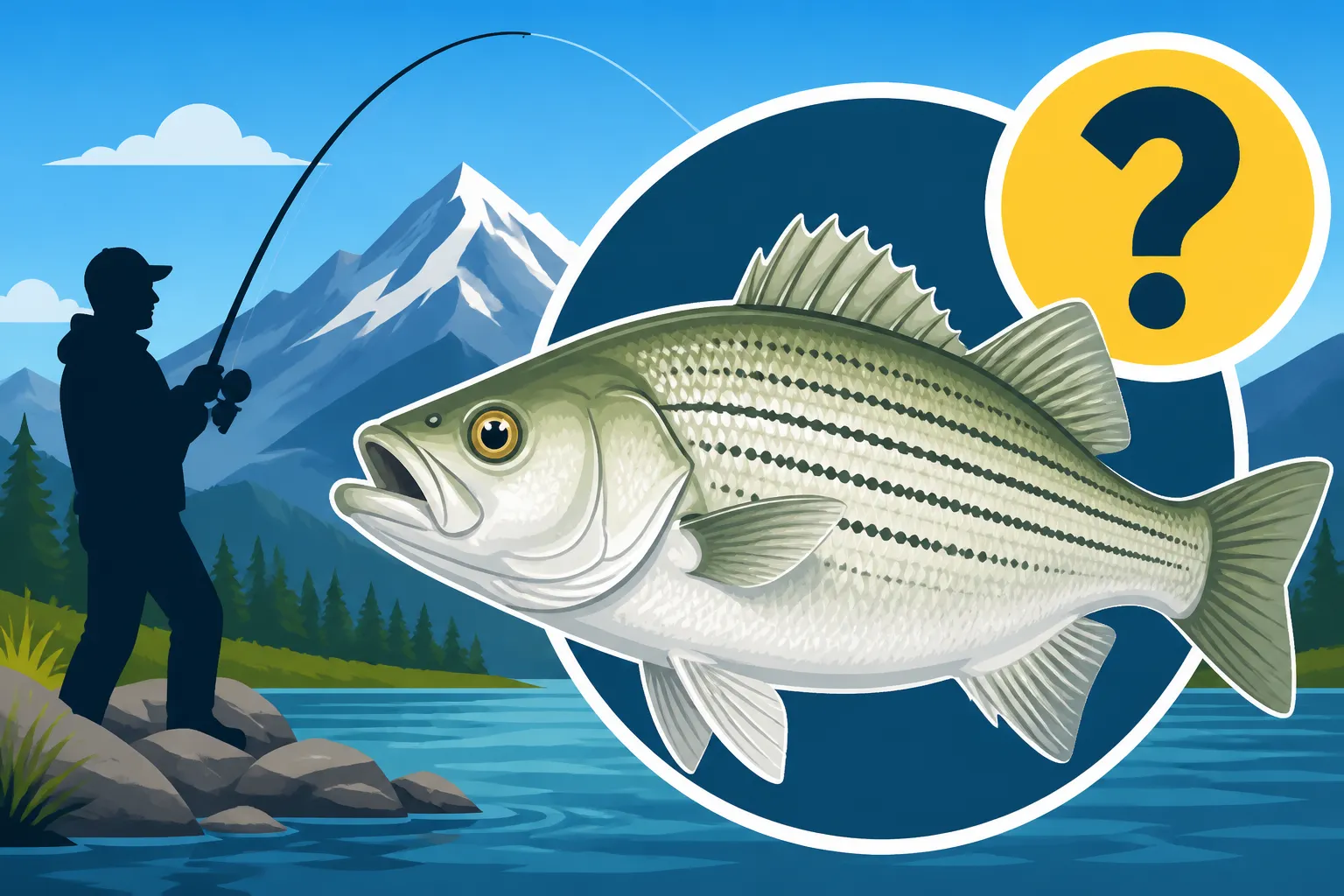
So, how do you tell a wiper from its parent species, especially when you're out on the water? It can be tricky, but there are some reliable visual cues. Both striped bass and white bass have distinct horizontal stripes along their bodies. The key difference lies in the continuity of those stripes on the wiper.
- White Bass: Typically has several distinct, unbroken dark stripes running horizontally from behind the gill plate to the tail. They tend to be a more compact, deeper-bodied fish for their length.
- Striped Bass: Also has distinct horizontal stripes, usually more numerous than a white bass, and most of these stripes are unbroken and very prominent, extending the full length of the body. Stripers tend to be more torpedo-shaped, especially when they grow large.
- Wiper: This is where it gets interesting! Wipers usually have stripes that are broken or interrupted, particularly below the lateral line. You might see several distinct breaks in the stripes, or they might appear fragmented and irregular compared to the clean lines of their parents. Their body shape is generally intermediate between the two, often stockier than a pure striper but longer than a white bass.
Here's a quick comparison table to help you distinguish them in the field:
| Feature | White Bass | Wiper (Hybrid Striper) | Striped Bass |
|---|---|---|---|
| Body Shape | Deep-bodied, compact | Intermediate, robust, slightly elongated | Torpedo-shaped, elongated |
| Stripes | Generally 1-2 distinct, unbroken stripes above lateral line; lower stripes often faint. | Stripes often broken, irregular, or disjointed, especially below lateral line. | Many distinct, unbroken stripes along entire body. |
| Dorsal Fins | Two dorsal fins, usually clearly separated. | Two dorsal fins, often connected at the base. | Two dorsal fins, usually clearly separated. |
| Tongue Patches | One tooth patch on tongue (sometimes none). | Two distinct tooth patches on tongue. | Two distinct tooth patches on tongue. |
The tongue patch is a definitive way to identify them, but it requires getting your fingers into the fish's mouth, which isn't always practical or safe when you've just landed a feisty fish. The broken stripe pattern is usually the easiest visual indicator.
Why Colorado Loves Wipers: Angling and Ecological Benefits
For Colorado anglers, the wiper is a celebrated addition to many reservoirs. They offer a fantastic fishing experience, combining aggressive strikes with powerful fights, making them a true sportfish. But beyond the thrill of the catch, wipers also play a crucial role in managing the fisheries where they are stocked.
The Thrill of the Fight: Why Anglers Seek Them Out
If you've ever hooked a wiper, you know exactly what I'm talking about. These fish hit lures with an undeniable smash and then proceed to put up a phenomenal fight. They're known for their powerful runs, head shakes, and incredible stamina. Unlike some other species that might give up quickly, a wiper will test your tackle and your angling skills right to the boat. This makes them an incredibly rewarding fish to target, especially for those seeking a true adrenaline rush on the water.
Imagine you're casting a crankbait along a submerged hump at Chatfield Reservoir, and suddenly your rod is nearly ripped from your hands. That's a classic wiper strike. They're often found in schools, so where you catch one, there are likely more. This schooling behavior can lead to incredible fast-action days, where you're constantly reeling in powerful fish. Many anglers consider them one of the hardest-fighting freshwater fish in Colorado, on par with or even exceeding the initial run of a trophy rainbow or brown trout. Their sheer strength makes them a top target for many who visit places like Fishing Chatfield Reservoir or Fishing Cherry Creek Reservoir.
Ecological Role in Colorado Reservoirs
Beyond being a fantastic game fish, wipers serve an important ecological function in Colorado's reservoir ecosystems. They are primarily piscivorous, meaning they love to eat other fish. This makes them excellent natural predators for controlling populations of prolific baitfish species like gizzard shad, which can sometimes outcompete native fish or overpopulate a reservoir, leading to stunted growth in other species. By stocking wipers, fisheries managers can introduce a biological control that helps maintain a healthier balance within the aquatic community.
Crucially, wipers are sterile. Because they are a hybrid of two distinct species, they generally cannot reproduce effectively in the wild. This sterility is a huge advantage for fisheries management. It means that while they can be stocked to provide sport fishing opportunities and manage baitfish, they won't establish self-sustaining wild populations that could potentially disrupt the delicate balance of Colorado's native fish ecosystems, which is a major concern with invasive species. Every wiper in a Colorado reservoir is there because Colorado Parks and Wildlife (CPW) put it there, allowing for precise control over their numbers and distribution. This careful management ensures they enhance, rather than harm, the local environment, fitting into the broader picture of Colorado Fishing Regulations Every Angler Should Know.
Where to Catch Wiper in Colorado: Prime Locations
Wipers thrive in large, open-water reservoirs, especially those with good populations of baitfish. In Colorado, they've been successfully introduced into several key locations, offering anglers some fantastic opportunities to target these powerful hybrids.
Front Range Hotspots for Wiper Fishing
While wipers can be found in a number of Colorado reservoirs, the Front Range offers some particularly accessible and productive hotspots. These waters often have the perfect combination of habitat and forage for wipers to grow large and healthy.
- Chatfield Reservoir (Littleton): This is arguably one of Colorado's premier wiper fisheries. Chatfield's sprawling waters, varied depths, and abundant shad populations make it ideal. Anglers here often target wipers throughout the main lake, especially near submerged structures, creek channels, and points where baitfish congregate. Early mornings and evenings often see wipers actively chasing bait near the surface. You can learn more about fishing this popular spot in Fishing Chatfield Reservoir.
- Cherry Creek Reservoir (Aurora): Another popular Denver-area reservoir, Cherry Creek also boasts a strong wiper population. Similar to Chatfield, looking for baitfish schools and underwater structure is key. Wipers here can grow to impressive sizes, offering a thrilling fight right outside the city. Fishing Cherry Creek Reservoir provides more details on this urban angling gem.
- Pueblo Reservoir (Pueblo): Heading south, Pueblo Reservoir is renowned for its diverse fishery, and wipers are a significant draw. The warm waters and expansive open areas provide excellent habitat. Anglers targeting wipers at Pueblo often have success trolling or casting large lures in deeper sections or around points and humps.
These reservoirs, among others like Boyd Lake, Carter Lake, and Horsetooth Reservoir, are managed to sustain healthy wiper populations. When planning your trip, it's always a good idea to consult the Colorado Parks and Wildlife stocking reports and the Colorado's Fishing Atlas Shows You to get the most current information on where wipers are being stocked and what specific regulations might apply.
Best Times and Techniques for Targeting Wiper
Wipers are opportunistic predators, and their feeding behavior is largely dictated by water temperature and the presence of their preferred forage. Understanding these patterns can greatly increase your success.
During spring, as water temperatures rise, wipers become very active. They'll often move into shallower areas to feed, especially as baitfish also become more active. This is a great time for casting jerkbaits, swimbaits, or even spinnerbaits near shorelines, points, and coves. The early season can offer some of the most aggressive bites.
Summer sees wipers often moving to deeper, cooler water during the heat of the day, but they will still push bait to the surface during low light conditions (dawn and dusk) or on overcast days. Trolling deep-diving crankbaits or spoons can be effective, as can vertically jigging spoons or heavy swimbaits over submerged structure. When they are aggressively feeding on the surface, a topwater lure can create an explosive and unforgettable strike. It's a completely different challenge than targeting a species like Colorado's Daily Walleye Limit or Colorado's Daily Northern Pike Limit, which often prefer different depths and structures.
Fall is another prime time for wiper fishing as water temperatures cool, and they go on a feeding frenzy to bulk up for winter. They'll often school up even tighter, chasing baitfish relentlessly. This can lead to incredible fishing, with wipers hitting anything from casting spoons to lipless crankbaits and large soft plastics. They might not be as active as during peak summer, but their powerful strikes remain.
Fishing for Wiper: Tips, Gear, and Regulations
Successfully targeting wipers requires the right gear and an understanding of the local regulations. These fish are strong, so you'll want to be prepared.
Essential Gear for Wiper Anglers
Because wipers are such powerful fighters, your tackle needs to be up to the task. You don't want to bring a knife to a gunfight, and a light trout rod won't cut it for a hard-charging wiper.
- Rod and Reel: A medium-heavy to heavy spinning or casting rod, typically 6'6" to 7'6" in length, is ideal. This gives you the backbone to handle powerful runs and cast heavier lures. Pair it with a sturdy reel in the 3000-4000 series for spinning or a robust baitcasting reel capable of holding plenty of line. You'll thank yourself for having a solid drag system!
- Line: Spool up with 15-30 pound braided line. Braid offers incredible strength, sensitivity, and casting distance. It's often a good idea to tie on a 2-4 foot leader of 12-20 pound fluorocarbon. Fluorocarbon is nearly invisible in the water, which can be critical for wary fish, and offers good abrasion resistance.
- Lures and Baits: Wipers respond well to lures that imitate their primary forage: shad.
- Crankbaits: Medium to deep-diving crankbaits in shad patterns are incredibly effective for trolling or casting.
- Jerkbaits/Stickbaits: These can be deadly when wipers are chasing bait near the surface or suspended.
- Spoons: Casting spoons or jigging spoons (like Kastmasters or Pixies) are excellent for both casting and vertical jigging.
- Swimbaits/Soft Plastics: Rigged on a jig head, these can mimic baitfish and work well when wipers are deeper or less active.
- Topwater Lures: Poppers, walk-the-dog baits, and prop baits can lead to spectacular surface strikes, especially during low light.
- Live Bait: Some anglers have success with live shad or large shiners, if allowed by regulations. Always check the rules for specific waters on Colorado Fishing Season Dates and Bag Limits to ensure you're using legal bait.
When it comes to lures, you can find a vast selection online. Many anglers like to browse for different color patterns and sizes on Amazon before their trip to ensure they have a variety of options for different conditions. Having a few different brands and styles in your tackle box can make all the difference.
Colorado Wiper Fishing Regulations
As with all fishing in Colorado, you need to be aware of and abide by the specific regulations set by Colorado Parks and Wildlife. These regulations are in place to manage fish populations and ensure sustainable angling for everyone.
First and foremost, you will need a valid Colorado Fishing License Guide for Residents and Nonresidents before you even cast a line. Wipers are considered a game fish, and as such, their harvest is regulated. While I can't give you exact numbers as regulations change, you can expect there to be a daily bag limit and a possession limit. These limits might vary by specific reservoir, so never assume the rules are the same everywhere. It's crucial to always check the most current CPW Fishing Regulations Brochure for the specific body of water you plan to fish. You can find out more about reading these regulations in Reading Colorado's Fishing Regulations Brochure.
For example, some waters might have a general statewide limit, while others, particularly those known for trophy wiper fishing, might have more restrictive rules to protect larger fish. Always keep your license handy, whether it's a physical copy or a digital one on your phone, as wildlife officers can and will check it in the field. Also, remember that a separate Colorado's Second-Rod Stamp and Who Needs One is required if you plan to fish with two rods.
Disclaimer
This article is for general informational purposes only and does not constitute professional advice. Laws, prices and regulations vary by location and change over time. Consult a qualified professional for guidance on your specific situation.