Why the Colorado Pikeminnow Is Protected
It's a common dream for anglers in Colorado to reel in a trophy fish, a true giant that tests your tackle and your resolve. But imagine if the fish you caught wasn't just big, but also a living relic, a creature whose very existence is a testament to the wildness of our rivers and a symbol of intense conservation efforts. Many folks wonder why certain native species, like the Colorado Pikeminnow, are considered so sacred that accidentally catching them comes with serious rules and responsibilities. This guide will dive deep into the fascinating story of the Colorado Pikeminnow, explaining its unique biology, the historical events that led to its protected status, and what every angler needs to know to fish responsibly in its native waters.
The Grand River Giant: What Exactly Is the Colorado Pikeminnow?
When you hear "pikeminnow," it's easy to picture a smaller version of a Northern Pike, a toothy predator. But the Colorado Pikeminnow (scientific name: Ptychocheilus lucius) is something else entirely. This isn't a pike at all; it's the largest native minnow in North America, a true leviathan among its kind. Historically, these fish were the undisputed apex predators of the warm, silty, turbulent waters of the Colorado River basin, a testament to the powerful, untamed nature of these rivers before extensive human development.
A Minnow of Monumental Proportions
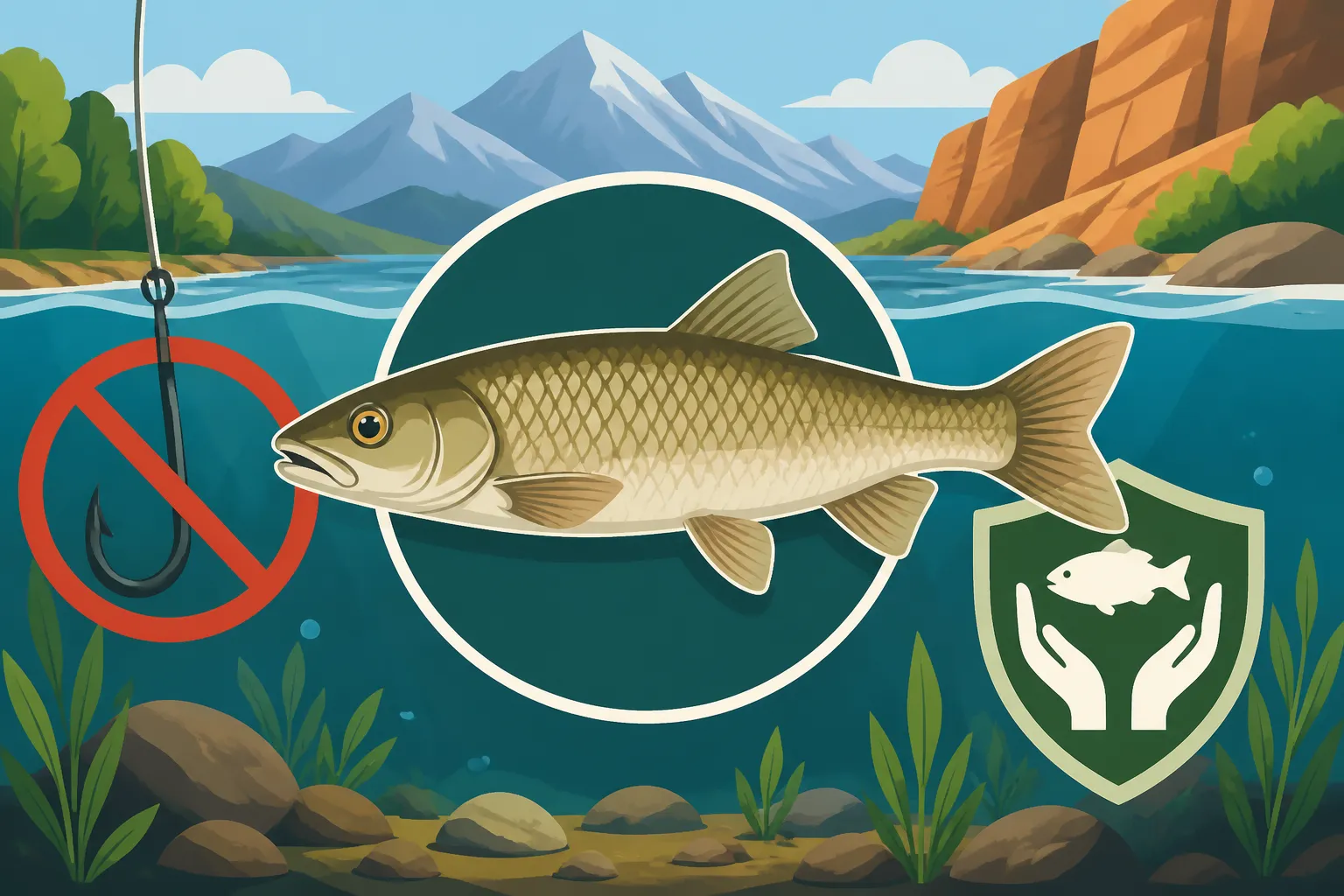
Imagine a fish that can grow up to six feet long and weigh nearly 100 pounds. That's the Colorado Pikeminnow at its most impressive. These fish are built for life in big rivers, with streamlined bodies, powerful tails, and large mouths perfect for gulping down smaller fish. Their coloring tends to be a drab olive-green on the back, fading to silvery-white on the belly, helping them blend into the often-murky river water. They have fine scales and no teeth on their jaws, relying instead on pharyngeal teeth (located in their throat) to crush prey. Their long, slender body with a distinctly pointed head gives them a torpedo-like appearance, perfectly adapted for navigating strong currents and hunting in vast river systems. They're often called the "white salmon" by old-timers, a nod to their migratory habits and impressive size, much like the salmon runs of the Pacific Northwest.
A Life Shaped by the River's Pulse
The Colorado Pikeminnow's life cycle is intimately tied to the natural ebb and flow of the large rivers it inhabits. Historically, they were known to undertake incredible migrations, sometimes traveling hundreds of miles upstream to spawn in specific gravel bar habitats during the high-water flows of spring and early summer. These immense journeys allowed them to disperse their populations and utilize the vast resources of the entire Colorado River basin. After spawning, the adults would drift back downstream to their feeding grounds, while the larval fish would develop in warm, shallow backwaters and floodplains – areas that provided safety from predators and abundant food as they grew. These seasonal movements were essential for their survival, linking different parts of the river system into a cohesive, thriving ecosystem. Losing this connection, as we'll discuss, has been a major blow to their populations.
A Legacy Under Threat: Why the Pikeminnow Needs Protection
The very characteristics that made the Colorado Pikeminnow a king of its domain—its migratory nature, its reliance on specific river conditions, and its slow growth to a massive size—also made it incredibly vulnerable to the sweeping changes that arrived with human settlement and development in the West. Its protected status isn't just about saving a species; it's about acknowledging a tragic history of habitat destruction and the desperate efforts to mend a broken ecosystem. The story of its decline is a somber reminder of our impact on the natural world and why species like this end up on the Colorado's Endangered and Threatened Fish list.
The Impact of Dams and Diversions
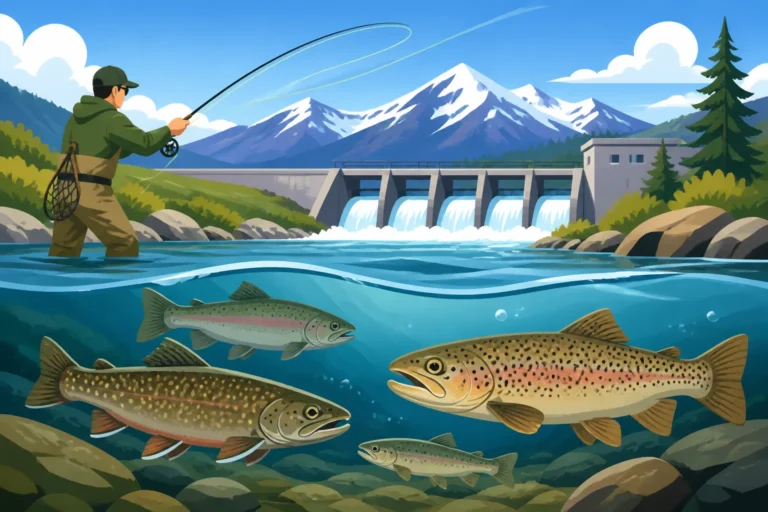
Perhaps the single greatest factor in the Colorado Pikeminnow's decline has been the construction of large dams and water diversion projects across the Colorado River system. Dams like Hoover, Glen Canyon, and Flaming Gorge utterly transformed the rivers from wild, free-flowing systems into a series of disconnected reservoirs and regulated flows. These structures blocked the pikeminnow's essential spawning migrations, turning vast stretches of once-navigable river into impassable barriers. Fish could no longer reach their ancestral spawning grounds, and populations became fragmented and isolated.
Beyond blocking migrations, dams also drastically changed water temperature and flow regimes. Pikeminnow are warm-water adapted fish, thriving in the naturally warm, turbid waters of the mainstem Colorado River and its tributaries. Water released from the bottom of deep reservoirs, however, is often unnaturally cold, chilling vast downstream stretches of river to temperatures too low for pikeminnow to successfully reproduce or even survive long-term. The natural spring runoff, a vital cue for spawning and creating nursery habitats, was also largely eliminated or controlled, replaced by artificial, consistent flows that don't mimic the river's historical pulse. This fundamental alteration of their environment created an ecological trap.
The Menace of Non-Native Species
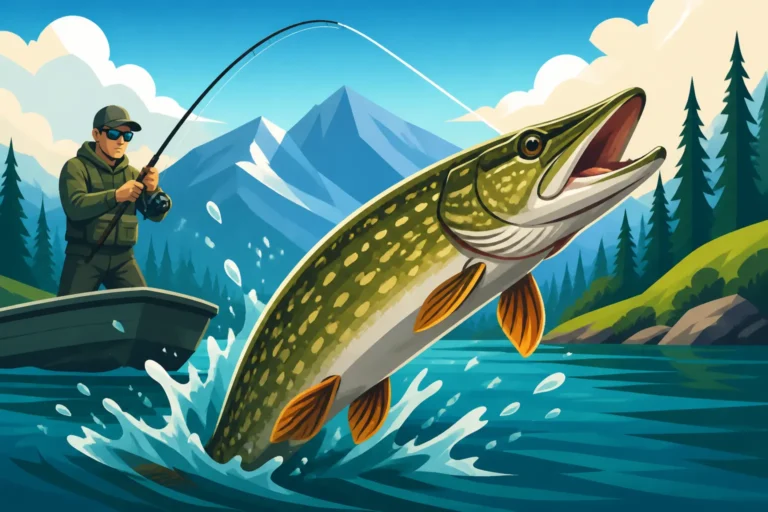
As if habitat alteration wasn't enough, the introduction of non-native fish species delivered another devastating blow. Historically, the Colorado River basin had a unique fish fauna, largely isolated from other river systems. The introduction of species like Northern Pike, smallmouth bass, channel catfish, and various trouts, often for sport fishing or as bait bucket introductions, spelled disaster for the pikeminnow. Many of these non-native fish are highly predatory, directly competing with or preying upon young pikeminnow. For example, Northern Pike Fishing in Colorado is a popular pastime in some areas, but pike are voracious predators of smaller fish, including juvenile pikeminnow.
The struggle for food and space became intense, with non-native species often having an advantage in altered habitats. Some introduced species also brought diseases that native fish had no natural resistance to. The net effect was a severe reduction in juvenile pikeminnow survival rates, preventing new generations from reaching maturity and further accelerating the population decline. This is why strict regulations exist regarding What Fish Species Are Illegal to Possess Alive in Colorado and Why Colorado Bans Live Bait Fish in Some Waters is so important – to prevent further introductions.
Bringing Back the Giant: Conservation and Legal Status
Recognizing the dire situation, the Colorado Pikeminnow was one of the first fish species to be protected under the federal Endangered Species Act (ESA) in 1973, though it had been listed under predecessor laws even earlier. This landmark legislation provides a powerful legal framework for its recovery, mandating that federal agencies protect endangered species and their habitats. The listing wasn't just a label; it triggered extensive, multi-state conservation efforts aimed at halting its decline and, hopefully, bringing it back from the brink.
The Upper Colorado River Endangered Fish Recovery Program
A cornerstone of pikeminnow conservation is the Upper Colorado River Endangered Fish Recovery Program. This monumental, collaborative effort involves federal and state agencies (including Colorado Parks and Wildlife), water users, and environmental groups across Colorado, Utah, and Wyoming. The program focuses on several key strategies to aid the pikeminnow and other native endangered fish, such as the razorback sucker, bonytail chub, and humpback chub.
One major component is habitat restoration. This includes modifying dam operations to release more "fish-friendly" flows that mimic natural river hydrographs, improving water quality, and restoring crucial floodplain and backwater habitats that serve as nurseries for young fish. Another critical aspect is controlling non-native predatory fish populations in areas where they pose the greatest threat to pikeminnow survival. This can involve targeted removal efforts, especially in critical habitats. Finally, the program supports extensive research and monitoring to understand pikeminnow biology better and track the effectiveness of recovery actions. There are also significant efforts in artificial propagation, where pikeminnow are raised in hatcheries and then carefully reintroduced into suitable river stretches, often with considerable fanfare and hope for their future.
Legal Protections and Critical Habitat
Under the ESA, the Colorado Pikeminnow is not only protected from being "taken" (meaning harmed, harassed, killed, or caught) but its "critical habitat" is also designated and protected. Critical habitat refers to specific areas essential for the conservation of a listed species and which may require special management considerations or protection. For the pikeminnow, this includes vast stretches of the mainstem Colorado River and its major tributaries, such as the Gunnison and Dolores rivers in Colorado.
These protections mean that any federal project (like a new dam or a river diversion) that might affect pikeminnow or its critical habitat must undergo rigorous review to ensure it won't jeopardize the species' survival. States also have their own regulations that complement federal laws, adding an extra layer of protection. These regulations are serious business, designed to prevent any further harm to these incredibly vulnerable fish populations. It's a prime example of What Colorado's Habitat Stamp Money Gets Used For – ensuring resources for wildlife and habitat preservation.
Angling Responsibly: What Every Colorado Angler Must Know
For us anglers, understanding the protected status of the Colorado Pikeminnow isn't just a matter of obscure biology; it's a critical part of being a responsible steward of our state's incredible fishing resources. It's highly unlikely you'll deliberately target a pikeminnow, but given their range, accidental catches can happen. Knowing what to do, and more importantly, what not to do, is paramount. These rules are part of the broader Colorado Fishing Regulations Every Angler Should Know.
Identifying the Colorado Pikeminnow
The first step in responsible angling is knowing what you've caught. While a six-foot pikeminnow is unmistakable, juvenile pikeminnow can sometimes be confused with other minnow-like species or even small trout. The key characteristics to look for are:
- Long, slender body: Very torpedo-shaped.
- Large, somewhat flattened head: With a distinctly pointed snout.
- Large mouth: Extends back to or beyond the front of the eye.
- Absence of an adipose fin: This is a key difference from trout (which have a small, fleshy fin between their dorsal and tail fins).
- Fine scales: Smooth appearance.
- Dull coloration: Typically olive to dusky on the back, fading to white or cream on the belly, with no distinctive spots like trout.
Here's a quick comparison of general features that might help differentiate it from other species you might encounter:
| Feature | Colorado Pikeminnow | Typical Trout (Rainbow, Brown) | Northern Pike (Juvenile) |
|---|---|---|---|
| Body Shape | Long, slender, torpedo-like | More robust, slightly deeper body | Elongated, cylindrical |
| Head Shape | Pointed, somewhat flattened | More conical, rounded profile | Duck-bill shaped, long snouts |
| Mouth Position | Large, terminal (at end of snout) | Terminal or slightly inferior | Large, duck-bill shaped, superior |
| Teeth | Pharyngeal (throat) teeth only | Small, sharp teeth on jaws/roof | Very sharp, numerous teeth on jaws |
| Adipose Fin | Absent | Present | Absent |
| Coloration | Drab olive/silver, no spots | Spots/patterns, often iridescent | Green/yellow mottled patterns |
| Scales | Fine, smooth | Fine to medium, embedded | Medium, often rough to touch |
Remember, when in doubt, it's always better to assume it's a protected species and follow the proper protocols for release.
What to Do if You Accidentally Catch One
If you are fishing in areas known to harbor Colorado Pikeminnow (check the official Colorado Fishing Regulations Brochure for specific areas, often designated as critical habitat for endangered fish) and you accidentally hook one, here's the protocol, which is the same for What to Do If You Catch an Endangered Fish by Accident:
- Release Immediately: The absolute most important rule. Do not bring the fish into your boat or onto the bank. Leave it in the water.
- Minimize Handling: Handle the fish as little as possible. If you must touch it, wet your hands first to protect its delicate slime coat.
- Unhook Gently: Use needle-nose pliers or a hemostat to quickly and carefully remove the hook. If the fish is deeply hooked, cut the line as close to the hook as possible, rather than trying to rip it out.
- No Photos: Resist the urge to take a trophy photo. Your priority is the fish's survival, and every second it's out of water or being handled decreases its chances.
- Report (Optional but Recommended): While not always mandatory for incidental catches unless specified by local regulations, reporting your catch to Colorado Parks and Wildlife (CPW) can be incredibly helpful for biologists tracking populations. Note the location, date, and estimated size.
Catching a protected species like the Colorado Pikeminnow is not a cause for panic if you follow these steps. The intent of the law is to prevent harm, not to penalize accidental encounters when anglers act responsibly. However, failing to release the fish immediately, or purposefully targeting it, can lead to severe penalties, including hefty fines and even jail time, under both state and federal law. So, respect for these rare giants of the river is not just good ethics; it's the law. Anglers must remember their role in protecting these unique creatures, ensuring they have a fighting chance at recovery for future generations to marvel at.
Disclaimer
This article is for general informational purposes only and does not constitute professional advice. Laws, prices and regulations vary by location and change over time. Consult a qualified professional for guidance on your specific situation.