Guided Trips With Gear Included vs Bring Your Own
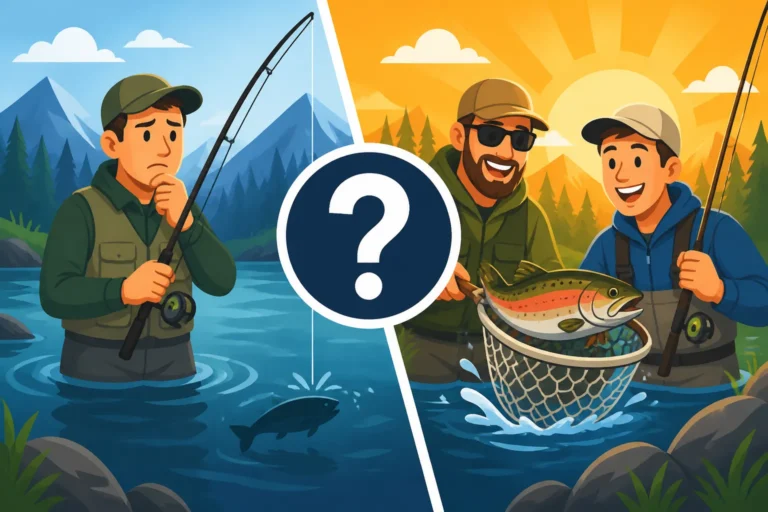
One of the biggest questions that pops up when you're planning a guided fishing trip in Colorado, especially if you're traveling from out of state or are new to angling, is "What gear do I actually need to bring?" It can be a real headache trying to figure out if you need to pack your trusty rod and reel, or if the guide will have everything waiting for you. This comprehensive guide will walk you through the ins and outs of gear provision on guided trips, helping you understand what's typically included and when you might want to bring your own.
The Standard Expectation: What Most Guides Provide
When you book a guided fishing trip in Colorado, whether it's for an exhilarating fly-fishing excursion on a Gold Medal river or a spin-fishing adventure on a sprawling reservoir, the general expectation is that your guide will handle most of the core fishing equipment. This is a huge relief for many anglers, as it reduces the hassle of packing, especially when flying, and ensures you have the right tools for the specific conditions and species you'll be targeting.
Essential Tackle and Flies
For most trout-focused trips, especially fly fishing, your guide will almost certainly provide the fundamental tackle. This typically includes appropriate fly rods and reels, rigged and ready for the day's conditions. You'll usually find them stocked with a variety of lines, leaders, and tippet that are perfectly matched to the water you'll be fishing and the techniques you'll be employing. Imagine showing up to the Fryingpan River and your guide already has a delicate 5-weight setup with 6X tippet, ready for those notoriously picky trout. It saves you the guesswork and the investment in gear you might not use regularly.
Beyond the rod and reel, a good guide will also have an extensive selection of flies, often tied by themselves or local experts, that are proven to work on that particular stretch of water. They know what's hatching, what the fish are feeding on, and what presentations are most effective. This means you don't have to stress about Matching the Hatch on Colorado's Tailwaters or trying to predict what the trout will want. For spin-fishing trips, they'll usually provide the right lures, jigs, or bait for targeting species like walleye, pike, or lake trout in Colorado's larger reservoirs. It’s all part of the service, ensuring you're equipped for success.
Safety Gear and River Necessities
Beyond the fishing tackle, a guide's responsibility extends to ensuring your safety and comfort throughout the day. For any float trip on rivers like the Arkansas or the Colorado River, or on large bodies of water like Blue Mesa Reservoir, personal flotation devices (PFDs), or life vests, are not just provided but often mandatory. They'll have various sizes on hand to ensure a comfortable and secure fit for everyone on board. It’s one less thing you have to worry about packing or purchasing, especially if you're not a regular boater.
Furthermore, guides typically come prepared with general river or lake necessities. This usually includes a comprehensive first-aid kit, just in case of any minor scrapes or unforeseen incidents. They'll also carry plenty of bottled water to keep everyone hydrated throughout the day, and often some snacks to keep your energy up. On longer days, some guides might even provide lunch, making for a truly all-inclusive experience. While they might have some extra rain gear, it's always a good idea to pack your own just in case, as personal fit and comfort can make a big difference in foul weather. It's really about them providing the essentials so you can focus on the fishing.
When You Might Bring Your Own Gear (or Rent It)
While guides generally provide a great setup, there are definitely times and reasons why you might consider bringing your own gear, or even renting specialized equipment. It often comes down to personal preference, the type of fishing you're doing, or practical considerations.
Personal Preference and Familiarity
For many seasoned anglers, their fishing gear is an extension of themselves. They've spent years finding the perfect rod action, the reel with the smoothest drag, and the waders that fit just right. There's a certain comfort and familiarity that comes with using your own equipment, and for some, it can even enhance the experience. If you’re a serious fly fisher who has invested in a high-end rod and reel that you know and love, you might prefer to bring it along rather than use a guide's standard issue. The nuances of your personal rod's casting feel or the familiar click of your reel can make a big difference in how much you enjoy the day.
This preference isn't just about brand names or cost; it's about muscle memory and confidence. You know how your setup behaves, how it casts in different conditions, and how it handles a big fish. Relying on your own gear can eliminate an unknown variable from your day, allowing you to focus purely on technique and the fish. Of course, you should always discuss this with your guide beforehand, as they might have specific recommendations for the water you'll be fishing that day, and it's good to ensure your gear is appropriate.
Specialized Trips and Advanced Techniques
Not all fishing trips are created equal, and some specialized techniques or target species demand particular gear that might not be part of a guide's standard inventory. For instance, if you're going on a dedicated Streamer Fishing for Colorado Brown Trout trip, you might be using heavier rods (7 or 8 weights), specialized lines, and larger flies that a guide might not have as readily available as their typical nymphing or dry fly setups. Similarly, if you’re planning on trying Euro Nymphing, a technique growing in popularity on Colorado's tailwaters, you might prefer your own longer, more sensitive rod designed specifically for that method.
Another example is targeting species like trophy lake trout in deep reservoirs such as Blue Mesa. This often requires heavy-duty trolling gear, downriggers, or specialized jigging rods, which, while some guides might provide, can vary greatly in quality and availability. Always clarify the type of fishing and techniques you're interested in when booking your trip. Platforms like FishingBooker often allow you to specify your interests, and you can communicate directly with guides to ensure they either have the gear or can recommend specific rentals if needed. This proactive communication helps set expectations and ensures you have the right tools for your specific angling goals.
Waders, Boots, and Apparel
Here's where things get really personal: waders, wading boots, and most of your apparel are almost universally not provided by fishing guides in Colorado. These items are highly individual in terms of fit, comfort, and personal preference, and it would be a logistical nightmare for a guide to maintain a full inventory of sizes and styles. You absolutely need to bring your own waders and wading boots for any walk-wade trip or any outing where you expect to be getting in the water. Remember, comfort is key when you're spending hours on your feet in a river.
Beyond waders and boots, your general fishing apparel is also your responsibility. This includes layering options, rain jackets, hats, sunglasses, and gloves. Colorado weather, especially in the mountains, can be incredibly unpredictable, swinging from warm sunshine to cold rain or even snow in a matter of hours. What to Wear on a Colorado Guided Fishing Trip is a topic worth researching thoroughly. Dressing in layers is crucial, and having good quality rain gear can literally save your day. Always check the forecast, but pack for all possibilities. While a guide might have an emergency poncho, it's not a substitute for proper foul-weather gear.
Understanding the "Gear Included" Nuances
When you see "gear included" listed for a guided trip, it's a fantastic benefit. However, like anything, there are nuances to understand to avoid any surprises. It's not always a blanket statement meaning you'll get brand-new, top-of-the-line everything.
Quality and Condition of Provided Gear
While guides generally provide functional and reliable equipment, "included gear" often means a workhorse setup designed to withstand the rigors of daily guiding and cater to a wide range of skill levels. Don't necessarily expect the latest model from a premium brand. The rods might have a few scuffs, the reels a bit of wear, and the lines might not be factory fresh. This is perfectly normal and doesn't mean the gear isn't effective. Most guides use mid-range, durable equipment that can handle enthusiastic beginners and experienced anglers alike. Their priority is functionality and reliability, not necessarily cutting-edge technology.
However, if you're a discerning angler accustomed to specific high-performance gear, you might notice a difference. It's always a good idea, when you're communicating with your guide or booking through a platform like FishingBooker, to politely ask about the typical brands or quality of gear they provide. Most reputable guides will be transparent and happy to describe their equipment. They understand that some clients have preferences, and managing those expectations upfront leads to a better experience for everyone. Rest assured, the gear will be suitable for catching fish, but it might not be the same feel as your personal, custom-tuned setup.
Extra Costs and Upgrades
Sometimes, "gear included" has a baseline interpretation, and then there are options for upgrades. For example, a guide might provide a standard graphite rod and reel setup, but if you're keen to try a specific high-end bamboo rod or a specialized Euro nymphing setup, they might offer these for an additional rental fee. This is less common for standard trout trips but can occur for more specialized experiences or if you're looking for something particularly niche. Similarly, if you plan to go Streamer Fishing for Colorado Brown Trout with very large, expensive flies, you might find that while the rod and reel are covered, there could be a small charge for a significant number of lost premium flies.
Another common extra cost can be for significant quantities of lost flies, especially on fly fishing trips. While a reasonable number of flies are always included, if you're consistently snagging and breaking off expensive patterns, some guides may start charging a small fee for additional replacements. This is fair, as flies are a consumables cost for them. Always clarify these potential extra costs before your trip. A good guide will explain their policy upfront, often as part of the booking confirmation, so there are no surprises on the river.
Lost or Damaged Gear Policies
This is an important point to clarify with your guide before your trip. While a guide expects some wear and tear on their equipment, and accidental breakage can happen, clients are generally responsible for the intentional misuse or significant negligence that results in damaged or lost gear. For example, if you accidentally snap a rod tip because you were careless, or drop a reel into the river because you weren't paying attention, the guide may charge you a replacement or repair fee. These policies vary from guide to guide, but it's a good practice to handle their equipment with the same care you would your own.
Most guides are understanding, and minor incidents are usually part of the cost of doing business. However, major damage can be costly. When you're Questions to Ask Before Booking a Colorado Fishing Guide, always include a query about their policy on lost or damaged equipment. Knowing this upfront protects both you and the guide. After all, they rely on that gear to make a living, and replacing it can be a significant expense. Being mindful and respectful of their equipment goes a long way in ensuring a smooth and enjoyable trip for everyone involved.
Making the Decision: Bring or Rely on the Guide?
Deciding whether to pack your own gear or trust your guide to provide it is a common dilemma. There's no single right answer; it really depends on your personal circumstances, experience, and the nature of your trip.
Assessing Your Experience Level and Comfort
For beginners, or those who fish infrequently, relying on the guide's gear is almost always the best choice. You don't have to invest in expensive equipment you might not use often, and you'll benefit from having gear that is perfectly suited to the local conditions and the techniques your guide will teach you. A new angler often finds it challenging enough to learn casting, mending, and reading water without also worrying if their equipment is appropriate. Your guide will provide reliable, easy-to-use setups that eliminate a lot of the initial complexity. This allows you to focus on the experience and the instruction. In essence, Is a Guided Trip Worth It for Beginners? often boils down to how much easier the guide makes the learning curve, including providing all the necessary tools.
On the other hand, highly experienced anglers who are deeply familiar with their own rods, reels, and specific setups might prefer to bring their personal equipment. They have developed a feel for their gear and might even have specialized tools or flies they trust implicitly. If you're planning a trip focused on a very specific technique, like delicate dry fly presentations or heavy streamer fishing, and you own gear optimized for that, then bringing it might enhance your enjoyment. Just be sure your personal gear is in good working order and appropriate for the Colorado waters you'll be tackling.
Communicating With Your Guide Beforehand
Regardless of your decision, open and clear communication with your guide before the trip is absolutely paramount. Don't wait until you're standing by the river to discuss gear. When you're Booking a Colorado Fishing Guide Online or by phone, make sure to ask specific questions about what they provide. For example, "Will you provide waders and boots, or should I bring my own?" (The answer is almost always 'bring your own' for waders/boots). "What weight rods do you typically use for the Fryingpan in July?" or "Do you have spin casting gear for lake trout, or should I rent something heavier?"
A good guide will appreciate your proactive approach. This conversation helps them tailor the trip to your needs and preferences. If you want to use your own rod, discuss it. They might even offer advice on which of your rods would be best for the conditions. Using a platform like FishingBooker often makes this communication easy, allowing you to message the guide directly after booking. Confirming these details in advance eliminates misunderstandings and ensures that everyone is on the same page, leading to a much smoother and more enjoyable day on the water.
Practicalities of Travel and Logistics
For many people, especially those flying into Colorado from out of state, the logistical challenge of traveling with fishing gear is a huge factor. Checking a rod tube with an airline can be expensive and inconvenient, and there's always a risk of loss or damage. If you're flying in for a short trip, having the guide provide all the necessary fishing tackle (rods, reels, lines, flies/lures) is often the most sensible and stress-free option. It lightens your luggage load considerably and reduces potential travel headaches.
However, if you're driving to Colorado, or if you plan to do a lot of fishing on your own beyond the guided trip, bringing your personal gear becomes much more feasible. You might have the space and the desire to use your own equipment for both guided and independent excursions. Consider the duration of your trip, your overall travel plans, and how much gear you're comfortable transporting. Weigh the convenience of having the guide provide everything against the satisfaction and familiarity of using your own beloved tackle. For longer trips, it might be worth the effort to bring your own, but for a quick getaway, letting the guide handle the heavy lifting is often the winning strategy.
Specific Gear Considerations for Colorado Fishing
Colorado offers incredibly diverse fishing opportunities, from small, intimate mountain streams to vast, deep reservoirs. The gear needed can vary significantly depending on what and where you're fishing. Even if your guide provides most items, understanding these specifics can help you prepare your personal items.
Fly Rods and Reels for Trout
For the vast majority of trout fishing on Colorado's rivers and streams, guides will typically provide fly rod setups in the 4-weight to 6-weight range. A 5-weight rod is often considered the most versatile all-around choice for Colorado's varied trout waters, capable of handling everything from delicate dry flies on the Fryingpan to heavier nymph rigs on the South Platte. For smaller creeks and high-alpine lakes, a 3-weight or 4-weight might be provided for a more delicate presentation and a better fight from smaller trout. Conversely, for larger rivers or targeting bigger brown trout with streamers, a 6-weight will offer more backbone.
The reels provided will be appropriate for the rod weight and designed to balance the setup effectively. While drag systems are important, for most river trout fishing, the reel primarily acts as a line holder. Guides prioritize durable, functional reels that can withstand accidental bumps and splashes. If you're planning on fishing a lot of different waters, or if you prefer a specific brand or feel in a fly rod, discussing this with your guide can help ensure you're both on the same page. They might recommend you bring your own if you have a very specific preference, or they might confirm that their standard offering will be perfectly suitable.
Spin Fishing Gear for Reservoirs
While Colorado is famous for its fly fishing, there's also fantastic spin fishing to be had, especially on the state's numerous reservoirs targeting species like walleye, northern pike, perch, and even large lake trout. If your guided trip is focused on these species, your guide will provide spin fishing rods and reels. These are usually medium-light to medium power rods, typically in the 6- to 7-foot range, paired with spinning reels spooled with monofilament or braided line. The specific setup will depend on the target species; for example, heavier gear might be used for large pike or lake trout compared to a lighter setup for crappie or perch.
For reservoir fishing, the lures and baits are critical. Your guide will have a selection of spoons, crankbaits, jigs, and perhaps live or artificial bait tailored to the specific reservoir and the feeding habits of the fish there. This is where their local knowledge really shines, as patterns and presentations can change daily. You can expect to be equipped with gear that is effective for the chosen fishery, whether it's trolling for Kokanee Salmon at Blue Mesa or casting for wiper at Chatfield Reservoir. Always be sure to clarify if you'll be spin fishing or fly fishing when booking, as the gear provided will be entirely different.
Cold Weather and Layering Essentials
Perhaps the most critical "gear" you'll be responsible for, even on a fully guided trip, is your personal clothing, especially when fishing in Colorado's unpredictable high country. The mountain weather can change in an instant, and being unprepared for cold, wind, or rain can quickly ruin an otherwise fantastic day. Even in summer, early mornings and late evenings can be chilly, and afternoon thunderstorms are common. This is why Colorado Fishing Seasons Month by Month emphasizes the importance of layering.
Your guide might have an emergency rain jacket, but you absolutely need to bring your own waterproof and windproof outer layers, warm insulating layers (fleece or down), moisture-wicking base layers, a warm hat, gloves, and quality sunglasses. Hypothermia is a real concern in Colorado, even in what seems like mild weather, if you get wet and the temperature drops. Don't underestimate the need for good socks, too! Investing in quality outdoor apparel will make your guided trip infinitely more comfortable and enjoyable, allowing you to focus on the fishing rather than shivering.
Table Summary: Gear Checklist for Your Guided Colorado Fishing Trip
To help you visualize what you'll typically encounter or need to bring, here's a handy checklist:
| Item Type | Usually Provided by Guide | Sometimes Provided/Extra Cost | Typically Bring Your Own | Notes |
|---|---|---|---|---|
| Fly Rod & Reel | Yes | Upgrades for a fee | Yes (Personal Preference) | Most common for trout trips; discuss if you prefer your own specialized gear. |
| Spin Rod & Reel | Yes | Upgrades for a fee | Yes (Personal Preference) | Common for reservoir fishing; ensure your gear matches target species and conditions. |
| Flies / Lures | Yes | Yes (Excessive loss) | Yes (Personal Preference) | Basic selection included; excessive loss of expensive patterns might incur a charge. |
| Leaders / Tippet | Yes | Consumables integral to the provided setup. | ||
| Waders | No | Rentable from outfitters | Yes | Essential for walk-wade trips. Fit and comfort are highly personal. |
| Wading Boots | No | Rentable from outfitters | Yes | Critical for safety and comfort while wading. |
| Life Vest (PFD) | Yes | Mandatory for float trips, guides will have appropriate sizes. | ||
| Snacks / Water | Yes | Yes (Personal Preference) | Guides typically provide basic refreshments; bring extra if you have specific dietary needs or preferences. | |
| Rain Gear | No | Yes (Emergency use) | Yes | Highly recommended; always bring your own reliable jacket and pants. |
| Sunglasses | No | Yes | Essential for eye protection and spotting fish. Polarized are best. | |
| Hat | No | Yes | Sun protection and warmth are crucial. | |
| Sunscreen | No | Yes (Emergency use) | Yes | Protect your skin, especially at high altitudes. |
| Warm Layers | No | Yes | Dress in layers for Colorado's unpredictable mountain weather. | |
| Gloves | No | Yes | Especially important for cold weather or handling fish. | |
| Fishing License | No | Yes | Absolutely required. Ensure you have your Colorado Fishing License Guide for Residents and Nonresidents. | |
| Habitat Stamp | No | Yes | Often required in addition to your license. Make sure you know Who Needs Colorado's Habitat Stamp. | |
| Camera | No | Yes | To capture those memorable moments! | |
| Cooler for Fish | No | Yes (for your catch) | If you plan to keep fish, bring a cooler with ice to transport them home. |
Disclaimer
This article is for general informational purposes only and does not constitute professional advice. Laws, prices and regulations vary by location and change over time. Consult a qualified professional for guidance on your specific situation.