Do Seniors Need a Fishing License in Colorado?
It's a common question that pops up in conversations at tackle shops and along riverbanks across our beautiful state: "Do I still need a fishing license now that I'm a senior?" Many seasoned anglers, especially those who've seen a few decades of Colorado sunsets, feel a bit confused about the rules as they approach or pass retirement age. This comprehensive guide is here to clear up that very confusion, making sure every senior angler can enjoy Colorado's incredible fishing opportunities with peace of mind.
Understanding Colorado's Fishing License Requirements for Seniors
Navigating fishing regulations can feel like deciphering an ancient scroll sometimes, and it's particularly frustrating when you're simply trying to understand if a lifetime of dedication to the sport earns you a break. For many seniors, the thought of needing to keep up with annual license renewals or remembering various stamps can be a real hassle. Colorado Parks and Wildlife (CPW) recognizes the valuable contributions and loyalty of our elder anglers, and they do have specific provisions in place.
The Age-Specific Exemptions in Colorado
Let's get right to the heart of the matter: in Colorado, resident anglers who are 65 years of age or older generally do not need to purchase a traditional annual fishing license. This is a wonderful benefit designed to honor the senior community and encourage continued participation in outdoor activities. Imagine the relief of not having to worry about that annual purchase date or rummaging through your wallet for a valid card when a game warden approaches. It's truly one less thing to think about, allowing you to focus on the joy of the catch.
However, it's crucial to understand that this exemption specifically applies to residents of Colorado. If you've been a lifelong resident and have hit that 65-year mark, you're in the clear for the standard fishing license. This differs significantly from the general adult license requirements, which stipulate that anyone aged 18 to 64, resident or nonresident, must possess a valid license to fish in public waters. For those who are just turning 65, this exemption can feel like a well-deserved reward for all those years of contributing to Colorado's vibrant outdoors scene. If you're curious about the full spectrum of licensing requirements, our Colorado Fishing License Guide for Residents and Nonresidents provides an exhaustive overview.
What Documentation Seniors Should Carry
Just because you don't need to buy a license doesn't mean you can leave your identification at home. This is a crucial point that often catches people off guard. While you are exempt from needing a physical license if you meet the age and residency criteria, you still need to be able to prove that you qualify for that exemption. Think of it this way: a game warden has no way of knowing your age or residency status just by looking at you.
Consider a hypothetical scenario: you're enjoying a peaceful morning fishing for trout on the Arkansas River, perhaps near Buena Vista, when a Colorado Parks and Wildlife officer approaches. They politely ask to see your fishing license. If you simply say, "I'm a senior, I don't need one," without any proof, you could find yourself in a bit of a pickle. The officer needs to verify your claim. Therefore, always carry a valid form of identification that clearly shows your date of birth and confirms your Colorado residency. A Colorado driver's license or a state-issued ID card are perfect examples of acceptable proof. Having this ready ensures a quick, hassle-free interaction, allowing you to get back to enjoying the tranquility of the river without delay. It’s always best to be prepared, whether you’re casting a line in a serene mountain lake or an urban pond; a few seconds of preparation can save a lot of frustration.
Beyond the Basic License: Additional Stamps and Permits
The journey into Colorado's fishing regulations doesn't always end with the general license, or in this case, the exemption from it. Our state has a few additional stamps and permits that support critical conservation efforts and expand your fishing opportunities. Even for seniors who are exempt from the primary license, it's important to understand how these additional requirements might apply. Nobody wants to be caught off guard, especially when these minor details contribute to the health of our fisheries for generations to come.
The Habitat Stamp Requirement for Seniors
The Habitat Stamp is a fundamental component of Colorado's conservation funding, playing a vital role in preserving wildlife habitat and providing public access to lands for hunting and fishing. It's a testament to Colorado's commitment to its natural resources. Many people wonder if the senior fishing license exemption extends to this stamp. Historically, this has been a point of confusion for many.
The good news is that resident seniors aged 65 and older are indeed exempt from purchasing the annual Habitat Stamp when acquiring a fishing license. This exemption aligns with the overarching goal of making fishing more accessible and affordable for our senior community. The Habitat Stamp is generally required for anyone between the ages of 18 and 64 when purchasing a license. So, if you're a qualifying senior, you can breathe easy knowing you don't need to add this to your purchase list. However, it’s worth noting that if a senior chooses to purchase any other hunting or fishing license, like a big game license, the Habitat Stamp might still be required for that specific purchase if they fall within certain criteria, or they might voluntarily purchase it to support conservation. For a deeper dive into who needs this stamp, our Who Needs Colorado's Habitat Stamp article clarifies all the specifics.
The money generated by the Habitat Stamp is critical for projects across the state, from improving stream health to acquiring vital migration corridors for elk and deer. While you might not be directly contributing through a mandatory purchase, the exemption is a recognition of your past contributions and continued participation in the outdoor lifestyle. It’s a wonderful way Colorado ensures that all citizens, including seniors, can enjoy the fruits of these conservation efforts.
The Second-Rod Stamp and Senior Anglers
Now, let's talk about fishing with more than one line. The idea of having a second rod in the water, especially when you're comfortably set up in a chair by the lake, is incredibly appealing. It can double your chances of a bite or allow you to experiment with different baits and depths simultaneously. To do this legally in Colorado, most anglers need to purchase a Second-Rod Stamp.
The question then arises: does the senior license exemption also cover the Second-Rod Stamp? Unfortunately, no, it typically does not. Even if you're a resident senior who doesn't need a basic fishing license, if you plan to use a second fishing rod, you will need to purchase a Second-Rod Stamp. This stamp is an additional privilege that allows you to expand your fishing setup beyond a single line. It's a small additional cost, but one that significantly enhances your angling experience. You can usually purchase this stamp for a nominal fee wherever licenses are sold.
Imagine you're trying to target both rainbow trout and kokanee salmon at a reservoir like Blue Mesa. Having one rod rigged with a powerbait setup for trout on the bottom and another with a small spoon or jig for suspended kokanee can be incredibly effective. Without that Second-Rod Stamp, you'd be limited to just one presentation. So, if you're planning to maximize your time on the water with two lines, make sure to grab this stamp. Our article, Colorado's Second-Rod Stamp and Who Needs One, goes into greater detail about this specific requirement. It's all about playing by the rules to ensure fair access and continued funding for our amazing fisheries.
Residency Rules and Their Impact on Senior Licenses
Residency is a cornerstone of Colorado's fishing license structure, and it significantly impacts whether a senior needs a license or not. It’s not just about how long you’ve been living here, but also about proving that you truly call Colorado home. This can be especially nuanced for seniors who might divide their time between states or have recently moved. Understanding these distinctions is crucial to avoid any misunderstandings or penalties.
Defining Colorado Residency for Seniors
Colorado's definition of residency for licensing purposes is quite specific and applies to all age groups, including seniors. To qualify as a resident, you generally need to have physically resided in Colorado for at least six consecutive months immediately preceding the purchase or application for a license. Furthermore, Colorado must be your "true, fixed, and permanent home and principal establishment," to which you intend to return whenever you are absent. Simply owning property or having a mailing address in Colorado doesn't automatically grant you resident status.
For seniors, this can sometimes be a complex issue. Perhaps you've spent your winters in Arizona for years, or you just moved to Colorado to be closer to grandchildren. If you're a new senior resident, you'll need to demonstrate that you've met the six-month continuous residency requirement before you can take advantage of the senior fishing license exemption. This often means providing documents like a Colorado driver's license or state ID, vehicle registration, voter registration, or even utility bills in your name at a Colorado address. It’s not about being nosey; it’s about protecting resident privileges. Our article on What Counts as Colorado Residency for Licensing provides even more precise criteria and examples to help you determine your status accurately. Failing to properly establish residency could mean you are considered a non-resident, even if you’re 65 or older, and thus would still require a license.
Non-Resident Senior Fishing Options
Here's a critical distinction: if you are a senior but not a resident of Colorado, the age-based exemption does not apply to you. Non-resident seniors, just like any other non-resident adult, must purchase a valid Colorado fishing license to legally fish in the state's public waters. This is a common arrangement across states, where residents receive benefits for their ongoing tax contributions that support local conservation efforts.
However, Colorado offers a variety of flexible license options that can cater to the needs of visiting senior anglers. You don't necessarily have to buy an expensive annual non-resident license if you're only visiting for a week or two. Options include:
- Annual Non-Resident License: Best if you plan on making multiple trips throughout the year or staying for an extended period.
- Five-Day Non-Resident License: Ideal for a longer fishing vacation, offering good value for a full week of angling.
- One-Day Non-Resident License: Perfect for a quick trip or if you only plan to fish for a single day during your visit. This is often a great choice if you're just looking for an afternoon on the water.
These options allow non-resident seniors to choose a license that best fits the length and frequency of their visits, ensuring they only pay for what they need. While it might be a frustration to pay for a license when you're accustomed to an exemption in your home state, it's a necessary step to comply with Colorado's regulations. You can explore all these different choices and their costs in our comprehensive guide, Colorado's Annual, One-Day and Five-Day License Options. Remember, even if you’re 80 years old and fishing for just one afternoon at a beautiful spot like Chatfield Reservoir, if you're not a Colorado resident, you'll need that license.
Where and How Seniors Can Obtain Licenses (If Needed)
Even if many seniors are exempt from a basic fishing license, some might still need to purchase a Second-Rod Stamp, or perhaps they are non-resident seniors who require a full license. The process of acquiring these can sometimes feel like a daunting task, especially if you're not comfortable with modern technology or prefer a more personal touch. Thankfully, Colorado offers several convenient ways to get what you need, ensuring everyone can access their permits without undue hassle.
Purchasing Licenses Online and Via Phone
For many, the easiest and most convenient way to purchase any required stamps or licenses is through Colorado Parks and Wildlife's (CPW) online portal, CPWShop.com. This website is designed to be user-friendly, allowing you to quickly select the type of license or stamp you need, enter your personal information, and complete the transaction from the comfort of your home. It's particularly helpful for those who might have mobility issues or simply prefer to avoid a trip to a physical store.
The online system securely processes your payment, and you'll typically receive a digital copy of your purchase immediately, which you can save to your smartphone or print out. If you're a bit hesitant about navigating websites, perhaps a tech-savvy family member or friend can assist you. It’s a seamless process that saves time and effort. Our article, Buying a Colorado Fishing License Online at CPWShop.com, walks you through each step. Additionally, if you prefer speaking to a person, CPW often provides a phone number for license sales, allowing you to complete your purchase over the phone with the help of a customer service representative. This is a great option for those who have specific questions or need verbal guidance through the process.
In-Person Purchase Locations
For seniors who prefer the traditional route or simply enjoy the experience of visiting a local retailer, there are plenty of in-person options available across Colorado. This can be a great opportunity to chat with local experts, get advice on current fishing conditions, or pick up some last-minute gear. It's also reassuring to have a physical receipt and potentially a printed license in hand right away.
You can purchase licenses and stamps at:
- Colorado Parks and Wildlife Offices: These are reliable sources and staff can answer detailed questions.
- Sporting Goods Stores: Retailers like Bass Pro Shops, Cabela's, or local independent fly shops are excellent spots. They often have knowledgeable staff who can provide tips on local fishing spots or the best bait to use.
- Walmart and other chain stores: Many Walmart locations and other department stores with sporting goods sections are authorized license agents. This can be incredibly convenient if you're already out doing errands.
- Small local businesses: Many smaller general stores, gas stations, or even some hardware stores, particularly in more rural fishing communities, are authorized to sell licenses.
When visiting these locations, remember to bring your valid Colorado ID to verify your residency and age, especially if you're purchasing a Second-Rod Stamp or a non-resident license. Buying in person offers the benefit of immediate help if you encounter any issues and allows for a friendly face-to-face transaction. Our detailed guide, Where to Buy a Colorado Fishing License in Person, lists many specific locations and tips for making your purchase smooth and easy. For any last-minute tackle or specific fishing apparel you might need, places like Amazon can ship directly to your door if you’re planning your trip ahead of time, ensuring you’re well-equipped.
Important Regulations for Senior Anglers
While the senior exemption for a basic fishing license is a fantastic perk, it’s absolutely vital to remember that all other Colorado fishing regulations still apply. This isn't a free pass to ignore the rules; it's simply a waiver of the licensing fee. Bag limits, possession limits, specific gear restrictions, and area-specific rules are in place to manage our fisheries sustainably and ensure fair angling for everyone. Violating these regulations can result in fines and other penalties, regardless of your age or license status.
Bag and Possession Limits
Understanding and adhering to bag and possession limits is paramount for all anglers in Colorado. These limits are set by CPW to ensure healthy fish populations and prevent overharvesting. A "bag limit" refers to the maximum number of a specific species of fish you can keep in one day, while a "possession limit" is the total number of fish you can have on hand, including those at your campsite, home, or vehicle. These limits are not arbitrary; they are based on scientific data and conservation goals for each species and body of water.
For example, on many waters, the daily bag limit for trout might be four fish, with a possession limit of eight. This means you can catch and keep four trout today, and if you have four from yesterday, you’ve hit your possession limit. However, some waters, especially those designated for special management, can have much more restrictive limits, including catch-and-release only rules or specific size restrictions. This is why always checking the current regulations brochure is so important. Even if you're a seasoned angler with decades of experience, regulations can change from year to year or even between different sections of the same river. Our article Colorado Bag and Possession Limits by Species offers a comprehensive breakdown of these rules for various fish, helping you stay compliant and contribute to healthy fish populations.
Special Regulations on Gold Medal Waters and Other Areas
Colorado is home to some truly world-class fishing destinations, many of which are designated as "Gold Medal Waters." These stretches of river or specific lakes are recognized for their ability to consistently produce large trout, offering an exceptional angling experience. However, these special designations often come with equally special regulations designed to protect these unique resources. And yes, these rules apply to everyone, including senior anglers enjoying their license-exempt fishing.
On Gold Medal Waters, you'll frequently encounter rules like:
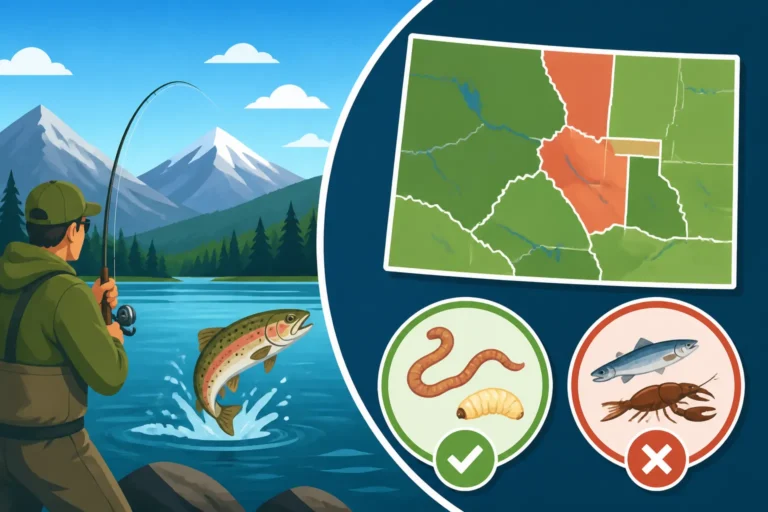
- Artificial Flies and Lures Only: This means no bait (like worms or PowerBait).
- Barbless Hooks Required: Designed to minimize harm to fish, making catch-and-release more effective.
- Catch-and-Release Only: On some stretches, keeping any fish, regardless of size, is strictly prohibited.
- Minimum/Maximum Size Limits: Often, there are specific slot limits or minimum length requirements for keeping fish.
Beyond Gold Medal Waters, other areas might have unique restrictions. For instance, some high-country lakes might have bait restrictions to protect sensitive ecosystems, or certain urban ponds might have specific regulations regarding species harvest. It’s imperative to always consult the current Colorado Fishing Regulations brochure – available online or at any license vendor – before you head out. Ignorance of the rules is not an excuse. Familiarize yourself with Colorado Gold Medal Water Regulations Explained to understand the nuances of these exceptional fishing areas. Taking a few minutes to review the rules for your chosen fishing spot can make all the difference between a successful, legal outing and an unpleasant encounter with enforcement. Also, it's worth noting that if you're looking for specific gear for these specialized waters, like barbless hooks or specific fly patterns, Amazon can be a great resource to find exactly what you need.
Benefits and Considerations for Senior Anglers
Fishing offers so much more than just the thrill of the catch; it’s a gateway to nature, a source of peace, and a wonderful way to stay active. For seniors, these benefits are amplified, providing unique opportunities for well-being and continued engagement with the world around them. Understanding these advantages, as well as considering practical aspects like gear and accessibility, can significantly enhance the experience for our elder anglers.
Promoting Senior Participation in Fishing
The act of fishing provides a multitude of health benefits for seniors, both physical and mental. It encourages gentle exercise, whether it's walking along a riverbank, casting a line, or simply setting up your gear. This physical activity, even if mild, can improve mobility, balance, and cardiovascular health. Mentally, fishing offers a profound sense of tranquility and stress reduction. The focus required to watch a bobber or feel for a subtle bite can be incredibly meditative, helping to clear the mind of daily worries.
Moreover, fishing is often a social activity. It's an opportunity to bond with family – grandchildren, children, or spouses – or to connect with fellow anglers by the water. These social interactions combat loneliness and foster a sense of community. The senior license exemption in Colorado serves as a direct encouragement for these benefits. By removing a financial barrier, it actively promotes continued participation in a hobby that is deeply enriching. Many community fishing programs and urban ponds around Denver and other cities are also designed with accessibility in mind, further inviting seniors to partake in this wonderful pastime. This commitment to senior engagement ensures that Colorado’s rivers and lakes remain vibrant, intergenerational spaces.
Essential Gear and Comfort for Senior Anglers
Comfort and ease of use are paramount for senior anglers, ensuring that fishing remains an enjoyable and accessible activity. Long days by the water require thoughtful gear choices that prioritize support and functionality. Simple adjustments can make a world of difference, turning a potentially strenuous outing into a relaxing and rewarding one.
Here are a few considerations:
- Comfortable Seating: A lightweight, portable fishing chair can be a game-changer, especially for bank fishing. Look for models with back support and easy folding mechanisms.
- Easy-to-Use Rods and Reels: Spin-casting reels are often the easiest to operate, requiring minimal dexterity. Lighter rod-and-reel combos reduce fatigue during long periods of holding.
- Layered Clothing: Colorado weather can change quickly. Dressing in layers, with moisture-wicking base layers, insulating middle layers, and a waterproof outer shell, ensures comfort in varying conditions. Don't forget a wide-brimmed hat for sun protection and polarized sunglasses to reduce glare.
- Accessible Tackle Management: Tackle boxes with clear compartments and easy-open latches can prevent frustration. Consider a fishing vest or chest pack to keep frequently used items within easy reach, minimizing bending and reaching.
- Sturdy Footwear: Non-slip, comfortable waterproof boots are essential, especially on uneven or wet terrain. A good pair of wading boots for river fishing, perhaps with studs for extra grip, can provide crucial stability.
Finding the right gear can make all the difference. Many of these items, from comfortable chairs to specialized tackle, can be easily found and ordered online through retailers like Amazon, offering a wide selection delivered directly to your home. Additionally, when choosing a fishing spot, seniors should consider accessibility. Look for locations with paved paths, designated parking close to the water, and gentle slopes, which are often found at many state parks and urban fishing ponds. Prioritizing comfort and convenience ensures that fishing remains a source of joy and relaxation for years to come.
Here's a quick comparison of fishing license requirements by age and residency in Colorado:
| Category | Age Range | Colorado Resident? | Basic Fishing License Required? | Habitat Stamp Required? | Second-Rod Stamp Required (if using 2 rods)? |
|---|---|---|---|---|---|
| Youth | Under 16 | Yes or No | No | No | No |
| Youth | 16-17 | Yes | Yes | Yes | Yes |
| Youth | 16-17 | No | Yes | Yes | Yes |
| Adult | 18-64 | Yes | Yes | Yes | Yes |
| Adult | 18-64 | No | Yes | Yes | Yes |
| Senior | 65+ | Yes | No | No | Yes |
| Senior | 65+ | No | Yes | Yes | Yes |
| Disabled Resident Lifetime | All Ages | Yes | No | No | Yes |
It's clear that while the basic fishing license is waived for resident seniors, other considerations like the Second-Rod Stamp and all other regulations remain in effect. This table provides a handy overview to help clarify these requirements, offering a comprehensive snapshot of who needs what to enjoy Colorado's diverse fishing opportunities. To explore more about specific costs, you might find our article Colorado Fishing License Costs Explained helpful, even if you’re exempt from the basic fee.
Disclaimer
Please remember that fishing regulations are subject to change. While this guide provides the most current and accurate information available at the time of writing, it is always your responsibility to consult the official Colorado Parks and Wildlife (CPW) regulations brochure before engaging in any fishing activities. This brochure is updated annually and contains the definitive rules and requirements. Failure to comply with current regulations can result in penalties.