Best Season for a Guided Trip on the East River
Planning a guided fishing trip on a legendary river like Colorado's East River can feel a bit overwhelming, especially when you're trying to nail down the absolute perfect time to go. You want to maximize your chances of a great day on the water, whether that means big fish, fewer crowds, or incredible dry fly action. This guide is here to demystify the East River's seasonal nuances and help you determine the best season for your ideal guided fishing experience.
Understanding the East River's Seasonal Rhythms
The East River, a true gem of the Gunnison Valley, offers diverse fishing opportunities throughout the year thanks to its unique characteristics, including a productive tailwater section. Understanding how the river changes with the seasons is the first step to planning a successful guided trip.
Spring: Awakening and Runoff's Challenge
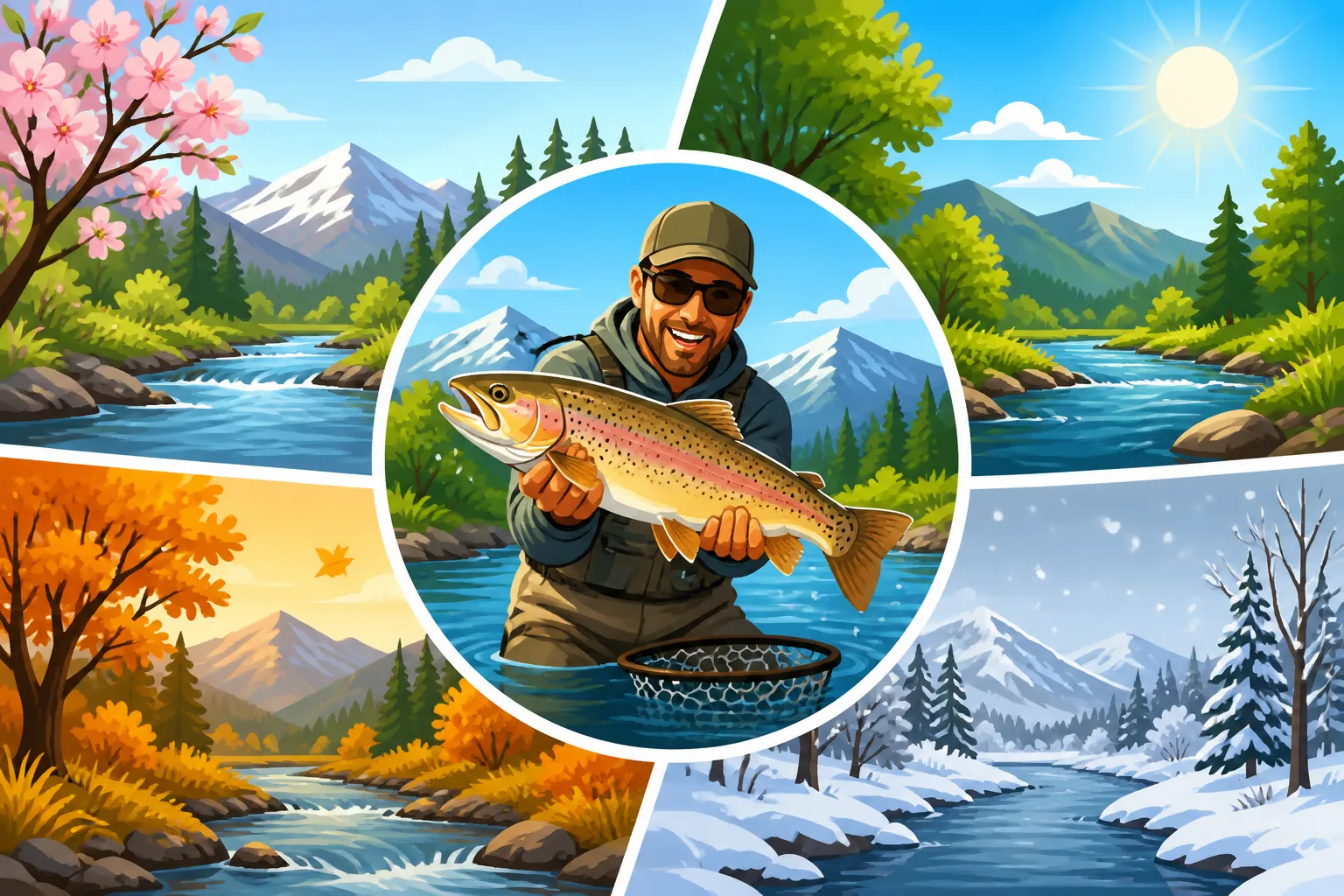
Ah, spring! There’s a palpable sense of anticipation as the days lengthen and the snow starts to melt. Early spring on the East River, often from March through early May, can be absolutely fantastic. The fish are waking up, eager to feed after a long winter, and the crowds are generally lighter. You'll find active nymphing, and as water temperatures begin to tick up, some fantastic midge and small mayfly hatches can emerge. It's a time of subtle beauty and often cooperative fish, making it a wonderful period for a guided trip.
However, Colorado spring inevitably leads to runoff. When Colorado's Spring Runoff Hits and How to Fish Around It is a crucial topic for any angler here. Typically peaking from late May through mid-June, the East River can swell with snowmelt, turning high, cold, and often muddy. While the river itself might be a challenge, an experienced guide knows how to navigate these conditions. They might focus on slower, deeper pockets, off-color banks, or even pivot to smaller tributaries or nearby lakes that clear up faster. It's not necessarily a "bad" time to fish, but it requires adaptability and local knowledge, which is precisely why a guide is invaluable during this period. They'll know the subtle seams and eddies where fish hold tight to the bottom, conserving energy and waiting for an easy meal.
Summer: Prime Dry Fly Action and Consistent Nymphing
When summer arrives, usually from late June through August, the East River truly comes alive. This is often considered prime time for many anglers, and for good reason. Water flows stabilize and clear up, insect hatches become prolific, and fish are actively looking up for dry flies. Imagine casting a perfectly presented stimulator or a large caddis imitation, watching a hungry trout rise confidently to snatch it from the surface. It’s the stuff of dreams for many fly fishers.
The East River during summer offers consistent nymphing opportunities throughout the day, often with a dry-dropper rig, allowing you to cover both subsurface and surface feeding lanes. Late afternoons and evenings can bring incredible dry fly action as major hatches like PMDs, Green Drakes, and various caddis burst forth. This is when the river's wild brown and rainbow trout are most visible and aggressive. If your goal is classic fly-fishing with plenty of surface eats, summer is your season. Guides are adept at "matching the hatch" and putting you on the right flies and presentations. Dry Fly Fishing Colorado's Freestone Rivers is an art form, and summer on the East River is a canvas for it.
Fall: Trophy Trout and Spawning Colors
As the aspens turn to gold and crimson, the East River transforms into a different kind of paradise. Fall, from September through early November, is a favorite season for many experienced anglers seeking larger, more aggressive trout. The air is crisp, the crowds from summer have thinned, and the brown trout, in particular, begin to prepare for their annual spawn.
This means big browns become incredibly territorial and active, making them a prime target for streamers and larger nymph patterns. While it’s exhilarating to chase these trophy fish, understanding Brown Trout Spawning Season in Colorado is crucial. Responsible anglers and guides will avoid targeting fish directly on their redds (spawning beds) to protect future generations. Beyond the browns, rainbow and cutthroat trout are also putting on the feedbag, bulking up for winter, and often provide excellent action. Fall offers a unique blend of solitude, stunning scenery, and the chance at a truly memorable catch. It’s also a fantastic time to sight-fish in the clearer, lower water of late fall.
Winter: Tailwater Resilience and Solitude
Don't hang up your waders just because winter's chill descends! The East River, especially its tailwater section below a dam, offers some excellent and often overlooked winter fishing. Tailwaters benefit from consistent water temperatures released from the bottom of reservoirs, which means they often don't freeze over and remain productive even when other rivers are locked in ice.
Winter on the East River is a season of quiet solitude, stunning snow-covered landscapes, and incredibly technical, rewarding fishing. Midges are the name of the game, along with small mayfly nymphs, as trout focus on these abundant, cold-water food sources. While the fish might be less aggressive, successful winter anglers learn patience and precise presentations. A guided winter trip can be a masterclass in nymphing, offering a deep understanding of trout behavior in cold conditions. Winter Fishing on Colorado's Tailwaters means you'll learn techniques that will serve you well year-round. It's not for everyone, but for those who embrace the challenge and the peaceful beauty, it's an unforgettable experience.
Factors Influencing Your East River Guided Trip Season
Choosing the "best" season isn't just about what the river is doing; it's also about what you hope to experience. Here are some factors to consider.
Water Levels and Clarity
Water levels and clarity are perhaps the most significant variables affecting fishing conditions on any river, and the East River is no exception. In early spring, low flows mean clear water, often allowing for sight-fishing opportunities. However, as snowmelt intensifies during late spring, the river can become a raging, silty torrent. Clarity can drop to near zero, making fly fishing incredibly difficult and often requiring different techniques, if fishing is even viable.
By mid-to-late summer, flows typically recede to more moderate levels, and the water is generally crystal clear, especially on the tailwater sections. This clarity can make fish more wary, demanding delicate presentations and longer leaders, but it also allows for excellent sight-fishing. Fall brings consistently clear, often lower water, which is fantastic for spotting fish. Guides are intimately familiar with Reading Water on a Colorado Freestone River and will adapt tactics, fly selection, and even location choices based on these conditions. Their expertise means you won't waste precious fishing time trying to figure out where the fish are holding or what they can even see.
Insect Hatches and Food Sources
Trout are opportunistic feeders, but their primary diet revolves around aquatic insects. The success of your guided trip often hinges on understanding and "matching the hatch."
- Spring: Midges, tiny blue-winged olives (BWOs), and some early caddis. The fish are often looking for subsurface nymphs.
- Summer: This is hatch central! Caddis, Pale Morning Duns (PMDs), Green Drakes, stoneflies, terrestrial insects like grasshoppers and ants, and ongoing midge activity. It’s diverse and often overwhelming without guidance.
- Fall: BWOs make a strong comeback, along with midges and a variety of small terrestrials. Streamers become highly effective as brown trout get aggressive.
- Winter: Mostly midges, tiny BWOs, and various aquatic worms or scuds found deep in the water column.
A knowledgeable guide, like those you might find through a platform like FishingBooker, will not only know exactly what's hatching but also what flies or lures best imitate those food sources. They carry an arsenal of Best Flies for Colorado's Gold Medal Trout Water for every situation. You won't have to guess; they'll tell you what the fish are eating and show you how to present it effectively. This is where the value of a guided trip truly shines.
Angler Crowds and Solitude
Let's be honest, part of the allure of fishing in Colorado is the peace and quiet, the feeling of being immersed in nature. However, popular rivers, especially those with Gold Medal designations like parts of the East River, can get quite busy during peak seasons.
- Summer: Weekends and holidays can see significant angler pressure, particularly on easily accessible public stretches. Float trips might feel less crowded, but popular put-ins and take-outs will be bustling.
- Spring/Fall: Generally lighter crowds than summer, especially on weekdays. Early spring and late fall offer a wonderful balance of good fishing and fewer people.
- Winter: This is arguably the season for true solitude. You might have long stretches of river entirely to yourself, creating a deeply personal and tranquil fishing experience.
If avoiding crowds is a top priority, consider booking your guided trip during a weekday, or venturing out in the shoulder seasons (early spring, late fall) or winter. Your guide can also often steer you toward less-pressured sections of the river or private water access if available, to ensure a more serene experience. It's worth discussing your preference for solitude when you book your trip; How Many People One Colorado Guide Boat Holds can also affect how "crowded" your personal space feels.
Specific Target Species or Techniques
Are you dreaming of catching a massive brown trout on a streamer? Or perhaps you're keen to experience the delicate art of dry fly fishing for wild rainbows? Your specific goals should heavily influence your choice of season.
- Trophy Brown Trout: Fall is typically the best season for targeting larger brown trout on the East River, especially with streamer patterns, as they become more aggressive and territorial before and during their spawn. Brown Trout in Colorado, Where They're Wild are legendary, and fall is when they often show their true colors.
- Dry Fly Fishing: Summer, particularly mid-summer through early fall, offers the most consistent and prolific dry fly action. This is when insects are most abundant, and trout are eagerly looking up.
- Nymphing: Nymphing is effective year-round on the East River, but it's especially consistent in spring, during runoff (when fish are hugging the bottom), and throughout the colder months of fall and winter.
- Beginner-Friendly: Summer is often the most forgiving season for beginners due to the active fish and diverse techniques that can produce results.
Communicate your specific aspirations with your guide. They can help align your expectations with the realities of each season on the East River, ensuring you pick the best time for your personal fishing goals.
Working with Your Guide to Pick the Perfect Time
A guided trip is an investment in a great experience, and your guide is your best resource for making it happen. Don't hesitate to lean on their expertise.
Communication is Key
Before you even book, pick up the phone or send an email to a few potential guides. This is the time to openly discuss your fishing goals, your skill level, your preferences for solitude versus action, and even your budget. A good guide isn't just a fish-finder; they're a trip consultant. They want you to have a memorable experience, and that starts with clear communication.
Ask them about recent conditions on the East River, what hatches they're seeing, and what their personal recommendation would be for your specific ideal trip. They might suggest a different time of year than you initially considered, or clarify what to expect during a particular week. Remember, Choosing a Colorado Fishing Guide, What to Look For includes someone who listens to your needs and communicates openly.
Flexibility and Backup Plans
Colorado's weather is famously unpredictable. A beautiful, sunny morning can turn into a torrential afternoon thunderstorm, or an unseasonably warm spell can suddenly accelerate runoff. If you're planning a trip during the shoulder seasons (spring or fall), or if you're trying to hit a very specific hatch, building some flexibility into your schedule can be a lifesaver.
Discuss with your guide or outfitter about potential backup plans. Could you switch to a different river if the East River is blown out by runoff? Are there alternative dates if a major weather event occurs? Understanding What Happens If Weather Cancels a Colorado Guided Trip is important for managing expectations and potentially rescheduling. While guides work hard to make every day a success, Mother Nature sometimes has other plans, and being flexible allows for the best possible outcome.
Booking Through Services Like FishingBooker
When you're trying to find the right guide at the right time for the East River, platforms like FishingBooker can be incredibly helpful. These services allow you to browse multiple guides and outfitters who operate in the Gunnison area, view their availability, compare prices, and read reviews from other anglers.
You can often filter by the type of trip (fly fishing, spin fishing), species targeted, and even the specific rivers they guide. This makes it easier to find guides who specialize in the East River and have expertise during your preferred season. You can often send inquiries directly to multiple guides, asking about their seasonal recommendations before making a commitment. Using such platforms simplifies the research process and helps you connect with qualified professionals. Booking a Colorado Fishing Guide Online has never been easier, and it provides a transparent way to see what's available and who fits your specific needs for an East River adventure.
Seasonal Fishing Outlook for the East River
To help summarize, here's a quick overview of what you can generally expect from a guided trip on the East River during each season:
| Season | Typical Conditions | Pros | Cons | Ideal For |
|---|---|---|---|---|
| Early Spring (March-early May) | Low, clear water; cold mornings; potential for early hatches. | Lighter crowds; eager fish; good nymphing. | Variable weather; potential for cold temps. | Anglers seeking solitude and consistent nymphing; learning cold-water tactics. |
| Late Spring/Runoff (Late May-mid June) | High, fast, often muddy water; variable clarity. | Guides adapt to finding fish in challenging conditions; few crowds. | Difficult conditions; limited techniques; highly dependent on guide expertise. | Adventurous anglers; those who can only visit during this window. |
| Summer (Late June-August) | Moderate flows; clear water; warm days. | Prolific insect hatches; excellent dry fly fishing; diverse techniques. | Higher crowds, especially on weekends; afternoon thunderstorms possible. | Dry fly enthusiasts; beginners; families; classic Colorado fishing experience. |
| Fall (September-early November) | Cooler temps; clear, often lower water; stunning foliage. | Chance at trophy brown trout; streamers effective; lighter crowds. | Brown trout spawning activity requires careful handling; variable weather. | Anglers seeking larger fish; solitude; scenic beauty; streamer fishing. |
| Winter (Mid November-February) | Cold, stable tailwater flows; clear water; snow-covered landscape. | Ultimate solitude; technical, rewarding nymphing; consistent midge hatches. | Very cold temperatures; technical fishing; fewer active hatches. | Dedicated anglers; those seeking quiet and a challenge; learning advanced nymphing. |
Disclaimer
This article is for general informational purposes only and does not constitute professional advice. Laws, prices and regulations vary by location and change over time. Consult a qualified professional for guidance on your specific situation.