Guided Trips on the Arkansas River’s Whitewater Sections
The Arkansas River, as it tumbles through the heart of Colorado, offers some of the most exhilarating and challenging fishing experiences in the state. If you've ever dreamt of battling a wild brown trout amidst roaring rapids, but felt intimidated by the sheer power of the whitewater, you're not alone. Many anglers find the idea thrilling but daunting, unsure how to safely navigate or effectively fish such dynamic conditions. This guide will walk you through everything you need to know about embarking on a guided fishing trip on the Arkansas River's renowned whitewater sections, transforming that apprehension into an unforgettable adventure.
The Unique Appeal and Challenges of Arkansas River Whitewater Fishing
There's something truly magnetic about fishing fast-moving water, especially the kind found in the Arkansas River's famous whitewater stretches. It's not just about the fish; it's about the entire sensory experience – the roar of the rapids, the spray on your face, the constant movement, and the intense focus required to present a fly or lure accurately. However, this environment brings with it a specific set of challenges that are best tackled with expert assistance.
Understanding the Arkansas River's Character
The Arkansas River is a true gem, flowing for over 100 miles through some of Colorado's most stunning landscapes. It transforms from a high-alpine trickle into a powerful, freestone river, especially as it carves its way through canyons and valleys near towns like Buena Vista and Salida. These sections are famed for their world-class whitewater rafting and kayaking, but beneath the surface, they also hold an incredible population of wild trout, particularly robust brown trout and feisty rainbows. The river's character here is defined by swift currents, dramatic depth changes, churning eddies, and endless seams where fish can hold. Fishing the Arkansas River Near Buena Vista and Fishing the Arkansas River Through Salida are popular stretches, each offering distinct challenges and rewards.
However, the very features that make these sections exciting also make them inherently difficult to fish from the bank or a personal watercraft without intimate knowledge. The currents can be relentless, making wading precarious or impossible in many spots. The riverbed can be rocky and slick, and accessing prime fishing lies often requires navigating tricky terrain. It's a truly wild environment, demanding respect and a specialized approach.
Why a Guide is Essential for Whitewater Safety and Success
For many anglers, especially those not accustomed to intense river conditions, a guided trip on the Arkansas River's whitewater sections isn't just a luxury—it's almost a necessity. First and foremost, a professional guide prioritizes your safety. They are highly trained in swiftwater rescue, CPR, and first aid, and intimately familiar with every rock, rapid, and eddy on their chosen stretch of river. They know how to navigate the whitewater safely in a specialized raft or drift boat, ensuring you can focus on fishing without worrying about capsizing or getting stranded.
Beyond safety, a guide provides unparalleled local knowledge. They understand how the river changes with different flows, what flies or lures are working, where the fish are holding in complex currents, and how to position the boat to give you the best shot at a productive cast. Think about it: you're moving downriver, sometimes at a brisk pace, and a fish might only be visible for a split second in a seam or behind a boulder. A skilled guide will point out these fleeting opportunities, coach you on presentation, and even maneuver the boat to give you a second chance. This expertise translates directly into more hooks, more fish, and a far more enjoyable experience.
What to Expect from a Guided Whitewater Fishing Trip
Booking a guided trip on the Arkansas's whitewater sections is an investment in both adventure and education. These aren't your typical leisurely float trips; they're dynamic, active, and designed to immerse you in a truly unique angling environment. Knowing what to expect can help you prepare and get the most out of your time on the water.
Types of Trips and Vessels for Whitewater Fishing
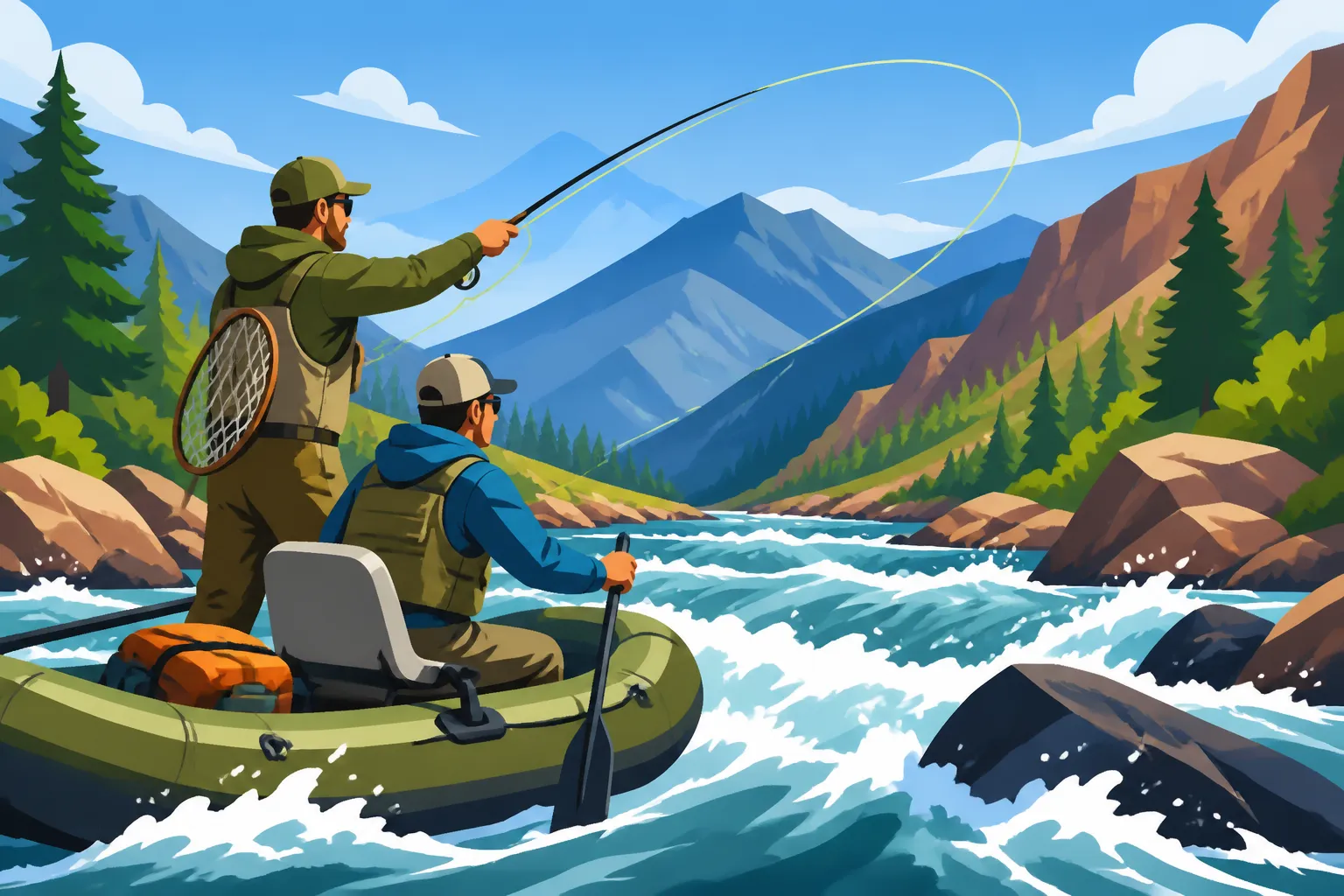
When you're talking about fishing the true whitewater sections of the Arkansas, you're almost certainly looking at a float trip, most often in a raft specifically designed for river running and fishing. While some quieter stretches might allow for drift boats, the larger, more technical rapids demand the maneuverability and stability of a raft. These boats are typically outfitted with comfortable fishing frames, allowing anglers to stand and cast while the guide expertly maneuvers the oars. This setup provides a stable platform, crucial for maintaining balance and making accurate presentations in moving water.
Walk-wade opportunities in these sections are generally limited to specific, safer access points, often downstream of major rapids or in slower pockets that can be reached from shore. A guided trip might combine elements of both, with the guide floating you through a challenging stretch and then pulling over to allow for some wade fishing in a calmer, productive area. However, the core experience on true whitewater will involve fishing from the raft, allowing you to cover significant stretches of river that would otherwise be inaccessible. Guided Float Trips on Colorado Rivers are a popular choice for this very reason.
Inclusions and Gear Provided
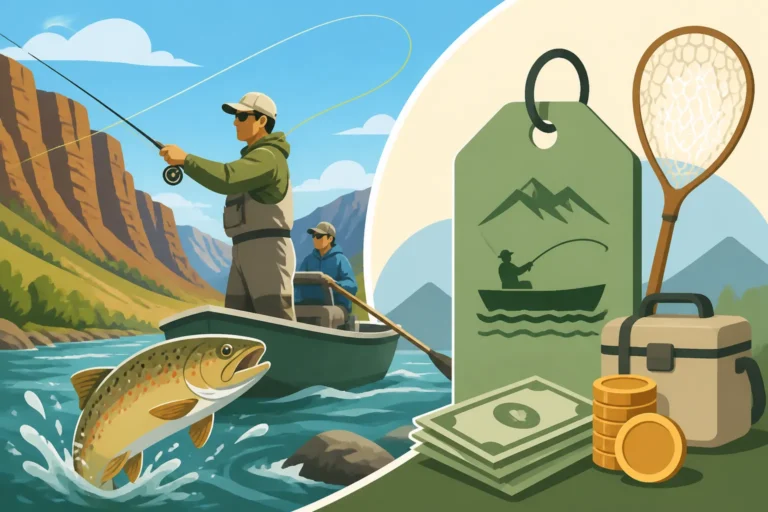
One of the great advantages of a guided trip is that most of the heavy lifting, gear-wise, is taken care of for you. Reputable outfitters will typically provide high-quality rods and reels suitable for the conditions, a wide selection of effective flies or lures, and all the necessary terminal tackle (leaders, tippet, split shot, indicators). They'll also supply essential safety equipment, including personal flotation devices (PFDs) which you'll wear for the duration of the trip through whitewater. Some guides even provide waders and wading boots if you don't have your own, though it's always best to check in advance.
What you are responsible for is your Colorado fishing license and a valid Habitat Stamp. You'll need to purchase these before your trip, as guides cannot provide them, and fishing without them will result in significant penalties. Colorado Fishing License Guide for Residents and Nonresidents and Colorado's Habitat Stamp, Explained are excellent resources for understanding these requirements. Beyond licenses, you'll want to bring personal items like sunglasses, a hat, sunscreen, water, and appropriate clothing layers, which we'll cover next. Many guides also pack a hearty lunch and snacks, keeping you fueled for the day's adventure. If you're looking for guides, platforms like FishingBooker can often list what's included in different trip packages, making it easier to compare options.
The Guided Experience Itself
A guided whitewater fishing trip on the Arkansas is a full-day immersion. Your guide will typically meet you at a designated put-in point or their shop in the morning. After a brief safety talk, a review of basic casting techniques, and a run-down of the day's plan, you'll launch into the river. The guide will be at the oars, expertly navigating the currents while you and your fellow anglers focus on fishing. They'll actively spot fish, point out prime holding water, and help you refine your casting and presentation for fast-moving targets.
Expect constant communication and instruction. Your guide will teach you how to "read the water"—identifying eddies, current seams, and structure where trout are likely to lie in ambush. They'll explain why certain flies are being used and demonstrate the precise mends and retrieves needed to get them into the strike zone. There will be exhilarating moments navigating rapids, punctuated by periods of focused fishing in calmer stretches. Lunch is usually a riverside affair, a chance to relax, share stories, and soak in the incredible scenery. By the end of the day, you'll not only (hopefully) have caught some fish, but you'll also have gained invaluable knowledge and confidence in fishing challenging environments.
Choosing the Right Guide and Preparing for Your Adventure
Selecting the right guide is paramount, especially for whitewater fishing. This isn't just about finding someone who knows how to fish, but someone who is also a skilled oarsman, a certified safety expert, and a patient, effective teacher.
Finding an Experienced Whitewater Guide
When searching for a guide for the Arkansas River's whitewater sections, look for outfitters and individual guides with specific experience and certifications in swiftwater environments. Don't be afraid to ask about their experience level on the Arkansas, their safety certifications, and what kind of boats they use. A good guide will be proud to share this information. Many excellent outfitters operate out of towns like Salida, Buena Vista, and Cañon City, focusing on the Arkansas River exclusively. They'll know the river intimately, from the famous Numbers and Browns Canyon to the Bighorn Sheep Canyon and Royal Gorge.
Reading reviews and getting recommendations from other anglers can also be incredibly helpful. Platforms like FishingBooker allow you to browse guides, read customer feedback, and see their specialties. A guide who regularly runs the whitewater sections will be well-versed in the unique techniques and safety protocols required. Remember, you're trusting this person with your safety and your fishing experience, so choose wisely. Choosing a Colorado Fishing Guide, What to Look For provides a great checklist of questions to ask.
Physicality and What to Bring
Whitewater fishing, even from a raft, can be more physically demanding than bank fishing. You'll be standing, casting, and often reacting quickly to instructions or fish strikes. The sun can be intense, the air can be cool, and unexpected splashes are always a possibility. Therefore, dressing in layers is crucial. Quick-drying synthetic materials are ideal, and a waterproof outer layer is highly recommended. Bring a wide-brimmed hat, polarized sunglasses (essential for spotting fish and protecting your eyes), and plenty of high-SPF sunscreen. Even on cloudy days, the high altitude sun can be unforgiving.
Hydration is key; bring a reusable water bottle, as your guide will likely have extra water or a way to refill it. Snacks are also a good idea, even if lunch is provided, to keep your energy levels up. Footwear should be comfortable and provide good grip if you do any wade fishing. Neoprene wading socks can be a game-changer if your feet get cold easily. What to Wear on a Colorado Guided Fishing Trip offers more detailed advice on appropriate clothing.
Understanding the Risks and Rewards
Let's be realistic: whitewater environments inherently carry more risk than a calm lake or gentle stream. The currents are powerful, the rocks are unforgiving, and the water is cold. However, reputable guides and outfitters take every precaution to mitigate these risks. They use high-quality, well-maintained equipment, provide thorough safety briefings, and are trained to handle emergencies. They will also assess river conditions daily and adjust their plans if necessary, sometimes canceling trips for safety reasons during extreme high water.
The reward for embracing these manageable risks is an unparalleled fishing adventure. You'll experience breathtaking scenery that few others get to see, navigate thrilling rapids, and have the opportunity to catch hard-fighting, wild trout in their natural, dynamic habitat. It's an experience that combines the adrenaline of whitewater with the peaceful pursuit of angling, creating memories that will last a lifetime. Don't let the idea of whitewater scare you away; with a professional guide, it's an accessible and incredibly rewarding experience.
Maximizing Your Whitewater Fishing Success and Enjoyment
You've picked your guide, you're geared up, and you're ready to hit the water. Now, let's talk about how to make the most of your time on the Arkansas's whitewater sections, from fishing techniques to timing your visit.
Techniques Tailored for Fast Water
Fishing fast water successfully requires specific techniques. Your guide will be invaluable in teaching you these nuances, but here are a few ideas of what to expect. Short, accurate casts are often more effective than long, sweeping ones, as you need to get your fly or lure into a small strike window quickly. Nymphing with heavy flies and plenty of split shot is a common and highly effective method, designed to get your offering down to the fish quickly in turbulent currents. How to Set Up a Nymph Rig for a Deep Tailwater Run is a good primer, though river techniques will vary slightly. Streamers, especially patterns imitating baitfish or crawfish, can also be highly productive, stripped aggressively through deeper pools or swung through current breaks.
Mending your line – adjusting your fly line on the water to control its drift – becomes an art form in whitewater. Your guide will constantly advise on where to cast and how to mend to achieve a natural, drag-free presentation, even for just a few precious seconds. Don't be discouraged if it feels challenging at first; it's a skill that improves with practice, and a good guide will provide constant feedback.
Targeting Specific Species and Their Whitewater Holds
While the Arkansas River's whitewater sections are most famous for their prolific brown trout populations, you'll also encounter rainbow trout and, depending on the section, occasionally brook trout or even the elusive cutthroat. Brown trout thrive in the rugged, oxygen-rich environment, often holding in the slower pockets behind boulders, in deep seams along current breaks, or under cutbanks. Brown Trout in Colorado, Where They're Wild delves into their habitat. Rainbow trout, often stocked but also wild in many stretches, prefer similar holding water but can sometimes be found in slightly faster flows.
Your guide will have an intimate understanding of where each species prefers to hold given the current water levels and temperatures. For example, during high water, fish will often push closer to the banks or into larger, slower eddies to escape the strongest currents. During lower flows, they might spread out into more diverse holding lies. Trust your guide's judgment on where to cast and what to use; their daily experience on the river is your best asset.
Timing Your Trip for Optimal Conditions
The Arkansas River's whitewater fishing season is heavily influenced by spring runoff, which typically occurs from late May through early July. During this period, the river swells with snowmelt, making many sections unfishable or extremely challenging due to high, murky water. While some specialized tactics like throwing large streamers near the banks can still work, many anglers prefer to wait until runoff subsides and the water clears. When Colorado's Spring Runoff Hits and How to Fish Around It explains this seasonal phenomenon in more detail.
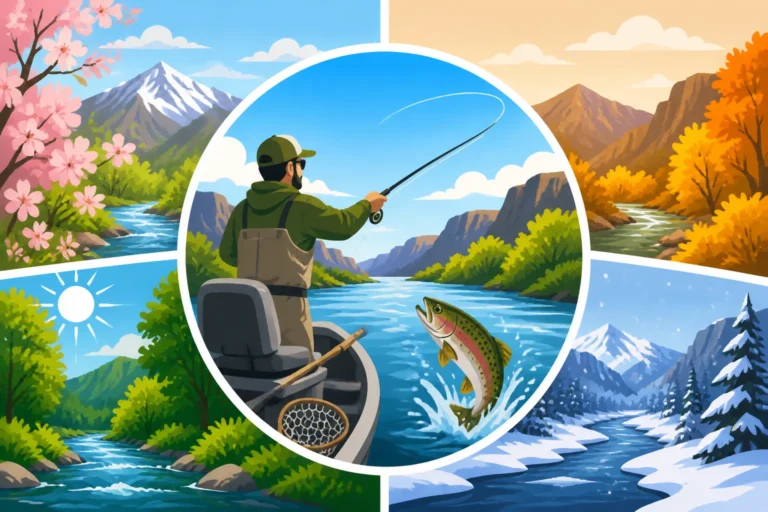
The prime window for guided whitewater trips often begins in mid-July and extends through September, and sometimes into October for fall brown trout runs. During this time, water levels are more manageable, temperatures are comfortable, and the fish are actively feeding. Fall, in particular, can be spectacular, with vibrant foliage adding to the scenic beauty and large brown trout becoming more aggressive as they prepare for spawning. Your guide will be able to advise on the best time to book your trip based on your desired experience and target species.
| Aspect of Trip | Description for Arkansas Whitewater Guided Trips | Considerations |
|---|---|---|
| Vessel Type | Primarily rafts, offering stability and maneuverability in rapids. Some drift boats on less intense stretches. | Rafts allow for standing and casting safely; drift boats offer a lower profile. |
| Target Species | Wild Brown Trout, Rainbow Trout. | Brown trout are prevalent; rainbow trout are often stocked and wild. |
| Skill Level | All skill levels welcome, from beginner to experienced. Guides provide instruction and adapt to your abilities. | Be prepared for active casting and potential rapid navigation; good for learning fast-water techniques. |
| Season | Best from mid-July through September/October, after spring runoff subsides. | Runoff (May-early July) makes fishing difficult; fall offers excellent brown trout action and vibrant scenery. |
| Inclusions | Typically includes guide, boat, safety gear (PFDs), rods, reels, flies/lures, terminal tackle, lunch, and non-alcoholic beverages. | Confirm specific inclusions with your outfitter. Always bring your license and habitat stamp. |
| Physical Demands | Moderate. Requires standing, casting, and active participation. Navigating rapids can be exhilarating. | Inform your guide of any physical limitations. Expect an active day. |
| Cost (Shape) | Varies based on duration (half-day vs. full-day) and number of anglers. Generally higher than stillwater trips due to specialized gear. | Expect a premium for the expertise, equipment, and safety required for whitewater. Check FishingBooker for options. |
Embarking on a guided fishing trip on the Arkansas River's whitewater sections is more than just a day of fishing; it's an adventure into the wild heart of Colorado. With the right guide, you'll gain confidence, hone your skills, and experience the thrill of connecting with powerful trout in one of the state's most iconic rivers. So, take the plunge, trust the experts, and get ready for an unforgettable day on the water.
Disclaimer
This article is for general informational purposes only and does not constitute professional advice. Laws, prices and regulations vary by location and change over time. Consult a qualified professional for guidance on your specific situation.