Guided Trips Near Durango on the Animas River
If you've ever dreamt of casting a line into the clear, vibrant waters of a classic Western trout stream but felt a bit overwhelmed by where to start, you're not alone. The Animas River, winding its way through the historic town of Durango, Colorado, is an incredible fishery, but navigating its public and private access points, understanding its unique hatches, and knowing the best techniques can feel like a riddle. This guide is here to unravel that mystery, focusing on why a guided trip on the Animas River can transform a potentially confusing outing into an unforgettable, successful fishing adventure, even if you’re new to the area or the sport.
Why Consider a Guided Trip on the Animas River Near Durango?
The Animas River is truly a jewel of Southwest Colorado, offering everything from beautiful rainbow trout to feisty brown trout. It flows right through Durango, making it incredibly accessible, but that accessibility can also mean challenges if you don't know the ropes. Imagine pulling up to a promising spot, only to find a tangle of private land signs, or spending hours without a bite because you're using the wrong fly or technique for the day. That's where a local guide becomes invaluable.
A guided trip isn't just about catching fish, though a good guide certainly helps with that! It's about gaining an intimate understanding of the river, learning techniques specific to its currents and its resident fish, and maximizing your time on the water. For many, it's an educational experience that builds confidence and skill, allowing future unguided trips to be far more productive and enjoyable. It's an investment in your fishing journey, saving you the frustration of trial and error in an unfamiliar environment.
Navigating the Animas: Local Knowledge is Key
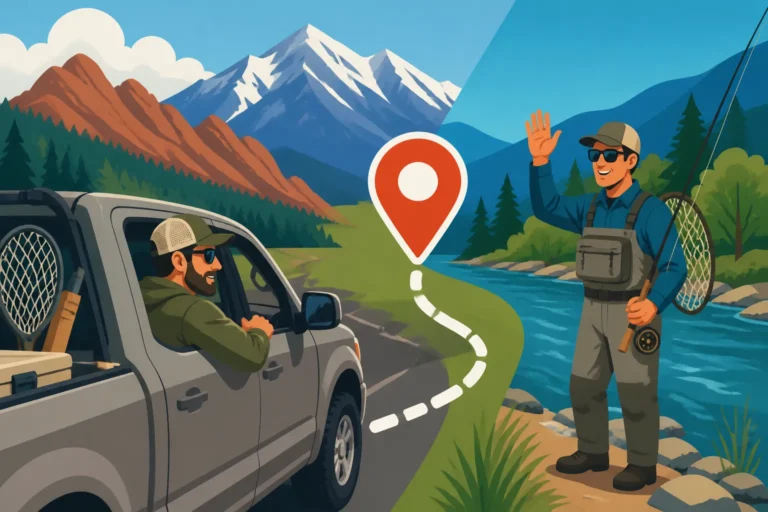
The Animas River, particularly as it winds through and around Durango, is a patchwork of public access points and private property. It can be incredibly confusing for an out-of-towner, or even a newer resident, to discern where they can legally and ethically fish. There's nothing worse than finding a beautiful stretch of water, only to realize you've accidentally trespassed, or missing out on prime fishing because you didn't know about a hidden public easement.
A local guide lives and breathes the Animas. They know every bend, every riffle, and every eddy, along with who owns what land. They can steer you clear of private property issues and lead you directly to productive, publicly accessible stretches that might otherwise be overlooked. This deep local knowledge means less time driving around and guessing, and more time with your line in the water. They can also provide insight into river conditions, like recent flows, water clarity, or temperature, which dramatically influence where the fish are holding and what they're likely to be eating. For instance, if the river is running a bit high from a rainstorm, they'll know exactly which softer edges or eddies to target. This kind of nuanced understanding comes from years of experience on the specific river, something you simply can't get from a map or an online forum. You'll also learn about the local ecosystem and the conservation efforts, which often include protecting native trout populations and ensuring healthy river habitats.
Gear, Techniques, and Seasons: What a Guide Brings
Colorado's trout can be notoriously selective, especially on heavily fished waters or during specific hatches. Trying to guess the right fly or lure, the proper presentation, or the ideal depth can feel like a game of chance. A guide eliminates that guesswork. They spend countless hours on the Animas, observing insect hatches, monitoring fish behavior, and experimenting with different patterns and techniques. They'll show up with a fly box (or tackle box for spin fishing) that's perfectly suited for the day's conditions, saving you the expense and frustration of buying dozens of flies that might not work.
Beyond just gear, a guide is a professional instructor. Whether you're a complete beginner who needs help with casting fundamentals or an experienced angler looking to refine specific techniques like nymphing in fast currents or presenting a dry fly perfectly, they can offer personalized coaching. They'll teach you how to "read the water," identifying the subtle clues that indicate where trout are likely to be feeding or resting. They can explain Best Flies for Colorado's Gold Medal Trout Water and why those patterns are effective on the Animas. This hands-on instruction is invaluable, accelerating your learning curve far beyond what you could achieve on your own. Furthermore, they understand the seasonal nuances. Colorado Fishing Seasons Month by Month are distinct, and what works in May might be completely ineffective in August. A good guide knows exactly how to adapt to spring runoff, summer dry fly action, or the productive, but often chilly, fall brown trout spawn. They can also explain Colorado Fishing License Guide for Residents and Nonresidents rules and help ensure you are properly licensed, as well as being aware of Colorado Fishing Regulations Every Angler Should Know.
What to Expect from an Animas River Guided Trip
Stepping into a guided trip can feel a little different than just heading out on your own, but it's designed to be a seamless, enjoyable experience. Guides aim to make your day productive and stress-free, handling many of the logistical challenges so you can focus on the fishing. From the moment you meet, they'll be assessing your skill level, listening to your goals for the day, and adjusting the plan to match. This personalized approach is what makes a guided trip so special.
It's also important to manage expectations. While guides are experts, they can't guarantee you'll catch a monster trout on every cast. Fishing is still fishing, and part of the joy is the challenge. However, what they can guarantee is that you'll be in the best possible position to succeed, armed with the right knowledge, gear, and techniques for the conditions. You'll learn about the river, its fish, and probably a few stories about other anglers' triumphs and near-misses.
Walk-Wade vs. Float Trips on the Animas
When planning your Animas River adventure, you'll generally encounter two main types of guided trips: walk-wade trips and float trips. Each offers a distinct experience and caters to different preferences and river sections. Understanding the difference is key to choosing the right trip for you.
| Trip Type | Description | Ideal For | Pros | Cons |
|---|---|---|---|---|
| Walk-Wade | Anglers access the river by foot, either hiking into remote sections or walking along the banks. Guides often shuttle you between different access points. | Anglers who enjoy exploring smaller, more intimate water; those who prefer a slower pace; beginners learning casting. | More intimate connection with the river; ability to target specific pockets and seams; great for learning casting and presentation in varying currents. | Covers less ground; can be physically demanding depending on terrain; limited to wadeable sections. |
| Float | Anglers fish from a drift boat or raft, moving downstream and stopping to fish promising spots or getting out to wade select areas. | Anglers who want to cover significant stretches of river; those with physical limitations; experiencing more remote canyon sections. | Covers more water, exposing you to diverse habitats; less physically demanding; excellent for viewing scenery; access to otherwise inaccessible water. | Less intimate with the bankside details; can be harder to fish very specific, small pockets from a boat. |
The Animas offers fantastic opportunities for both. A walk-wade trip allows for a very intimate experience, letting you carefully pick apart specific runs and eddies. Your guide might take you to a lesser-known public access point where you can spend several hours honing your presentation on a particular stretch of river. It's often favored by those looking to learn specific techniques in a focused environment, or by anglers who just love the feeling of being in the river.
Float trips, on the other hand, allow you to cover significant mileage, showcasing diverse sections of the Animas that might be otherwise inaccessible by foot. Imagine drifting through a scenic canyon, casting to banks you couldn't reach, and experiencing the river from a unique perspective. While you'll still have opportunities to get out and wade prime spots, much of the fishing is done from the comfort of the boat. This option is often ideal for anglers who want to see more of the river, have physical limitations that make extensive wading difficult, or those simply looking for a relaxed day on the water with plenty of casting opportunities. Your guide will skillfully maneuver the boat, pointing out fishy spots and keeping you in prime position to make your casts.
What's Typically Included (and What's Not)
One of the biggest advantages of a guided trip is that much of the hassle of bringing specialized gear is taken care of. Generally, What's Included in a Colorado Guided Fly Fishing Trip involves the essential fishing equipment. This means high-quality rods, reels, lines, and a wide selection of flies or lures suited for the day's conditions. This is a huge benefit, especially if you're traveling and don't want to lug all your gear, or if you're a beginner and don't own much equipment yet. Your guide will often provide waders and wading boots as well, ensuring you stay warm and dry and have good traction in the river.
Beyond the gear, most trips include a delicious lunch on full-day excursions, often prepared streamside, along with snacks and non-alcoholic beverages. Transportation from a designated meeting spot to the river and between different fishing locations is also standard. Essentially, your guide handles the heavy lifting, allowing you to focus purely on the experience.
However, there are a few things that are almost always not included. The most crucial is your Colorado fishing license. You must have a valid license before your trip begins. Your guide will remind you, but it’s your responsibility to purchase it. You can often buy these online through the Colorado Parks and Wildlife website, or at local sporting goods stores in Durango. Be sure to understand Colorado Fishing License Costs Explained and purchase it in advance. Another significant exclusion is gratuity for your guide. Tipping is customary in the guiding industry and is a way to show appreciation for their hard work, expertise, and dedication. Guides rely on these tips, so it's good practice to budget for it. Tipping Standards for Colorado Fishing Guides are generally a percentage of the trip cost. Finally, personal items like sunscreen, sunglasses (polarized are highly recommended for fishing!), a hat, rain gear, and appropriate layers of clothing are usually up to you. Check the weather forecast for Durango and pack accordingly; mountain weather can change rapidly! Consider What to Wear on a Colorado Guided Fishing Trip to ensure comfort throughout the day.
Choosing the Right Guide and Booking Your Adventure
With Durango being such a popular outdoor destination, there are many excellent guides and outfitters available. This can be both a blessing and a curse – lots of choices, but how do you pick the right one for you? It's about finding a guide whose style matches your expectations and who can provide the experience you're looking for, whether it's a relaxed day of learning or a focused hunt for trophy fish.
Don't just jump at the first name you see. Take a little time to research, ask questions, and make sure you feel comfortable with your choice. This is your valuable time and money, and a great guide can make all the difference between a good trip and a truly exceptional one.
Finding Reputable Guides in the Durango Area
The best way to find a reputable guide is often through local fly shops in Durango. Shops like Duranglers or Animas Valley Anglers are pillars of the community and employ or partner with experienced guides who know the Animas inside and out. These shops also serve as community hubs where you can get the latest river conditions and stocking reports. Don't be shy about walking in and asking for recommendations or browsing their bulletin boards. Many guides work directly through these outfitters, simplifying the booking process.
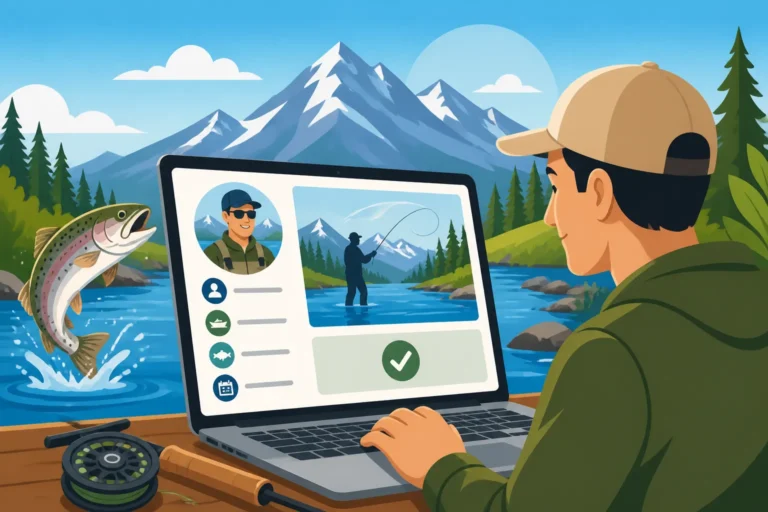
Another excellent resource is online booking platforms. Websites like FishingBooker compile listings for guides and charter services, often including reviews from past clients. This can be incredibly helpful for comparing different guides, seeing their specialties, and getting a sense of their teaching style or personality through testimonials. Using a platform like FishingBooker also often provides a centralized way to check availability and handle payments, making the logistical side of booking a bit smoother. Word-of-mouth is also huge in the fishing world; if you know someone who's fished the Animas, ask them who they went with and what their experience was like. This personal endorsement can be very powerful. Remember to check How to Check Reviews for a Colorado Fishing Guide to ensure you're picking someone with a proven track record.
Questions to Ask Before You Book
Before you commit to a guide, it's a good idea to have a few questions ready. This helps clarify expectations for both you and the guide and ensures there are no surprises on the day of the trip. Here are some key things to ask:
- Experience and Focus: "How long have you been guiding on the Animas River specifically? Do you have a particular specialty, like teaching beginners, targeting large trout, or specific techniques (e.g., dry fly, nymphing, streamer fishing)?" This helps you match their expertise with your goals.
- Trip Style: "Do you primarily offer walk-wade or float trips on the Animas? What does a typical day look like?" Understand the pace and physical demands.
- Inclusions and Exclusions: Reconfirm What's Included in a Colorado Guided Fly Fishing Trip and Do Colorado Guided Trips Include Gear and Flies?. Ask about lunch, snacks, and water. Crucially, ask about Do You Need Your Own License for a Guided Trip in Colorado? and any other fees you should anticipate, like a state park pass if you'll be accessing the river through one.
- Group Size: "What is the maximum number of anglers you take per trip?" Some guides prefer smaller groups for more personalized instruction. You might also ask How Many People One Colorado Guide Boat Holds if considering a float trip.
- Cancellation Policy: "What happens if What Happens If Weather Cancels a Colorado Guided Trip or if I need to cancel for unforeseen circumstances?" Understand their policy regarding deposits and refunds. Weather can be unpredictable in the mountains, so this is important.
- References/Reviews: While you can check online, it doesn't hurt to ask, "Can you provide references from past clients?" or "Where can I read reviews of your guiding services?"
- Licensing and Insurance: It’s perfectly acceptable to ask, "Are Colorado Fishing Guides Licensed by the State?" and about their insurance. Reputable guides will happily answer these questions.
Booking Logistics and Preparation
Once you've chosen your guide, the booking process is usually straightforward. Most outfitters or independent guides will require a deposit to secure your date, with the remaining balance due on the day of the trip. Be prepared to provide your contact information and any relevant fishing experience you might have. Platforms like FishingBooker can streamline this by handling the deposit and confirmations.
As your trip approaches, the guide will typically send a confirmation with details on where and when to meet, what to bring, and what to wear. Pay close attention to this information! The right clothing layers, proper sun protection, and a positive attitude are crucial for an enjoyable day. Make sure you purchase your Colorado fishing license well in advance. Don't wait until the morning of your trip, as technical issues can arise, and you want to be ready to hit the water without delay. Consider packing a small backpack with essentials like a camera, extra layers, any personal medications, and plenty of water, even if drinks are provided.
Remember that How Far in Advance to Book a Colorado Fishing Guide often depends on the season; peak summer months and fall can book up quickly, so if you have specific dates in mind, plan ahead. If you're coming from a lower elevation, hydrating well in the days leading up to your trip can help with the altitude. Most importantly, go into your guided trip with an open mind, ready to learn, and excited for a fantastic day on the beautiful Animas River!
Disclaimer
This article is for general informational purposes only and does not constitute professional advice. Laws, prices and regulations vary by location and change over time. Consult a qualified professional for guidance on your specific situation.