What a Guide Does Differently During Spring Runoff
Oh, spring in Colorado! It's that time of year when the anticipation for glorious fishing builds, but then the rivers start roaring, turning a familiar clear stream into a rushing torrent of muddy, intimidating water. You've got your gear ready, your weekend carved out, and then you look at the river gauges, or just step outside and see the color of the local creek, and a wave of disappointment washes over you. It can feel like your fishing plans are completely washed out, especially if you're not familiar with how to tackle these challenging conditions. But what if I told you that spring runoff doesn't have to mean hanging up your waders? This guide will dive deep into how a seasoned Colorado fishing guide completely changes their approach during spring runoff, turning what seems like an impossible situation into a rewarding fishing adventure.
Understanding Colorado's Spring Runoff Phenomenon
For those of us who live here or visit often, we know that spring runoff is an inevitable, often dramatic, force of nature. It's the annual awakening of our rivers as the mountain snowpack, built up over the long winter, finally starts to melt. While crucial for replenishing our water supplies and supporting river ecosystems, it can present a real head-scratcher for anglers.
What Causes Runoff and Its Impact on Rivers
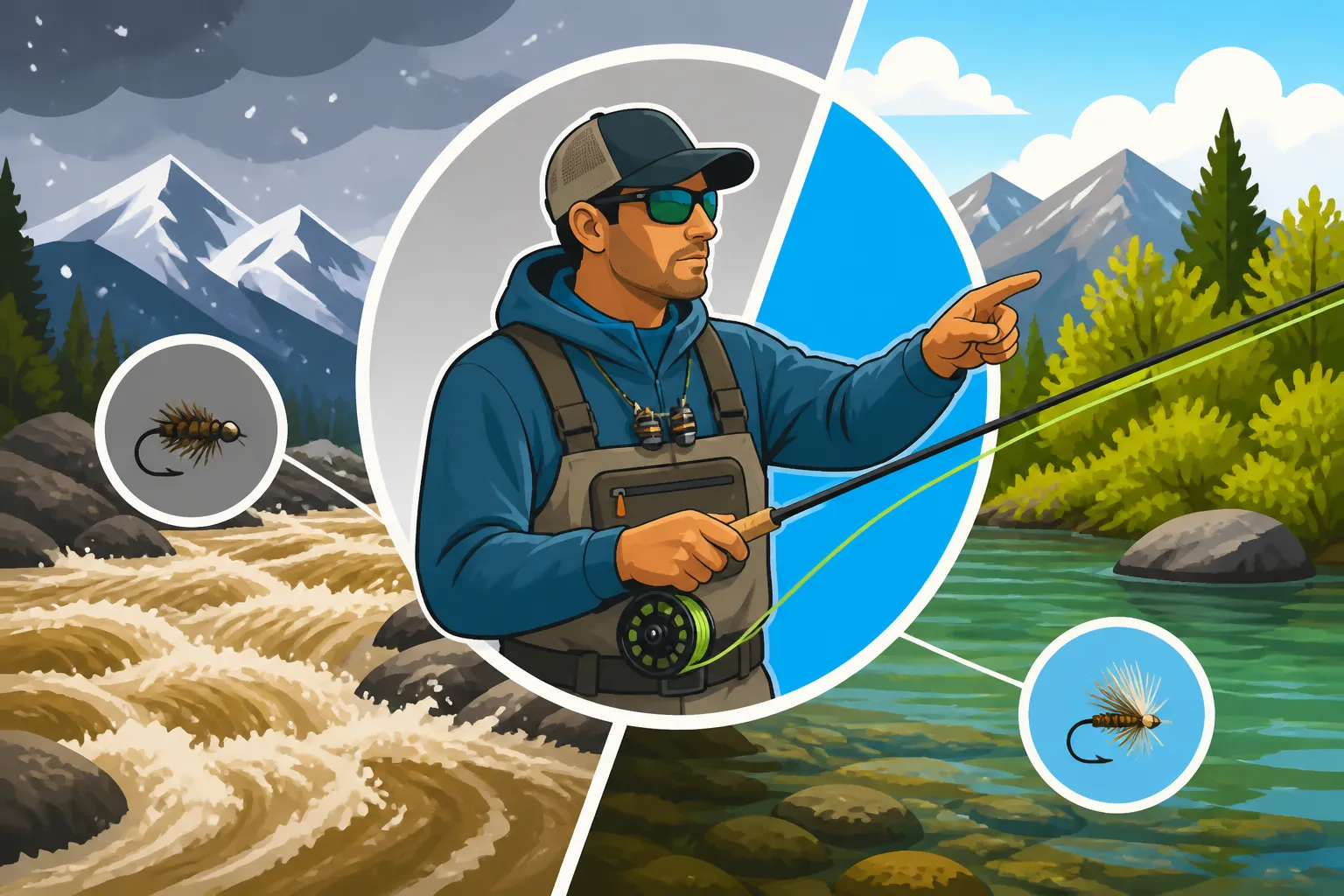
Colorado's spring runoff is primarily driven by rising temperatures that cause the vast snow accumulation in the high country to melt. This meltwater then courses its way down mountainsides, picking up sediment, debris, and gaining incredible speed and volume as it feeds into smaller creeks and eventually our major rivers. Imagine countless tiny streams becoming raging rapids, all converging into an already full river channel. This influx of water drastically changes the river's character. Water levels rise, sometimes several feet in a matter of days. The current becomes incredibly strong, capable of sweeping away anything in its path, including anglers if they're not careful. Most noticeably, the water often turns a cloudy, silty brown – affectionately (or perhaps not so affectionately) known as "chocolate milk." This turbidity severely limits visibility for both fish and anglers. When Colorado's Spring Runoff Hits and How to Fish Around It is a great resource to understand the timing of this annual event.
The impact on fish is profound. They don't just disappear, but their behavior shifts dramatically. Their feeding patterns change because their primary food sources, like aquatic insects drifting in the current, are now harder to see or are simply swept away. They seek refuge from the powerful currents, often moving to slower, shallower edges, eddies, or behind larger submerged structures where they expend less energy. The sheer volume and speed of the water can also dislodge some of their typical holding lies. It's a dynamic, ever-changing environment, and what worked yesterday might be completely useless today. Understanding these fundamental changes is the first step in adapting your fishing strategy.
Why Anglers Dread and Respect Runoff Season
It's fair to say that many anglers eye the calendar with a mix of excitement and apprehension as spring approaches. The dread comes from the challenge and frustration of trying to fish in conditions that seem insurmountable. You tie on a fly, cast it out, and it's swept downstream in seconds. You can't see the bottom, so you have no idea where your fly is drifting, or if it's even reaching the fish. Losing flies to snags in the debris-laden currents becomes an expensive, disheartening ritual. Many fair-weather anglers simply hang up their rods during this period, waiting for the water to drop and clear, often missing out on some incredible, albeit challenging, fishing opportunities.
However, experienced anglers and guides also have a deep respect for runoff season. They understand that while difficult, it's a vital, natural process that invigorates the rivers and can concentrate fish in predictable, though often harder-to-access, areas. The power of the water demands a level of caution and preparation that isn't always present during low-flow conditions. Knowing when and where to fish safely, and what techniques to employ, is paramount. The payoff, for those willing to adapt, can be big, healthy fish that are aggressively feeding in the rare pockets of slower, more accessible water. It’s a time when patience, local knowledge, and strategic thinking truly shine, separating the seasoned anglers from those still learning the river’s unpredictable rhythms.
How Guides Adapt Their Strategies for Runoff
When the rivers swell and churn, a fishing guide isn't just going through the motions. They're enacting a carefully considered, multi-pronged strategy to ensure their clients have the best possible chance of success and, most importantly, a safe and enjoyable experience. This isn't just about picking a different fly; it's about fundamentally rethinking the entire day on the water.
Location, Location, Location: Finding Fishable Water
Perhaps the single most critical adjustment a guide makes during runoff is the choice of where to fish. While local rivers might be unfishable, a good guide knows the "secret spots" that remain productive. Often, this means abandoning the main stem freestone rivers in favor of tailwaters. Tailwaters, those sections of river below large dams, offer a stark contrast to their undammed counterparts. The water released from the bottom of a reservoir is typically colder, clearer, and flows at a much more controlled rate, regardless of the snowmelt happening above. This creates a stable environment where fish can feed more predictably. For a deeper dive into this phenomenon, check out Why Tailwaters Fish Better Than Freestones During Runoff.
Beyond tailwaters, guides might also pivot to stillwaters like lakes and reservoirs, which are much less affected by the high flows and turbidity of river systems. While a freestone river might be a raging mess, a nearby lake can offer excellent fishing for trout, kokanee salmon, or even warmwater species that are unaffected by river conditions. They also know of smaller, high-elevation feeder creeks that haven't yet received the full force of the runoff, or specific side channels and oxbows off main rivers where current is significantly reduced and fish stack up. This intimate knowledge of countless potential fishing spots, often gained over years of scouting and experience, is invaluable. They're constantly checking real-time streamflow data and local reports, sometimes even calling fellow guides or fly shops, to pinpoint the best options. When you book a guided trip, either directly or through a platform like FishingBooker, you're not just paying for their time; you're paying for this deep well of localized, up-to-the-minute information.
Changing Tactics: From Dry Flies to Nymphs and Streamers
Gone are the days of delicate dry fly presentations that define summer fishing in Colorado. During runoff, fish are hunkered down, actively seeking refuge from the strong currents. Their visibility is severely reduced by the murky water, meaning they rely far more on other senses like scent and vibration. This calls for a radical shift in technique. Guides will almost universally switch to subsurface presentations: heavy nymph rigs, large streamers, and sometimes even bait.
Nymphing becomes the dominant strategy. The idea is to get your flies down to the fish quickly and keep them in the strike zone, which is often right on the riverbed or very close to it. This involves using heavier flies, adding split shot, and often fishing multiple nymph patterns at once to imitate a variety of aquatic insects that might be getting dislodged by the high flows. Think big, buggy patterns that create a strong profile and movement in the water. For more specific patterns, What to Fish During Colorado's Spring Runoff offers excellent suggestions. Streamer fishing also comes into its own. Large, articulated streamers that imitate baitfish are incredibly effective, especially for larger, predatory brown trout. The key is to strip them with an aggressive, erratic motion that creates vibration and flashes in the low visibility, triggering an instinctive predatory strike. This is a very active, exciting way to fish that can yield some truly trophy-sized fish.
Reading the Water: Spotting the Subtle Clues
In clear water, reading the river means identifying subtle seams, current breaks, and structures where fish might hold. During runoff, this skill becomes an art form, magnified by the challenging conditions. Guides are experts at identifying "softer" water – areas where the current is significantly reduced, offering a sanctuary for fish. These can be found in surprising places. Look for large boulders or submerged logs that create an eddy directly downstream. Pay attention to the inside bends of a river, where the current naturally slows. Confluences, where a smaller, clearer creek meets a larger, muddier river, can create pockets of better visibility and calmer water that become fish magnets. Even shallow margins or side channels, often overlooked during normal flows, can become prime holding areas.
A guide understands that fish need to expend as little energy as possible to hold their position and feed. This means they will gravitate to these protected zones. They're looking for subtle changes in water color, even within muddy water, indicating a slight decrease in turbidity. They know which bank has undercut banks where fish can hide, or where fallen trees create current breaks. This isn't something you learn from a book; it's a skill honed by countless hours on the water, observing and understanding the river's language. Their ability to pick out these subtle, fish-holding lies in what looks like a chaotic rush of water is a testament to their expertise and makes all the difference in connecting with fish during runoff. When you’re out on a Guided Float Trips on Colorado Rivers, you’ll see firsthand how a guide constantly scans the water, making split-second decisions about where to position the boat and where to tell you to cast.
Essential Gear and Techniques Guides Employ
Success during runoff isn't just about where you go or what general tactics you employ; it's also about the specific tools and methods you use. Guides meticulously select their gear and refine their techniques to maximize efficiency and safety in these demanding conditions.
Rigging for Success: Weight, Indicators, and Leaders
When the water is high and fast, getting your flies or lures down to where the fish are holding is paramount. Fish are rarely looking up for food in these conditions; they're hugging the bottom, often in slower seams or behind structure. This means guides will rig their clients' setups with significantly more weight than usual. This might involve heavier split shot strategically placed on the leader, or using flies with weighted heads (like tungsten-bead nymphs) that sink quickly. The goal is to get the offering to the bottom in the shortest possible drift, ensuring it remains in the strike zone for as long as possible.
Leaders and tippet also undergo a transformation. While delicate, light tippet is favored in clear, low-water conditions, runoff calls for something much more robust. Guides will often use heavier leaders (e.g., 3X or 4X fluorocarbon) that can withstand the abrasive debris in the water and have the strength to fight a strong fish in a powerful current. They'll also opt for larger, more visible strike indicators, sometimes even multiple indicators, to help detect the subtle takes that can occur in murky water. These indicators need to be able to suspend heavier rigs and remain visible amidst the swirling foam and dirty water. It's a system designed for brute force and efficiency, a stark contrast to the finesse required in other seasons.
| Characteristic | Standard Spring Fishing (Pre-Runoff) | Spring Runoff Fishing (Guided Approach) |
|---|---|---|
| Water Level | Moderate to Low | High to Very High |
| Water Clarity | Clear to Slightly Stained | Murky to "Chocolate Milk" |
| Current Speed | Moderate | Fast to Very Fast |
| Primary Tactics | Dry-Dropper, Light Nymphing, Small Streamers | Heavy Nymphing, Large Streamers, Bait |
| Flies/Lures | Small Midges, Baetis, Caddis, Small Streamers | Large Stoneflies, Worms, Egg Patterns, Dark Streamers |
| Leader/Tippet | 5x-6x, lighter for delicate presentations | 3x-4x, heavier for strength and abrasion resistance |
| Weighting | Minimal split shot or weighted flies | Heavy split shot, multiple weighted flies |
| Fish Location | Riffles, runs, deeper pools | Slow eddies, seams, shallow margins, behind structure |
Bait and Lure Choices for High Water
While fly fishing is synonymous with Colorado trout, runoff conditions often demand a pragmatic approach, and that sometimes includes spinning gear and bait. Guides, ever focused on getting their clients into fish, are not afraid to use whatever works. PowerBait, worms, or roe can be incredibly effective in murky, high-water situations. These offerings rely on scent and taste, which fish can detect even when visibility is poor. They also present a dense, easy target for fish hunkered down in the current. It's about triggering a feeding response when visual cues are limited.
For spin anglers, heavier, brightly colored spinners, spoons, or crankbaits are often employed. These lures create significant vibration and flash, which can attract fish from a distance in turbulent, off-color water. The added weight helps them sink quickly and stay in the strike zone. Guides will often experiment with different colors, focusing on those that provide a strong contrast against the muddy water, like chartreuse, orange, or black. They also know that certain bait restrictions apply to different bodies of water in Colorado, so they are always aware of local regulations. Colorado Bait Restrictions and Where They Apply details these rules, which a good guide will always adhere to, ensuring a legal and ethical trip. The key is to present something substantial, easy to find, and appealing enough to entice a strike from fish that might otherwise be stressed or sluggish.
Safety First: Navigating Swollen Rivers
This cannot be stressed enough: safety is paramount during runoff. The powerful currents, unpredictable debris, and slick, unstable banks pose significant risks to even experienced anglers. This is where a professional guide truly earns their keep. They are acutely aware of the dangers and take every precaution to ensure a safe outing.
Guides will meticulously scout access points, avoiding areas with unstable banks or dangerous wading conditions. They understand the river's hydraulics, knowing where hidden submerged obstacles might create treacherous currents or where the bottom might drop off unexpectedly. They will often choose to fish from a drift boat or raft, which allows them to safely navigate stronger currents and access prime fishing lies that would be impossible or unsafe to reach by wading. If wading is necessary, they will often use a wading staff and carefully guide their clients to safe, shallow, slower-moving areas, emphasizing small, shuffling steps and maintaining three points of contact. They carry safety gear, including first aid kits, emergency communication devices, and personal flotation devices (PFDs) for float trips. More than just gear, they possess the critical judgment to know when conditions are simply too dangerous to fish, and they won't hesitate to cancel or reschedule a trip if client safety is compromised. Hiring a Fishing Guide in Colorado, What to Expect outlines many of these professional considerations, reinforcing why a guide is so valuable during challenging times. Their primary responsibility is to bring you back safely, fish or no fish.
The Unseen Benefits of a Runoff Guide Trip
Beyond the obvious advantage of catching fish when you otherwise might not, hiring a guide during spring runoff offers a wealth of less obvious, but equally valuable, benefits. It transforms a potentially frustrating experience into a unique learning opportunity, provides access to exclusive waters, and ensures your peace of mind.
Learning to Fish Challenging Conditions
One of the greatest takeaways from a guided runoff trip is the education you receive. Fishing in high, murky water forces you to think differently, to push beyond your comfort zone, and to master techniques that are rarely needed in ideal conditions. A guide will walk you through the nuances of heavy nymphing, teaching you how to mend your line effectively in strong currents, how to read your indicator for subtle takes, and how to fight a fish that's fighting both you and the river. They'll show you how to identify those elusive "soft spots" in seemingly chaotic water, a skill that translates to all types of river fishing, regardless of the season.
You'll learn about fly selection for low visibility, understanding why a large stonefly nymph or an egg pattern works better than a tiny midge. You'll gain a deeper appreciation for the physics of water flow and how fish conserve energy. This isn't just a day of being "put on fish"; it's a hands-on masterclass in adaptive angling. The skills and knowledge you acquire during a runoff trip will make you a more versatile, capable angler for years to come, enabling you to tackle a wider range of conditions and enjoy Colorado's diverse fishing opportunities more fully. This kind of experiential learning is far more impactful than reading articles or watching videos alone.
Accessing Otherwise Inaccessible Spots
Colorado's public rivers can become incredibly challenging to access during runoff. Shorelines might be submerged, wading routes impassable, and popular spots blown out by the sheer volume of water. This is where a guide truly shines by providing access to waters that would be off-limits to the average angler. Many guides operate drift boats or rafts, which are specially designed to navigate swollen rivers safely. A guided float trip allows you to cover miles of river, accessing prime holding lies that are far from any road or public access point. Guided Float Trips on Colorado Rivers are often the only practical way to fish some of our best waters during this period.
Furthermore, some guides have exclusive permits or relationships that grant them access to private water. These stretches of river are often less affected by runoff's turbidity or high flows due to upstream diversions or unique geological features. Fishing private water with a guide during runoff means you're often fishing clearer, calmer water with significantly less pressure from other anglers. This can be a game-changer when public waters are unfishable. When looking for these specialized experiences, exploring options on platforms like FishingBooker can help you find guides who specifically highlight private water access or float trips as part of their offerings, ensuring you get on the water even when conditions are tough. This ability to put you on productive, often uncrowded water, is a significant advantage that you simply can't replicate on your own.
Peace of Mind and Enhanced Safety
Perhaps one of the most underrated benefits of hiring a guide during runoff is the peace of mind it provides. You don't have to spend hours researching streamflows, agonizing over potential locations, or worrying about your safety in unfamiliar, powerful currents. The guide handles all the logistics, from checking conditions to selecting the right gear and ensuring safe travel on and off the water. They are trained professionals who prioritize your well-being.
This allows you to relax and fully immerse yourself in the fishing experience, confident that you're in capable hands. You can focus on learning, casting, and enjoying the thrill of the catch, rather than constantly assessing risks or feeling overwhelmed by the challenging environment. Knowing that an experienced expert is navigating the river, making tactical decisions, and keeping a watchful eye on potential hazards frees you to enjoy the adventure without undue stress. Ultimately, a guided trip during runoff is an investment not just in catching fish, but in gaining invaluable experience, accessing prime water, and enjoying a safe, worry-free day on Colorado's wild and beautiful rivers.
Disclaimer
This article is for general informational purposes only and does not constitute professional advice. Laws, prices and regulations vary by location and change over time. Consult a qualified professional for guidance on your specific situation.