How Veterans Qualify for Free Fishing in Colorado
It's incredibly frustrating when you've served our country, and yet accessing the benefits you've earned feels like navigating a bureaucratic maze. Trying to understand if you qualify for something as simple as a free fishing license in Colorado shouldn't be another mission, but often, the rules aren't as straightforward as they seem. This guide is here to clear the waters, detailing exactly how veterans can qualify for free fishing in Colorado, focusing on the specific criteria and steps involved so you can spend less time on paperwork and more time enjoying the peace of Colorado's rivers and lakes.
Demystifying Colorado's Fishing Benefits for Veterans
Colorado, like many states, recognizes the immense sacrifices made by its veterans and offers specific programs and benefits to show appreciation. When it comes to fishing, there's a common misconception that all veterans automatically get a free license. While the sentiment is well-meaning, the reality is a bit more nuanced. The state channels its primary free fishing benefits towards veterans with service-connected disabilities, with different tiers of benefits depending on the severity and nature of that disability.
Not All "Free" is Created Equal: Understanding the Nuances
It's crucial to understand that in Colorado, a blanket "free fishing license" for all veterans, regardless of disability status, isn't typically offered for an annual license. If you're a veteran without a service-connected disability, you'd generally follow the same licensing requirements as any other resident or nonresident angler, although Colorado does offer a fantastic opportunity during its annual free fishing weekend where no license is required for anyone. For the rest of the year, the "free" aspect specifically applies to certain categories of disabled veterans. This distinction is important because it shapes what documentation you'll need and what type of license you'll be applying for. Don't let this discourage you; Colorado's commitment to its disabled veterans is robust, and if you meet the criteria, the benefits are substantial.
Recognizing Your Service: The Intent Behind the Benefits
The spirit behind these specific benefits for disabled veterans isn't just about providing a perk; it's about acknowledging the lasting impact of their service and making outdoor recreation more accessible. Fishing offers incredible therapeutic benefits, from the tranquility of being on the water to the meditative focus of casting a line. For many veterans, especially those dealing with physical or mental health challenges, these moments of calm and connection with nature are invaluable. Colorado Parks and Wildlife (CPW) aims to support that healing and provide an opportunity for veterans to enjoy the state's natural beauty. It's a small way to say thank you for the immense sacrifices made.
Essential Qualifications for Colorado's Free Veteran Fishing Licenses
To qualify for a free fishing license in Colorado as a veteran, you'll need to meet specific criteria, primarily centered around your residency status and the nature of any service-connected disability. These are not arbitrary rules; they ensure the benefits are directed appropriately and sustainably.
Colorado Residency: A Non-Negotiable Requirement
For any of the special veteran fishing license benefits, you absolutely must be a legal resident of Colorado. This isn't just a formality; it's a cornerstone of how state-managed resources are allocated. Establishing residency generally means you've lived in Colorado for at least six consecutive months immediately prior to applying for the license, with the intent to make Colorado your permanent home.
This includes things like registering your vehicle in Colorado, having a Colorado driver's license or state ID, filing Colorado income taxes, and generally showing proof of domicile. If you're moving to Colorado and haven't hit that six-month mark yet, you'd initially need to purchase a nonresident license until you've established full residency. Understanding what counts as Colorado residency for licensing is vital, as it's the first hurdle for claiming these special benefits. For more in-depth information, you can always check out the official guide on Colorado Fishing License Guide for Residents and Nonresidents.
The 60% Service-Connected Disability Threshold
This is where many veterans will find their qualification for a free annual small game and fishing license. If you are a Colorado resident and have a service-connected disability rating of 60% or more, you are eligible for this benefit. The disability rating must be determined by the U.S. Department of Veterans Affairs (VA).
To clarify, a "service-connected disability" means that your injury, illness, or condition was incurred or aggravated during your military service. The 60% rating is a specific threshold set by the VA, reflecting a significant impact on your life. This license allows you to fish for a full year without the typical cost, giving you consistent access to Colorado's waters. This is a substantial benefit that acknowledges the ongoing challenges faced by veterans with significant service-connected disabilities.
Severe Permanent Disabilities: Eligibility for a Lifetime License
Beyond the annual license for 60% service-connected disabilities, Colorado offers an even more profound benefit for residents with certain severe, permanent disabilities directly related to their service. This is the Lifetime Resident Disability Fishing License. This license is available to Colorado residents who have:
- Lost the use of an arm or leg.
- Permanent use of a wheelchair.
- Legal blindness.
These conditions represent profound physical challenges that significantly impact daily life and the ability to engage in activities like fishing. The lifetime license is a testament to Colorado's deep commitment to supporting these veterans, ensuring that once you qualify, you never have to worry about renewing or paying for a fishing license again. It’s an incredibly valuable benefit that simplifies access to the outdoors for those who have endured so much. This is a specific benefit highlighted in topics like Colorado's Lifetime License for Residents With Disabilities.
What About Non-Disabled Veterans?
If you are a veteran but do not have a service-connected disability of 60% or more, or one of the severe permanent disabilities listed, you generally won't qualify for a free annual fishing license in Colorado. Instead, you would purchase a standard resident fishing license, similar to other residents. The good news is that Colorado offers various license options, including annual, one-day, and five-day choices, which can be found detailed in Colorado Fishing License Costs Explained.
While a free annual license isn't on the table for non-disabled veterans, there are often fantastic community initiatives and veteran-focused non-profits that organize fishing trips and provide gear, sometimes at no cost. Many local fly shops or outdoor retailers like those found on Amazon also offer veteran discounts on gear, so it's always worth asking. Even without a free state license, the veteran community here is strong, and there are many ways to get involved and enjoy fishing.
Navigating the Application Process for Your Veteran Fishing Benefits
Once you've determined that you meet the eligibility requirements for a free or discounted veteran fishing license in Colorado, the next step is to go through the application process. While it might feel like more paperwork, Colorado Parks and Wildlife (CPW) has streamlined this as much as possible to make it accessible.
Required Documentation for Proof of Service and Disability
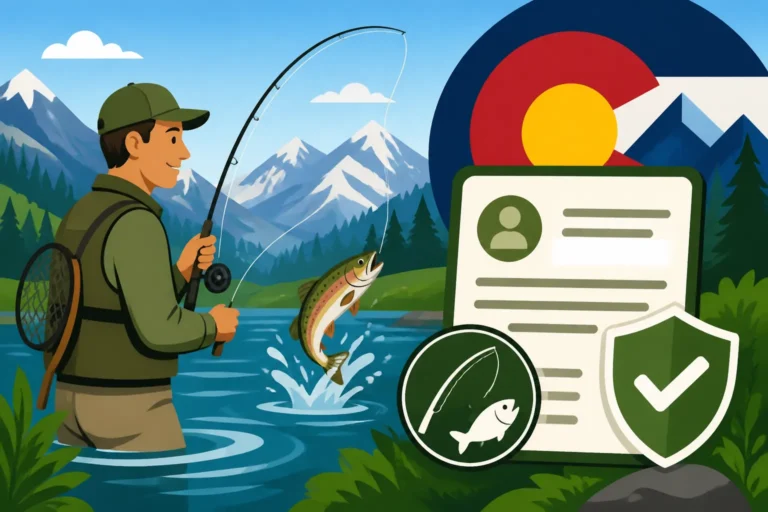
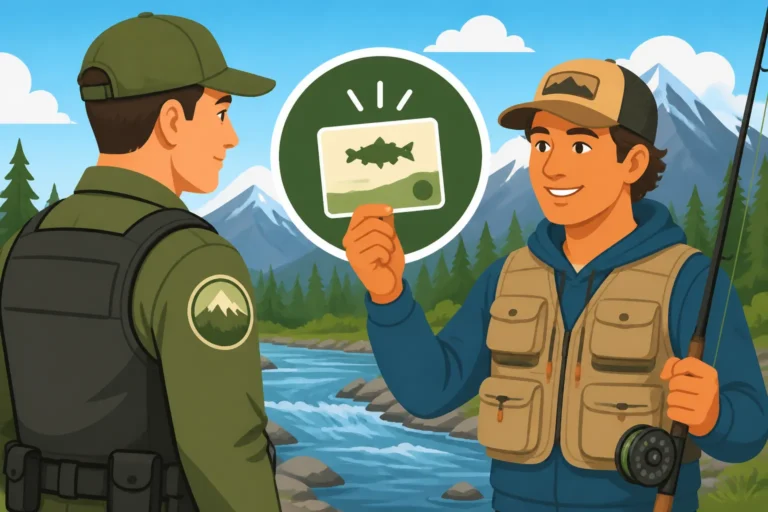
This is perhaps the most critical part of the application: having the right paperwork. Without it, CPW can't verify your eligibility. For the free annual small game and fishing license for veterans with 60% or more service-connected disability, you will typically need:
- Proof of Colorado Residency: This could be your Colorado driver's license or state ID. If you're a new resident, you might need additional documents like utility bills, vehicle registration, or a voter registration card to demonstrate that you meet the six-month residency requirement.
- Proof of Veteran Status: A copy of your DD Form 214 (Certificate of Release or Discharge from Active Duty) is standard.
- Proof of Service-Connected Disability Rating: You'll need an official letter from the U.S. Department of Veterans Affairs (VA) stating your percentage of service-connected disability. This letter is critical as it confirms the 60% or higher rating.
For the Lifetime Resident Disability Fishing License, the documentation will be similar but with a focus on proving the specific, permanent disability:
- Proof of Colorado Residency: As above.
- Proof of Veteran Status: DD Form 214.
- Proof of Qualifying Disability: An official letter from the VA or a licensed physician's statement clearly indicating the loss of use of an arm or leg, permanent use of a wheelchair, or legal blindness. The letter needs to be specific in its description of the condition.
Having these documents organized before you begin the application will save you a lot of time and frustration. Consider keeping digital copies on a secure drive and physical copies in a waterproof document holder, perhaps one you found on Amazon, for easy access.
Where and How to Apply
Colorado Parks and Wildlife offers several convenient ways to apply for your veteran fishing license, accommodating different preferences and situations. The specific process can vary slightly depending on the type of veteran benefit you are seeking. You can learn more about general purchasing methods in How to Buy a Colorado Fishing License.
- In-Person Application: Many veterans prefer this method, especially for first-time applications or for the lifetime license, as it allows direct interaction with CPW staff who can help verify documents and answer questions. You can visit a CPW office, a state park, or one of the numerous licensed sales agents across the state, such as those found at sporting goods stores or even some Walmart locations. They can guide you through the forms and ensure all your documentation is correct. Knowing Where to Buy a Colorado Fishing License in Person can save you a trip.
- Mail-In Application: If you're unable to visit a physical location, you can often download the specific application forms from the CPW website, fill them out, and mail them in with copies of your required documentation. Be sure to send copies, not originals, of sensitive documents. This method can take longer for processing, so plan accordingly.
- Online Application: For the annual 60%+ disabled veteran license, once you are in the CPW system and your disability status is verified, future renewals might be possible through their online portal at CPWShop.com. However, initial applications for disability benefits often require in-person verification or specific mail-in processes to ensure proper documentation review. It's best to confirm the exact method for your specific benefit directly with CPW. You can find more general information on Buying a Colorado Fishing License Online at CPWShop.com.
What to Expect After Application
Once you've submitted your application and all supporting documentation, there will be a processing period. For initial applications involving disability verification, this can take a bit longer than a standard license purchase. CPW staff need to review your VA letter or physician's statement carefully.
You'll typically receive your physical license in the mail. Keep it safe! It's your proof of eligibility. You might also receive a temporary printout or digital confirmation if you apply in person, allowing you to fish immediately. For the lifetime license, once approved, it’s a one-time process, meaning you won’t need to reapply year after year. It's worth noting that How Long Colorado Takes to Process a Lifetime License Application can vary, so patience is key.
Understanding Additional Stamps: Habitat and Second-Rod
Even with a free veteran fishing license, there are a couple of additional considerations in Colorado: the Habitat Stamp and the Second-Rod Stamp.
- Habitat Stamp: Many anglers are required to purchase a Habitat Stamp annually, which helps fund wildlife habitat conservation efforts across the state. The good news for many veterans is that those receiving the free annual fishing license due to a 60% or more service-connected disability, or the Lifetime Resident Disability Fishing License, are exempt from needing a Habitat Stamp. This is a significant waiver that further reduces any cost associated with your fishing activities. You can read more about Colorado's Habitat Stamp, Explained and Who Is Exempt From Colorado's Habitat Stamp.
- Second-Rod Stamp: If you plan on fishing with two rods simultaneously, you will still need to purchase a Second-Rod Stamp, even if you have a free veteran fishing license. This stamp is not typically waived for veterans. It's an additional purchase that allows you to double your chances of catching fish in many waters. If you only plan to use one rod, you don't need this stamp.
So, while the fishing license itself might be free due to your service, always double-check the rules for the Second-Rod Stamp if you plan on using more than one line.
Maximizing Your Colorado Fishing Experience as a Veteran
Receiving your free veteran fishing license is just the beginning. Colorado offers a wealth of fishing opportunities, and there are resources specifically geared towards helping veterans enjoy the outdoors to the fullest.
Exploring Veteran-Specific Outdoor Programs
Colorado is home to numerous organizations dedicated to connecting veterans with nature and outdoor recreation. These groups often organize fishing trips, provide gear, and foster a strong sense of camaraderie among participants. Organizations like Project Healing Waters Fly Fishing, Colorado Parks and Wildlife's veteran programs, or local chapters of organizations like Heroes on the Water often provide fantastic opportunities. These programs are not just about catching fish; they're about therapeutic engagement, peer support, and finding peace in the natural world. Look for local chapters in your area or ask CPW staff about available programs during your license application. Many of these groups rely on donations, and sometimes even a simple gift card from a place like Amazon can help them purchase necessary supplies for their veteran outings.
Recommended Veteran-Friendly Fishing Spots in Colorado
With your license in hand, the entire state opens up to you. Colorado boasts an incredible diversity of fishing experiences, from high-alpine lakes teeming with native cutthroat trout to warm-water reservoirs full of bass and walleye.
For a tranquil experience, consider the many state parks that offer easy access and often have accessible facilities. Chatfield State Park and Cherry Creek State Park near Denver are excellent options, often stocked with trout and other species, and have paved paths and accessible fishing piers. If you're looking for something more remote but still manageable, many of Colorado's Gold Medal Waters, while sometimes requiring more effort, offer unparalleled beauty and exceptional fishing. Check out rivers like the Fryingpan River near Basalt or certain sections of the South Platte River near Deckers for world-class trout fishing. Even if you're not an experienced fly angler, these spots are beautiful places to just be outdoors. Always consult the Colorado Fishing Atlas for up-to-date information on stocking and access points, and remember that Colorado's Gold Medal Water Regulations Explained will provide additional details on specific rules for these premium waters.
Tips for a Smooth Day on the Water
- Check Regulations: Even with a free license, you're still bound by all other Colorado fishing regulations, including bag limits, size restrictions, and specific bait restrictions. Always pick up the latest CPW fishing brochure or check their website before heading out. Topics like Colorado Fishing Regulations Every Angler Should Know are excellent resources.
- Gear Up Smart: You don't need the most expensive gear to enjoy fishing. A basic spinning rod and reel combo, some lures or bait, and a tackle box are great starting points. Many retailers, including larger stores and online platforms like Amazon, offer affordable and reliable fishing starter kits. Don't forget essentials like sunscreen, a hat, water, and appropriate layers, as Colorado weather can change quickly.
- Go with a Buddy: Fishing is often more enjoyable and safer with a friend or family member. If you're new to a spot, having someone with you can be reassuring. Many veteran organizations also facilitate group outings, which are excellent ways to connect.
- Embrace the Outdoors: Remember why you're out there. It's not always about catching the biggest fish; it's about the fresh air, the natural beauty, and the peace of mind. Take a deep breath, enjoy the solitude, or revel in the camaraderie. You've earned this time to relax and recharge.
By understanding these qualifications and taking advantage of the resources available, Colorado's veterans can fully embrace the incredible fishing opportunities the state has to offer, turning past service into future tranquility on the water.
| Veteran Benefit Type | Residency Required? | Disability Rating/Condition | License Type | Habitat Stamp Waived? | Second-Rod Stamp Required? |
|---|---|---|---|---|---|
| General Veteran (Non-Disabled) | Yes | None | Standard Annual/Short-Term License | Yes | Yes |
| 60%+ Service-Connected Disabled Vet | Yes | 60% or more VA-rated SCD | Free Annual Small Game & Fishing License | Yes | Yes |
| Permanently Disabled Resident Vet | Yes | Loss of limb, wheelchair, blindness | Free Lifetime Resident Disability Fishing License | Yes | Yes |
| Free Fishing Weekend (Any Veteran) | No | None | No License Required (Specific Weekend Only) | Not Applicable | Not Applicable |
Disclaimer
Please note that fishing regulations and eligibility criteria for licenses can change. While this guide provides the most up-to-date information at the time of writing, it is always best to consult the official Colorado Parks and Wildlife (CPW) website or contact them directly for the most current and accurate details before planning your fishing trip or applying for a license.