Do Colorado State Park Passes Cover the Cost of Fishing Access?
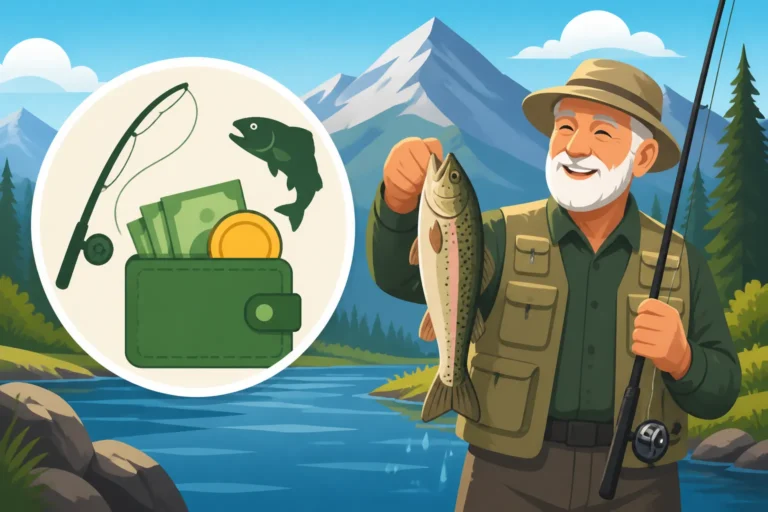
It’s a common and completely understandable assumption: you’ve paid for a Colorado State Park pass, so surely that covers everything you need to enjoy the park, right? Whether you’re heading out for a relaxing day of casting lines or a serious angling adventure, many of us get to the water's edge only to second-guess if we have all our ducks in a row. This guide is here to clear up that persistent confusion, explaining exactly what your state park pass covers and why a separate fishing license is almost always a non-negotiable part of your Colorado fishing experience.
The Clear Distinction: Park Passes Versus Fishing Licenses
The confusion around Colorado State Park passes and fishing licenses is widespread because, on the surface, they both seem to grant access to outdoor recreation. However, they serve fundamentally different purposes and fund entirely separate initiatives. It’s not about double-dipping; it’s about a two-pronged approach to managing our beautiful state's natural resources.
Understanding the "Why" Behind Separate Fees
Think of it this way: your Colorado State Park pass is essentially an entry ticket and a contribution to the upkeep of the state park system itself. These funds go towards maintaining trails, picnic areas, visitor centers, restrooms, boat ramps, and all the incredible infrastructure that makes our state parks accessible and enjoyable for everyone. It ensures the grass is cut, the signs are clear, and the facilities are clean, whether you're hiking, camping, or just enjoying a scenic drive through places like Cherry Creek State Park or Chatfield State Park.
On the other hand, a Colorado fishing license and the associated Habitat Stamp are specifically designed to fund wildlife management and conservation efforts across the entire state. These are the dollars that keep our rivers stocked, support native trout recovery programs, monitor fish populations, enforce fishing regulations, and ensure healthy aquatic ecosystems. Colorado Parks and Wildlife (CPW) uses these funds to sustain fishing opportunities in all public waters, not just those within state parks. Without these dedicated fishing revenues, the quality and abundance of fish we enjoy would decline dramatically. It’s an investment in the future of fishing.
What a Colorado State Park Pass Actually Covers
So, if it doesn't cover fishing, what does a Colorado State Park pass get you? A state park pass grants you access to all 42 Colorado State Parks for day use. This includes things like:
- Vehicle Entry: Your primary fee covers the vehicle entry for the day or the year, depending on the pass you purchase. This is crucial for simply driving into a park.
- Picnic Areas and Facilities: Enjoying a packed lunch at a designated picnic spot, using public restrooms, and accessing visitor centers.
- Trails: Hiking, biking, and sometimes horseback riding on the extensive trail networks found within the parks.
- Boating Access (Launch Fees May Apply): While the pass gets you into the park where a reservoir might be, individual boat launch fees or inspection fees are often separate and paid at the boat ramp itself.
- Wildlife Viewing: Access to areas known for birdwatching or observing other park wildlife.
Essentially, a state park pass facilitates your general recreational enjoyment within the park boundaries. It’s your ticket to the playground, but not necessarily to the specific sports equipment within it. If you're planning a trip to one of the stunning bodies of water found within a state park, like Eleven Mile Reservoir or Blue Mesa Reservoir, remember that the pass is just the first step. You'll still need to make sure you're legally equipped for the actual fishing part of your adventure.
Colorado Fishing Licenses: A Mandatory Step for Anglers
For anyone aged 16 and older, possessing a valid Colorado fishing license is a fundamental requirement for fishing in any public water across the state, and that absolutely includes water bodies located within state parks. This isn't just a suggestion; it's a legal obligation designed to ensure the sustainability of Colorado's fisheries for generations to come.
Who Needs a Fishing License in Colorado
The rules around who needs a fishing license are pretty straightforward, but there are a few nuances that can trip people up.
- Adults (16 and Older): If you've celebrated your 16th birthday, you are legally required to have a current Colorado fishing license to cast a line in public waters. This applies whether you're a seasoned angler or just trying it out for the first time.
- Youth (Under 16): Good news for the younger crowd! Children 15 years old and under do not need a fishing license to fish in Colorado. This is fantastic for encouraging kids to get out and enjoy the sport without an additional barrier. However, any fish caught by an unlicensed youth still count towards the bag and possession limits of an accompanying licensed adult. So, if you're fishing with your child, keep track of their catch alongside your own.
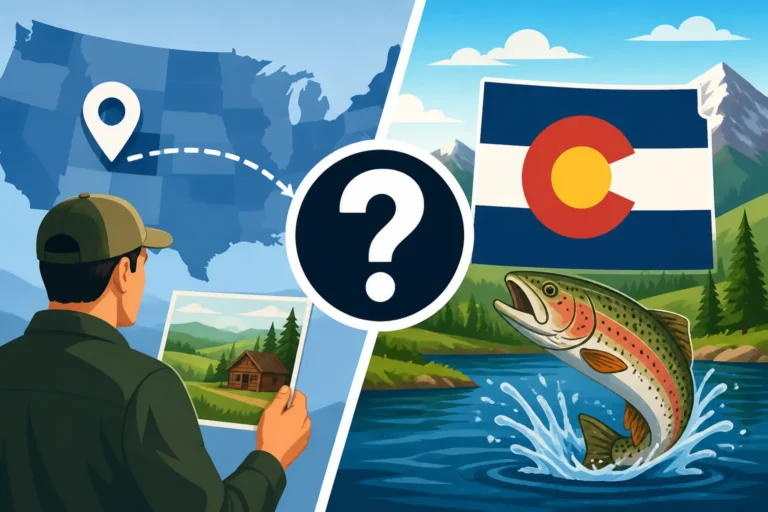
- Residents vs. Nonresidents: Colorado offers different license structures and pricing for residents and nonresidents. Generally, if you've been living in Colorado for at least six consecutive months and can prove residency, you qualify for a resident license, which is typically more affordable. Otherwise, you'll need a nonresident license. You can find more details in our comprehensive Colorado Fishing License Guide for Residents and Nonresidents.
- Specific Exemptions: While rare, some specific situations might exempt an individual from needing a license, such as during Colorado's Free Fishing Weekend, explained in detail in other resources. However, these are exceptions, not the norm.
It's always a good idea to review the official Colorado Parks and Wildlife regulations each year, as rules can occasionally be updated. A quick read of the Colorado Fishing Regulations Every Angler Should Know can save you a lot of trouble.
The Role of the Habitat Stamp
Adding another layer to the licensing requirements is Colorado's Habitat Stamp. This stamp is an additional fee that nearly every angler and hunter must purchase annually when buying their first license of the year. It's not a separate license; rather, it's a critical component that funds wildlife habitat projects across Colorado.
The Habitat Stamp plays a vital role in securing and improving critical habitats for a vast array of wildlife, including fish. These funds are used for everything from restoring riparian areas along rivers to improving access for outdoor recreation. This means healthier rivers, better fish populations, and more places for us all to enjoy.
While most people need one, there are specific exemptions, particularly for very young anglers, seniors, and certain lifetime license holders. For a full breakdown, check out Colorado's Habitat Stamp, Explained and Who Needs Colorado's Habitat Stamp. It's a small fee that makes a huge difference, so don't overlook it!
Different License Types and Costs
Colorado Parks and Wildlife offers a variety of fishing license options to suit different needs and durations of your fishing trips. This flexibility is great, whether you're just visiting for a weekend or plan to fish all year round. The Colorado Fishing License Costs Explained article provides a full breakdown, but here’s a quick overview:
- Annual Licenses: These are valid from March 1st of the purchase year through March 31st of the following year. They are the most cost-effective option for residents and nonresidents who plan to fish regularly throughout the year.
- One-Day Licenses: Perfect for casual anglers or those just trying out fishing for a single day.
- Five-Day Nonresident Licenses: A popular choice for visitors spending a longer vacation in Colorado, allowing them multiple days of fishing without committing to an annual nonresident pass.
Each of these options, along with the required Habitat Stamp, contributes to the ongoing efforts of CPW. Knowing your options beforehand, as detailed in Colorado's Annual, One-Day and Five-Day License Options, ensures you pick the best fit for your adventure.
Practical Implications for Anglers in Colorado State Parks
So, what does all this mean for you when you’re planning a fishing trip to one of Colorado’s stunning state parks? It means a little bit of planning upfront can save you a lot of hassle and potential fines later on.
Fishing in State Parks: What You Need
To legally and smoothly enjoy fishing within a Colorado State Park, you absolutely need to have two key things:
- A Valid Colorado State Park Pass or Daily Entry Fee: This gets your vehicle and you (and your passengers) into the park itself. You can purchase these at the park entrance station, visitor center, or sometimes through automated kiosks. Many people opt for an annual pass if they visit state parks frequently, as it often provides better value.
- A Valid Colorado Fishing License (and Habitat Stamp): This is your permission slip from Colorado Parks and Wildlife to actually engage in fishing. This license must be current, and for those aged 18-64, it must be accompanied by a valid Habitat Stamp. Remember, even if you’re fishing from a kayak or a float tube within a state park, you still need this license.
Failing to have either of these can lead to complications. If you don't have a park pass, you'll be turned away or charged a daily fee. If you don't have a fishing license, you risk significant fines and penalties.
Where to Purchase Licenses and Passes
Thankfully, obtaining both your park passes and fishing licenses is quite convenient these days.
For Colorado State Park Passes:
- At Park Entrance Stations: Most state parks have staffed entrance stations where you can purchase daily or annual passes.
- Visitor Centers: Park visitor centers also typically sell passes.
- Online: Annual passes can often be purchased online through the Colorado Parks and Wildlife website.
- Affixed to Vehicle Registration: Many Colorado residents opt to add the "Keep Colorado Wild Pass" to their vehicle registration for a discounted annual fee, providing easy access to all state parks.
For Colorado Fishing Licenses:
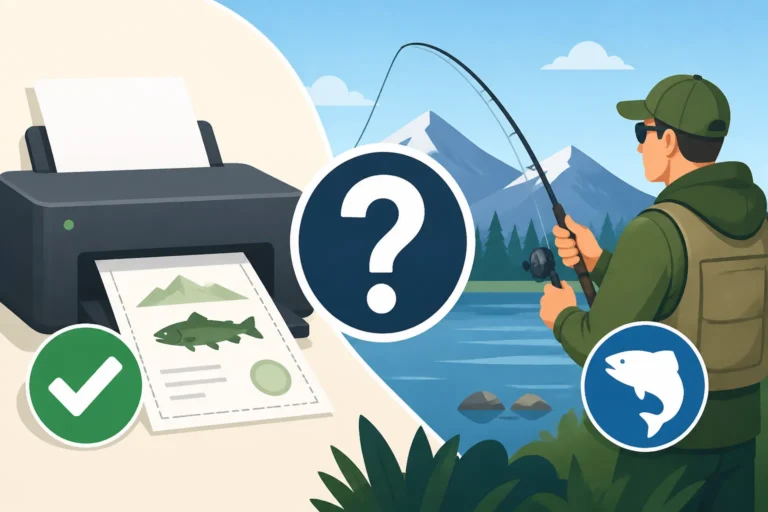
- Online via CPWShop.com: This is often the easiest and quickest method. You can purchase your license from the comfort of your home and print it out or carry a digital copy on your phone. Learn more about Buying a Colorado Fishing License Online at CPWShop.com.
- Authorized Sales Agents: Many sporting goods stores, bait shops, and even some Walmarts across the state are authorized to sell Colorado fishing licenses. Just look for the CPW sign.
- By Phone: You can also purchase a license over the phone by calling Colorado Parks and Wildlife directly.
- CPW Offices: All Colorado Parks and Wildlife offices can sell licenses in person.
It’s always a good idea to purchase these well in advance of your trip, especially if you’re relying on internet access or specific store hours. Planning your gear in advance, perhaps picking up some new tackle or a fishing vest from a retailer like Amazon, is a great strategy, but don't forget to secure your legal access too!
Avoiding Fines and Frustration
Nobody wants their peaceful fishing trip ruined by an encounter with a wildlife officer due to a missed regulation. Understanding the rules and preparing properly is the best way to ensure a smooth and enjoyable time on the water.
The Consequences of Fishing Without a License
Fishing without a valid license (and Habitat Stamp, if applicable) in Colorado can lead to significant penalties. Wildlife officers, also known as game wardens, regularly patrol state parks and other public fishing areas. They are highly trained and equipped to verify compliance with regulations.
- Fines: The most common consequence is a hefty fine. These can vary depending on the specific violation, but they are generally hundreds of dollars, much more than the cost of a license itself.
- Court Appearances: In some cases, especially for repeat offenses or more serious violations (like exceeding bag limits in conjunction with not having a license), you might be required to appear in court.
- Loss of Privileges: Depending on the severity, you could face the suspension of your fishing and hunting privileges in Colorado, and even in other states through interstate agreements.
It's simply not worth the risk. Imagine finally getting to your favorite spot, rods rigged and ready, only to be told you can't fish or are facing a ticket. That’s a frustration no angler wants to experience. Our article on What Happens If You Fish in Colorado Without a License goes into more detail on this often-unpleasant topic.
Planning Ahead for a Smooth Fishing Trip
A little preparation goes a long way. Here are some key tips to ensure your next Colorado fishing trip in a state park is hassle-free:
- Check Regulations Annually: Fishing regulations can change from year to year, and even specific rules for certain bodies of water within state parks might be updated. Always consult the current Colorado Fishing Brochure, available on the CPW website or at license vendors. We highly recommend Reading Colorado's Fishing Regulations Brochure before you head out.
- Purchase Licenses and Passes in Advance: Don't wait until the last minute. Buy your fishing license online or at a vendor a few days before your trip. If you need a state park pass, make sure your annual pass is current or plan to purchase a daily pass upon arrival.
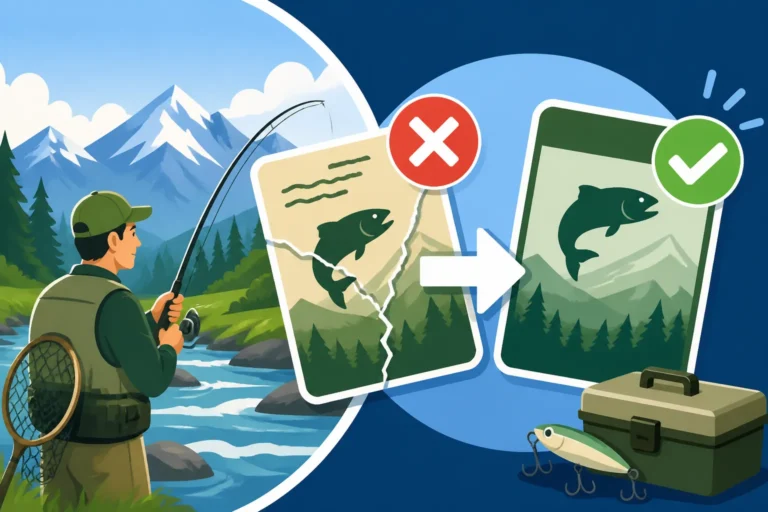
- Keep Proof Accessible: Whether it's a printed copy of your license or a digital version on your smartphone, make sure you can easily show proof of your fishing license and Habitat Stamp if asked by a wildlife officer.
- Gear Up Wisely: Beyond licenses, ensure you have the right gear. From quality rods and reels to appropriate bait or flies, having reliable equipment makes a huge difference. You might find great deals on fishing essentials like a new tackle box, fishing line, or even specialized fishing apparel by browsing options on Amazon before your trip.
- Understand Park Specifics: Some state parks might have unique rules, such as specific hours for certain activities, limitations on bait, or restrictions on Colorado Fishing License Rules for People Fishing From a Kayak or other vessels. A quick check of the park's specific website or calling the visitor center can clarify these details.
- Consider Your Companions: If you're bringing children, remember the rules for Do Kids Need a Fishing License in Colorado?. If they are 15 or under, they don't need a license, but their catch counts towards your limits.
By taking these steps, you can fully immerse yourself in the natural beauty and fantastic fishing opportunities that Colorado State Parks offer, without the worry of unexpected fines or misunderstandings.
Summary of Requirements for Fishing in Colorado State Parks
To help clarify everything, here's a quick comparison of the two primary access requirements:
| Feature | Colorado State Park Pass / Daily Entry | Colorado Fishing License (with Habitat Stamp) |
|---|---|---|
| Purpose | Funds park operations & facilities | Funds wildlife management & conservation |
| What it Covers | Park entry, trails, picnic areas | Legal permission to fish public waters |
| Who Needs It | Vehicle entering the park | Anglers aged 16 and older |
| Where to Purchase | Park entrance, visitor centers, CPW online, vehicle registration (annual) | CPW website, authorized vendors, CPW offices, phone |
| Why You Need Both | To access the park grounds | To legally fish within those grounds |
Conclusion
So, to definitively answer the question: No, a Colorado State Park pass does not cover the cost of fishing access. While your state park pass gets you into the park and allows you to enjoy its many amenities, a separate Colorado fishing license, along with a Habitat Stamp for most adults, is absolutely essential for anyone 16 and older who plans to fish within those park boundaries or any other public waters in the state.
It's a two-part system designed to fund two distinct, yet equally important, aspects of Colorado's incredible outdoor recreation. By understanding and complying with both requirements, you're not just avoiding penalties; you're directly contributing to the preservation and enhancement of Colorado's natural beauty and its world-class fishing opportunities for everyone to enjoy, year after year. Happy fishing!
Disclaimer
Please note that fishing regulations, license costs, and park pass requirements are subject to change by Colorado Parks and Wildlife. Always consult the most current official CPW regulations and information before planning your trip to ensure compliance. This guide is for informational purposes only and should not be considered legal advice.