Colorado’s Trout Possession Limit, Explained
One of the most common headaches for any angler, whether you’re a seasoned local or just visiting Colorado, is wrapping your head around all the fishing regulations. It’s not just about buying a license; understanding how many fish you can keep can feel like a labyrinth, especially when you hear terms like "daily bag limit" and "possession limit." This guide is here to clear up that confusion, specifically breaking down Colorado's trout possession limits so you can enjoy your time on the water without any unnecessary worries.
Understanding Daily Bag Limits vs. Possession Limits
Let's face it, the jargon in fishing regulations can sometimes make your head spin. You’re out on the water, having a great time, and then you start wondering, "Wait, how many fish am I actually allowed to have in my cooler?" The key to answering that lies in understanding two distinct but related concepts: the daily bag limit and the possession limit.
The Crucial Difference Between Daily and Possession
The daily bag limit refers to the maximum number of fish of a particular species or type that you can catch and keep in a single 24-hour period, typically from midnight to midnight. So, if the daily bag limit for rainbow trout is four, you can only put four rainbow trout in your creel or cooler between sunup and sundown (or midnight to midnight, to be precise). Once you've reached that number, you must stop fishing for that species for the rest of the day, or switch to catch-and-release only if the regulations allow it. It's about what you take out of the water in one specific day.
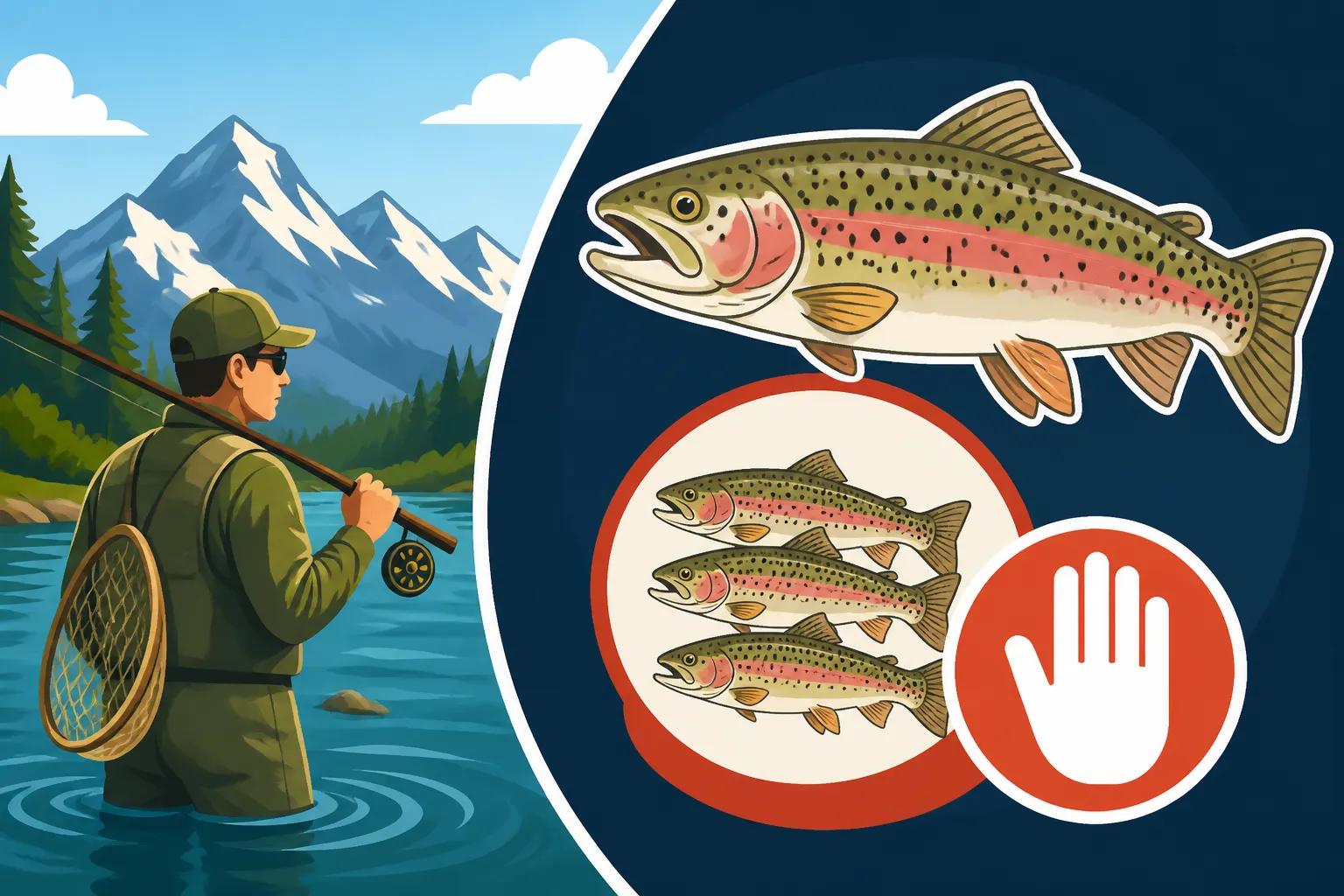
Now, the possession limit is a different beast altogether, and it's where a lot of anglers get tripped up. This limit dictates the total number of fish you can have in your physical possession at any given time, regardless of when or where they were caught. This includes fish at your campsite, in your vehicle, in your freezer at home, or even processed and packaged. Essentially, it's the cumulative total. For trout, the statewide possession limit in Colorado is typically twice the daily bag limit. This means if you fished on Monday and kept four trout, and then fished again on Tuesday and kept another four, your total possession could be eight trout. However, you couldn't then go out on Wednesday and keep more if you still had those eight in your freezer at camp. The possession limit is designed to prevent people from stockpiling fish over multiple days beyond a reasonable amount, ensuring sustainable fishing practices across the state. This distinction is vital, and truly understanding it will help you comply with Colorado Bag and Possession Limits by Species.
Why These Limits Exist for Colorado Trout
These limits aren't just arbitrary rules; they serve a critical purpose in conservation and fisheries management here in Colorado. Colorado Parks and Wildlife (CPW) implements these regulations to protect fish populations, especially trout, from overfishing. Trout are a prized species in Colorado, attracting anglers from all over, and without proper management, their numbers could quickly decline.
The daily bag limit ensures that individual anglers don't deplete local stocks in a single outing, allowing more fish to remain in the water to reproduce and grow. It helps spread the harvest among more anglers over time. The possession limit, on the other hand, takes a broader view. It prevents individuals from continuously harvesting large quantities of fish day after day, which could have a significant cumulative impact on the overall population. Think of it like a personal inventory cap. These limits are especially crucial for species like our native cutthroat trout, which are often part of sensitive recovery programs. They also help distribute the fishing experience, ensuring that there are enough fish for everyone who wants to cast a line. Moreover, they play a role in discouraging commercial-level harvesting by recreational anglers, keeping the focus on sport and sustainability. This careful balance helps maintain the robust fisheries that make Colorado a premier fishing destination. You can often find detailed explanations of these policies within the Colorado Fishing Regulations Every Angler Should Know brochure.
Colorado's General Trout Possession Limits
When you're out chasing trout in the stunning Colorado landscape, it's easy to get lost in the beauty and the thrill of the catch. But before you fill your cooler, knowing the statewide general trout possession limits is paramount. These rules apply to most waters unless specifically stated otherwise, acting as the baseline for your angling adventures.
The Standard Statewide Rules for Trout
For most trout species in most general regulation waters across Colorado, the daily bag and possession limits are fairly straightforward. The general statewide daily bag limit for trout is four fish. This means you can keep up to four trout per day, comprised of any combination of rainbow, brown, brook, or cutthroat trout (unless specific subspecies or locations have different rules, which we'll get into).
The statewide possession limit for trout is eight fish. This means that at no point should you have more than eight trout in your possession, whether they're in your cooler, in your vehicle, or back at your cabin's freezer. So, if you catch and keep four trout on Saturday, and then catch and keep another four on Sunday, you have reached your possession limit of eight fish. If you wanted to fish on Monday and keep more, you would first need to consume or give away some of the trout from your possession to get back under that eight-fish cap. It's a running total, not a daily reset button on your overall store of fish. This general rule is designed to be easily understood by most anglers and helps to prevent overharvesting on a larger scale.
It’s always a good idea to check the most current Colorado Parks and Wildlife (CPW) regulations brochure or their website, as regulations can occasionally be updated. For example, the specific details of How Many Trout You Can Keep Per Day in Colorado are always laid out clearly there.
Specific Species and Water-Specific Exceptions
While the general rule is four daily and eight in possession, Colorado's diverse ecosystems and conservation goals mean there are many exceptions. These exceptions are critical and often pertain to specific species, bodies of water, or even specific stretches of a river. Ignoring them can lead to serious penalties.
For instance, certain "wild trout" waters might have a lower daily bag limit, sometimes as low as two fish, or even be designated entirely as catch-and-release only. This is often done to protect fragile, self-sustaining populations of wild brown or rainbow trout. Similarly, some high-country lakes or small streams might have different limits for brook trout, which can sometimes be more prolific in certain areas.
Kokanee salmon, while technically a trout relative (a landlocked sockeye), often have their own distinct limits, especially during their fall spawning runs when specific areas might be closed to fishing or have unique snagging regulations. For example, at Blue Mesa Reservoir, the kokanee limits are much higher than for other trout species, reflecting different management goals for that particular fishery.
Then there are length limits. You might encounter rules like "only one trout over 14 inches" or a slot limit, which allows you to keep fish within a certain size range but requires releasing fish that are too small or too large. For example, some Gold Medal Waters enforce a Colorado's 14-Inch Trout Length Rule where all trout between 12 and 16 inches must be released, but you can keep one over 16 inches. These variations are put in place to manage the age structure of fish populations, often encouraging the harvest of smaller, more numerous fish while protecting larger, breeding-size individuals.
Always, and I mean always, consult the current Colorado Fishing Regulations brochure or the CPW website for the specific water you plan to fish. You can even check out the Colorado Fishing Atlas, a fantastic online resource, which provides hyper-local details down to specific stream sections. Don't rely on word-of-mouth or last year's regulations, as these rules are subject to change to best manage Colorado's precious aquatic resources. A quick search on Amazon for a waterproof fishing regulations holder can keep your printed copy safe and handy.
Navigating Special Regulations and Gold Medal Waters
Colorado is renowned for its exceptional fishing, and part of what makes it so special are the designated "Gold Medal Waters" and other areas with highly specific regulations. These areas offer incredible angling opportunities but also demand a keen understanding of their unique rules to ensure you're fishing legally and responsibly.
How Gold Medal Waters Impact Your Possession
Colorado's Gold Medal Waters are stretches of rivers or lakes that consistently produce large trout (over 14 inches) at a rate of 60 pounds per acre, along with a minimum of two large trout per acre. There are 322 miles of rivers and three lakes designated as Gold Medal Waters, offering some of the best trout fishing in the state. However, with great fishing comes great responsibility, and the regulations in these areas are often more stringent than general statewide rules.
While the general statewide possession limit for trout is eight, Gold Medal Waters often have much lower daily bag and possession limits, or they may even be designated as catch-and-release only. For instance, many Gold Medal stretches have a daily bag limit of two trout, and a possession limit that often aligns with that, meaning you can only ever have two Gold Medal Water trout in your possession at any time from that specific stretch. Some sections might also have specific length restrictions, such as "all trout between 12 and 16 inches must be released," or "only one fish over 16 inches." This is because these waters are managed for quality, not quantity, aiming to grow trophy-sized fish and maintain robust wild populations.
It's crucial to understand that if you keep fish from a Gold Medal Water, those fish count against both the Gold Medal Water's specific possession limit and your statewide possession limit. You can't, for example, have two Gold Medal trout in possession and then claim they don't count towards your general limit of eight. They absolutely do. When planning a trip to these premier locations, it's absolutely vital to review the Colorado's Gold Medal Water Rules in the current regulations brochure. Always double-check the specific section of the river you intend to fish, as regulations can vary even within a single Gold Medal stretch.
Catch-and-Release Zones and Their Role
Beyond Gold Medal Waters, many other areas in Colorado, including certain high-alpine lakes, urban ponds, or sensitive native trout recovery areas, are designated as catch-and-release only. This means that any fish you catch in these waters, regardless of species or size, must be immediately returned to the water unharmed. In catch-and-release zones, your possession limit for that specific water is effectively zero. You cannot keep any fish.
These zones are often established for a variety of reasons:
- Conservation: To protect endangered or threatened native species, like certain subspecies of cutthroat trout. For example, some streams are managed specifically for Catch-and-Release Rules on Colorado's Cutthroat Waters to aid in their recovery.
- Fisheries Enhancement: To allow fish to grow to trophy sizes, providing a unique angling experience without harvesting.
- High Pressure Areas: In heavily fished urban ponds, catch-and-release helps distribute the angling pleasure over a longer period, as fish caught one day can be caught again later.
When fishing in a catch-and-release area, it's particularly important to practice responsible fish handling. Use barbless hooks, minimize the time the fish is out of the water, and handle it gently with wet hands to avoid removing its protective slime coat. Using a rubberized landing net, easily found on Amazon, can also help minimize harm to the fish. Remember, even if you accidentally kill a fish in a catch-and-release zone, you cannot legally possess it. It's a tough pill to swallow, but the intent of the regulation is to ensure no fish are removed from these protected populations. Always confirm if you're in a catch-and-release area before wetting a line, as ignorance of the rules is no excuse.
Practical Tips for Staying Within Limits
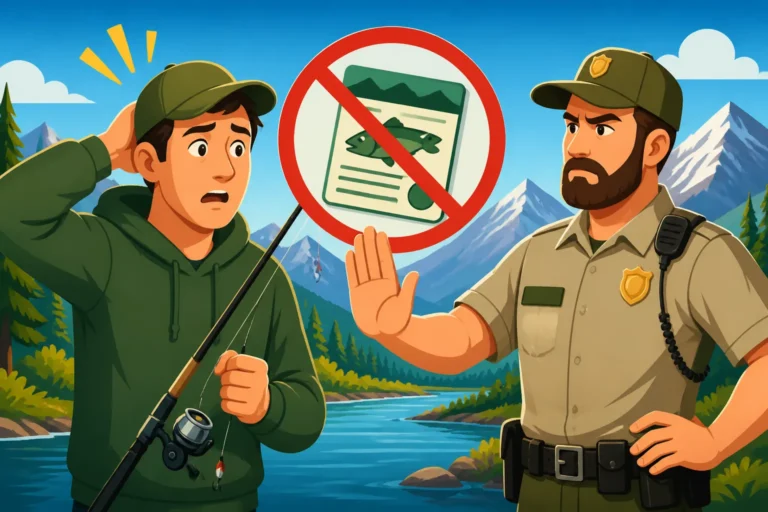
Navigating Colorado's fishing regulations, especially the nuances of possession limits, can feel like a test. But with a few practical strategies, you can easily stay compliant and focus on the joy of fishing. Nobody wants a run-in with a Colorado Parks and Wildlife officer, and thankfully, it’s quite avoidable with a little forethought.
Keeping Track of Your Catch in the Field
The simplest way to ensure you're always within your daily bag and possession limits is to keep meticulous track of your catch. This sounds obvious, but when the fish are biting, it's easy to lose count.
Here are a few straightforward methods:
- Physical Tags or Markers: If you plan on keeping fish, consider having a small set of numbered tags or even colored zip ties. As you keep a fish, attach a tag or zip tie to its gill plate or fin. This gives you a visual count right in your cooler. If your daily limit is four, once you have four tags out, you know you're done keeping fish for the day.
- Digital Notes or Apps: Your smartphone can be your best friend. Create a simple note in your phone's notepad, or use one of the many fishing log apps available on platforms like Amazon's Appstore. Simply jot down the species and number of fish kept each day. This digital log helps immensely with the cumulative possession limit, as you can quickly reference how many fish you currently have stashed in your cooler or freezer.
- Dedicated Cooler/Bag: If you are fishing multiple days, or moving between areas with different limits, consider using separate coolers or bags for fish caught on different days or in different regulation zones. Label them clearly. This might seem a bit extreme, but it provides an undeniable record of your harvest and helps prevent any accidental overages.
- Measure First, Keep Second: If length limits are in play, always measure your fish before you decide to keep it. A collapsible measuring tape is a must-have in your tackle box. Don't eyeball it; a fish that looks "close enough" might land you in hot water.
Remember, the possession limit isn't just about the fish in your immediate cooler; it extends to any fish you've already kept from previous days that are still in your physical control, such as in your vehicle or at your accommodation. If you're on a multi-day trip and have four trout in your cooler from Monday, and another four from Tuesday, your current possession is eight. If the statewide possession limit is eight, you cannot keep any more fish until some of those eight are no longer in your possession (i.e., eaten, given away, or otherwise disposed of). Always consider your cumulative total.
What Happens if You Exceed the Possession Limit?
Exceeding the possession limit for trout in Colorado, whether intentionally or accidentally, is a serious offense that can lead to significant penalties. Colorado Parks and Wildlife officers are vigilant, and they have the authority to check your catch, your coolers, and even fish stored at your campsite or in your vehicle.
The consequences can range depending on the severity and nature of the violation:
- Fines: You can expect substantial fines, which vary based on the number of fish over the limit and the species involved. These fines can quickly add up, often costing hundreds of dollars per fish, especially for protected species or in high-value waters.
- Seizure of Equipment: In some cases, your fishing gear, including rods, reels, and even your boat, could be confiscated.
- Loss of Fishing Privileges: A common penalty is the suspension of your fishing license, which could range from a few months to several years, not just in Colorado but potentially across multiple states that participate in interstate wildlife violation compacts. This means you could be banned from fishing anywhere.
- Criminal Charges: For egregious violations or repeated offenses, you could even face criminal charges, leading to jail time, especially if the violation is deemed poaching or commercial intent.
The penalties are designed to be a strong deterrent, emphasizing the importance of sustainable fishing and adherence to regulations. It's a far greater hassle and expense than simply being mindful of your limits in the first place. Imagine getting caught with an over-limit of trout after a fantastic trip, only to have your weekend ruined and face a hefty fine. It simply isn't worth the risk.
This is why having a clear understanding of Possession Limits vs Daily Limits in Colorado is so critical. Always err on the side of caution. If you're unsure about a specific regulation, assume the most conservative limit, or better yet, consult the official CPW regulations before you cast your line.
Summary of General vs. Possession Limits for Colorado Trout
To help consolidate all this information, here's a quick reference table outlining the typical differences between daily and possession limits for trout in Colorado's general waters, alongside common exceptions. Remember, always verify with current CPW regulations for the specific water you are fishing.
| Regulation Type | General Statewide Trout Waters | Gold Medal Waters (Typical) | Catch-and-Release Only Waters |
|---|---|---|---|
| Daily Bag Limit | 4 trout (any combination) | 2 trout (species/length specific) | 0 (all fish must be released) |
| Possession Limit | 8 trout (cumulative total) | 2 trout (cumulative total) | 0 (no fish may be possessed) |
| Length Restrictions | Generally none (check exceptions) | Common (e.g., 14-inch rule, slot limits) | N/A (no harvest allowed) |
| Species Specifics | Standard trout species (rainbow, brown, brook, cutthroat) | May have specific rules for wild populations | Critical for native trout recovery areas |
This table provides a snapshot, but it's no substitute for reading the full official regulations provided by Colorado Parks and Wildlife. A portable regulations brochure, perhaps one you ordered online, is always a smart addition to your gear.
Disclaimer
Please be aware that fishing regulations are subject to change. While this guide provides comprehensive and up-to-date information at the time of writing, it is your responsibility to consult the current Colorado Parks and Wildlife (CPW) official regulations brochure or their website (cpw.state.co.us) before engaging in any fishing activities. Compliance with all state and local laws is essential for a safe and legal fishing experience.