Fishing the Taylor River Near Almont
There’s nothing quite like the allure of Colorado’s high-country rivers, but for many anglers, the Taylor River near Almont presents a unique challenge and immense reward. It’s not just another pretty stream; its waters are famous for harboring some of the largest trout in the state, yet these very fish can be incredibly difficult to fool. This guide is here to help you unravel the mysteries of the Taylor, from its famous trophy section below the dam to its more accessible downstream stretches, ensuring you arrive prepared and confident.
Understanding the Taylor River's Unique Character
The Taylor River is a true gem in the heart of Colorado's Gunnison Valley, but what makes it so distinct from other world-class fisheries is its dual personality. Upstream, it's a cold, turbulent mountain stream. Downstream from Taylor Park Reservoir, it transforms into something else entirely, offering two very different angling experiences. It's this dichotomy that can be confusing for first-time visitors, wondering if they've packed the right gear or learned the right techniques.
The Dam's Influence: Tailwater Dynamics
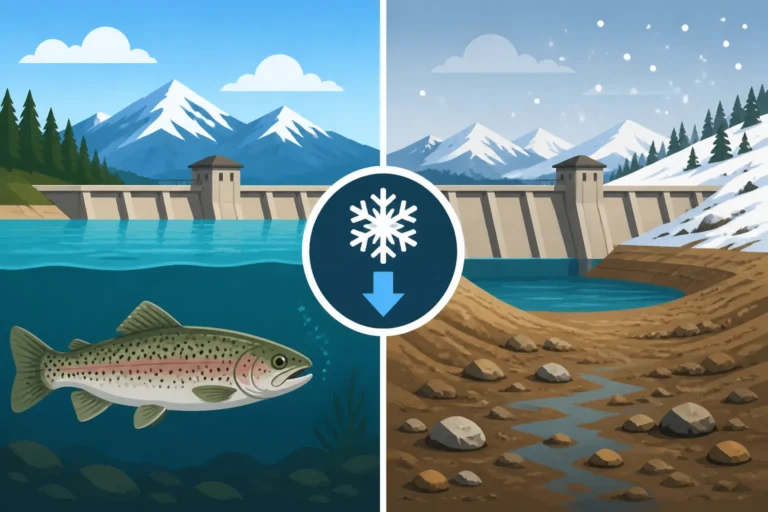
Below the massive Taylor Park Dam, the Taylor River emerges as a classic "tailwater" fishery. This means the water flowing out of the dam comes from the bottom of the reservoir, maintaining a remarkably consistent and cold temperature year-round. This stable environment is absolutely crucial for trout. Unlike freestone rivers that fluctuate wildly with snowmelt and summer storms, the dam acts as a massive temperature and flow regulator. For trout, this means a steady supply of aquatic insects can thrive without being washed out or scorched by warm water.
This consistent habitat is the primary reason the Taylor River below the dam, often affectionately called the "Hog Trough," can support such an incredible biomass of large, healthy trout. The dam also acts as a nutrient trap, concentrating food sources for the fish. The downside? These trout see a lot of fishing pressure and become incredibly selective. They're fat and happy, but they're also wise to nearly every trick in the book. This section demands finesse, precise presentations, and often, tiny flies on light tippet. It's a place where you'll witness fish that are truly enormous, but catching them can feel like earning a Ph.D. in angling.
Beyond the Dam: Freestone Stretches and Their Challenges
As the Taylor River flows further away from the dam, it gradually begins to regain more of its natural "freestone" characteristics. Tributaries join, adding varying temperatures and sediment loads. The river widens, the current speeds up in some sections, and the bottom composition shifts. This transition means the fishing changes dramatically. You might find a wider variety of insect life, different fish holding patterns, and often, less pressured trout.
The further downstream you go, particularly past the confluence with Willow Creek or towards Almont, the river acts more like a typical Rocky Mountain stream. Here, trout are still abundant, but they might be smaller on average than those right below the dam. However, they're often more willing to take a variety of flies and lures, making for a more active and less frustrating day for many anglers. These sections are influenced by snowmelt runoff in the spring and can warm up more in late summer, which can impact fishing conditions. Understanding this shift is key; the techniques that excel in the tailwater might be completely ineffective just a few miles downstream.
Key Sections of the Taylor River and What to Expect
The Taylor River isn't a monolithic stretch of water; it's a collection of distinct environments, each with its own character, challenges, and rewards. Knowing where you are on the river and what to anticipate will dramatically improve your chances of success and help you choose the right approach.
The Catch-and-Release Only Water Below Taylor Park Dam (The Hog Trough)
This is the legendary section, undoubtedly the most famous part of the Taylor River, and for good reason. It starts immediately below the Taylor Park Dam and extends approximately a half-mile downstream to the upper boundary of the Taylor Canyon. This short stretch of water is strictly catch-and-release only with artificial flies and lures. The trout here are truly monstrous. We're talking about rainbow and brown trout that regularly push into the 20-30 inch range, often tipping the scales at several pounds. They're often visible, cruising in the unbelievably clear, cold water, which can be both thrilling and maddening.
Anglers here typically employ highly technical nymphing strategies, using multiple small flies (midges, tiny mayfly imitations) on long leaders with very light fluorocarbon tippet (often 6x or 7x). Dry fly fishing can be exceptionally challenging, as these large, discerning fish have seen it all. However, during strong midge or Blue-Winged Olive hatches, a perfectly presented dry fly can elicit an explosive strike. The sheer size of these fish means that even if you only hook a few, you'll likely remember them forever. The "Hog Trough" isn't a numbers game; it's about the pursuit of a true trophy and the ultimate test of your angling skill. Be prepared for crowds, especially on weekends, as this unique section draws anglers from all over the world.
Downstream from the C&R Section: General Regulation Water
Once you move beyond the half-mile catch-and-release stretch, the Taylor River transitions into a more traditional fishery, though still heavily influenced by the dam. This "general regulation" water extends downstream for many miles, all the way to the confluence with the East River in Almont. Here, you'll still find impressive numbers of trout, including a healthy population of browns and rainbows, though perhaps not the same density of true giants as in the Hog Trough. The regulations become more liberal, typically allowing for spin fishing with bait or lures, and a harvest limit often applies, though it's always wise to check the most current regulations from Colorado Parks and Wildlife (CPW). Understanding Colorado Fishing Regulations Every Angler Should Know is crucial, especially when moving between different sections of the river.
This broader stretch offers a more diverse fishing experience. You'll find a mix of riffles, runs, deeper pools, and pocket water, providing opportunities for various techniques. Wade fishing becomes more accessible, and while technical nymphing remains effective, you might also find success with larger dry flies, streamers, and traditional spin-fishing setups. For those who prefer a less crowded experience or want to keep a few fish for dinner, this is where you'll likely spend most of your time. Don't underestimate this section; it still holds plenty of beautiful, feisty trout that are a blast to catch.
The Confluence with the East River
The small town of Almont is famous as the "Confluence," where the Taylor River merges with the East River to form the mighty Gunnison River. This is a significant geographical and angling point. The Taylor River, having gained more size and varying characteristics from its journey, meets the East River, which is itself a fantastic fishery. The combined flow creates a larger, more powerful river, and the fishing dynamics shift once again.
At the confluence itself, and downstream into the early stretches of the Gunnison, you'll find a mixed bag of trout species, potentially including some of the larger fish that have migrated from upstream or come up from the Gunnison. The water here is generally deeper and wider, often requiring longer casts or different boat-based approaches if you're floating. The increased volume can also make wading more challenging in places. This area is a prime spot for those looking to fish multiple rivers in one trip, or for anglers interested in targeting larger brown trout with streamers, especially during the fall spawning runs. The convergence of these two powerful rivers creates a rich ecosystem that supports a robust and diverse fish population.
Essential Gear and Techniques for Taylor River Success
Approaching the Taylor River without the right gear and a solid understanding of its preferred techniques is like trying to climb a mountain in flip-flops. This river demands specific strategies, especially in its trophy sections, and being prepared makes all the difference between a frustrating day and a memorable one.
Fly Fishing: Nymphing and Dry Fly Approaches
For many, fly fishing is the quintessential Taylor River experience. Given the clear, cold water and the often highly selective trout, fly fishing offers the precision needed to fool these wary fish.
Nymphing Techniques for Colorado Tailwaters: Nymphing is, without a doubt, the most consistently productive method on the Taylor, particularly in the "Hog Trough" and other tailwater-influenced sections. The steady flow from the dam provides a consistent drift for aquatic insects, and the trout spend most of their time feeding on these subsurface morsels. A standard two-fly nymph rig, often fished under an indicator, is the bread and butter. You'll want to use tiny flies (sizes 18-24), mimicking midges, small mayflies (like Blue-Winged Olives), and sometimes tiny caddis larvae. Presentations need to be drag-free, often requiring significant reach casts or dynamic mends. For the truly challenging fish, Euro Nymphing techniques can be incredibly effective, allowing for direct contact with your flies and sensitive strike detection without an indicator. Remember, light tippets (5x, 6x, or even 7x fluorocarbon) are essential for fooling these keen-eyed trout.
Dry Fly Fishing Colorado's Freestone Rivers: While nymphing rules the roost, dry fly fishing can be spectacular when conditions are right, particularly in the downstream freestone sections or during specific hatches in the tailwater. Midges are a year-round staple, and even large trout will sip tiny adult midges on the surface, especially on calm days. During spring and fall, look for Blue-Winged Olive hatches; these small mayflies can bring even the largest trout to the surface. In summer, caddis hatches are common, and terrestrials like grasshoppers and ants become viable options, especially in the more open, grassy sections. A dry-dropper rig can be a fantastic way to prospect, offering a dry fly on the surface and a small nymph trailing below. Success with dry flies hinges on careful observation of the water, matching the hatch precisely, and executing delicate, drag-free presentations.
Spin Fishing for Trout
While fly fishing often takes center stage on the Taylor, spin fishing can be incredibly effective, especially in the general regulation waters downstream from the immediate catch-and-release section. Don't let anyone tell you it's not a legitimate way to catch fish; many anglers have great success with spinning gear.
The key to spin fishing the Taylor is using light tackle and being mindful of your approach. Ultralight or light-action rods (5-7 feet) paired with small spinning reels spooled with 4-6 lb test monofilament or fluorocarbon line are ideal. This allows for delicate presentations and maximizes the fight of the fish. Small inline spinners, such as Panther Martins or Mepps, in natural colors (gold, silver, black, brown) are often deadly. Small spoons, like Kastmasters or Daredevils, can also be very effective, especially when trying to reach deeper pools. Many anglers also find success with small soft plastics, often rigged on a jig head, mimicking worms or small baitfish. Live bait, such as worms or salmon eggs, is usually permitted in the general regulation areas, and can be a fantastic option, particularly for beginners or those seeking a higher catch rate. Just be sure to check the specific regulations for the stretch you're fishing.
Recommended Tackle and Flies/Lures
Having the right arsenal can make all the difference on the Taylor.
For fly anglers, a 9-foot, 4 or 5-weight fly rod is a versatile choice for most of the river. If you're focusing solely on the "Hog Trough" and its massive, selective fish, a 3 or 4-weight might offer more sensitivity for detecting subtle takes on tiny flies and protecting light tippets. A quality reel with a smooth drag is crucial for battling big trout. Don't skimp on tippet; fluorocarbon is preferred for its invisibility underwater and abrasion resistance. A selection of small indicator nymphs (Pheasant Tails, Hare's Ears, RS2s, Zebra Midges) in sizes 18-24, midge emergers, and tiny dry flies (Griffith's Gnats, Parachute Adams) will cover most situations. Having a few larger stonefly or caddis nymph patterns is good for the freestone sections.
Spin fishermen should carry a variety of small lures. A tackle box with a good selection of inline spinners (sizes #0-#2), small spoons (1/8 oz to 1/4 oz), and some soft plastic grubs or trout magnets will serve you well. Colors should range from natural browns and greens to brighter patterns for stained water. Always carry extra leader material and split shot to adjust to changing conditions. And no matter your chosen method, a good pair of polarized sunglasses will help you spot fish in the clear water, and a wide-brimmed hat will offer sun protection.
Here's a quick comparison of the river sections and general approaches:
| River Section | Primary Fish Species | Key Regulations | Recommended Techniques | Target Fish Size | Crowd Level |
|---|---|---|---|---|---|
| Taylor Park Dam C&R | Rainbow, Brown Trout | Catch & Release, Artificial Flies/Lures | Technical Nymphing (small flies), Euro Nymphing, Dry Fly (midge hatches) | Trophy (20-30+ inches) | High |
| General Regulation Water | Rainbow, Brown Trout, Brook Trout | General CPW Regulations, check daily bag limits | Nymphing, Dry Fly, Streamers, Spin Fishing (spinners, spoons, bait) | Medium-Large (14-22 inches) | Moderate |
| Almont Confluence | Rainbow, Brown Trout, some Cutthroat | General CPW Regulations, check daily bag limits | Nymphing, Streamers, Larger Dry Flies, Spin Fishing | Medium-Large (16-24 inches) | Moderate-Low |
Seasonal Strategies: Fishing the Taylor Year-Round
One of the great things about the Taylor River, particularly its tailwater sections, is that it fishes well almost year-round. However, each season brings its own set of challenges and opportunities. Knowing what to expect with Colorado Fishing Seasons Month by Month can give you a significant advantage.
Spring: Pre-Runoff and Early Hatches
Spring on the Taylor can be a truly magical time, especially before the full force of runoff hits. In April and early May, as the days get longer and temperatures slowly rise, the tailwater below the dam remains remarkably consistent. This means hatches of Blue-Winged Olives (BWO's) and midges can be prolific, bringing trout to the surface in numbers not seen during the colder months. These are some of the best opportunities for consistent dry fly fishing on the C&R section.
As you move downstream into the freestone sections, the pre-runoff period offers clear water and actively feeding fish before the snowmelt swells the river. Streamer fishing can be excellent during this time, as hungry trout are looking to put on weight after the lean winter months. However, once the high-country snow starts melting in earnest, typically late May through June, the freestone sections will experience significant runoff. The water becomes high and often murky, making fishing extremely difficult. The tailwater, however, will continue to fish well, though flows might increase, requiring heavier split shot to get nymphs down. This can be a prime time for using Nymphing Techniques for Colorado Tailwaters.
Summer: Prime Time and High-Country Influences
Summer is arguably the most popular time to fish the Taylor River, and for good reason. The weather is warm, the mountain scenery is breathtaking, and the fishing can be fantastic. The tailwater continues to churn out consistent hatches of midges and caddis, and terrestrials like grasshoppers and ants become a factor, especially on warmer, windier days. Early mornings and late evenings often provide the best dry fly opportunities.
In the freestone sections, the water levels typically drop and clear as runoff subsides, usually by early July. This opens up more wade fishing access and activates a wider range of insect life, including stoneflies, caddis, and a variety of mayflies. Fishing pocket water and riffles with dry-dropper rigs becomes highly effective. The downside to summer is the crowds, especially in the more accessible sections and the Hog Trough. Weekdays are often less busy than weekends. Afternoon thunderstorms are also a common occurrence in the Colorado mountains during summer, which can briefly raise water levels and cool temperatures, sometimes sparking a flurry of feeding activity.
Fall: Spawning Runs and Trophy Browns
For many serious anglers, fall is the undisputed prime season on the Taylor River, particularly for those targeting trophy brown trout. As water temperatures cool and days shorten, brown trout begin their annual spawning migration. These fish become incredibly aggressive, focusing on protein-rich meals as they prepare to spawn. This is the time for streamer fishing, both in the tailwater and freestone sections. Big, articulated flies that imitate baitfish can elicit violent strikes from truly massive browns.
The Brown Trout Spawning Season in Colorado typically peaks from late September through November. While actively spawning fish should be left alone to ensure future generations, pre-spawn and post-spawn browns are actively feeding and can be incredibly rewarding to catch. The fall colors along the Taylor Canyon are also spectacular, making for an unforgettable experience beyond just the fishing. Dry fly fishing can still be good during fall, with persistent BWO hatches on cloudy days, but subsurface tactics with streamers and large nymphs often produce the biggest fish. The crowds tend to thin out after Labor Day, offering a more peaceful angling experience.
Winter: Tailwater Resilience and Ice Fishing Nearby
When most rivers in Colorado are frozen solid, the Taylor River's tailwater section remains a viable and often productive fishery. The dam's consistent release of unfrozen water means this stretch rarely, if ever, freezes over. Winter fishing on the Taylor is a game of patience and finesse, focusing almost exclusively on subsurface tactics. Tiny midges in sizes 20-24, often fished in tandem with a small egg pattern or tiny baetis nymph, are the primary food source. Fish typically hold in slower, deeper runs and pools, conserving energy in the cold water.
While the fishing can be slower than other seasons, the rewards are often worth it. You'll have the river largely to yourself, and the crisp, quiet solitude of winter fly fishing is a unique experience. Layers of warm clothing are essential. For those interested in hardwater action, nearby Taylor Park Reservoir offers fantastic ice fishing opportunities for lake trout, rainbow trout, and even kokanee salmon, providing a complementary winter angling option. Remember to check local ice conditions and safety guidelines before venturing out.
Accessing the Taylor River and Local Amenities
Getting to and navigating the Taylor River is fairly straightforward, but knowing the local lay of the land, public access points, and where to find supplies can save you a lot of time and hassle.
Public Access Points and Parking
The Taylor River offers excellent public access, particularly in the most popular sections. The highly regulated catch-and-release-only section immediately below Taylor Park Dam has dedicated parking areas. Be aware that these spots can fill up quickly, especially on prime fishing days. Downstream from this section, numerous pull-offs and designated parking areas along Taylor Canyon Road (County Road 742) provide access to miles of public water. Look for "Public Fishing Access" signs. Many of these spots are managed by the Bureau of Land Management (BLM) or National Forest Service, offering walk-in access to the river.
Closer to Almont, the river often flows through private property, but there are still several well-marked public access points. One notable spot is The Taylor River Public Access Site near Almont, offering ample parking and access to a popular stretch of river where the regulations are generally more relaxed. Always be respectful of private land and stay within marked public easements. Maps from Colorado Parks and Wildlife (CPW) or local fly shops are invaluable for identifying current access points.
Local Services in Almont and Nearby Gunnison
The small community of Almont, located right at the confluence of the Taylor and East Rivers, is the hub for Taylor River fishing. While small, it offers essential services:
- Fly Shops & Outfitters: Almont is home to several reputable fly shops, such as Taylor River Fly Shop and Three Rivers Resort. These shops are goldmines of information, offering real-time conditions reports, local fly patterns, and expert advice. They'll know exactly what the fish are biting on and where the best spots are. Many also offer guide services and gear rentals.
- Lodging & Dining: You'll find a few charming lodges and cabins in Almont, often with easy access to the river. Three Rivers Resort, for example, offers cabins and a restaurant right at the confluence. For more extensive options, the larger town of Gunnison is just a short 20-minute drive south. Gunnison boasts a wider selection of hotels, motels, restaurants, grocery stores (like City Market), and sporting goods stores (like Murdoch's Ranch & Home Supply and Walmart), making it a convenient base camp for a longer fishing trip.
- Campgrounds: There are several National Forest campgrounds located along Taylor Canyon Road, offering primitive to developed camping options. These are popular during the summer months and provide an immersive experience.
Remember to stock up on any specialized gear, food, or drinks you need in Gunnison before heading into Almont, as options are more limited there.
Hiring a Guide for the Taylor River
For anglers new to the area, or those looking to maximize their chances of success on this challenging river, hiring a local fishing guide is an excellent investment. Taylor River guides possess an intimate knowledge of the river's ever-changing conditions, fish behavior, and specific techniques required to fool its wary trout. They can quickly put you on fish, teach you the nuances of the river, and often provide all necessary gear and flies.
Many local fly shops in Almont and Gunnison offer guide services. You can also explore options through online platforms like FishingBooker, which lists numerous experienced guides in the Almont area who specialize in the Taylor River. A guided trip on the Taylor River can range from a half-day walk-wade excursion to a full-day float trip (though floating is more common on the lower, wider sections of the Taylor and the Gunnison River downstream). When considering Hiring a Fishing Guide in Colorado, What to Expect, remember to discuss your experience level, what you hope to achieve, and any specific target species. A good guide will tailor the trip to your needs, whether you're a complete beginner or a seasoned expert looking for a trophy of a lifetime. Many guides also offer instruction on Nymphing Techniques for Colorado Tailwaters or other specific skills.
Conservation and Regulations on the Taylor River
Fishing on the Taylor River is a privilege, and respecting the resource through proper conservation practices and adherence to regulations is paramount. The health of this fishery depends on every angler doing their part.
Special Regulations and Why They Exist
The Taylor River is famous for its special regulations, particularly the half-mile Catch-and-Release Only section immediately below Taylor Park Dam. This specific regulation is in place for a crucial reason: to protect and enhance the trophy trout fishery. By prohibiting harvest and requiring artificial flies and lures, CPW aims to ensure that these large, genetically robust fish can continue to grow, reproduce, and provide exceptional angling opportunities. The artificial flies and lures rule minimizes accidental deep hooking and mortality often associated with bait fishing.
Beyond this famous stretch, other sections of the Taylor River will have varying regulations. These might include specific bag and possession limits for different species, length restrictions (e.g., Colorado's 14-Inch Trout Length Rule for rainbow and brown trout in some waters), or even bait restrictions in certain areas. These localized rules are designed to manage fish populations effectively, promote healthy ecosystems, and balance angling pressure. Always make it a habit to check the current year's Colorado Fishing Regulations Every Angler Should Know brochure before you head out, as regulations can change annually. You can pick up a physical copy at any license vendor or view it online via the CPW website.
Practicing Responsible Angling and Catch-and-Release
Given the Taylor River's status as a premier trout fishery, practicing responsible angling, especially proper catch-and-release techniques, is crucial. If you're fishing the C&R section, every fish you catch will be released, so doing it correctly minimizes stress and mortality.
Here are some key tips for responsible catch-and-release:
- Minimize Fight Time: Bring fish to hand as quickly as possible without over-stressing them.
- Keep Fish in Water: Avoid removing the fish from the water entirely. If you need a photo, do it quickly with the fish partially submerged.
- Wet Your Hands: Always wet your hands before touching a fish to protect its protective slime coat, which guards against disease.
- Use Barbless Hooks: Barbless hooks greatly reduce tissue damage and make hook removal much easier and faster. Many waters, especially Gold Medal Waters, often require them. If your hooks aren't barbless, simply crimp down the barb with pliers.
- Gentle Hook Removal: Use forceps or pliers to remove the hook gently. If the fish is deeply hooked, snip the line as close to the hook as possible rather than trying to rip it out.
- Revive, Don't Release Immediately: Hold the fish gently in the current, facing upstream, until it can swim away under its own power. Don't simply toss it back; make sure it's strong enough to survive.
Adhering to these practices helps ensure that the Taylor River remains a vibrant fishery for generations to come.
Permits and Licenses Required
Just like any other public water in Colorado, fishing the Taylor River requires a valid Colorado fishing license. This applies to all residents and nonresidents age 16 and older. There are various license options available, from annual licenses to shorter-term options like a one-day or five-day license, perfect for vacationers. You can learn more about these options in our comprehensive guide, Colorado Fishing License Guide for Residents and Nonresidents.
In addition to your fishing license, most anglers between the ages of 18 and 64 (inclusive) will also need to purchase a Habitat Stamp. This stamp provides vital funding for wildlife habitat conservation and management across Colorado. There are certain exemptions, such as for seniors or veterans, but for most adult anglers, it's a mandatory purchase alongside your license. You can find detailed information on Who Needs Colorado's Habitat Stamp to ensure you're fully compliant.
Remember, a game warden can ask to see your license at any time, so always have it with you, whether it's a physical copy or a digital version on your phone. Getting caught without one can result in hefty fines and penalties, definitely not how you want to end a day on the beautiful Taylor River.
Disclaimer
The information provided in this guide is for general informational purposes only and is subject to change. Angling regulations, fishing conditions, and access points can vary. Always consult the official Colorado Parks and Wildlife (CPW) regulations and local resources before planning your fishing trip to the Taylor River.