Fishing the North Platte Near Northgate
For many of us who chase trout in Colorado, the dream isn't just about catching fish; it's about finding those elusive places where the wildness of the landscape matches the wildness of the fish. Too often, we find ourselves elbow-to-elbow on popular rivers, wondering if solitude is a thing of the past. But then there’s the North Platte River near Northgate, a remote, rugged, and utterly spectacular stretch of water that still delivers on that promise of a truly wild Colorado fishing experience. This guide will walk you through everything you need to know to plan a successful and respectful adventure to this incredible fishery.
The Allure of the North Platte at Northgate
The North Platte River, particularly its segment around Northgate, isn't just another river; it's an experience. Nestled in a remote corner of Jackson County, where Colorado meets Wyoming, this river offers a stark contrast to the more easily accessible, often crowded waters closer to the Front Range. It’s a place where the journey is as much a part of the adventure as the fishing itself.
Understanding the Remote Wilderness Experience
When we talk about the North Platte at Northgate, "remote" isn't an exaggeration. This isn't a place you casually pop into after work. The drive alone can be an adventure, often requiring a commitment that weeds out casual day-trippers. The landscape here is high-desert, sagebrush country meeting towering canyon walls, with the river carving its way through it all. You'll likely find more wildlife—deer, elk, eagles, and maybe even a moose—than fellow anglers, especially on weekdays. Forget about cell service; this is a place to disconnect from the digital world and reconnect with nature. This isolation is precisely what makes it so special. It forces you to be self-reliant, to pay attention to your surroundings, and to truly immerse yourself in the moment. It’s a humbling experience, a reminder of the vast, untamed beauty that still exists in our state, offering a profound sense of peace that you just can't get from a roadside pull-off on a crowded river.
Comparing it to a place like the Eagle River or even some stretches of the South Platte near Deckers, the Northgate section feels like stepping back in time. There aren't any fly shops on the corner, no bustling towns just a few minutes away for a quick lunch. You pack in everything you need, and you pack it all out. This kind of rugged, untamed environment demands respect and preparation, but the rewards are unparalleled. The quiet, the clean air, and the sheer challenge of accessing and fishing this river create memories that linger long after the dust has settled on your tires. For those who seek genuine solitude and a true test of their angling skills, the North Platte near Northgate truly delivers on the wilderness experience.
Gold Medal Water Status and What It Means
The North Platte River at Northgate isn't just wild; it's also recognized as one of Colorado's esteemed Gold Medal Waters. This designation, awarded by Colorado Parks and Wildlife (CPW), isn't given lightly. It means a specific section of river or lake meets stringent criteria: it must consistently produce at least 60 pounds of trout per acre, and at least twelve 14-inch or larger trout per acre. Essentially, it's a stamp of approval signifying exceptional habitat and a thriving population of large, healthy trout. For anglers, this translates to an increased chance of hooking into truly memorable fish, often robust brown trout that have grown large in the river's rich ecosystem. Understanding exactly what this designation entails can truly inform your approach to fishing these pristine waters; you can learn more about specific rules in our comprehensive guide, "Colorado Gold Medal Water Regulations Explained".
This status also highlights CPW's commitment to protecting these valuable fisheries. Gold Medal Waters often come with special regulations, such as catch-and-release only sections, specific fly and lure restrictions, or reduced bag and possession limits to ensure the health of the fish population. For the North Platte, this typically means a strong emphasis on responsible angling practices and the use of artificial flies and lures. It's a two-way street: the river provides incredible fishing, and anglers are expected to uphold the conservation efforts that make it so. When you fish a Gold Medal section, you're not just fishing; you're participating in a legacy of conservation that ensures these incredible resources remain vibrant for generations to come.
Primary Fish Species Targeted
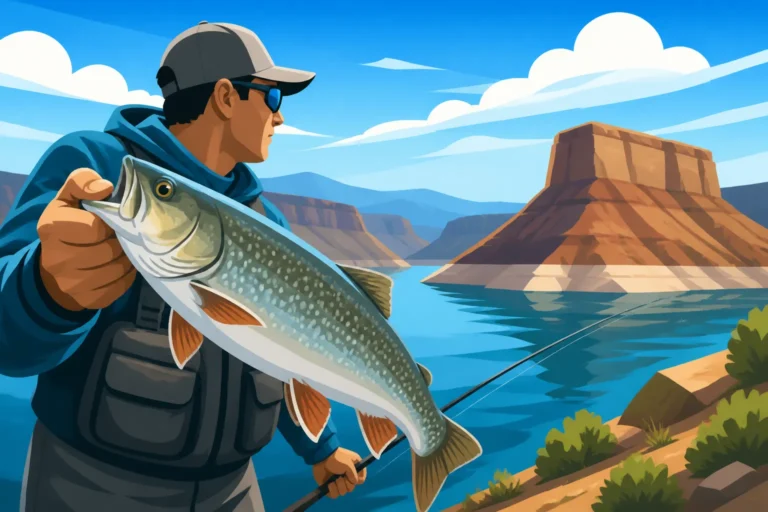
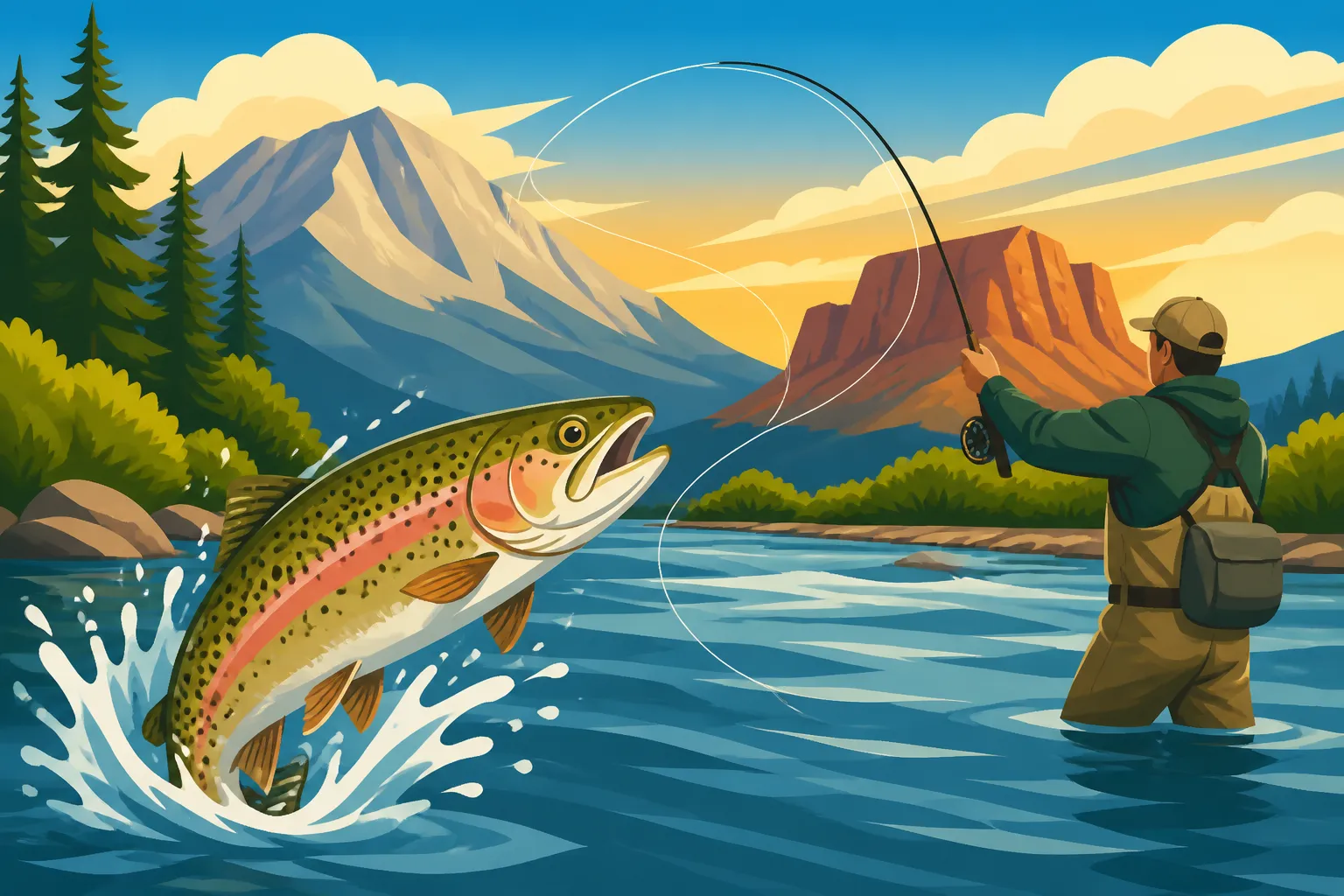
While Colorado is home to a variety of trout, the star of the show on the North Platte at Northgate is undoubtedly the brown trout. These fish thrive in the river's colder, oxygen-rich waters and its abundant insect life. What makes the North Platte's browns so special is their wild nature and impressive size. Unlike many rivers that rely on stocking, the brown trout here are predominantly wild, reproducing naturally and adapting to their environment. This means they are often warier, smarter, and stronger fighters than their hatchery-raised counterparts, presenting a fantastic challenge for any angler. You can dive deeper into where to find these elusive fish in our article, "Brown Trout in Colorado, Where They're Wild".
Anglers consistently report catching browns in the 16 to 20-inch range, with much larger, trophy-sized specimens lurking in the deeper pools and undercut banks. These fish are masters of their domain, using the river's complex structure—rock gardens, logjams, and deep currents—to their advantage. While rainbow trout and occasionally cutthroats might also be present, it's the sheer abundance and size of the wild brown trout that truly define the North Platte experience. Their aggressive takes, powerful runs, and stunning coloration make every catch a moment to savor. Targeting these wild browns requires a blend of stealth, careful presentation, and patience, but the reward of landing one of these magnificent fish from such a pristine river is truly unforgettable.
Accessing the North Platte's Northgate Canyon
Getting to the North Platte's remote Northgate Canyon requires a bit of planning and a willingness to venture off the beaten path. This isn't a place with paved roads and easy parking lots; it's an adventure from start to finish, demanding preparedness and a good understanding of the local terrain.
Navigating the Drive and Road Conditions
The drive to the North Platte near Northgate is, for many, the first real taste of its wild character. Depending on your starting point, you'll typically head north through Walden, Colorado, or approach from Saratoga, Wyoming. From Walden, it’s a scenic drive north on Highway 125, then turning onto County Road 6W. This road can quickly change from paved to well-maintained gravel, then potentially to a rougher, unmaintained dirt track. Conditions can vary wildly based on recent weather; a dry summer day might present manageable dust, but a spring rain or winter snowmelt can turn sections into muddy, challenging terrain that absolutely requires a high-clearance vehicle, preferably with 4-wheel drive.
It's crucial to check local road conditions before you leave, especially if you're venturing out early or late in the season. Websites like COTRIP.org or even a call to the local Forest Service office can provide invaluable real-time information. A flat tire in this remote area isn't just an inconvenience; it can be a serious safety issue, so ensure your spare is in good shape and you have the necessary tools. Driving slowly and carefully, especially around blind corners or crests, is always a good practice, as you might encounter wildlife, other vehicles, or unexpected washouts. Embrace the journey; the winding roads through sagebrush and pine forests are part of the charm, building anticipation for the wild river ahead.
Public Access Points and Land Ownership
The North Platte River meanders through a mix of public and private lands, making it essential for anglers to understand where they can legally access the water. The most well-known public access points are typically found where the river flows through National Forest or BLM (Bureau of Land Management) lands. One of the primary access areas is around Six Mile Gap, where you'll find designated public access through federal lands, offering opportunities for wade fishing and hiking the canyon. It's imperative to always pay close attention to signage. Private property is often clearly marked, and trespassing is not only illegal but can jeopardize future public access to these precious resources. Using tools like the OnX Hunt app or Gaia GPS on your phone can be immensely helpful in delineating public and private land boundaries, even without cell service if you download the maps beforehand.
Remember that while land may be public, specific access roads or paths might be private. Always respect closed gates and private property signs. In some areas, the river runs through large ranch properties, and access might be restricted to existing public easements or through guided trips with outfitters who have agreements with landowners. The "walk-in" access along certain sections requires covering significant distances on foot, but it often leads to less pressured water and incredible solitude. Always leave gates as you find them, pack out all your trash, and generally minimize your impact. This respectful approach helps maintain good relationships with landowners and ensures that public access continues to be available for all responsible anglers.
Hiking and Wading Considerations
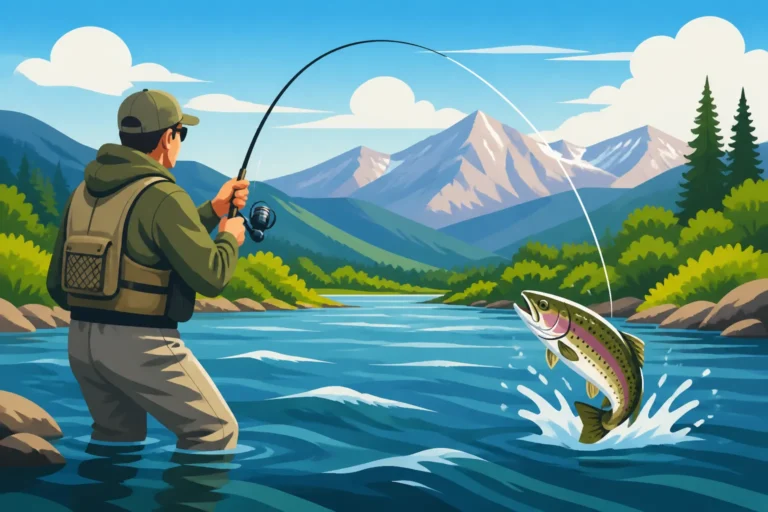
Once you've reached a public access point on the North Platte, your adventure truly begins on foot. The canyon terrain can be rugged, featuring steep banks, rocky shores, and dense riparian vegetation. Good hiking boots are a must, providing ankle support and traction on uneven surfaces. Depending on the section you're exploring, you might face long walks along faint trails or through open sagebrush to reach prime fishing spots. Wading the North Platte also presents its own set of challenges. The river can be swift and deep, especially during higher flows, with a bottom composed of slick rocks and gravel. Felt-soled wading boots with studs are highly recommended for maximum grip, and a sturdy wading staff can be a literal lifesaver, helping you maintain balance and test depth before each step.
Safety should always be your top priority. The water in the North Platte is cold, even in summer, so quality waders are essential. Be mindful of potential hazards like hidden snags, swift currents that can quickly push you downstream, and deep holes. Always wade with a buddy if possible, and let someone know your float plan and expected return time. The reward for navigating these challenges is often access to untouched runs and pools, holding large, unsuspecting trout. Take your time, assess the water carefully, and focus on slow, deliberate movements. This mindful approach to hiking and wading will not only keep you safe but also increase your chances of finding those truly wild fish that the North Platte is famous for.
Essential Gear and Techniques for Northgate Fishing
Success on the North Platte at Northgate hinges not just on finding the fish, but on presenting your flies or lures effectively in its challenging waters. Having the right gear and a solid understanding of techniques tailored to this wild river can make all the difference.
Recommended Rods, Reels, and Line
For fly anglers, a 5-weight or 6-weight fly rod is generally the workhorse for the North Platte. A 5-weight offers enough sensitivity for delicate presentations yet possesses the backbone to handle larger trout and cast in moderate winds. A 6-weight provides a bit more power, which can be advantageous for throwing heavier nymph rigs, larger streamers, or punching casts through the canyon's occasional gusts. Look for a rod with a medium-fast to fast action; this versatility allows for both precise dry fly presentations and the power needed for nymphing or streamer fishing.
Pair your rod with a reliable disc-drag reel that can hold at least 100 yards of backing. While you might not always need to fight a fish on the reel, having a smooth, dependable drag is crucial when a trophy brown decides to make a powerful run. For line, a weight-forward floating line is the standard. It will handle the vast majority of situations, from dry flies to indicator nymphing. When it comes to leader and tippet, don't skimp on quality. For general nymphing and dry fly fishing, a 9-foot tapered leader ending in 4x or 5x fluorocarbon tippet is a good starting point. Fluorocarbon is less visible in clear water and sinks, making it excellent for nymphs. For larger streamers, you might bump up to a 0x-2x leader for durability and turnover power. Having a selection of tippet sizes (from 3x to 6x) allows you to adapt to varying water conditions and fish behavior.
Go-To Flies and Baits
The North Platte is renowned for its prolific insect hatches and opportunistic trout, making fly selection crucial. For nymphing, which is often the most productive method, focus on patterns that imitate the river's abundant stoneflies, caddis, and mayflies. Pat's Rubber Legs or Twenty Inchers in black or brown (sizes 6-12) are excellent stonefly imitations. For caddis larvae, try a Hare's Ear or LaFontaine's Sparkle Pupa (sizes 14-16). Mayfly nymphs like Pheasant Tails and Copper Johns (sizes 14-18) are consistent producers. Don't forget attractor patterns like Prince Nymphs or Zebra Midges (sizes 16-20), especially during colder months.
When trout are looking up, dry fly fishing can be exceptional, particularly during summer and fall. Terrestrials such as Chubby Chernobyls, Hopper patterns (e.g., Morrish Hopper, Dave's Hopper), and Ant patterns (sizes 10-16) are deadly in late summer. During specific hatches, be ready with caddis imitations (Elk Hair Caddis, X-Caddis), Blue-Winged Olives (BWO), and Pale Morning Duns (PMD) in appropriate sizes (14-20). For those truly aggressive brown trout, especially in fall or during low light, streamers can be incredibly effective. Patterns like Woolly Buggers, Sculpzillas, or Sex Dungeons in olive, black, or brown (sizes 4-8) stripped through deeper runs can entice predatory strikes. It's always a good idea to have a diverse fly box when visiting Gold Medal Waters like the North Platte. Many of these effective patterns are discussed in more detail in our article, "Best Flies for Colorado's Gold Medal Trout Water". Remember that on most Gold Medal stretches, bait fishing is prohibited to protect the fishery, so ensure you understand all the specifics regarding "Colorado Bait Restrictions and Where They Apply".
Effective Fishing Techniques
Given the wild and often wary nature of the North Platte's trout, precise and thoughtful techniques are paramount. Nymphing is frequently the most consistent method, especially during colder months or when fish aren't rising. An indicator nymph rig, using a strike indicator to detect subtle takes, is highly effective in varying depths. Adjust your weight (split shot) and indicator placement to ensure your flies are drifting naturally near the bottom, where most trout feed. For deeper runs and faster currents, techniques like Euro nymphing (or tight-line nymphing) can be incredibly effective, allowing for direct contact with your flies and sensitive strike detection without an indicator.
When conditions are right and trout are rising, dry fly fishing can be exhilarating. Focus on presenting your dry fly upstream with a natural, drag-free drift. Pay attention to seams, eddies, and riffles where fish are likely to hold and feed on insects floating on the surface. Often, a small emerger or nymph pattern suspended below a larger dry fly (a dry-dropper rig) can be a highly effective strategy, covering multiple feeding zones simultaneously. This versatile setup is perfect for Colorado's freestone rivers and is covered in depth in "Dry-Dropper Rigs for Colorado Freestones". Finally, don't overlook streamer fishing, especially for targeting the river's largest brown trout. Cast streamers across or slightly upstream, then strip them back with varying speeds and pauses to imitate baitfish. This technique can be particularly effective during overcast days, after a rain, or in the low light of dawn and dusk, when big browns are most aggressive.
Seasonal Strategies and River Behavior
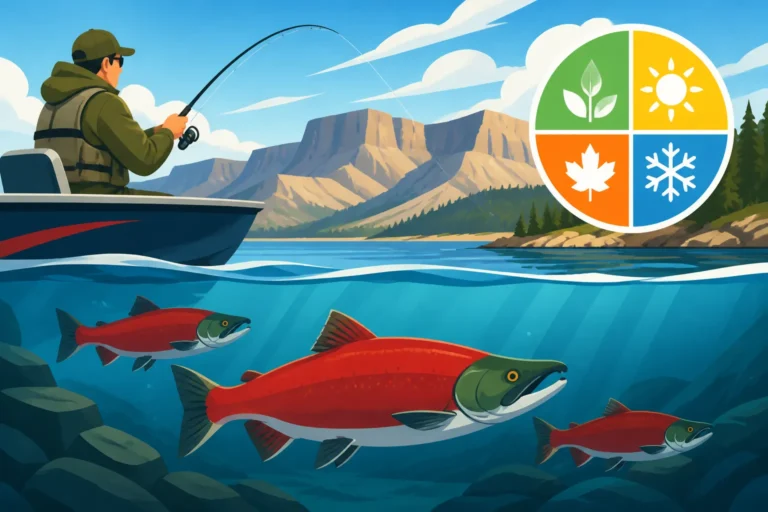
The North Platte River near Northgate transforms with the seasons, each bringing its own unique challenges and incredible fishing opportunities. Understanding these changes is key to maximizing your success and enjoyment on the water.
Spring Fishing and Runoff Challenges
Early spring on the North Platte, typically from March into early May, can offer some truly exceptional fishing before the major snowmelt begins. During this time, the water is usually clear and cold, and the brown trout are often eager to feed heavily as they recover from winter or prepare for their own spawning rituals (if it's later in spring for rainbows). Nymphing with larger stonefly imitations and attractor patterns can be very productive. Midges and early-season Blue-Winged Olives (BWO) also provide brief dry fly opportunities on warmer, overcast days.
However, anglers must be keenly aware of spring runoff. This natural phenomenon, usually peaking from mid-May through June, is when the river swells dramatically from melting snowpack, often becoming high, swift, and murky. Fishing during peak runoff can be incredibly challenging, and sometimes even dangerous. Visibility drops, and fish move to slower, more oxygenated water along the banks, in eddies, or behind large obstructions. If you plan to visit during this period, focus your efforts on these slower pockets and use heavier nymph rigs or large, dark streamers to penetrate the current and grab the attention of displaced fish. Always check streamflow gauges and "When Colorado's Spring Runoff Hits and How to Fish Around It" for current conditions and strategies. While runoff can be tough, dedicated anglers can still find success by adapting their tactics and focusing on the river's edges.
Summer's Abundance and Dry Fly Action
By late June and certainly through July and August, the North Platte settles into its glorious summer rhythm. Runoff has typically subsided, leaving clearer, more manageable flows. Water temperatures are ideal, and the river comes alive with insect activity. This is prime time for dry fly fishing. Caddis hatches can be prolific in the evenings, with various mayfly species like Pale Morning Duns (PMDs) and Green Drakes making appearances. Terrestrial insects – grasshoppers, ants, and beetles – become a significant food source as they fall into the water from the bankside vegetation. Large foam hoppers and parachute ants can entice explosive strikes from opportunistic trout.
The abundance of food means fish are actively looking up, making long, drag-free drifts with imitation dry flies highly effective. During the heat of midday, trout might become a bit more sluggish, moving into deeper, cooler pools or undercut banks. Early mornings and late evenings often provide the best action, especially for larger fish and more consistent hatches. While dry flies steal the show, don't abandon nymphing; emerger patterns fished just below the surface during a hatch, or deeper nymph rigs in the slower, deeper holes, can still be very productive throughout the summer months.
Fall's Trophy Hunt and Winter's Solitude
Fall on the North Platte is a magical time, particularly from September through November. The days shorten, water temperatures begin to cool, and the river's brown trout become incredibly active and aggressive as they prepare for their annual spawn. This is often considered the best time to target trophy brown trout with streamers. Large, meaty patterns stripped through prime holding water can trigger violent strikes from browns looking to pack on calories or defend their territory. Beyond streamers, nymphing remains highly effective, with stoneflies and larger mayfly patterns like Baetis (Blue-Winged Olives) being key. The cooler temperatures also bring consistent BWO hatches on overcast days, offering fantastic dry fly opportunities. You can gain valuable insights into this exciting time in our guide to "Fall Fishing in Colorado, What Changes".
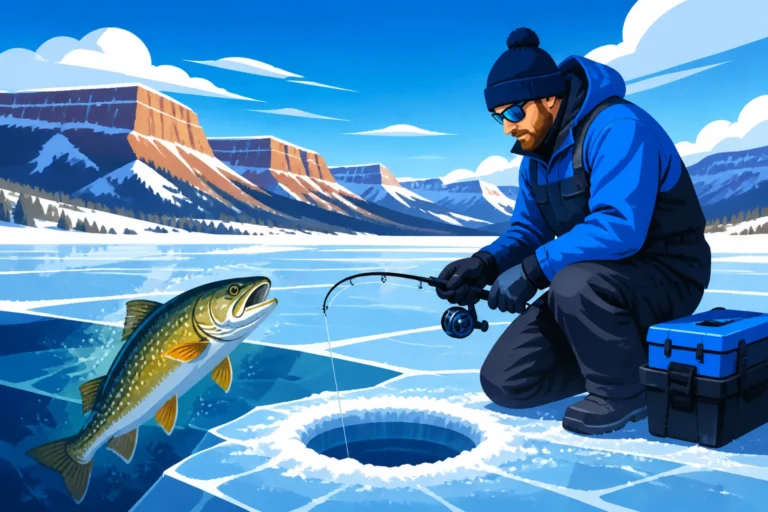
As winter truly sets in from December through February, the North Platte enters a quieter phase. Many anglers pack away their gear, but those willing to brave the cold can find incredible solitude and surprisingly good fishing. The fish become concentrated in deeper, slower pools and runs, conserving energy. Midge patterns (larva, pupa, and adult) become the dominant food source, along with small mayfly nymphs. Fishing with light tippets and delicate presentations is crucial. While the pace is slower, the chance of hooking into a large, unpressured trout is a powerful draw. Be prepared for harsh conditions, including ice along the banks and potentially frozen guides. Quality winter gear, hot drinks, and a flexible mindset are essential. Our article on "Winter Fishing on Colorado's Tailwaters" offers more advice for cold-weather angling. The reward for enduring the cold is often a profound sense of peace and the unique challenge of outsmarting winter trout in their starkly beautiful environment.
Planning Your Trip to Northgate
A trip to the North Platte near Northgate demands careful planning due to its remote location. From where you’ll rest your head to understanding the local regulations, thinking ahead will ensure a smoother, more enjoyable, and safer experience.
Lodging and Camping Options
Given the remote nature of the North Platte at Northgate, your lodging options are limited but offer a true taste of the wilderness experience. Many dedicated anglers opt for dispersed camping on public lands (National Forest or BLM) along the river. This means finding an existing campsite, often a pull-off along a forest road, and setting up camp with minimal amenities. If you choose this route, remember to practice strict Leave No Trace principles: pack out everything you pack in, minimize your fire impact (or forgo fires entirely during fire restrictions), and properly dispose of human waste. These campsites are rustic, offering solitude under a canopy of stars, but you'll need to be entirely self-sufficient, bringing your own water, cooking supplies, and everything else.
For those who prefer a roof over their heads and access to basic amenities, the small towns of Walden, Colorado, or Saratoga, Wyoming, are your closest bets. Walden, the "Moose Capital of Colorado," offers a few motels, gas stations, a general store, and a couple of local eateries. Saratoga, just across the Wyoming border, also provides similar services, with a bit more of a "resort" feel due to its hot springs. These towns are about an hour's drive (or more, depending on river access point) from the prime fishing stretches, so factor in travel time each day. Booking accommodations in advance, especially during peak seasons, is always a good idea, as options are limited.
Guides and Outfitters for the North Platte
For many, especially first-time visitors or those looking to maximize their success on unfamiliar waters, hiring a local fishing guide for the North Platte is an excellent investment. Guides possess invaluable knowledge of the river's ever-changing conditions, specific access points, and the most effective flies and techniques for the day. They can help you navigate the tricky terrain, understand the nuances of the hatches, and put you on fish that you might otherwise miss. A guided trip also takes the pressure off logistical planning, as most outfitters provide all the necessary gear, flies, and often lunch. This allows you to focus solely on the fishing experience.
You can find reputable guides and outfitters through local fly shops in Walden or Saratoga, or by searching online platforms such as FishingBooker. When choosing a guide, look for those with extensive experience specifically on the North Platte and check their reviews. Ask about their approach to conservation and their experience level with the specific species you're targeting. A good guide will not only help you catch fish but also teach you valuable skills and insights into the river's ecosystem. Whether you're a seasoned angler or a complete beginner, a guided trip can elevate your North Platte experience to another level. Learn more about what to expect in our guide to "Hiring a Fishing Guide in Colorado, What to Expect".
Permits, Licenses, and Regulations
Before you even think about wetting a line in the North Platte, you need to ensure you have all the necessary permits and licenses. A valid Colorado fishing license is mandatory for anyone 16 years of age or older, and it must be accompanied by a Habitat Stamp for most adult residents and nonresidents. These funds directly support wildlife conservation and habitat improvement across the state. You can purchase both online through the Colorado Parks and Wildlife (CPW) website (CPWShop.com), at authorized retailers like Walmart or sporting goods stores, or by phone. Our article, "Colorado Fishing License Guide for Residents and Nonresidents", details all the requirements, and you can delve into "Colorado's Habitat Stamp, Explained" for more information on that specific requirement.
Because the North Platte at Northgate is a Gold Medal Water, it falls under specific regulations designed to protect its exceptional fishery. These often include special bag and possession limits (many sections are catch-and-release only), restrictions on bait (typically artificial flies and lures only), and possibly specific gear rules (like single, barbless hooks). It is your responsibility to know and adhere to these rules. The best way to stay informed is to consult the most current Colorado Fishing Regulations brochure, available online on the CPW website or in print wherever licenses are sold. Take the time to "Reading Colorado's Fishing Regulations Brochure" before your trip to avoid any misunderstandings or potential penalties. Game wardens frequently patrol these prized waters, and non-compliance can result in significant fines. Respecting these regulations is not just about legality; it's about preserving this incredible resource for everyone, including future generations of anglers.
North Platte River Seasonal Fishing Overview
| Season | Typical Conditions | Key Hatches/Food Sources | Recommended Tactics | Notes |
|---|---|---|---|---|
| Early Spring (Mar-Apr) | Cold, clear water; pre-runoff flow. | Midges, early BWOs, Stonefly nymphs | Deep nymphing with stonefly/attractor patterns; occasional dries | Great for large, hungry browns before runoff. |
| Runoff (May-Jun) | High, fast, often turbid water. | Limited hatches, displaced terrestrial insects | Heavy nymph rigs; large, dark streamers fished in soft water | Challenging but possible; focus on eddies and bankside cover. |
| Summer (Jul-Aug) | Moderate flows, clear water, warmer temps. | Caddis, PMDs, Green Drakes, Terrestrials (Hoppers, Ants) | Dry fly fishing (matching the hatch, terrestrials); dry-dropper | Prime dry fly season; early morning/late evening best. |
| Fall (Sep-Nov) | Cooling temps, clear water; browns spawning. | BWOs, Midges, Terrestrials, Stonefly nymphs | Streamer fishing for aggressive browns; nymphing; BWO dries | Trophy brown trout season; can be crowded on popular weekends. |
| Winter (Dec-Feb) | Very cold, clear, low flows; ice possible. | Midges, tiny nymphs | Ultra-light nymphing with small patterns; slow retrieves | Solitude and challenging but rewarding; dress warmly, focus on deep pools. |
Disclaimer
The information provided in this guide is for general informational purposes only and is subject to change. Fishing conditions, regulations, and access points can vary seasonally and due to management decisions by Colorado Parks and Wildlife. Always consult the most current official Colorado fishing regulations brochure and check local conditions before embarking on any fishing trip. Your safety and adherence to all laws are your sole responsibility.