Fishing Standley Lake
The thrill of chasing elusive fish in urban settings often comes with a unique set of challenges. For many anglers in the Denver metro area, Standley Lake in Westminster represents both a fantastic opportunity and a complex puzzle, with its vital role as a drinking water reservoir bringing specific regulations that can feel overwhelming. This comprehensive guide aims to demystify fishing Standley Lake, offering deep insights into its diverse fish populations, prime fishing locations, seasonal strategies, and all the essential rules you need to know to ensure a successful and compliant day on the water.
Navigating the Unique Rules and Access at Standley Lake
Fishing Standley Lake isn't quite like casting a line in many other Colorado waters. Because it's a primary drinking water source for the cities of Westminster, Northglenn, and Thornton, there are stringent rules in place designed to protect water quality. Understanding these regulations is paramount for anyone planning a visit, as they dictate everything from what kind of tackle you can use to where you can access the water. Ignoring these rules isn't just a minor infraction; it can lead to significant fines and penalties, not to mention compromising the health of a vital community resource.
Understanding Standley Lake's Drinking Water Status
The "drinking water reservoir" designation for Standley Lake means that public health and water quality take precedence above all else. This isn't just a label; it translates into very specific limitations on recreational activities. For instance, there's a strict "no body contact" rule, meaning swimming, wading, or even allowing your pet to enter the water is prohibited. This might feel restrictive for those used to jumping in after a long day of fishing, but it's crucial for maintaining the potable water supply. Think of it as protecting your future drinking glass – a small inconvenience for a big public benefit. The city managers, like those in Westminster, are diligent about upholding these standards, which means anglers must be equally vigilant.
Furthermore, these regulations extend to the tackle you use. Standley Lake is a "lead-free" water, which means any sinkers, jigs, or other fishing tackle containing lead are strictly forbidden. Lead can be toxic and can leach into the water, posing a risk to both wildlife and human consumers. This might require a small adjustment to your tackle box, swapping out lead weights for alternatives made of steel, bismuth, tungsten, or other non-toxic materials. It's a small change that makes a big difference, ensuring that the water remains clean for everyone. Checking the latest Colorado Fishing Regulations Every Angler Should Know is always a good practice, as rules can occasionally be updated.
Entry Points, Permits, and Fees
Accessing Standley Lake Regional Park is straightforward, but it does come with its own set of requirements. The main entrance is typically off Simms Street in Westminster, where you'll find the park's main office and fee station. Unlike some more remote fishing spots, Standley Lake operates much like a state park, requiring an entrance fee or a valid park pass. You can usually purchase a daily pass or an annual pass, which can be a cost-effective option if you plan multiple visits throughout the year.
Beyond the general park entrance fee, if you intend to launch a boat, there's often an additional permit required. These fees help maintain the facilities and support the park rangers who ensure compliance and safety. It's always best to check the official Standley Lake Regional Park website or call their office before your trip to confirm current operating hours, fee structures, and any specific reservation requirements, especially during peak season or holidays. For those who enjoy fishing various waters, it's also worth noting how these local fees interact with your Colorado Fishing License Guide for Residents and Nonresidents and overall Colorado Fishing License Costs Explained.
Restrictions on Watercraft and Shoreline Access
The water quality mandate at Standley Lake heavily influences what kind of boats are allowed and where you can fish from the shoreline. Generally, gasoline-powered internal combustion engines are either heavily restricted or entirely prohibited unless they undergo a rigorous inspection process to ensure they won't contaminate the water. Instead, electric trolling motors are the preferred and often only option for motorized boats. This means if you're bringing your own vessel, ensure it's equipped with an electric motor or be prepared to use oars or paddles. You'll also need to follow specific boat inspection and decontamination procedures to prevent the introduction of aquatic nuisance species, a common requirement at many Colorado reservoirs.
When it comes to shoreline access, anglers are usually limited to designated areas. While there's a significant amount of shoreline, not all of it is open to public fishing due to conservation efforts and the delicate balance of the ecosystem. Look for signs indicating permitted fishing areas, often near parking lots or established trails. Attempting to fish in prohibited zones can result in fines. This limited shoreline access makes understanding the lake's geography and key fishing points even more crucial for shore anglers, ensuring they can maximize their time without accidentally trespassing or breaking rules. It's a small concession for preserving such a valuable resource.
Unraveling the Diverse Fish Species of Standley Lake
Standley Lake is a fantastic fishery because it harbors a wide array of species, offering something for almost every type of angler. From the deep-water predators to the more accessible panfish, understanding what swims beneath the surface is key to planning a successful trip. The Colorado Parks and Wildlife (CPW) actively manages the lake, with regular stocking efforts supplementing the naturally reproducing populations, creating a vibrant and dynamic fishery.
Targeting Walleye, Colorado's Elusive Game Fish
Walleye are one of the most sought-after game fish in Standley Lake, and for good reason. These toothy predators are notoriously finicky and challenging to catch, making a successful walleye outing a badge of honor for many anglers. They prefer deeper, cooler waters during the day, often congregating around submerged structures like old creek beds, humps, or rocky points. In Standley Lake, these areas can be found throughout the main basin, and finding them often requires a good sonar unit, especially when targeting them from a boat.
Their elusiveness stems from their light-sensitive eyes, which make them most active during low-light conditions – think dawn, dusk, or even at night. On cloudy days, they might feed more consistently throughout the day. Typical walleye tactics involve slow-trolling with crankbaits or spinner rigs tipped with worms or minnows, or vertical jigging with spoons and soft plastics over structure. When choosing lures, focus on natural baitfish colors or bright, attention-grabbing patterns depending on water clarity. Don't forget, there are specific Colorado's Daily Walleye Limit rules you'll need to adhere to.
Pursuing Northern Pike, the Lake's Apex Predator
If you're looking for aggressive strikes and a fight that will test your tackle, Northern Pike are your target at Standley Lake. These ambush predators are well-established in the lake and can grow to impressive sizes, offering a thrilling experience for those brave enough to pursue them. CPW often encourages the harvest of pike in certain waters, including Standley, due to their predatory impact on other sport fish and native species, which means you might find more liberal bag limits here than for other fish. For comprehensive information on these aggressive fish, you might find our guide on Northern Pike Fishing in Colorado particularly helpful.
Pike are typically found lurking in areas with abundant cover, such as weed lines, submerged timber, or rocky shorelines where they can hide and ambush unsuspecting prey. They have a particular fondness for shallower bays and points that warm up quickly, especially in the spring and fall. Large spoons, spinnerbaits, jerkbaits, and big swimbaits are all excellent choices for enticing a strike. Live bait, such as large shiners or suckers, can also be incredibly effective where allowed. Be prepared with strong leaders – pike have razor-sharp teeth that can easily cut through standard monofilament or fluorocarbon. It's essential to check Colorado's Daily Northern Pike Limit before you head out.
Connecting with Stocked Rainbow Trout and Other Coldwater Opportunities
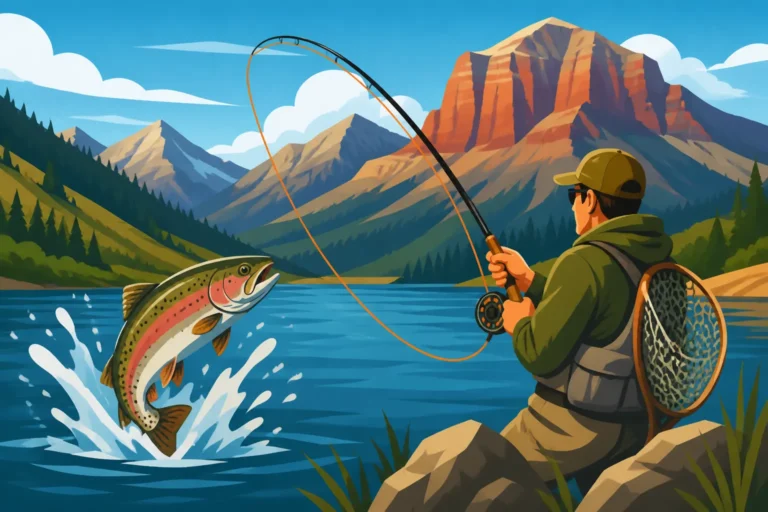
Rainbow Trout are a consistent draw at Standley Lake, largely thanks to the regular stocking program by Colorado Parks and Wildlife. These feisty, acrobatic fish are a favorite among anglers of all skill levels, and their presence ensures that there's usually something biting, even when other species are finicky. CPW typically releases thousands of catchable-sized rainbows into Standley Lake each year, providing ample opportunity for a good day out. Keeping an eye on Colorado's Weekly Stocking Report can give you an edge, as fresh stockings often mean more active fish.
You'll often find rainbow trout cruising closer to the surface in the cooler months, or seeking deeper, cooler water in the heat of summer. For shore anglers, powerbait, worms, and small spoons or spinners are consistent producers. From a boat, trolling with small crankbaits or wedding rings behind a dodger can be incredibly effective. While rainbows are the primary coldwater species, Standley Lake occasionally sees other coldwater opportunities. Keep an eye out for potential Brown Trout, or even the occasional Tiger Muskie, a sterile hybrid often stocked by CPW to control rough fish populations while offering a unique trophy opportunity. Always know the Colorado's Daily Rainbow Trout Limit before keeping any fish.
Cracking the Code for Warmwater Species: Bass and Panfish
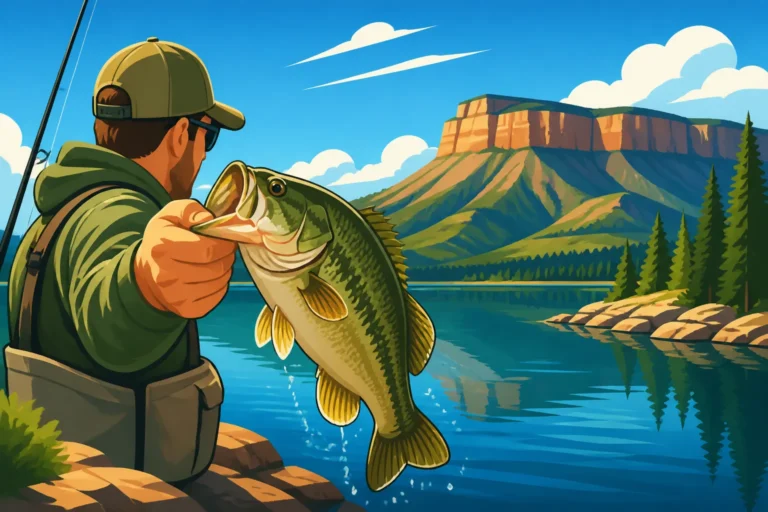
Beyond the headline-grabbing walleye, pike, and trout, Standley Lake also offers solid fishing for a variety of warmwater species. Smallmouth Bass and Largemouth Bass provide exciting action, especially during the warmer months. Smallmouths tend to prefer rocky areas, points, and drop-offs, mimicking their natural riverine habitats, while largemouths will gravitate towards weed beds, submerged brush, and shallower coves. Targeting them with soft plastics, crankbaits, or topwater lures can be incredibly rewarding.
Meanwhile, the lake's healthy populations of Crappie and Yellow Perch are perfect for anglers looking for consistent action and excellent table fare. These panfish often school together and can be found near submerged structures, docks (if any exist and are accessible), or brush piles. Small jigs tipped with a grub, minnow, or soft plastic are irresistible to them. Channel Catfish also thrive in Standley Lake, particularly in the deeper, muddier sections. They are often most active in the evenings and at night, and can be caught using stink baits, cut bait, or worms fished on the bottom. These diverse species mean that even if one bite is slow, there's always another option to explore.
| Species | Primary Habitat | Best Time to Fish | Recommended Lures/Baits | Key Techniques |
|---|---|---|---|---|
| Walleye | Deep rocky points, humps, old creek channels | Dawn, Dusk, Night, Cloudy | Crankbaits, Jigs, Spinner Rigs (worm/minnow) | Slow Trolling, Vertical Jigging |
| Northern Pike | Weed lines, submerged timber, shallow bays | Spring, Fall, Summer | Large Spoons, Spinnerbaits, Jerkbaits, Swimbaits | Casting, Trolling |
| Rainbow Trout | Open water, areas near dam, inlets | Spring, Fall, Cooler Summer | Powerbait, Worms, Small Spoons, Spinners, Trolling Baits | Still Fishing, Trolling, Casting |
| Smallmouth Bass | Rocky shorelines, points, drop-offs | Summer, Early Fall | Crankbaits, Soft Plastics (tubes, grubs), Jerkbaits | Casting, Texas Rigging |
| Largemouth Bass | Weeds, submerged brush, shallow coves | Summer, Early Fall | Soft Plastics (worms, jigs), Spinnerbaits, Topwater | Pitching, Flipping, Casting |
| Crappie | Submerged structure, brush piles, docks | Spring, Fall | Small Jigs (grubs, minnows), Mini Crankbaits | Vertical Jigging, Bobber Fishing |
| Yellow Perch | Weed edges, open water schools | Year-Round | Small Jigs, Worms, Minnows | Vertical Jigging, Drop-Shotting |
| Channel Catfish | Deep, muddier areas, inlets | Evening, Night | Stink Baits, Cut Bait, Worms | Bottom Fishing |
Prime Fishing Locations and Techniques at Standley Lake
Knowing what fish are in the lake is one thing, but knowing where to find them and how to catch them is where the real angling artistry comes into play. Standley Lake offers a variety of terrain, from open water to rocky features, and understanding these nuances will greatly improve your chances of success, whether you're casting from the bank or cruising in a boat.
Shore Fishing Hotspots and Strategies
For many, shore fishing is the most accessible way to experience Standley Lake, and thankfully, there are several productive spots. The areas near the main dam are often popular, as the deeper water and rip-rap structure can hold a variety of fish, especially trout and smallmouth bass. Casting spoons or spinners here can cover a lot of water. Another popular option includes the various coves and points along the park's accessible shoreline. These areas can offer more protection from the wind and may have submerged vegetation that attracts pike and panfish.
When fishing from shore, casting distance is often key, especially for reaching deeper walleye or trout. Using a medium-heavy spinning rod with 8-10 lb test line can help you cast heavier lures farther. Slip bobbers are also incredibly effective for presenting bait at a specific depth, allowing you to drift worms or powerbait over structure without constantly re-casting. For pike and bass closer to the bank, don't be afraid to walk the shoreline, casting into any visible cover or eddies. Remember, for the best results, get there early in the morning or later in the evening when fish are often more active and boat traffic is lower.
Productive Boating Zones and Trolling Paths
Anglers with boats have the distinct advantage of covering more water and accessing offshore structures that shore anglers can only dream of. For walleye, concentrate your efforts on the main lake points and humps that rise from the lake bed. These contours act as highways and ambush points for baitfish, in turn attracting walleye. Slow-trolling crankbaits or spinner rigs along the edges of these structures, particularly at depths of 15-30 feet, can be incredibly effective. A good fish finder is invaluable for identifying these subtle changes in depth and marking schools of fish or bait.
Northern Pike, while also found along weed lines, will often roam the shallower bays and areas where the main lake transitions into shallower water. Casting large spoons or spinnerbaits towards visible cover or along sudden depth changes can trigger aggressive strikes. For lake trout, if present and targeted, they'll hold in the deepest, coolest parts of the reservoir, often requiring downriggers to get your offerings into their zone. For any species, paying attention to wind direction can be helpful. A consistent breeze pushing baitfish against a shoreline or point will often concentrate predators in that area. Consider exploring how to find guides to other Colorado lakes on FishingBooker if you want to broaden your boating horizons beyond Standley Lake.
Effective Baits, Lures, and Flies for Standley Lake
The key to success at Standley Lake lies in matching your presentation to the species you're targeting and, crucially, adhering to the lead-free tackle rule.
For Walleye, your tackle box should include:
- Crankbaits: Medium-diving crankbaits in natural perch, shad, or crawfish patterns are great for trolling or casting. Brands like Rapala, Berkley, and Salmo offer excellent options.
- Jigs: 1/4 to 1/2 ounce jigs tipped with soft plastic paddle tails, curly tails, or live minnows (where allowed) are fantastic for vertical jigging over structure.
- Spinner Rigs: Colorado or Indiana blade spinners dressed with a worm harness can be deadly when trolled slowly.
When going after Northern Pike, bring out the heavy artillery:
- Large Spoons: Classic casting spoons like Dardevles or Johnson Silver Minnows in red/white, silver, or gold are proven pike catchers.
- Spinnerbaits: Large spinnerbaits with tandem or single blades, especially those with generous skirt materials, create significant flash and vibration.
- Jerkbaits/Swimbaits: Mimic large baitfish. Brands like Livingston Lures or bigger soft plastic swimbaits from manufacturers like Keitech or Storm are ideal.
For Rainbow Trout, keep it simple and effective:
- PowerBait/Worms: Dough baits like Berkley PowerBait or natural earthworms fished on a slip sinker rig or under a bobber are perennial favorites for stocked trout.
- Small Spoons/Spinners: Little Cleos, Kastmasters, or Panther Martin spinners are great for casting and retrieving, appealing to their predatory instincts.
- Trolling Baits: Wedding rings, small Rapalas, or other trolling flies behind a dodger can be effective from a boat.
For Bass and Panfish:
- Soft Plastics: For bass, Texas-rigged worms, Senkos, or tube jigs are excellent. For crappie and perch, tiny jigs (1/32 to 1/16 oz) with small grubs or minnows are hard to beat.
- Crankbaits: Small to medium-sized crankbaits for bass, micro crankbaits for panfish.
- Live Bait: Worms or small minnows will tempt almost any panfish or hungry bass.
Remember to replace any lead sinkers or jigs with lead-free alternatives. This might mean investing in tungsten or steel weights, which perform just as well and keep you in compliance with Standley Lake’s specific regulations.
Seasonal Insights for Year-Round Standley Lake Success
Colorado's distinct seasons profoundly impact fish behavior, and Standley Lake is no exception. Understanding these annual cycles can dramatically improve your chances of success, allowing you to adapt your techniques and target species to the prevailing conditions.
Spring: Awakened Fish and Renewed Activity
Spring at Standley Lake is a time of awakening. As the ice melts (if it formed) and water temperatures begin to climb, fish become incredibly active, shaking off the lethargy of winter and looking to feed and spawn. This is arguably one of the best times to target almost all species in the lake.
- Ice-Out Frenzy: If you're there right after the ice melts, often in March or April, you'll find trout and walleye moving into shallower waters to feed aggressively. The water is still cold, so a slow presentation is often key. Jigs tipped with minnows or slow-trolled crankbaits can be deadly for walleye.
- Pre-Spawn Walleye: Walleye will begin to stage for spawning, often moving to rocky areas or dam faces. This can be a prime time for larger fish, using jigs, blades, or rip baits.
- Active Trout: Stocked Rainbow Trout will be very active, eagerly taking PowerBait, worms, or small spinners, especially near inlets or the dam area. This is a great time for shore anglers.
- Bass Awakening: Smallmouth and Largemouth Bass will start to move out of their winter haunts, feeding more actively as the water warms, making them receptive to slow-rolled spinnerbaits or jigs in shallower bays.
Summer: Deep Water Tactics and Early Morning Bites
As Colorado's summer sun beats down and water temperatures rise, fish behavior shifts dramatically. The warmer surface water will push many species, particularly trout and walleye, into deeper, cooler zones. This means adapting your strategies to target these fish where they're comfortable.
- Deep Walleye and Trout: From June through August, walleye will often be found in 20-40 feet of water, often congregating around thermal breaks or structure. Downriggers or heavy jigs are essential for presenting lures at these depths. Trolling with deep-diving crankbaits or spoons can also be effective. Trout will also seek cooler water, often suspending over deeper areas.
- Early/Late Day Action: For all species, the bite will typically be best during the cooler parts of the day – early mornings, late evenings, and into the night. Bass will move into shallower weed lines and rocky points during these times, offering excellent topwater or shallow crankbait action.
- Pike in Weeds: Northern Pike will be active in and around dense weed beds, ambushing prey. Casting large spoons or spinnerbaits into these areas can be thrilling. Be prepared for strong fights and potential snags!
Fall: Trophy Hunting and Spawning Runs
Fall is often considered a trophy hunter's paradise at Standley Lake. As water temperatures begin to drop, fish enter a "feeding frenzy" phase, bulking up for the lean winter months. This is when some of the biggest fish of the year are caught.
- Walleye Aggression: Walleye become incredibly aggressive, moving to shallower structures during the day to feed more consistently. Trolling crankbaits or casting jigs and swimbaits into these areas can be highly productive. This is an excellent time for targeting larger fish.
- Pike Peak: Northern Pike are at their most active and often their heaviest. They will be aggressively feeding in shallower bays and along weed edges, making large, flashy lures their undoing.
- Trout Resurgence: Rainbow Trout, especially those stocked earlier in the year, will be actively feeding. With fewer crowds than summer, fall can offer fantastic trout fishing, especially for those casting spoons or powerbait from shore.
- Bass Transition: Bass will follow baitfish into shallower pockets and coves, offering great opportunities for anglers using spinnerbaits, jerkbaits, or even larger jigs.
Winter: Ice Fishing Opportunities (When Safe)
When winter truly sets in and Standley Lake freezes over, it transforms into a popular destination for ice fishing, offering a unique angling experience. However, safety is paramount, and ice conditions must be checked regularly. Generally, at least 4 inches of clear, solid ice is needed for safe foot travel, and more for ATVs or ice shacks. Our guide on Ice Fishing in Colorado, Getting Started offers extensive tips for this exciting season.
- Primary Targets: Walleye, Northern Pike, Yellow Perch, and Rainbow Trout are the main species targeted through the ice.
- Walleye: Often found near structure or drop-offs. Small jigs tipped with minnows or soft plastics, or spoons jigged aggressively, are effective.
- Pike: Look for them near the remaining green weed beds or in shallower bays. Large spoons or tip-ups rigged with large live bait (where permitted) are excellent.
- Perch: Frequently school up and can be found over open water or near structure. Small jigs, tiny spoons, or tungsten ice flies tipped with a grub or mealworm will entice them.
- Trout: Often suspended in the water column. Vertical jigging small spoons or using a traditional bobber rig with PowerBait or worms can be productive.
Always prioritize safety on the ice, check conditions before you go, and be aware of any specific regulations for ice fishing at Standley Lake, as these can vary by body of water.
Essential Gear and Responsible Angling Practices
A successful fishing trip to Standley Lake involves more than just knowing where to cast your line; it also requires the right equipment and a commitment to responsible outdoor ethics. Being prepared and respectful of the environment ensures a more enjoyable experience for everyone and preserves the fishery for future generations.
Must-Have Tackle and Safety Equipment
Having the right gear is crucial for maximizing your chances of success and ensuring a comfortable day on the water. Given Standley Lake's diverse species, a versatile setup is ideal, but specialized gear will definitely give you an edge.
For rods and reels:
- Medium-Light to Medium Action Spinning Rod (6.5-7 feet): This is a versatile choice for trout, panfish, and smaller bass. Pair it with a 2000-3000 series reel spooled with 6-8 lb monofilament or braided line with a fluorocarbon leader.
- Medium-Heavy Action Casting or Spinning Rod (7-8 feet): Essential for battling larger walleye and Northern Pike. A 3000-4000 series spinning reel or a baitcasting reel with 10-20 lb braided line and a strong fluorocarbon or wire leader is recommended for pike to prevent bite-offs.
- Ice Fishing Rods: If targeting winter species, specific short, sensitive ice rods are necessary for detecting light bites.
Tackle essentials:
- Lead-Free Weights: As mandated, ensure all your sinkers, jigs, and weighted hooks are made from tungsten, steel, bismuth, or other non-toxic materials.
- Variety of Lures: Stock up on specific lures for your target species as discussed above: crankbaits, spoons, spinnerbaits, soft plastics, and jigs.
- Live Bait: Where permitted, worms, minnows, or leeches can be highly effective. Always check local regulations on live bait use.
Safety and comfort equipment:
- Personal Flotation Device (PFD): Absolutely essential if you're boating, kayaking, or paddleboarding. Every person on a watercraft must have an accessible PFD.
- First-Aid Kit: Minor cuts, hook pricks, or scrapes are common.
- Sun Protection: Colorado's sun is intense. Bring sunscreen, a wide-brimmed hat, and polarized sunglasses to protect your eyes and help spot fish.
- Appropriate Clothing: Dress in layers, as Colorado weather can change rapidly, even on a single day. Waterproof outer layers are always a good idea.
- Pliers/Forceps: Crucial for safely removing hooks, especially from toothy fish like pike.
- Net: A good landing net is important for safely landing and releasing fish, particularly larger ones.
Practicing Leave No Trace Principles
Standley Lake is a beautiful natural resource, and it's up to all of us to keep it that way. Practicing Leave No Trace principles is not just good etiquette; it's a responsibility.
- Pack it In, Pack it Out: Everything you bring to the lake should leave with you, including all trash, food wrappers, empty bait containers, and especially discarded fishing line. Monofilament line can be deadly to wildlife, so make sure to collect every scrap.
- Respect Wildlife: Observe wildlife from a distance and avoid disturbing their natural behaviors. If you spot nesting birds or other animals, give them space.
- Minimize Campfire Impacts: If fires are permitted in designated areas, ensure they are completely extinguished before leaving.
- Stay on Trails: Avoid trampling vegetation by sticking to established trails and designated fishing areas.
- Leave What You Find: Don't remove natural objects or disturb historical sites.
By following these simple guidelines, you help preserve the pristine environment of Standley Lake for future anglers and nature enthusiasts.
Catch and Release Considerations
While Standley Lake offers opportunities to harvest certain species, responsible angling also involves thoughtful catch and release, especially for trophy fish or species that are not meant for harvest (e.g., native species in other parts of Colorado, or fish you simply don't intend to keep).
- Handle Fish Gently: When handling fish you intend to release, minimize their time out of water. Use wet hands or a wet net to protect their slime coat, which is vital for disease prevention.
- Remove Hooks Carefully: Use pliers or forceps to quickly and gently remove hooks. If a fish is deeply hooked and removal would cause significant trauma, it's often best to cut the line as close to the hook as possible.
- Support Large Fish: For larger fish like pike or walleye, support their body horizontally, especially when taking photos, to avoid damaging their internal organs. Avoid holding them vertically by the jaw or gills.
- Revive If Necessary: If a fish appears sluggish before release, hold it gently in the water, facing into a gentle current, until it can swim away under its own power.
- Know the Limits: Always be aware of the specific bag and possession limits for each species at Standley Lake, as outlined in the Colorado Fishing Regulations Every Angler Should Know. For example, while you might have a limit on Rainbow Trout, pike limits might be more liberal to help control their population. This also applies to understanding if you need a Colorado's Second-Rod Stamp and Who Needs One if you're fishing with multiple lines.
By combining the right knowledge, gear, and a commitment to responsible angling, your trips to Standley Lake will not only be more successful but also contribute to the long-term health and enjoyment of this exceptional Colorado fishery. If you're looking for broader fishing opportunities or even to find guides for other Colorado fishing adventures, resources like FishingBooker can help you connect with expert guides who can show you the ropes on a variety of waters.
Disclaimer
The information provided in this guide is for general informational purposes only and is subject to change. Fishing regulations, park rules, and fees can be updated by Colorado Parks and Wildlife and Standley Lake Regional Park at any time. Always consult the most current official regulations and park notices before planning your fishing trip to Standley Lake. Neither the author nor the publisher assumes any responsibility for errors or omissions, or for any actions taken based on the information provided herein. Be safe, fish responsibly, and always prioritize personal safety and environmental stewardship.