Best Season to Fish Blue Mesa for Kokanee Salmon
It's incredibly frustrating to plan a fishing trip, especially for a specific species like Kokanee salmon, only to arrive and find you've missed the action or the fish aren't biting. Blue Mesa Reservoir is a legendary spot for these vibrant, hard-fighting fish, but timing is everything. This guide will walk you through the prime seasons and what to expect, ensuring your next Kokanee adventure on Blue Mesa is a roaring success.
Understanding Kokanee Salmon in Blue Mesa Reservoir
Before we dive into the best times to cast a line, it's really helpful to understand what makes Kokanee salmon tick, especially in a place like Blue Mesa. These aren't your typical river trout, and their behaviors are quite distinct, which directly impacts when and how you'll find them.
The Life Cycle and Unique Habits of Kokanee
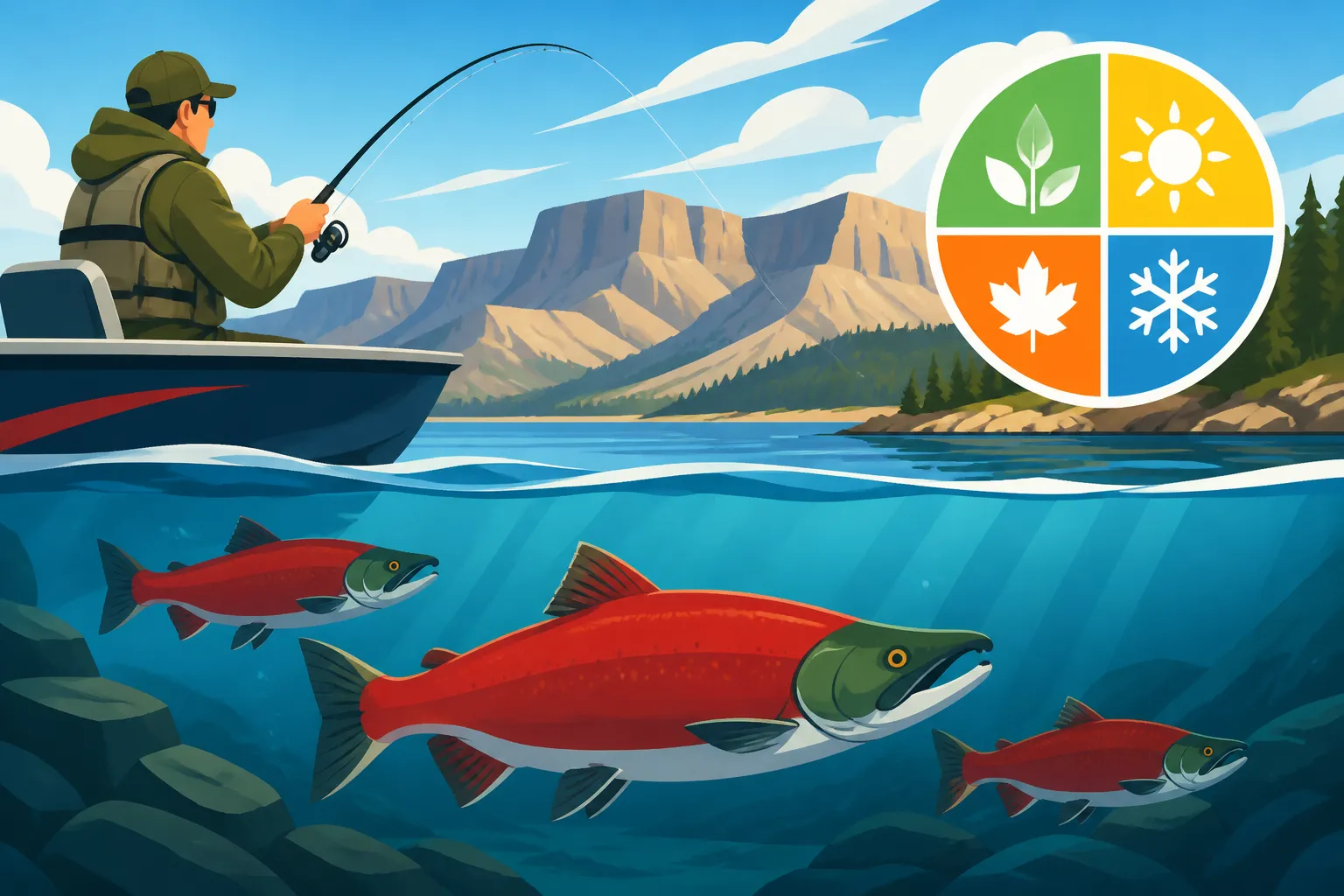
Kokanee salmon are actually landlocked sockeye salmon. Imagine a fish that's meant to travel to the ocean but gets stuck in a massive, cold reservoir. That's a Kokanee! They spend their entire lives in freshwater, feeding primarily on zooplankton, which gives their flesh that distinct, desirable orange-red color. Unlike trout, which can live for many years, Kokanee have a relatively short, predictable life cycle, usually four years, culminating in a spectacular, but terminal, spawning run.
Throughout most of their lives, they are pelagic, meaning they roam the open water column, often suspended at specific depths where the water temperature and food sources are ideal. This makes them a bit of a challenge to locate for anglers who aren't used to targeting suspended fish. They aren't usually hiding under rocks or along weed lines like bass or some trout. Instead, they're cruising in vast expanses of water, often in large schools. Their feeding habits are also quite delicate, which is why trolling with small, precise lures and baits is often the most effective method for catching them before they start their spawn.
Why Blue Mesa is a Premier Kokanee Destination
Blue Mesa Reservoir, located in the gorgeous Gunnison National Forest, isn't just a big body of water; it's a true ecosystem powerhouse that nurtures an incredible Kokanee population. As Colorado's largest body of water, its vastness and depth provide the perfect habitat for these plankton-feeders. The reservoir boasts numerous deep channels, submerged structures, and wide-open expanses that allow Kokanee to thrive and grow to impressive sizes. It’s no wonder many anglers consider it one of the top Kokanee fisheries in the state, if not the entire Rocky Mountain region.
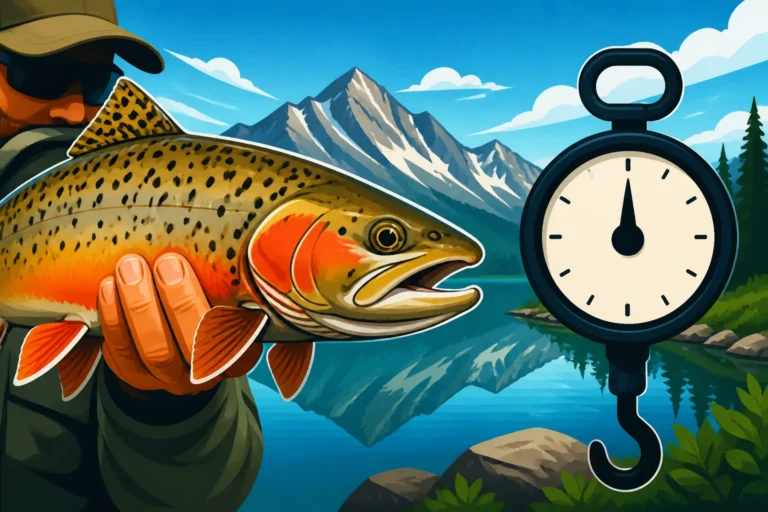
The consistent stocking efforts by Colorado Parks and Wildlife (CPW) also play a crucial role. They carefully manage the population to ensure a healthy balance, aiming for both quantity and quality. These management practices, combined with Blue Mesa's natural attributes, contribute to the reservoir's reputation for producing not only good numbers of Kokanee but also trophy-sized fish. You'll often hear stories of anglers pulling in Kokanee in the 16 to 20-inch range, which is fantastic for this species. If you're looking for that thrill of a fish that fights hard and provides excellent table fare, Blue Mesa is absolutely the place to be. For more insights into the lake, check out our guide on Fishing Blue Mesa Reservoir for Kokanee Salmon.
The Absolute Best Season: Late Summer to Early Fall (August-October)
When people talk about "Kokanee season" at Blue Mesa, they're almost always referring to that magical window from late summer into early fall. This is when the Kokanee transition from their open-water roaming to their spawning run, becoming more concentrated and often more aggressive. It's truly the prime time to target them, offering different exciting opportunities as the weeks progress.
August: Pre-Spawn Aggression and Feeding Frenzy
August at Blue Mesa is arguably the hottest month for Kokanee fishing, and for good reason. This is when the fish are in their "pre-spawn" phase. They've spent all summer fattening up in the cold, deep waters of the reservoir, and now, sensing the subtle changes in daylight and water temperature, they start to become incredibly active. Their biological clock is ticking, telling them it's time to build up reserves for the arduous spawning journey ahead. This means they are often feeding aggressively, trying to pack on as much weight as possible.
During August, you'll typically find Kokanee still scattered throughout the main basin of Blue Mesa, but they might start to show preferences for areas closer to the main tributary inlets like the Gunnison River arm or the Lake Fork arm. They're not quite in full "run" mode yet, but they're definitely thinking about it. Trolling remains the most effective technique. Anglers often have success using downriggers to target fish suspended anywhere from 30 to 60 feet deep, sometimes even deeper, depending on the day and light conditions. Speed is key; a consistent troll speed of 1.2 to 1.8 mph often proves effective. Lure colors like bright pinks, vibrant oranges, and chartreuse greens are perennial favorites, often tipped with a kernel of shoepeg corn soaked in an attractant. The key is to cover water and pay close attention to your fish finder for those tell-tale arches.
September: The Peak of the Spawning Run
As August transitions into September, the Kokanee action shifts dramatically and becomes nothing short of a spectacle. This is the absolute peak of the spawning run, when the fish begin their migration from the main body of the reservoir into the shallow tributary streams and river inlets like Soap Creek, West Elk Creek, and the upper reaches of the Lake Fork and Gunnison River arms. The visual transformation of these fish is astounding; their silvery bodies turn a brilliant, fiery red, and the males develop a distinct humped back and hooked jaw.
During this time, the fish are less interested in feeding and more focused on reproduction. This means traditional trolling methods in the open reservoir become less effective. Instead, anglers target the fish as they stage in the inlets or begin their upstream journey. It's crucial to understand the regulations during this period, as snagging is strictly prohibited. The focus is on ethical angling, using small lures or flies to entice a strike, although it can be challenging as their primary drive is no longer hunger. The daily bag and possession limits for Kokanee salmon also change during the spawning season at Blue Mesa, so always refer to the current Colorado Fishing Regulations Every Angler Should Know brochure or the CPW website. Many anglers choose to use a guide from an outfitter like Three Rivers Resort during this time to learn the ropes and ensure they're fishing legally and effectively. If you're planning a trip and need to find a reputable guide, you can often find great options through platforms like FishingBooker.
October: Post-Spawn Opportunities and Cooler Water
By October, the Kokanee spawning run starts to wind down, but it's not over yet. While many fish will have completed their spawning and begun to die off naturally, there are still opportunities for anglers. In early October, you might still find some active spawners in the tributaries, though their numbers will be dwindling. The water temperatures continue to drop, and the weather becomes crisp, making for some truly beautiful, though often challenging, fishing days.
As the month progresses, some of the post-spawn fish that haven't yet perished might still be found in the deeper sections near the inlets or even drifting back into the main reservoir. These fish can be a bit more sluggish and harder to tempt, but they can also represent a last-gasp opportunity for a larger, mature Kokanee before winter truly sets in. Anglers often switch tactics to vertical jigging or slowly trolling spoons and tube jigs in deeper water, sometimes near the drop-offs where the tributaries meet the main lake. While the numbers might not be as high as in August or September, the solitude and the chance at a late-season fish can be incredibly rewarding. It’s a good time to remember the specific Colorado Bag and Possession Limits by Species, especially if you're targeting multiple types of fish that might be active in the cooler water.
Other Seasons and Considerations for Kokanee Fishing
While late summer and early fall are undeniably the prime times for Kokanee at Blue Mesa, these fish are present year-round. Fishing for them in other seasons presents different challenges and requires adjusted strategies, but can still offer rewarding experiences for dedicated anglers.
Spring and Early Summer: Deeper Water and Stealth
Fishing for Kokanee in the spring and early summer at Blue Mesa Reservoir requires a completely different approach compared to the fall run. As the ice melts and the water begins to warm, Kokanee are typically much deeper and more dispersed throughout the reservoir. They haven't yet begun their pre-spawn congregation, and their main focus is feeding on the abundant zooplankton in the deeper, cooler parts of the water column. This means they are harder to locate and require more specialized techniques.
During this time, sophisticated trolling setups are essential. Anglers often rely heavily on good sonar units to mark schools of fish and baitfish, and then use downriggers to precisely present small dodgers and squids or wedding rings at the exact depth where the Kokanee are holding. It's a game of precision and patience, as you might need to experiment with depths, colors, and trolling speeds (often slower than in late summer) until you hit the sweet spot. Popular colors can still be pinks and oranges, but sometimes a subtle silver or blue can be effective. Early mornings and late evenings can be particularly productive as light penetration is lower, encouraging the fish to move slightly shallower. If you're new to the area, considering a guided trip during this season can be invaluable; many guides listed on FishingBooker specialize in these technical trolling methods.
Winter: Ice Fishing for Kokanee
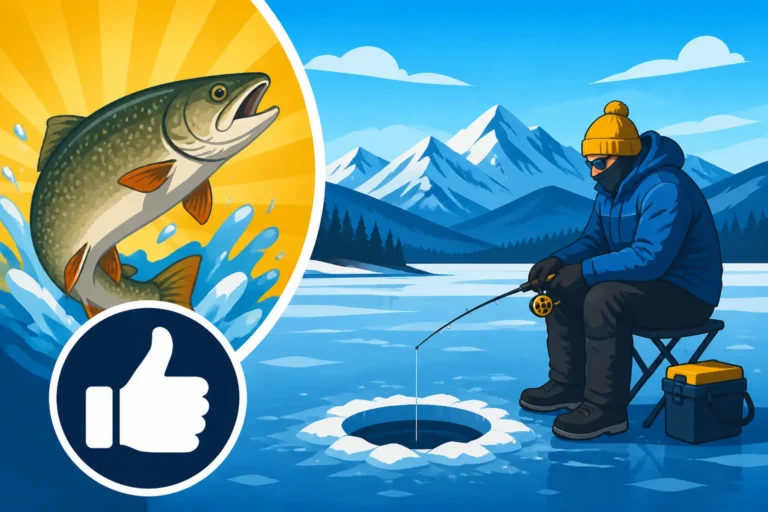
When winter descends on Blue Mesa and the surface freezes over, a whole new world of Kokanee fishing opens up: ice fishing! Blue Mesa is a renowned ice fishing destination, and Kokanee are a popular target through the hard water. This experience is often dramatically different from open-water fishing, offering a unique challenge and a peaceful solitude.
The prime areas for ice fishing Kokanee often mirror the open-water hotspots near the tributary arms, such as the areas around Elk Creek, Lake Fork Arm, and Iola Basin. Anglers will typically drill numerous holes and use a flasher or fish finder to locate schools of Kokanee. The technique involves vertical jigging with small, flashy spoons or specialized Kokanee jigs, often tipped with a kernel or two of Pautzke's Fire Bait or shoepeg corn. The key is subtle jigging motions, often just a few inches, to entice a bite. Depths can vary widely, from 20 to 80 feet, so having a good understanding of the bottom contours and structure is vital. Safety on the ice is paramount; always check ice thickness and local conditions before venturing out. For more details on staying safe and successful, refer to our comprehensive guide on Ice Fishing in Colorado, Getting Started.
Reading the Signs: Water Temperature, Flows, and CPW Reports
Successful Kokanee fishing isn't just about knowing the calendar month; it's about understanding the subtle cues from the environment. Water temperature is a huge factor for Kokanee. They prefer cooler waters, typically in the 45-55°F range. As water temperatures rise or fall, they will adjust their depth and location accordingly. River flows into Blue Mesa, especially from the Gunnison River, also play a significant role, particularly in influencing the timing and intensity of the spawning run. High, turbid flows can sometimes delay the run or make it harder for fish to navigate.
Colorado Parks and Wildlife (CPW) is an angler's best friend. They regularly publish stocking reports, fishing conditions, and sometimes even specific advisories for reservoirs like Blue Mesa. Checking the CPW website or calling the local CPW office (Gunnison area) can provide invaluable, up-to-the-minute information on water levels, temperatures, and where the fish are biting. Local bait and tackle shops around Gunnison or Montrose are also goldmines of information, as their staff are often out on the water or talking to anglers every day. Many even use apps like the Bield App for tracking Colorado stocking alerts. Paying attention to these resources, alongside your own observations, will dramatically increase your chances of finding those elusive Kokanee, regardless of the season. Knowing When Colorado Parks and Wildlife Starts Stocking Trout Each Spring can give you an idea of overall fish activity, though Kokanee are usually managed separately.
| Month | Kokanee Activity | Primary Location | Recommended Technique | Key Considerations |
|---|---|---|---|---|
| August | Pre-spawn feeding frenzy; highly active | Main basin, near tributary mouths | Trolling with downriggers | Aggressive bites, vibrant colors (pink, orange), corn |
| September | Peak spawning run; fish turn red | Tributary inlets (Soap Creek, Lake Fork) | Minimal feeding, difficult | Ethical angling, strict snagging rules, visual spectacle |
| October | Post-spawn; dwindling numbers, some residual | Near tributary mouths, main basin | Slow troll, vertical jigging | Fewer fish, more challenging, focus on deep structure |
| November-April | Deep, dispersed, less active (ice fishing) | Deep main basin, under ice in tributary arms | Ice jigging (winter), deep troll | Safety on ice, small jigs, flashers for locating |
| May-July | Dispersed, deep-water feeding | Deeper water column, open reservoir | Precise trolling with downriggers | Locating schools, specific depths, experiment with lures |
Disclaimer
The information provided in this guide is for general informational purposes only. Fishing conditions in Colorado, including regulations, fish behavior, and access, can change rapidly. Always consult the most current Colorado Parks and Wildlife regulations and local advisories before planning any fishing trip. Fishing carries inherent risks, and it is your responsibility to ensure your safety and adhere to all applicable laws.