Public Access Points on the Roaring Fork River
Navigating the pristine, trout-filled waters of Colorado can be an absolute dream for any angler, but knowing where you can actually cast a line without trespassing can be a real headache. The Roaring Fork River, famous for its incredible fishing, is no exception, with stretches running through both public and private lands. This guide aims to clear up that confusion, offering a comprehensive look at the public access points along this magnificent river, ensuring your next fishing trip is both fruitful and frustration-free.
Understanding Public Access Challenges on the Roaring Fork River
The Roaring Fork River, flowing from its headwaters near Independence Pass down to its confluence with the Colorado River in Glenwood Springs, is renowned for its Gold Medal Water status and abundant trout populations. However, unlike some rivers with extensive public easements, the Roaring Fork winds its way through a patchwork of private properties, especially in its lower and middle sections. This can make finding a spot to wet a line feel like cracking a secret code. Anglers often struggle with identifying legal access, navigating parking, and understanding the nuances of Colorado's stream access laws, which generally protect the public's right to float navigable waters but don't always guarantee bank access through private land.
The Mix of Private and Public Lands
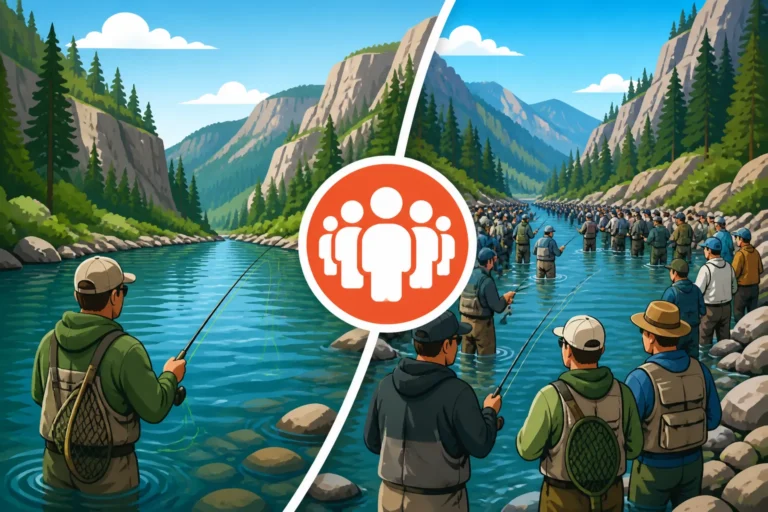
Imagine driving alongside a stunning stretch of river, seeing rising trout, and then spotting "No Trespassing" signs every few hundred yards. This is a common scenario along the Roaring Fork. Many of the prime fishing spots, particularly those with easy road access, are bordered by private ranches, homes, and resorts. While Colorado law allows for floating through private property on navigable streams, it explicitly states that landowners control the streambed and banks. This means you generally cannot step out of your boat or wade onto private land without permission. For walk-wade anglers, this makes identifying true public access points, such as State Wildlife Areas (SWAs) or designated parks, absolutely critical. It’s a constant dance between admiring the beauty and respecting property lines, which can be a real mental drain when all you want to do is fish.
Navigating Local Regulations and Etiquette
Beyond the property lines, the Roaring Fork comes with its own set of rules and unwritten etiquette. Many sections are designated as Gold Medal Waters, which means specific regulations are often in place, such as special bag and possession limits or requirements for using artificial flies and lures only, and even barbless hooks. You'll want to review the current Colorado Fishing Regulations Every Angler Should Know and carry a copy of the official brochure or have it readily available on your phone. Disregarding these can lead to hefty fines and a ruined day. Always be mindful of other anglers, give them space, and leave no trace. Local outfitters, who often list their services on platforms like FishingBooker, are usually excellent resources for understanding current conditions and regulations for specific stretches of the river.
Key Public Access Points Along the Roaring Fork
Despite the challenges, the Roaring Fork River offers several fantastic public access points that cater to both fly anglers and spin fishers. These spots are managed by Colorado Parks and Wildlife (CPW) or local municipalities, ensuring legal and accessible fishing opportunities. Planning your trip around these known locations will save you a lot of guesswork and allow you to focus on the fishing itself.
Upper Roaring Fork: Aspen and Beyond
The uppermost sections of the Roaring Fork, particularly around Aspen, offer more consistent public access, although it can still be mixed.
- Stillwater Park (Aspen): This small, picturesque park near the heart of Aspen provides easy public access to the Roaring Fork. It's often a great place for beginners or those looking for a quick cast. The river here is smaller and more intimate, providing excellent opportunities for dry fly fishing during the warmer months. Parking is usually available, and it's a popular spot for locals. The trout here, mostly rainbows and browns, can be a bit spooky due to pressure, but they're typically eager to rise to a well-presented fly.
- Aspen Golf Course Area (Seasonal): While a golf course might seem like an odd fishing spot, certain sections of the Roaring Fork run adjacent to or through the Aspen Golf Course. Public access is generally permitted along the riverbanks that border public easements or parks, though it's crucial to stay off the golf course itself and be extra vigilant about errant golf balls. This area can be surprisingly productive, especially during hatches, offering a unique urban fishing experience. Always double-check local signage and respect golfers.
Middle Roaring Fork: Basalt to Carbondale
As the river flows downstream, particularly through the Basalt and Carbondale areas, you'll find some of the most famous and productive public access points, largely due to the influence of the Fryingpan River.
- Basalt State Wildlife Area (SWA): This is arguably one of the most popular and well-known public access points on the entire Roaring Fork. Located at the confluence with the Fryingpan River, the Basalt SWA offers extensive public bank access. The river here is wider and holds some truly large trout, benefiting from the nutrient-rich waters flowing out of the Fryingpan. Anglers flock here for the incredible nymphing and streamer fishing, especially when the hatches are on. It's a prime example of Colorado's Gold Medal Water Rules in action, so be sure to check specific regulations for this area, as they can be stricter.
- Catherine's Store Bridge: Just downstream from Basalt, near Catherine's Store, the bridge offers another convenient access point. While parking can be limited, you can often find spots near the bridge and walk up or downstream along public easements. This stretch offers diverse water, from deep pools to riffles, and can be productive for both fly and spin fishing (where permitted). It's a beautiful section with stunning views, often less crowded than the Basalt SWA, but still holding quality fish.
- Carbondale State Wildlife Area (SWA): Further downstream, near Carbondale, this SWA provides another significant chunk of public water. The river here has slowed slightly, featuring more braids and deeper runs. It's an excellent spot for targeting larger brown trout, especially during the fall spawning season. Access is generally good, with designated parking areas. Like all SWAs, remember that it's managed for wildlife, so stay on designated trails and respect the natural environment.
Lower Roaring Fork: Carbondale to Glenwood Springs
The lowest stretches of the Roaring Fork, as it approaches its confluence with the Colorado River, also provide some excellent public access, particularly within and around Glenwood Springs.
- Two Rivers Park (Glenwood Springs): Located right in Glenwood Springs, where the Roaring Fork meets the Colorado River, Two Rivers Park offers excellent public access to both rivers. You can fish the final stretch of the Roaring Fork before it merges, which can be incredibly productive, especially during migratory runs of fish from the Colorado. The park has ample parking, restrooms, and amenities, making it a comfortable spot for a family outing or a quick stop. Anglers often find good success with streamers and larger nymph patterns here, targeting bigger fish.
- Veltus Park (Glenwood Springs): Just upstream from Two Rivers Park, Veltus Park provides additional public bank access in Glenwood Springs. This park offers a quieter experience than the more bustling confluence area, with nice stretches of river that can hold some surprisingly large trout. It's another excellent option for those staying in or passing through Glenwood Springs, providing easy access to quality fishing without a long drive.
Here's a quick overview of some popular public access points:
| Access Point | Location Area | Primary Fish Species | Key Features | Typical Access Type | Notes |
|---|---|---|---|---|---|
| Stillwater Park | Aspen | Rainbow, Brown Trout | Smaller, intimate water, easy urban access | Walk-wade | Good for beginners, often crowded, dry fly opportunities. |
| Basalt State Wildlife Area | Basalt (Confluence) | Rainbow, Brown Trout | Gold Medal Water, confluence with Fryingpan, large fish | Walk-wade | Very popular, can be crowded, strong nymphing water. |
| Catherine's Store Bridge Area | Basalt (Downstream) | Rainbow, Brown Trout | Diverse water, deep pools, riffles, often less crowded | Walk-wade | Limited roadside parking, beautiful scenery. |
| Carbondale State Wildlife Area | Carbondale | Brown, Rainbow Trout | Slower, braided sections, good for larger browns in fall | Walk-wade | Ample parking, managed by CPW. |
| Two Rivers Park | Glenwood Springs | Rainbow, Brown, Whitefish | Confluence with Colorado River, migratory fish | Walk-wade | Easy access, amenities, popular for larger fish. |
| Veltus Park | Glenwood Springs | Rainbow, Brown Trout | Quieter urban park access, diverse water | Walk-wade | Good alternative to Two Rivers Park if crowds are an issue. |
Fishing Techniques and Best Practices on the Roaring Fork
Once you've found your ideal public access point on the Roaring Fork, knowing how to approach the river with the right techniques can make all the difference. The Roaring Fork is primarily a fly-fishing destination, renowned for its strong hatches and healthy insect populations, but spin fishers can also find success, provided they adhere to the regulations, especially in Gold Medal Waters. Whether you're a seasoned angler or just starting out, understanding the nuances of fishing this river will greatly enhance your experience.
Mastering Fly Fishing Techniques
The Roaring Fork River is a fly fisher's paradise, offering varied conditions throughout the year. For much of the year, especially outside of major hatches, nymphing is king. Techniques like drift nymphing with strike indicators or even Euro nymphing can be incredibly effective, allowing you to present flies at the proper depth where trout are actively feeding. You'll often find success with common patterns like pheasant tails, hare's ears, prince nymphs, and various midge patterns, especially during the winter months. For deeper explanations, consider checking out guides on Nymphing Techniques for Colorado Tailwaters, many of which apply directly to the Roaring Fork.
When the river experiences a strong insect emergence, dry fly fishing becomes exceptionally rewarding. The Roaring Fork sees excellent hatches of blue-winged olives, caddis, pale morning duns, and green drakes at various times of the year. Matching the hatch requires keen observation and the right fly patterns, but the reward of a trout rising to your dry fly is unparalleled. For tips on how to approach this, our Dry Fly Fishing Colorado's Freestone Rivers guide offers valuable insights that are highly applicable to the Roaring Fork. Don't forget streamer fishing, especially during lower light conditions or in higher, off-color water. Large brown trout often aggressively chase streamer patterns, offering an exciting and visual way to target big fish.
Spin Fishing with Regulations in Mind
While fly fishing dominates the scene, spin fishing is certainly possible and productive on the Roaring Fork, provided you adhere to specific regulations, particularly in Gold Medal Waters. These sections often prohibit bait, requiring anglers to use artificial lures only. Small spinners, spoons, and soft plastic jigs can be very effective for trout. Focus on casting upstream and retrieving downstream, allowing your lure to tumble naturally with the current. Targeting deeper pools, current seams, and undercut banks are usually productive strategies. Always check the current Colorado Fishing Regulations Every Angler Should Know before you head out, as rules can vary by river section and season. Using a platform like FishingBooker to connect with local guides can also offer valuable, up-to-the-minute advice on what's working best and where.
Seasonal Considerations and Water Conditions
The Roaring Fork changes dramatically with the seasons, and understanding these shifts is key to successful fishing. Spring brings runoff, when the river can become high and muddy, making fishing challenging. However, tailwaters like the lower Fryingpan (which feeds the Roaring Fork) remain fishable, and as runoff subsides, the Roaring Fork itself comes alive. Our guide on When Colorado's Spring Runoff Hits and How to Fish Around It can provide detailed strategies for these periods. Summer is prime time for dry flies, with abundant insect activity and generally clear water. Fall sees cooler temperatures and aggressive brown trout preparing for their spawn, making it an excellent time for streamers. Winter offers consistent nymphing and midge hatches, especially in slower, deeper sections. Consulting CPW's weekly stocking reports or calling local fly shops listed on sites like FishingBooker can give you real-time updates on conditions and what Best Flies for Colorado's Gold Medal Trout Water are currently working.
Understanding Colorado Fishing Seasons Month by Month will help you anticipate the best times for different techniques and target species. No matter the season, patience and persistence are key. The Roaring Fork is a spectacular river, and with careful planning and respect for its rules and environment, you're sure to have a memorable angling experience.
Ensuring a Responsible and Enjoyable Trip
Fishing the Roaring Fork is not just about catching fish; it's about connecting with nature and upholding the traditions of conservation. To truly enjoy your time and ensure these incredible fishing opportunities remain for future generations, there are a few essential practices every angler should follow. Being a responsible angler means understanding everything from where to park to how to handle your catch.
Respecting Private Property and Wildlife
We've talked about the patchwork of public and private land, and it bears repeating: respecting private property is paramount. Always be sure you're on a public easement, State Wildlife Area, or a property where you have explicit permission. This means not just where you fish, but also where you park. Illegally parked vehicles or those blocking access points can lead to tickets or towing, and a quick way to sour relations between anglers and landowners. Look for designated parking areas and pay attention to "No Parking" signs.
Beyond property lines, remember that the Roaring Fork is home to diverse wildlife. Give animals their space, especially if you encounter deer, elk, or bears along the riverbanks. Always pack out everything you pack in, and perhaps even a little more. Leave no trace of your visit, keeping the river pristine for the next person and the creatures that call it home. This includes properly disposing of fishing line, which can be deadly to wildlife.
Catch and Release Best Practices
Many anglers on the Roaring Fork, particularly in Gold Medal Waters, practice catch and release to preserve the health and abundance of the trout populations. If you plan to release your catch, doing so responsibly is crucial for the fish's survival. Always use a net, wet your hands before handling the fish, and keep it in the water as much as possible. Avoid squeezing the fish, and if a hook is deeply set, consider cutting the line rather than tearing the fish's mouth. Understanding Catch-and-Release Rules on Colorado's Cutthroat Waters and other delicate species, even if not directly applicable, promotes a mindset of care for all fish. Using barbless hooks, often required in Gold Medal sections, minimizes harm and makes release much easier. You can learn more about Barbless Hook Rules on Colorado Rivers to ensure you're compliant and doing your part.
Essential Gear and Safety Considerations
No matter how experienced you are, being prepared for Colorado's changeable mountain weather is essential. Dress in layers, as temperatures can fluctuate dramatically throughout the day, even in summer. Waders and wading boots are almost always necessary for accessing the best fishing spots and staying comfortable in the cold water. Consider bringing a wading staff, especially when navigating faster currents or unfamiliar streambeds.
Always carry plenty of water, snacks, sunscreen, and a first-aid kit. Cell service can be spotty in some of the more remote sections, so don't rely solely on your phone for navigation or emergencies. Inform someone of your fishing plans and expected return time, especially if you're venturing into less-trafficked areas. Before heading out, make sure you have your current Colorado Fishing License Guide for Residents and Nonresidents readily available, as game wardens frequently patrol these popular waters. By taking these precautions and being mindful of your impact, you'll not only have a safer trip but also contribute to the long-term health and enjoyment of the Roaring Fork River.
Disclaimer
The information provided in this guide is for general informational purposes only and is subject to change. Fishing regulations, access points, and private property boundaries can vary and may be updated by Colorado Parks and Wildlife or local authorities. Always consult the most current official Colorado Fishing Regulations brochure and local signage before fishing. The author and publisher are not responsible for any incidents or violations that may occur from the use of this information.