What’s Stocked at Standley Lake Each Spring
It can be incredibly frustrating to head out to a promising fishing spot, only to wonder what kind of fish you'll actually encounter and if your gear is even right for the day. Standley Lake is a fantastic resource for anglers in the Denver metro area, but knowing what's being stocked, especially in the busy spring season, can make all the difference between a slow day and a successful outing. This comprehensive guide will walk you through the typical spring stocking efforts at Standley Lake, delve into the species you can expect to find, and offer some tried-and-true tips to help you hook into some fresh catches.
Why Standley Lake is a Spring Fishing Magnet
Standley Lake, nestled in Westminster, Colorado, is far more than just a large body of water; it's a critical drinking water reservoir for several communities, which also makes it a unique and often productive fishery. Its proximity to Denver means it's a popular choice for many, offering a quick escape to the water without a long drive into the mountains. But what really draws anglers in, especially when the weather starts to warm up, is the promise of abundant fish.
Location, Access, and Unique Regulations
Standley Lake Regional Park and Wildlife Refuge provides ample shoreline access for bank anglers, along with a boat launch for those with hand-launched vessels or boats equipped with electric motors. You'll find the main entrance off 100th Avenue, and there are various parking areas and access points around the lake. It's important to remember that because Standley Lake is a primary drinking water source, there are very specific regulations you need to be aware of. Body contact with the water is strictly prohibited – no swimming, wading, or even letting your dog splash around. Boats must undergo an aquatic nuisance species inspection before launching, and only electric motors are allowed. These rules, while restrictive, help maintain the lake's pristine condition, which benefits both the wildlife and the quality of the fishing. Before heading out, it's always a good idea to check the park's official website or the Colorado Parks and Wildlife (CPW) fishing regulations brochure to ensure you're up-to-date on any changes.
The Allure of Spring Fishing
Spring in Colorado is a magical time for anglers. The ice has melted, the days are getting longer, and the fish are shaking off their winter lethargy. For many species, spring signals increased feeding activity, making them more aggressive and easier to catch. Water temperatures begin to rise, which triggers biological processes and stimulates the entire aquatic food chain. At Standley Lake, this means that fish, especially the cold-water species, become more active and are often found in shallower areas as they seek out warmer water and available food sources. It's a prime window of opportunity before the summer heat sends some fish into deeper, cooler havens.
Standley Lake's Annual Spring Stocking Program
The backbone of Standley Lake's spring fishery, especially for those looking for consistent action, is the annual stocking program managed by Colorado Parks and Wildlife. While the lake does support some self-sustaining populations, CPW regularly augments the fish populations to provide diverse and plentiful angling opportunities.
Primary Stocked Species: Rainbow Trout
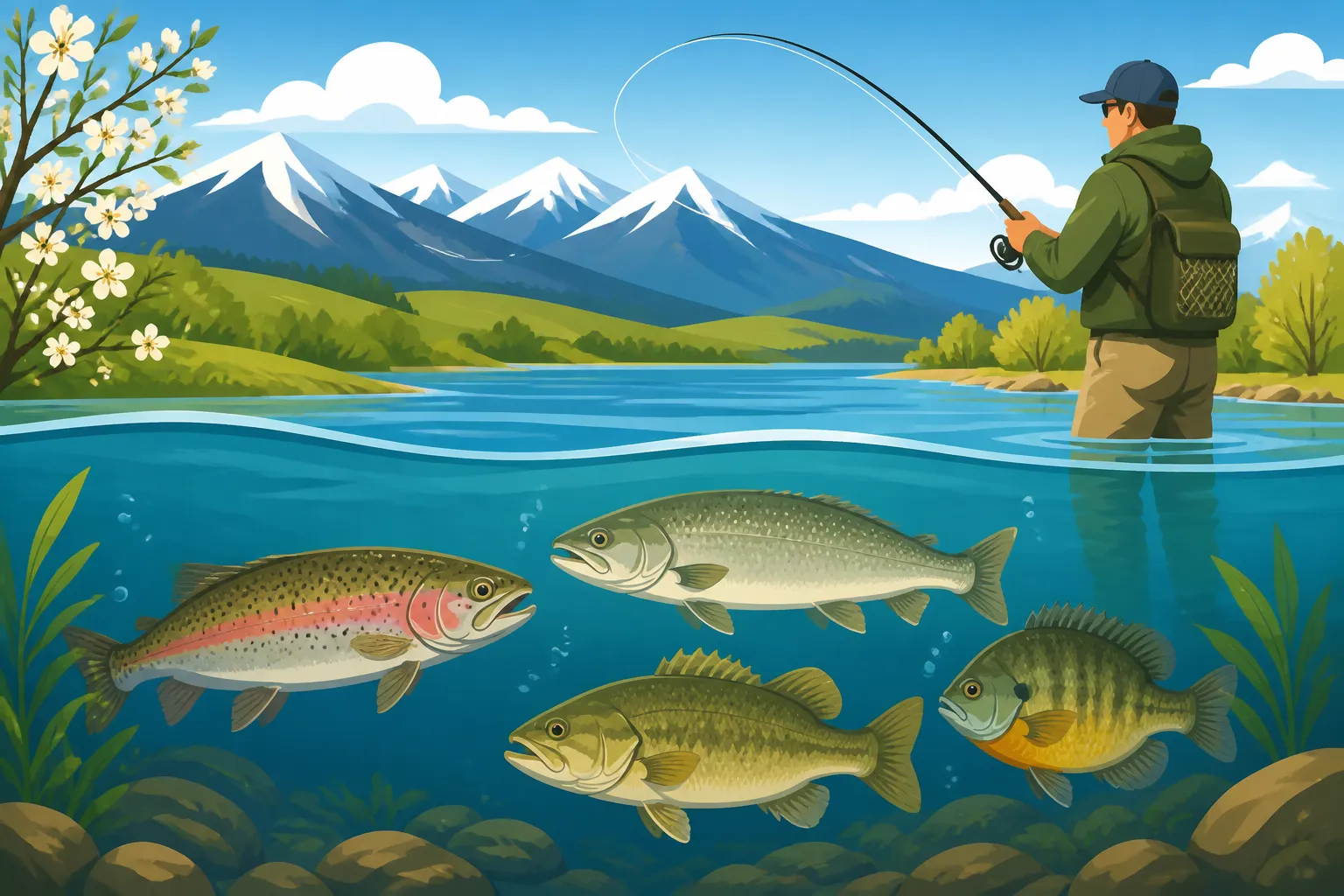
Without a doubt, the star of Standley Lake's spring stocking program is the Rainbow Trout. CPW typically stocks thousands of catchable-sized rainbow trout into the lake each spring, often beginning as early as March and continuing through May, depending on water temperatures and hatchery availability. These fish are usually 10-14 inches long, making them a perfect target for anglers of all skill levels. They are robust, fight hard, and are excellent table fare for those who choose to keep their legal limit. You can often track these stockings by checking the Reading Colorado's Weekly Stocking Report from CPW, which provides timely updates on where and when fish are being released.
These stocked rainbows tend to congregate in certain areas, particularly near stocking points, and along the shorelines where food is more readily available. They are often less wary than wild trout, making them a great target for beginners or those introducing kids to fishing. The beauty of these stockings is that they replenish the lake's population, ensuring there's always a fresh batch of eager biters for anglers to pursue throughout the spring months.
Stocking Schedule and Sources
While exact dates and numbers can vary slightly year to year based on hatchery production and environmental factors, CPW is committed to maintaining healthy fisheries. Standley Lake receives regular deliveries from state hatcheries, often multiple times throughout the spring. The purpose of these continuous stockings is to spread out the angling pressure and ensure a sustained supply of fish.
When planning your trip, keep in mind that freshly stocked trout might be a bit disoriented initially, but they usually start feeding quickly. Pay attention to local fishing reports or online forums, as anglers often share their experiences shortly after a stocking event. Knowing that thousands of Rainbow Trout in Colorado, Where They're Stocked are being introduced can certainly influence your decision on when and where to cast your line.
The Importance of Spring Stocking
Spring stocking programs like the one at Standley Lake are absolutely vital for several reasons. Firstly, they ensure a healthy, diverse, and accessible fishery, especially in urban areas where natural reproduction might be limited or where fishing pressure is high. Without these efforts, many popular fishing spots would quickly become depleted. Secondly, they support local economies by drawing anglers to the area, who then spend money on licenses, bait, tackle, and other amenities. Lastly, these stockings provide incredible recreational opportunities for families, children, and seasoned anglers alike, fostering a love for the outdoors and conservation. It’s a classic win-win situation, providing immediate gratification for anglers while also maintaining the ecological balance of the lake.
Targeting Recently Stocked Fish in Standley Lake
Once you know what's in the water, the next step is figuring out how to catch them! Recently stocked rainbow trout, while often less finicky than their wild counterparts, still respond best to certain presentations and baits. The key is often simplicity and knowing where to focus your efforts.
Best Baits and Lures for Spring Rainbows
When it comes to newly stocked rainbows, they're often accustomed to a pellet diet from the hatchery. This means they're usually not too picky, but certain baits and lures tend to outperform others.
Baits:
- PowerBait (Trout Bait): This dough-like bait, especially in bright colors like chartreuse, orange, or rainbow, is a perennial favorite. It floats, lifting your hook off the bottom and putting it right in their feeding zone. A small pinch molded around a treble hook or a small bait holder hook works wonders.
- Worms (Nightcrawlers, Mealworms): A classic for a reason. Worms are natural, wiggly, and irresistible. You can fish them whole or in pieces on a small hook, either under a bobber or on the bottom with a small weight.
- Corn: Believe it or not, canned whole kernel corn is incredibly effective for stocked trout. Its sweet scent and bright color mimic hatchery pellets. Just a few kernels on a small hook can be deadly.
- Marshmallows: Similar to PowerBait, small pieces of marshmallow float, and their subtle scent can attract trout. Pink or white work well.
Lures:
- Small Spinners: Lures like a Roostertail or a Mepps Aglia in sizes #0 to #2 are excellent. Their flashing blades and vibrating action mimic small baitfish or insects, triggering an aggressive strike. Gold, silver, or brightly colored blades are good choices.
- Spoons: Tiny Kastmasters, Daredevils, or similar spoons in 1/8 to 1/4 ounce sizes can be very effective. Their wobbling action is enticing, and they cast a good distance.
- Jigs: Small marabou jigs or plastic grub jigs, often tipped with a piece of PowerBait or a mealworm, can be deadly when retrieved slowly.
For those interested in Bait Fishing Techniques for Colorado Lakes, these options provide a great starting point for Standley Lake. Remember to experiment with different options and retrieve speeds until you find what the fish are hitting on that particular day.
Recommended Techniques for Stocked Trout
Simplicity is often key, but a few techniques will help maximize your chances:
- Bottom Fishing with Floating Bait: This is arguably the most common and effective method for stocked trout. Using a slip sinker rig, tie your main line to a swivel, then attach a 12-24 inch leader (4-6 lb test fluorocarbon or monofilament) to a small hook (size 8-12). Mold your PowerBait or marshmallow around the hook, cast it out, and let it sit. The bait will float up off the bottom, making it highly visible.
- Under a Bobber: For a more active approach, particularly if fish are cruising shallower, a slip bobber rig allows you to present bait or a small jig at a precise depth. This is a great way to cover water and is particularly effective when fishing with kids.
- Casting and Retrieving Lures: For spinner and spoon enthusiasts, a steady, slow retrieve is often best. Vary your retrieve speed and add occasional pauses to trigger strikes. Casting near structure or drop-offs can also be productive. This falls under the umbrella of Spin Fishing Techniques for Colorado Trout.
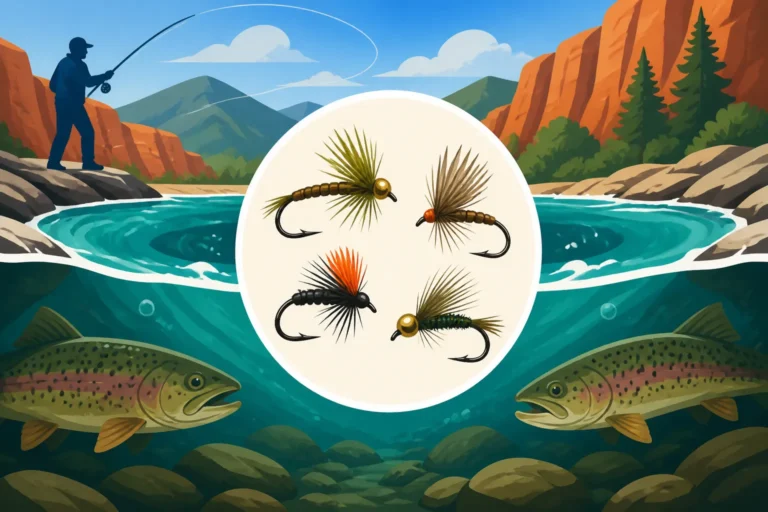
- Fly Fishing: While not as common for newly stocked fish from the bank, fly anglers can certainly find success with small nymphs (like a Copper John or a Pheasant Tail), San Juan Worms, or even small streamer patterns. A sinking line or a weighted nymph rig will help get your flies down to the fish.
Finding the Fish in Standley Lake
Location, location, location! While stocked trout can be anywhere, there are a few general areas where they tend to congregate, especially early in the spring.
- Near Stocking Points: Initially, fish will often hold close to where they were released. These are usually public access points. Keep an eye out for other anglers, as they might be signaling a recent stocking.
- Shoreline and Inlets: As the sun warms the shallower waters, trout will move closer to the bank, seeking warmer temperatures and insect activity. Areas near any small inlets or runoff channels can also be productive, as they bring in fresh food.
- Drop-offs and Structure: As the fish acclimate, they'll start to hold near underwater structure like submerged rocks, ledges, or sudden depth changes. These provide cover and ambush points. While wading is prohibited, casting parallel to the shore or using a fish finder from an electric boat can help identify these features.
- Wind-Blown Shores: A gentle breeze pushing across the lake can concentrate plankton and insects on the downwind side, creating a feeding frenzy for trout. Don't be afraid to fish into a light chop.
Remember that patience and persistence are your best friends. If one spot isn't producing, don't hesitate to move and try another.
Beyond Stocked Trout: Other Standley Lake Species
While the spring stocking of rainbow trout is a huge draw, Standley Lake is a diverse fishery that hosts a variety of other popular game fish. Don't be surprised if you hook into something different while targeting trout, or if you decide to specifically pursue these other residents.
Warmwater Warriors: Walleye and Smallmouth Bass
Standley Lake is renowned for its Walleye population. These toothy predators are a favorite among many anglers for their challenging bite and delicious fillets. Spring is a key time for walleye, as they move into shallower areas to spawn when water temperatures reach the 40s and 50s. After spawning, they remain active, often found along rocky points, humps, and submerged structure. They feed heavily on baitfish, so lures like jerkbaits, crankbaits, and jigs tipped with a minnow or worm are very effective. Early mornings and evenings are prime times to target walleye. For a deeper dive into these elusive fish, check out our guide on Walleye Fishing in Colorado.
Smallmouth Bass are another popular sport fish in Standley Lake. These hard-fighting fish love rocky habitats and typically spawn a bit later in the spring than walleye, when water temperatures climb into the 60s. They are aggressive feeders and will readily strike crankbaits, spinnerbaits, jigs, and soft plastics that mimic crawfish or baitfish. Look for them around rocky shorelines, rip-rap, and any submerged boulders. Their explosive strikes and acrobatic fights make them incredibly fun to catch. Learn more about targeting these feisty fish in our dedicated article on Smallmouth Bass in Colorado.
Other Coldwater and Hybrid Residents
Beyond trout, Standley Lake also holds populations of Yellow Perch and Wiper. Perch are panfish, often found in schools, and are a great target for light tackle. They bite readily on small jigs, worms, or even tiny pieces of PowerBait. They are excellent eating and a fantastic option for family fishing.
Wiper, a hybrid cross between a white bass and a striped bass, are incredibly strong and fast-growing fish. They are stocked in various Colorado reservoirs, including Standley Lake, to provide a unique trophy-fishing opportunity. Wiper are often found chasing schools of baitfish in open water and will strike fast-moving lures like Kastmasters, inline spinners, or larger crankbaits. Their sheer power can be quite a surprise! Our guide on Wiper, Colorado's Hybrid Striped Bass offers more insights into these exciting fish.
Knowing the full array of species in Standley Lake allows you to diversify your tackle box and techniques, ensuring that no matter what's biting, you're ready to make a catch.
Planning Your Spring Fishing Trip to Standley Lake
A little planning goes a long way in ensuring a successful and enjoyable fishing trip to Standley Lake. From necessary permits to knowing where to get local intel, these tips will help you make the most of your spring outing.
Essential Licenses and Permits
Before you even think about casting a line, ensure you have the proper documentation. Anyone 16 years or older needs a valid Colorado fishing license. You can easily purchase these online through the CPW website, at most sporting goods stores like Cabela's or Sportsman's Warehouse, or even at some Walmart locations. Consider whether an annual license, a Colorado's Annual, One-Day and Five-Day License Options, or a shorter-term option is right for you. For instance, if you're only planning a quick trip, you might wonder What a One-Day Colorado Fishing License Costs. Always make sure you understand the details of your Colorado Fishing License Guide for Residents and Nonresidents.
In addition to your state fishing license, you will need to pay an entrance fee to Standley Lake Regional Park and Wildlife Refuge. This can be a daily fee or an annual pass. If you're planning to launch a boat, there's typically a separate boat launch fee as well, and remember, your vessel will need to pass an Aquatic Nuisance Species (ANS) inspection. It's always best to check the official Standley Lake website for current fee schedules and park hours.
Gear Checklist for a Successful Day
Having the right gear makes all the difference. For general spring fishing at Standley Lake, here's a basic checklist:
| Item | Description | Notes |
|---|---|---|
| Fishing License | Valid Colorado Fishing License | Must be 16+ years old. Digital or physical copy. |
| Park Pass/Entry Fee | Daily or Annual pass for Standley Lake Regional Park | Check current fees and hours on the park website. |
| Rod & Reel Combo | Light to Medium-Light action spinning rod (5'6" to 7') with matching reel | Spooled with 4-8 lb monofilament or fluorocarbon line. |
| Tackle Box Basics | Hooks (sizes 6-12), sinkers (split shot, egg sinkers), swivels, bobbers | Essential for various bait presentations. |
| Baits & Lures | PowerBait (various colors), worms, corn, small spinners, spoons, jigs | Bring a variety to see what fish prefer on the day. |
| Pliers/Forceps | For removing hooks safely | Especially important for catch-and-release. |
| Landing Net | Small, rubberized net for easier and safer fish handling | Rubberized nets are gentler on fish if you plan to release them. |
| Cooler with Ice | For keeping your catch fresh (if keeping) and for drinks/snacks | Adhere to bag and possession limits as per Colorado Fishing Regulations Every Angler Should Know. |
| Sun Protection | Hat, sunglasses, sunscreen | Colorado sun can be intense, even in spring. |
| Weather-Appropriate Clothing | Layers, rain gear | Colorado weather can change rapidly. |
| Water & Snacks | Stay hydrated and energized | Essential for any outdoor activity. |
Getting Local Intel and Guides
While this guide offers a solid foundation, local knowledge can be invaluable. Don't hesitate to visit local bait and tackle shops in Westminster or Arvada. The folks working there are often anglers themselves and can provide up-to-the-minute reports on what's biting, what baits are working, and any recent stocking news. They can also offer advice specific to current conditions that day.
If you're new to fishing or want to learn specific techniques, consider hiring a guide. While direct Standley Lake guides might be less common due to the specific boat restrictions, many excellent guides operate on other Front Range lakes and rivers. Services like FishingBooker can help you find experienced Colorado fishing guides who can teach you the ropes, whether you're interested in fly fishing a nearby river or targeting walleye on a larger reservoir. Even a half-day trip with a guide can drastically improve your skills and understanding of Colorado's diverse fisheries. They can help you understand the nuances of the local regulations and the best times to fish different areas.
Final Thoughts on Standley Lake Spring Fishing
Standley Lake truly offers a fantastic opportunity for spring fishing in the Denver metropolitan area. The consistent stocking of rainbow trout ensures there are plenty of eager fish to target, making it an ideal spot for families, beginners, and seasoned anglers alike. When you combine the excitement of fresh stockings with the potential for catching hard-fighting walleye, smallmouth bass, or even powerful wiper, it's clear why this lake is a local favorite. Just remember to respect the specific park and water-use regulations, gear up appropriately, and be ready to adapt to the fish's preferences on any given day. With a little preparation, your spring fishing adventure at Standley Lake is bound to be a memorable one.
Disclaimer
Please note that fishing regulations, stocking schedules, and park rules are subject to change by Colorado Parks and Wildlife and the City of Westminster. Always consult the most current official sources before planning your trip to ensure compliance and safety. This guide is for informational purposes only and does not constitute official legal or regulatory advice.