Fishing the San Juan Mountains’ High Alpine Lakes
The majestic San Juan Mountains of Colorado beckon with incredible beauty, but for anglers, the real treasure often lies hidden high above treeline: the alpine lakes. It can be incredibly frustrating to plan a high-country trip, only to arrive unprepared for the thin air, unpredictable weather, and finicky trout that define these remote waters. This guide aims to equip you with the knowledge and confidence needed to successfully navigate and fish the stunning high alpine lakes of the San Juan Mountains, ensuring your adventure is memorable for all the right reasons.
The Allure and Challenges of San Juan Alpine Lakes
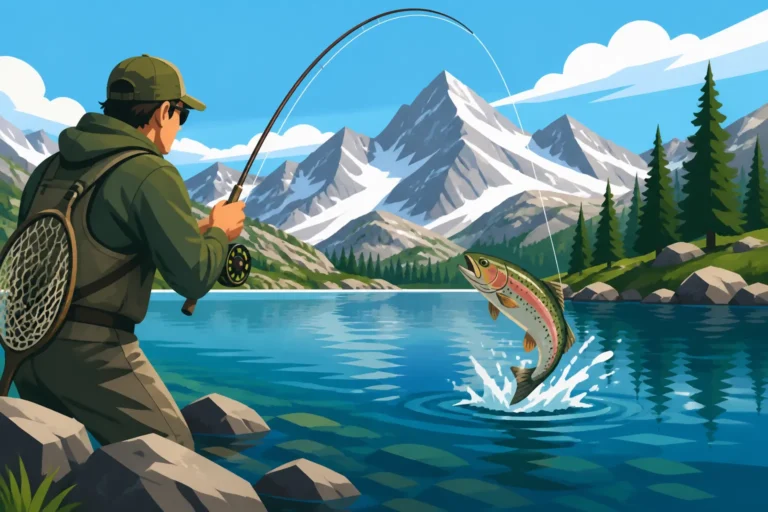
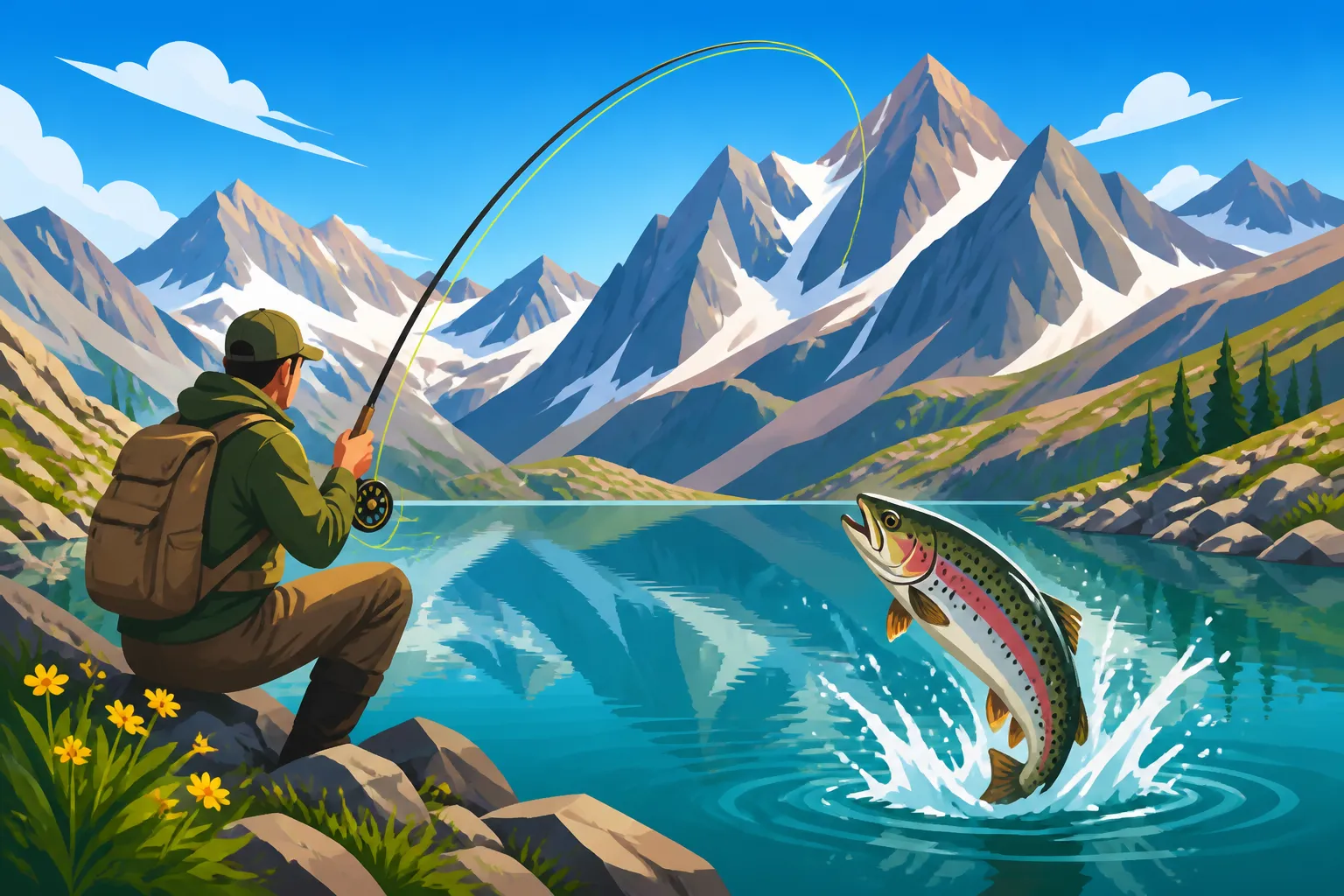
There's something truly magical about casting a line into a pristine, cobalt-blue lake cradled by towering peaks, where the only sounds are the whisper of the wind and the occasional splash of a rising trout. The high alpine lakes of the San Juan Mountains offer an unparalleled sense of solitude and a connection to raw wilderness that's increasingly rare in our busy world. However, this beauty comes with its own unique set of challenges that every angler needs to understand.
Discovering Pristine Wilderness and Native Trout
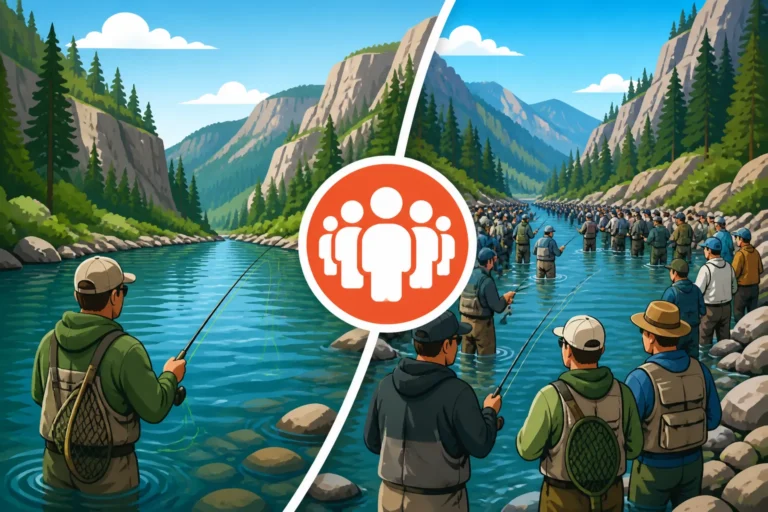
The San Juans are renowned for their rugged, dramatic landscape, and within this wilderness, countless lakes dot the high country, many accessible only by foot. These lakes are often home to vibrant populations of cutthroat trout, including the native Colorado River Cutthroat Trout and even Rio Grande Cutthroat Trout in certain drainages. Unlike their stocked cousins in lower-elevation waters, these high-country fish are often smaller but incredibly spirited, boasting vivid colors that reflect their pristine environment. Catching one of these native beauties in its natural habitat is a truly rewarding experience, offering a glimpse into Colorado's ecological heritage. The sheer remoteness ensures that many of these lakes see minimal pressure, providing an opportunity for genuine discovery and a chance to truly escape. Imagine hiking for hours, finally cresting a pass, and seeing a sparkling lake below you, knowing that very few people ever cast a line there. That's the kind of experience the San Juans offer.
Navigating High Altitudes and Unpredictable Weather
While the allure is undeniable, the physical demands and environmental conditions of the San Juan high country cannot be underestimated. Most alpine lakes sit above 10,000 feet, often pushing past 12,000 feet, which means significantly thinner air and a higher risk of altitude sickness. Acclimatization is crucial, and pushing yourself too hard too fast can quickly turn an incredible fishing trip into a miserable ordeal. Beyond the altitude, the weather is notoriously fickle. A sunny morning can quickly devolve into a violent afternoon thunderstorm with hail, lightning, and plummeting temperatures. Even in summer, snow is a possibility, especially at higher elevations. This means packing layers, rain gear, and being prepared to turn back if conditions worsen. It's not uncommon to experience all four seasons in a single day, and being caught unprepared can be dangerous.
Essential Gear for High Alpine Adventures
When heading into the San Juan high country, your gear choices are paramount. Every item needs to be lightweight, durable, and versatile enough to handle the rapidly changing conditions. You're often carrying everything on your back for miles, so minimizing weight while maximizing utility is key. Forget bringing your heaviest surf rod; precision and portability are the names of the game up here.
Lightweight Rods, Reels, and Lines
For fly anglers targeting alpine trout, a lightweight fly rod in the 3- to 5-weight range is ideal. A 7.5-foot to 9-foot rod offers a good balance of casting accuracy for smaller streams feeding into lakes and enough backbone for slightly larger fish in the main lake. Pair this with a reliable, lightweight reel spooled with a floating line that matches your rod weight. Portability is a huge factor, so a multi-piece travel rod (4-piece or more) is highly recommended. For those who prefer spin fishing, a light or ultralight spinning rod (5-6 feet) with a corresponding reel spooled with 4-6 pound test monofilament or fluorocarbon line is perfect. These setups allow for delicate presentations, which are often necessary for spook-prone alpine trout, while keeping your pack weight manageable.
Packable Tackle and Flies
You won't need a huge tackle box for alpine fishing. Think minimalist. For fly fishing, a small fly box stocked with a variety of patterns is essential. Favorites include small dry flies like Parachute Adams, Griffiths Gnats, Caddis patterns, and various ant or beetle imitations. For subsurface work, small nymph patterns such as Pheasant Tails, Hare's Ears, and small midge patterns work wonders, especially in deeper pockets. Don't forget a few small streamer patterns, like a Wooly Bugger, for those aggressive larger trout. If you're spin fishing, a selection of small inline spinners (like Panther Martins or Mepps), tiny spoons (Kastmasters, Dardevles), and micro jigs (1/32 to 1/8 oz) with grub tails are your best bet. Always choose barbless hooks, or pinch down the barbs on your lures to minimize harm to these wild fish, especially when practicing Catch-and-Release Rules on Colorado's Cutthroat Waters.
| Gear Type | Fly Fishing Recommendation | Spin Fishing Recommendation |
|---|---|---|
| Rod | 3-5 weight, 7.5-9 ft, multi-piece travel | Ultralight, 5-6 ft, multi-piece travel |
| Reel | Lightweight, matching rod weight | Ultralight, smooth drag |
| Line | Floating fly line | 4-6 lb monofilament or fluorocarbon |
| Flies/Lures | Dry flies (Parachute Adams, Caddis), Nymphs (Pheasant Tail, Hare's Ear), Small Streamers | Inline spinners (Panther Martin, Mepps), Tiny spoons (Kastmaster), Micro jigs |
| Terminal Tackle | 4x-6x tippet, small indicators | Small swivels, split shot |
| Essentials | Hemostats, nippers, small net | Small pliers, line clippers |
| Safety & Comfort | Layers, rain gear, sun protection, first-aid, map, compass/GPS | Layers, rain gear, sun protection, first-aid, map, compass/GPS |
Clothing and Safety Preparedness
Layers are your absolute best friend in the San Juans. Start with a moisture-wicking base layer, add an insulating mid-layer (fleece or synthetic puffy), and top it with a waterproof and windproof outer shell. Even in summer, a warm hat and gloves can be lifesavers. Sturdy, broken-in hiking boots are non-negotiable, offering ankle support and good traction on uneven terrain. Sun protection is vital at high altitudes, so bring a wide-brimmed hat, sunglasses, and high-SPF sunscreen.
Safety gear is just as important as fishing gear. Always carry a first-aid kit, a map and compass (and know how to use them), a fully charged phone with a portable charger, and ideally, a satellite communication device like an InReach or SPOT. Water purification tablets or a filter are essential, as you'll be relying on natural water sources. Pack extra food, a headlamp, and a fire starter. It's also wise to check the local regulations regarding Colorado Fishing Season Dates and Bag Limits and inform someone of your itinerary before you head out. These precautions can literally save your life when you're miles from the nearest trailhead.
Effective Techniques for San Juan Alpine Trout
Fishing high alpine lakes often requires a different approach than lower-elevation rivers or reservoirs. The fish here are wild, often less pressured, but also can be incredibly wary in the clear, shallow waters. Stealth, accurate casting, and understanding the trout's behavior are key to success.
Reading Alpine Water and Trout Behavior
Alpine lakes can range from shallow, rocky bowls to deep, glacial basins. The key is to observe. Look for structure: rocky outcrops, submerged logs, weed beds, and inlets/outlets where streams flow in or out. These are prime holding areas for trout. In clear, still water, trout can be incredibly spooky. Approach the water slowly, keeping a low profile, and avoid casting a shadow over the water. Often, the best fishing is at dawn or dusk when the light is low and insects are most active. During midday, fish might move to deeper, cooler water. Watch for rising fish—it's a clear indicator of insect activity on the surface. If you see fish rising, try to match the size and color of the naturals. High mountain lakes often experience prolific midge hatches, even in cooler weather, so having some tiny black or olive midge patterns is a smart move. When the fish are less active, focusing on deep drop-offs or shaded areas where they might feel more secure is often effective. Understanding How Altitude Affects Fishing at Colorado's High Lakes can also influence trout behavior and feeding patterns.
Fly Fishing Strategies for Finicky Cutthroat
Fly fishing is often the most productive and rewarding method for alpine cutthroat. If fish are rising, a well-presented dry fly can lead to explosive strikes. Choose smaller patterns, size 16-20, to mimic the common high-country insects. Pay attention to drag-free drifts, as these wild trout are often very particular. If no rises are apparent, or if you're fishing deeper water, nymphing under a small indicator or using a dry-dropper rig can be highly effective. A classic setup involves a larger, buoyant dry fly (like a Stimulator or chubby Chernobyl) with a small nymph suspended 1-3 feet below it. This allows you to cover both surface and subsurface presentations simultaneously. When fish are really shutting down, a very slow retrieve of a small streamer, like a black or olive Wooly Bugger, can sometimes elicit a reaction strike, mimicking a small baitfish or leech. Remember that many of these lakes hold populations of Colorado River Cutthroat Trout, Where to Find Them, and their preservation is paramount, so careful handling and release are crucial.
Spin Fishing for Mountain Trout
Spin fishing can also be very effective in alpine lakes, especially for covering more water or when dealing with high winds that make fly casting difficult. Small inline spinners, typically 1/16 to 1/8 ounce, are excellent choices. Cast them out and retrieve them steadily, varying your speed until you find what the fish prefer. The flash and vibration often attract trout from a distance. Tiny spoons, like 1/8 ounce Kastmasters or Dardevles, are also great for casting long distances and can be jigged vertically in deeper water or retrieved with a stop-and-go motion. Micro jigs, often tipped with a small grub or worm, can be deadly when fished slowly along the bottom or under a small bobber. The key is subtlety; bright colors are fine, but heavy lures or noisy retrieves can easily spook fish in these clear waters. It’s a good idea to research the specific regulations for the lake you plan to visit, as bait restrictions might apply in some areas. For general licensing information, be sure to consult the Colorado Fishing License Guide for Residents and Nonresidents.
Planning Your San Juan High Lake Expedition
A successful trip to the San Juan high alpine lakes requires careful planning, from choosing your destination to understanding the best time to go and ensuring you have all necessary permits.
Choosing Your Alpine Lake Destination
The San Juan Mountains are vast, offering countless alpine lakes. Popular areas include the Weminuche Wilderness, Uncompahgre Wilderness, and areas near towns like Silverton, Ouray, Lake City, and Creede. Some lakes, like those accessible from the Ice Lakes Basin trailhead near Silverton (though heavily trafficked), or more remote destinations like those within the San Juan Mountains' High Alpine Lakes offer breathtaking scenery and good fishing. Research is critical. Utilize resources like the U.S. Forest Service maps, apps like Gaia GPS, and Colorado Parks and Wildlife's (CPW) Fishing Atlas to identify potential lakes, assess access trails, and understand any specific regulations or stocking reports. Consider the elevation, hike difficulty, and how much solitude you desire. For instance, some lakes are short, moderate hikes, while others require multi-day backpacking trips. When planning, you might even consider booking a local expert through a platform like FishingBooker if you're unfamiliar with the area, as their local guides can provide invaluable insights and ensure a safer, more productive trip.
Best Seasons and Access Considerations
The prime season for fishing San Juan high alpine lakes is typically from late June or early July through September. Before this window, many lakes will still be frozen or partially covered in ice, and trails may be impassable due to snow. However, those adventurous enough to fish at When Alpine Lakes Above 11,000 Feet Thaw Out can find unique opportunities. As fall approaches, the temperatures drop, and snow can return quickly, making early October a risky proposition unless you're specifically geared for cold weather and potential winter conditions.
Access to these lakes almost always involves a significant hike, ranging from a few miles to over ten, often with considerable elevation gain. Trails can be steep, rocky, and exposed. Always check trail conditions before you go; snowmelt can cause muddy sections or washouts, and downed trees are common. Many of these lakes lie within designated wilderness areas, which means certain rules apply, such as Leave No Trace principles, restrictions on motorized vehicles, and sometimes, a requirement for wilderness permits, especially for overnight stays. For those less keen on extensive hiking, some lakes might have easier access or even be reachable via a shorter trek to a specific spot. You can often find detailed trail information and conditions on the Forest Service website or local outdoor recreation forums.
Permits, Regulations, and Leave No Trace
Before you even step foot on the trail, ensure you have a valid Colorado fishing license. You can find detailed information on obtaining one through resources like How to Buy a Colorado Fishing License. Beyond the license, be aware of any specific regulations for the body of water you intend to fish. These might include special bag limits for certain species, restrictions on bait or flies, or catch-and-release only rules. For example, some native cutthroat recovery areas may have very strict rules to protect sensitive populations.
Adhering to Leave No Trace principles is absolutely critical in these fragile alpine environments. Pack out everything you pack in, including all trash and food scraps. Stay on designated trails to prevent erosion and protect delicate alpine vegetation. When camping, choose established sites away from water sources. Minimize campfire impact, or better yet, use a stove. Human and pet waste should be properly buried. Respect wildlife by observing from a distance and never feeding animals. The beauty and solitude of these lakes depend entirely on every visitor's commitment to protecting them. Remember, these are wild and remote places, and your actions have a lasting impact on the environment. If you're looking for more general information about various trout species in the state, be sure to check out our Colorado's Trout Species, A Field Guide.
Disclaimer
Fishing in the high country carries inherent risks, including but not limited to sudden weather changes, difficult terrain, altitude sickness, and wildlife encounters. Always prioritize safety, be prepared for emergencies, and consult local authorities like Colorado Parks and Wildlife or the U.S. Forest Service for the most up-to-date conditions and regulations before planning your trip.