Ice Fishing at Eleven Mile State Park
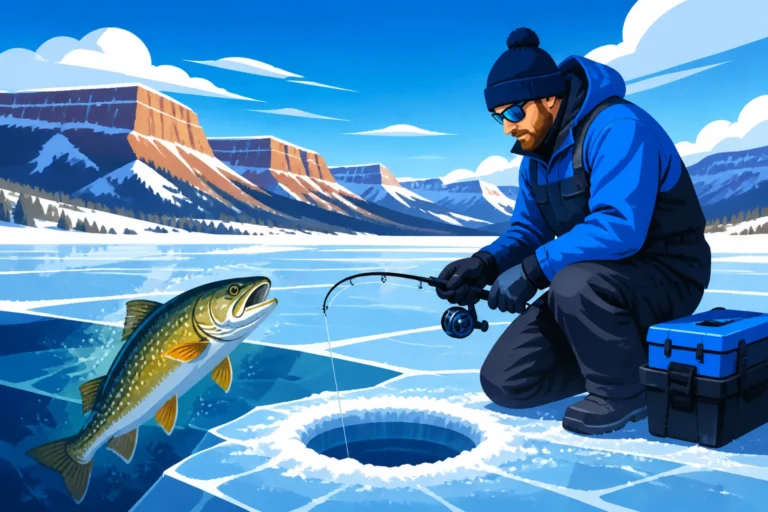
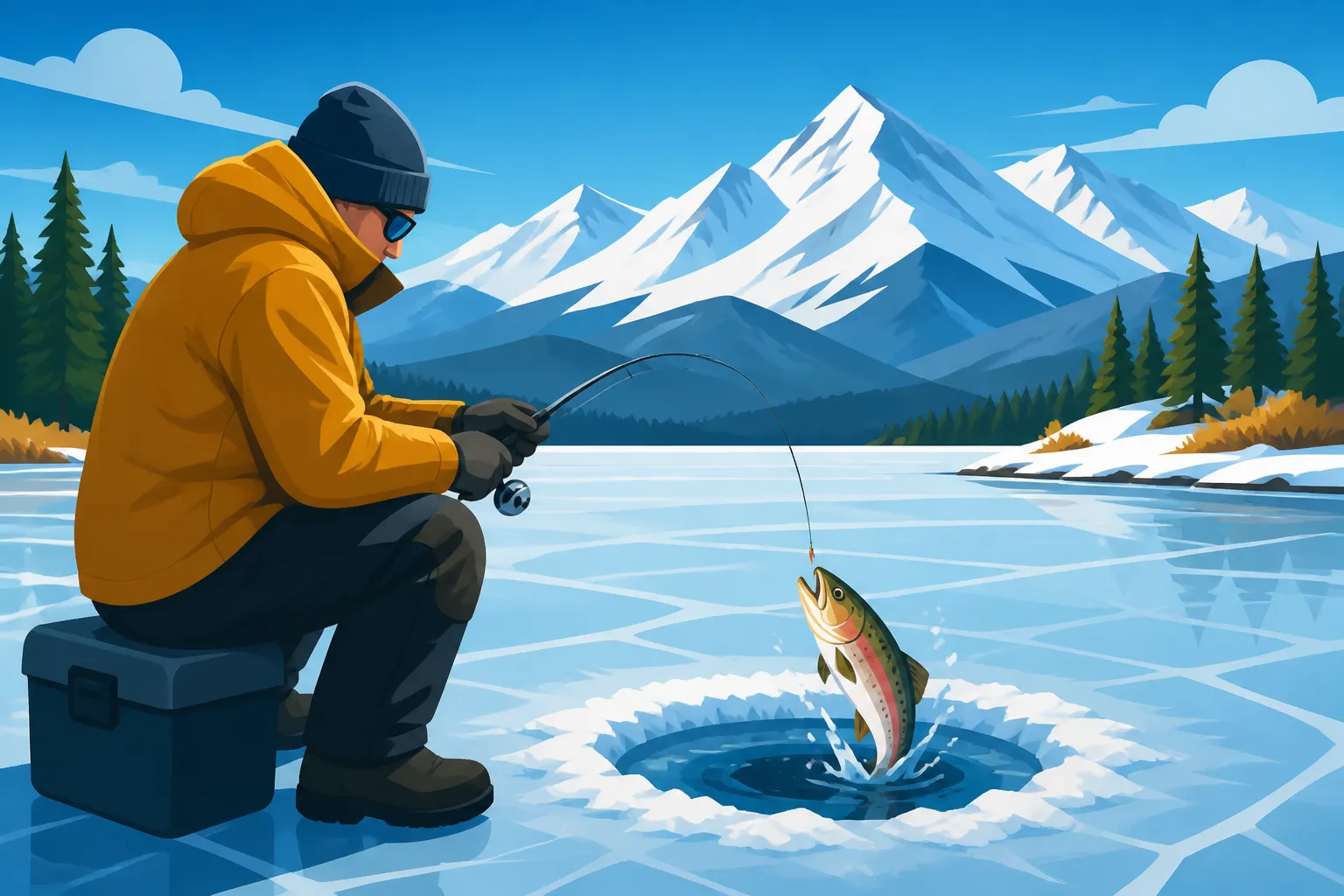
There's nothing quite like the crisp air, the vast, frozen expanse, and the thrill of pulling a feisty fish from beneath the ice, but finding a truly productive spot that consistently delivers can feel like a secret handshake among seasoned anglers. Many new to Colorado's winter fishing scene struggle with where to even start, let alone which specific tactics will work best on unfamiliar waters. This comprehensive guide is designed to cut through that uncertainty, providing you with everything you need to know about successfully ice fishing at Eleven Mile State Park, a true gem for hardwater enthusiasts.
Why Eleven Mile State Park is an Ice Fishing Hotspot
Eleven Mile State Park isn't just another frozen lake; it's an institution for ice anglers in Colorado, consistently drawing crowds year after year for very good reasons. Situated in South Park, a high-altitude basin, its reputation for abundant and often trophy-sized fish is well-deserved. The park's diverse underwater structure, consistent stocking efforts by Colorado Parks and Wildlife (CPW), and the sheer volume of water create an ideal environment for various species to thrive, even under a thick layer of ice.
The Allure of Trophy Trout and Northern Pike
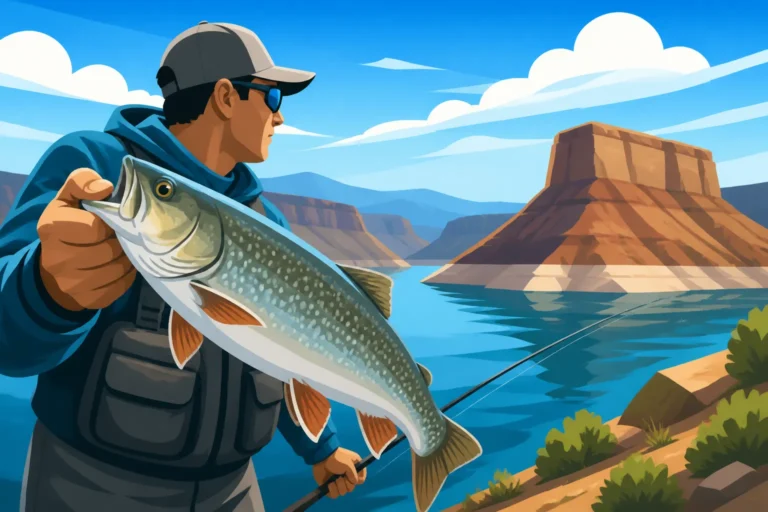
One of the biggest draws to Eleven Mile for ice anglers is the incredible opportunity to hook into genuinely large fish. We're talking about more than just your average pan-sized trout here; Eleven Mile is famous for its trophy rainbow trout, brown trout, and cutthroat trout. These fish benefit from the park's rich food sources and excellent habitat, often growing to impressive sizes, with 20-inch rainbows and browns being a regular occurrence, and even larger specimens not uncommon. Imagine the fight a 24-inch trout puts up on a short ice rod!
But the excitement doesn't stop with trout. Eleven Mile also boasts a robust population of northern pike, and these toothy predators grow to monstrous proportions here. Many anglers specifically target pike through the ice, hoping to battle a 30-inch or even 40-inch pike that will give them a true test of strength and tackle. Pike are ambush predators, and during winter, they often cruise the edges of weed beds and drop-offs, making them a thrilling target. CPW actively manages pike populations in Eleven Mile, so you'll often find generous bag limits for them, encouraging anglers to keep what they catch.
Prime Location and Accessibility
Eleven Mile State Park offers a fantastic blend of remote beauty and surprisingly good accessibility. Located about two hours southwest of Denver, it's a manageable drive for a day trip or an extended weekend adventure. The park itself is well-maintained, providing multiple access points around the reservoir that become popular ice fishing spots once the ice is safe.
Key access points like the North Shore, Howbert Point, Rocky Ridge, and Witchers Cove offer varying depths and structures, catering to different fishing styles and target species. Most of these areas have ample parking, and during the ice fishing season, well-worn paths often lead from parking lots directly onto the ice, making it easier to haul your gear. While it’s always important to check current conditions and access restrictions with CPW or the park office, Eleven Mile strives to make winter angling as convenient as possible.
Essential Gear for Eleven Mile Ice Fishing
Venturing onto the ice at Eleven Mile without the right gear is like showing up to a fancy dinner in your pajamas – you're just not prepared. Ice fishing demands specific equipment tailored to cold temperatures and the unique challenge of fishing through a hole in the ice. Having the proper setup not only increases your chances of success but, more importantly, ensures your safety and comfort.
Ice Fishing Rods, Reels, and Line
When it comes to ice fishing, specialized rods are a must. Unlike open-water rods, ice rods are much shorter, ranging from 24 to 36 inches, allowing you to fish comfortably from a seated position over a small hole. For the abundant trout at Eleven Mile, a light to medium-light action rod is perfect. This action allows you to feel the subtle bites of trout and provides enough backbone to manage a larger fish without overpowering your presentation. For targeting those aggressive northern pike, however, you'll want to step up to a medium-heavy or heavy action rod to handle their powerful runs and sharp teeth.
Matching your rod with the right reel is also crucial. Small spinning reels (sizes 500-1000) are typically paired with ice rods, spooled with fluorocarbon line in the 4-8 pound test range for trout, which offers excellent abrasion resistance and low visibility in the clear water. If you're going after pike, a heavier monofilament or braid in the 15-30 pound test range, often with a fluorocarbon or steel leader to prevent bite-offs, is essential. Remember, line visibility is less of a concern for pike than for wary trout.
Augers, Shelters, and Safety Gear
You can't go ice fishing without a way to get through the ice! An ice auger is non-negotiable. While manual augers are more budget-friendly and great for drilling a few holes, a power auger (either gas, propane, or electric) becomes invaluable when you want to drill many holes quickly to locate fish or if the ice is particularly thick. Ten-inch augers are popular for pike, allowing plenty of room for their heads, while 6-8 inch augers are sufficient for trout.
To stay comfortable during long hours on the ice, especially in Colorado's unpredictable winter weather, an ice fishing shelter is a game-changer. These portable shelters, ranging from simple flip-over styles to spacious hub-style tents, provide protection from wind, snow, and extreme cold. Many come with built-in seating and can be heated with a portable propane heater, transforming a frigid day into a cozy angling experience.
But comfort comes second to safety. Ice fishing carries inherent risks, and being prepared for emergencies is paramount. Always carry ice picks worn around your neck, which can be used to pull yourself out if you break through the ice. A spud bar is vital for testing ice thickness as you move, especially at the beginning and end of the season. Dress in layers, wear waterproof and insulated boots, and consider a flotation suit for added safety. Never forget a first-aid kit, a fully charged phone, and tell someone your plans before heading out. Knowing How Thick Ice Needs to Be Before You Fish It in Colorado is critical for any ice angler.
Baits and Lures That Work Best
Eleven Mile's fish are often opportunistic feeders, but they can also be selective. Having a variety of baits and lures in your tackle box will increase your chances of success. For trout, popular natural baits include mealworms, wax worms, and PowerBait (marshmallows, dough, or PowerBait Gulp! scented baits). These can be jigged gently or fished dead-stick style on a small hook suspended below a bobber.
When it comes to lures for trout, small ice jigs tipped with a mealworm or wax worm are incredibly effective. Colors like chartreuse, pink, and white often produce well. Small spoons (e.g., Kastmaster, Swedish Pimple) in silver, gold, or flashy patterns can also entice aggressive trout, especially when jigged erratically.
For northern pike, the approach is different. Large dead baitfish (like smelt or sucker meat, where legal, check Colorado Bait Restrictions and Where They Apply) fished on a quick-strike rig under a tip-up are incredibly effective. Live bait, while legal in some areas, is generally not permitted in Colorado's trout waters. Large spoons, jigging Rapalas, or even swimbaits can also provoke strikes from hungry pike when jigged aggressively near drop-offs or weed beds. You might want to consider some of the Best Lures for Northern Pike in Colorado Reservoirs to stock your tackle box.
Navigating Eleven Mile's Ice: Spots and Strategies
Eleven Mile is a large reservoir, and just drilling a hole anywhere won't guarantee success. Understanding the underwater topography and how fish relate to it during winter is key to finding those productive spots. Like any great fishing destination, Eleven Mile has its honey holes and preferred techniques that consistently put fish on the ice.
Key Areas to Target for Different Species
Different fish species tend to congregate in specific areas during the winter months. For rainbow and brown trout, focus your efforts on structure that provides cover and access to food. This often means fishing near submerged points, rock piles, humps, and the edges of old creek channels. Areas like Howbert Point, with its varied depths, and the submerged structures off Rocky Ridge are often fantastic for trout. Additionally, the shallower flats and gradual slopes near the North Shore can be productive, especially early and late in the ice season.
If your quarry is northern pike, think ambush points. Pike love to hide along weed lines, sudden drop-offs, and submerged timber. Witchers Cove and the deeper sections of the lake near the old river channel are known pike haunts. Look for areas where the depth changes abruptly or where remnants of vegetation might still be present under the ice. Pike are less concerned with depth than they are with cover and patrolling lanes to intercept prey.
Many anglers use a technique called "hole hopping" — drilling multiple holes in a grid or along a contour line and fishing each for only a few minutes before moving on. This helps quickly locate active fish rather than waiting for them to come to you.
Techniques for Success: Jigging, Trolling, and Tip-Ups
Once you've found a promising spot, selecting the right technique can make all the difference. Jigging is a fundamental ice fishing technique where you repeatedly lift and drop your lure or bait, creating movement and vibration to attract fish. For trout, a subtle, almost rhythmic jigging motion with small jigs or spoons is usually best. Imagine a dying insect or a struggling minnow. Vary your retrieve speed and pause lengths until you find what the fish are responding to.
Dead-sticking is another highly effective method, particularly for wary trout. This involves setting up a second rod (remember to check Colorado's Second-Rod Stamp and Who Needs One if you plan to use two rods) with a stationary bait, often suspended just off the bottom or at mid-depth, in another hole nearby. The less active presentation can tempt fish that are spooked by aggressive jigging or simply prefer an easy meal.
For pike, tip-ups are king. A tip-up is a device that spans an ice hole and holds a baited line. When a fish takes the bait, it triggers a flag, signaling a bite. This allows you to fish multiple holes simultaneously over a wider area, greatly increasing your chances of intercepting a cruising pike. Baits like large shiners or chunks of cut bait are typically suspended at various depths. When that flag pops up, the rush to the hole is an exhilarating part of pike fishing! If you're serious about battling large lake trout or pike, learning about Jigging for Lake Trout Through the Ice can greatly improve your technique.
Using modern fish finders or flasher units like those from Vexilar or Marcum is also highly recommended. These devices give you real-time information about fish presence, depth, and even how fish are reacting to your lure, helping you fine-tune your presentation and depth.
Regulations and Best Practices for Eleven Mile
Fishing responsibly and legally is paramount, especially at a popular destination like Eleven Mile State Park. Colorado Parks and Wildlife sets specific regulations to protect fish populations and ensure a sustainable resource for all anglers. Ignorance of the rules is never an excuse, so a quick review before hitting the ice is always a good idea.
Understanding Colorado's Ice Fishing Rules
First and foremost, every angler 16 years or older needs a valid Colorado fishing license. You can easily purchase a Colorado Fishing License Guide for Residents and Nonresidents online at CPWShop.com or through various retailers. When ice fishing, you are allowed to use up to two lines at Eleven Mile, but only if you have purchased the Colorado's Second-Rod Stamp and Who Needs One. This is a common mistake anglers make, so double-check your license endorsements.
Specific bag and possession limits apply to different species. For trout (rainbow, cutthroat, brown) at Eleven Mile, the daily bag and possession limit is generally four fish, with specific length restrictions sometimes in place for certain species or in certain areas. It’s always best to consult the most current Colorado Fishing Regulations Every Angler Should Know, specifically the CPW fishing brochure, as these can change annually. For northern pike, Eleven Mile often has a generous limit of 25 fish, with no size restrictions, which is part of CPW's effort to manage their population. However, always verify the current Colorado's Daily Northern Pike Limit before your trip. Knowing the nuances between daily and possession limits is also important; for a deeper dive, read about Possession Limits vs Daily Limits in Colorado.
Responsible Angling and Conservation
Beyond the legal requirements, practicing responsible angling is crucial for preserving the quality of fishing at Eleven Mile. Leave No Trace principles are fundamental: pack out everything you pack in, including discarded fishing line, bait containers, and any trash. This helps maintain the park's natural beauty and prevents harm to wildlife.
When practicing catch-and-release, especially for trophy trout, handle fish with care. Minimize their time out of the water, use wet hands to protect their slime coat, and release them gently. This ensures the fish have the best chance of survival. Even though pike limits can be generous, if you're not planning to eat them, consider releasing some of the smaller ones or practicing careful release on larger specimens.
Respect for other anglers is also key. Eleven Mile can get crowded, especially on weekends. Maintain a respectful distance from other groups, keep noise levels down, and be mindful of your shelter placement. Sharing the ice politely ensures a pleasant experience for everyone.
Planning Your Trip to Eleven Mile State Park
A successful ice fishing trip to Eleven Mile requires more than just knowing where the fish are; it involves thoughtful planning, from timing your visit to securing accommodations and necessary supplies. A well-planned trip minimizes stress and maximizes your time on the ice.
When to Go: Best Times and Conditions
The ice fishing season at Eleven Mile typically kicks off in late December once safe ice forms and can last well into March, sometimes even early April in colder years. The prime months are usually January and February when the ice is thickest and most stable, though crowds can be at their peak on weekends during this period.
Checking ice conditions is the most critical step before heading out. Never assume the ice is safe. Always consult official park reports, local bait shops, or trusted online forums for the latest ice thickness updates. As a general guideline, 4 inches of clear, solid ice is usually considered safe for walking, 5-7 inches for a single snowmobile or ATV, and 8-12 inches for a small vehicle. However, these are general rules, and conditions can vary widely across the lake. Always exercise extreme caution, especially early and late in the season. You can often find updates through the park's official Colorado Parks and Wildlife channels, or you can check a Reading Colorado's Weekly Stocking Report which sometimes includes ice condition updates for major reservoirs.
Weather plays a huge role in comfort and safety. While bluebird days are lovely, strong winds, common in South Park, can make fishing unbearable without adequate shelter. Dress in layers, and be prepared for rapidly changing high-country weather.
Amenities and Nearby Services
Eleven Mile State Park offers basic amenities to support your ice fishing adventure. There are multiple restrooms available, and the park office can provide current information on conditions and regulations. While there aren't specific warming huts on the ice, your personal ice shelter will serve that purpose.
For bait, tackle, and last-minute supplies, the nearby town of Lake George has a few small shops that cater to anglers. For more extensive gear or lodging options, the towns of Fairplay or even Buena Vista are within a reasonable driving distance. These towns offer a broader selection of restaurants, hotels, and sporting goods stores (like a local Ace Hardware or a larger Walmart that might stock fishing essentials).
Booking Guides or Charters
If you're new to ice fishing, or simply want to maximize your chances of success and learn from a local expert, consider booking a guided trip. A professional guide can provide all the necessary gear, take you directly to the hot spots, and teach you effective techniques. They often have portable shelters, heaters, and fish finders, making the experience much more comfortable and productive.
Websites like FishingBooker can be an excellent resource for finding experienced ice fishing guides in the Eleven Mile area. You can browse different guides, compare their offerings, read reviews from other anglers, and book directly. Guides listed on FishingBooker are often familiar with the nuances of Eleven Mile's ice fishing, from where the trophy brown trout are hiding to the best strategies for catching those elusive pike. Booking through a reputable platform like FishingBooker ensures you’re connecting with licensed and insured professionals who can make your Eleven Mile ice fishing trip truly memorable. Whether you're interested in a full-day adventure or just a half-day outing, FishingBooker can connect you with the right expert.
| Species | Primary Lures/Bait | Ideal Depth | Key Locations | Notes |
|---|---|---|---|---|
| Rainbow Trout | Small Jigs, Spoons, PowerBait, Mealworms | 10-30 feet | Howbert Point, Rocky Ridge, North Shore | Fished actively or dead-sticked |
| Brown Trout | Spoons, Larger Jigs, Minnow Imitations | 15-40 feet | Rocky Ridge, submerged structures | Often near drop-offs and structure |
| Northern Pike | Large Dead Bait, Spoons, Swimbaits | 5-20 feet | Witchers Cove, weed edges, creek channels | Best with tip-ups or aggressive jigging |
| Kokanee Salmon | Small Jigs, Spoons (pink/orange), Kernel Corn | 20-50 feet | Open water basins, near the dam | Schooling fish, can be elusive |
Disclaimer
The information provided in this guide is for general informational purposes only and should not be considered legal advice regarding fishing regulations. Colorado fishing regulations, ice conditions, and park rules can change frequently. Always consult the most current official Colorado Parks and Wildlife (CPW) regulations brochure, check current ice conditions with park staff or local bait shops, and exercise extreme caution when ice fishing. Safety should always be your top priority.