Fishing Trinidad Lake State Park
It's easy to get overwhelmed trying to figure out where to cast a line in Colorado, especially with so many incredible rivers and reservoirs to choose from. Many anglers focus on the well-known spots, but often overlook hidden gems that offer fantastic fishing and a more peaceful experience. This comprehensive guide is designed to help you discover the magic of fishing Trinidad Lake State Park, providing you with all the insights you need to make your next trip a truly memorable one.
Understanding Trinidad Lake State Park
Trinidad Lake State Park, nestled in the scenic southeastern corner of Colorado, often flies under the radar compared to some of the state's more famous angling destinations. But don't let its quieter reputation fool you; this sprawling body of water offers diverse fishing opportunities set against a stunning backdrop of the Sangre de Cristo Mountains. It's a place where you can truly escape the crowds and enjoy the peace and quiet of nature while chasing some quality fish.
Location and Accessibility
Trinidad Lake State Park is conveniently located just a few miles west of the historic city of Trinidad, Colorado, making it highly accessible for both local and out-of-state visitors. You can easily reach the park via US Highway 12, just off I-25. The park itself is well-maintained by Colorado Parks and Wildlife (CPW), offering paved roads, multiple boat ramps, and ample parking, which certainly makes loading and unloading your gear a breeze. Whether you're hauling a boat or just setting up for some bank fishing, the access points are generally very accommodating. It's a great spot if you're looking for a state park experience without having to navigate challenging mountain roads or long stretches of dirt.
The accessibility extends to various sections of the lake, allowing anglers to explore different habitats. The main boat ramp, for instance, is a popular starting point, but don't forget to check out some of the quieter coves and inlets accessible by smaller boats or even by foot. Some of these more secluded areas can be absolute goldmines for anglers looking for less pressured fish. Planning your approach based on the wind direction and the type of fishing you intend to do can greatly enhance your day here. The varied shoreline also means there are plenty of spots for families to spread out and enjoy a day by the water, even if only one person is fishing.
Lake Characteristics and Amenities
Trinidad Lake is a large reservoir, covering over 800 surface acres when full, with a maximum depth that can exceed 100 feet in places. This size and depth mean it supports a robust and diverse fishery, from cold-water species in its deeper reaches to warm-water species thriving in the shallower coves and along the shoreline. The lake is fed primarily by the Purgatoire River, which contributes to its ecological health and continuous fish stocking programs. The water clarity can vary depending on recent weather and runoff, but it generally offers good conditions for a variety of fishing techniques.
Beyond the fishing, Trinidad Lake State Park offers a fantastic array of amenities that truly enhance the overall experience. You'll find two developed campgrounds, Carpios Ridge and South Shore, which provide sites for tents, RVs, and even some with electrical hookups. There are picnic areas, hiking trails, and even a marina that offers boat rentals and supplies during peak season. Having these facilities on site means you can easily turn a day trip into a weekend adventure, making it a perfect destination for families or groups of friends. Just remember that the availability of some services might be seasonal, so it's always a good idea to check the park's official website before you head out.
Prime Fishing Opportunities at Trinidad Lake
When it comes to fishing, Trinidad Lake truly offers something for everyone. Whether you prefer casting for trout, battling a hard-fighting walleye, or wrangling a channel catfish, this lake has populations of all these species and more. The key to success often lies in understanding the seasonal patterns and preferred habitats of each fish. This diversity makes it a fantastic destination to hone different angling skills or introduce new anglers to the sport.
Targeting Warmwater Species
Trinidad Lake is renowned for its excellent warmwater fishing, particularly for species like walleye, wiper, smallmouth bass, and channel catfish. These fish thrive in the lake's fluctuating temperatures and abundant forage base. Walleye, known for their elusive nature and delicious fillets, are a major draw here. Anglers often target them using jigs tipped with a minnow or a worm, or by trolling crankbaits along drop-offs and submerged structures. Early mornings and late evenings are prime times, especially during the spring and fall when they are most active. Locals often focus their efforts around the main dam or rocky points where walleye tend to congregate. If you’re really serious about these finicky eaters, exploring techniques for Walleye Fishing in Colorado could give you a real edge.
Wiper, a hard-fighting hybrid cross between a white bass and striped bass, are another exciting warmwater species at Trinidad Lake. These aggressive predators often school and can provide fast-paced action once you locate them. They respond well to fast retrieves with spoons, swimbaits, or topwater lures, especially when they're chasing baitfish near the surface. You might even spot them busting bait on the surface in the early morning or late evening, indicating a fantastic opportunity to cast directly into the frenzy. Smallmouth bass prefer rocky areas, submerged timber, and points, and can be caught using small crankbaits, jigs, or soft plastics. For those who enjoy a more relaxed fishing experience, channel catfish are plentiful and can be caught using stink baits, cut bait, or even hot dogs fished on the bottom, particularly in warmer shallow areas or after dark. Understanding the habits of Catfish Fishing in Colorado will definitely boost your success.
Seasonal Trout Fishing
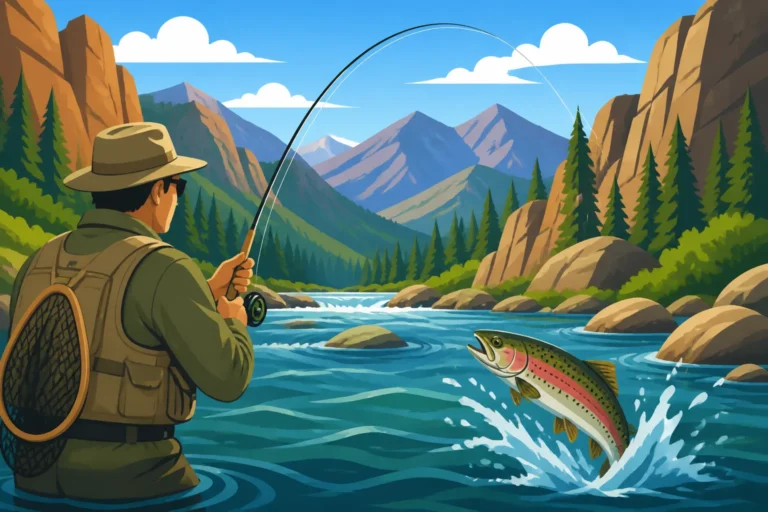
While Trinidad Lake shines for its warmwater species, it also provides excellent coldwater opportunities, primarily for rainbow trout. CPW regularly stocks rainbow trout into the lake, especially during the spring and fall months, to ensure a healthy population for anglers. These stocked trout tend to cruise shallower areas, making them accessible to both boat and shore anglers. The best techniques for these feisty fish often involve PowerBait, salmon eggs, or worms fished off the bottom with a simple slip sinker rig. Small spoons and spinners, like Kastmasters or Mepps, can also be incredibly effective, especially when cast and retrieved near inlets or around the dam.
As the weather cools, particularly in late fall and early spring, trout become more active and can be found throughout the lake. During the warmer summer months, they tend to move to deeper, cooler waters, making them a bit more challenging to locate without a boat or a good fish finder. However, early morning and late evening bites can still produce results. Shore anglers often find success near the South Shore campground area or the dam face. Knowing Rainbow Trout in Colorado, Where They're Stocked can help you predict when the best opportunities arise after a new batch of fish are introduced. When the water gets colder, the trout fishing really heats up, offering some fantastic opportunities before the ice forms.
Ice Fishing at Trinidad Lake
When winter blankets Colorado, Trinidad Lake transforms into a popular destination for ice fishing enthusiasts. Once the ice is safe – typically four inches or more for solid foot traffic – anglers flock to target trout, walleye, and even crappie through the hard water. Safety is paramount when ice fishing; always check current ice conditions with park staff or local bait shops before venturing out. Gear like an ice auger, tip-ups, and a portable shelter can make your experience much more comfortable, especially on windy days common in southeastern Colorado. If you're new to the sport, checking out a guide on Ice Fishing in Colorado, Getting Started is an absolute must.
For trout through the ice, small jigs tipped with mealworms, wax worms, or a small piece of PowerBait are usually deadly. Walleye anglers often use larger jigging spoons or lipless crankbaits, fished actively near the bottom along contours and submerged structures. Crappie, while less commonly targeted, can provide excellent action with tiny jigs and plastics, often suspended at mid-depth. The key to successful ice fishing here, as with open water, is finding the fish. Portable sonar units (fish finders) are invaluable for locating schools of fish and determining their depth. Remember that Colorado Parks and Wildlife regulations still apply, even through the ice, so be sure to review bag and possession limits.
Essential Regulations and Planning Your Trip
Before you even think about casting a line into Trinidad Lake, it’s absolutely crucial to understand the rules and regulations. Colorado Parks and Wildlife (CPW) works hard to manage our fisheries sustainably, and adhering to their guidelines is not just about avoiding a hefty fine, it’s about preserving these precious resources for everyone. A little homework upfront can save you a lot of headaches later on and ensures you're contributing to healthy fish populations.
Licensing and Habitat Stamps
Every angler aged 16 and older needs a valid Colorado fishing license to fish at Trinidad Lake State Park, or any public waters in Colorado. This applies to both residents and nonresidents. You can purchase your license online through the CPW website, at authorized sales agents like many sporting goods stores, or even by phone. The process is generally straightforward, but it's important to make sure all your information is correct to avoid any issues. For a complete rundown, you might want to look at the Colorado Fishing License Guide for Residents and Nonresidents. Don't forget that if you're between the ages of 18 and 64, you'll also need to purchase a Habitat Stamp, which directly supports critical wildlife habitat conservation efforts across the state. This stamp is an annual purchase, and it’s a small but mighty way to give back to the natural spaces we all enjoy. More details on Colorado's Habitat Stamp, Explained can clarify any questions you might have.
It's a common misconception that simply being in a state park means you're covered for fishing. While Trinidad Lake is within a state park, the fishing license and Habitat Stamp are separate requirements. Always carry proof of your license, whether it's a physical copy or a digital version on your phone, as park rangers and wildlife officers do conduct checks. Getting caught without the proper licensure can result in fines and a less-than-pleasant end to your fishing trip. Make sure you understand the options, whether it's an annual license, a one-day, or a five-day license, to best suit your trip duration.
Lake-Specific Rules and Limits
Beyond the general state regulations, Trinidad Lake State Park often has specific rules that apply directly to its waters. These can include special bag and possession limits for certain species, length restrictions, or even specific bait restrictions to protect the fishery. For instance, while statewide trout limits might be fairly generous, Trinidad Lake could have more stringent rules to help maintain its stocked population, especially during heavy fishing pressure. It's vital to consult the current Colorado Fishing Regulations brochure, available online or at license vendors, and pay close attention to the section on Trinidad Lake. This document is your ultimate resource for understanding what you can and cannot do. A quick glance at Colorado Fishing Regulations Every Angler Should Know can help you get started, but always double-check the latest brochure for the most current details relevant to the park.
For example, sometimes there are specific regulations around popular species like walleye or wiper, such as a maximum size limit or a reduced daily bag limit to protect larger breeding fish. This helps ensure that the trophy fishery remains sustainable for years to come. In addition, some waters in Colorado have restrictions on using live minnows as bait to prevent the introduction of invasive species, so always verify what's allowed at Trinidad Lake. Possession limits are also important; these refer to the maximum number of fish you can have in your possession, including those at home, not just those you've caught that day. Being aware of Colorado Bag and Possession Limits by Species will prevent any accidental overages. Staying informed about these nuances is part of being a responsible angler and helps everyone enjoy the lake.
Tips for a Successful Day on the Water
Making the most of your fishing trip to Trinidad Lake involves a bit more than just having the right bait and tackle. Planning ahead and being prepared for the conditions can significantly improve your chances of success and overall enjoyment. This park offers a unique blend of opportunities, from serene morning casts to action-packed afternoons, but thoughtful preparation is key.
Consider a Guide: Even if you're an experienced angler, hiring a local fishing guide can be incredibly beneficial, especially if it's your first time on a new body of water like Trinidad Lake. Guides know the lake intimately, understand the current patterns, and can quickly put you on fish. They often have specialized gear and knowledge for targeting specific species like walleye or wiper, saving you hours of trial and error. Websites like FishingBooker can be an excellent resource for finding reputable guides in the Trinidad area who specialize in reservoir fishing. They list experienced captains who can provide everything from half-day trips focusing on specific techniques to full-day excursions for multiple species. Learning more about Hiring a Fishing Guide in Colorado, What to Expect can help you decide if this is the right option for your trip.
Boat vs. Shore Fishing: Trinidad Lake offers excellent opportunities for both boat and shore anglers. If you have a boat, you can access deeper water, troll for walleye and trout, and reach secluded coves that shore anglers cannot. However, the park's accessible shoreline, especially near the campgrounds and picnic areas, provides plenty of spots for bank fishing. For shore anglers, focusing on areas with structure, such as rocky points, submerged timber (if present and accessible), or the dam face, can be very productive. Always scan the water for any signs of fish activity, like jumping trout or baitfish dimpling the surface.
Weather and Gear Preparation: Colorado weather, especially in the southeastern plains, can change rapidly. Always check the forecast before you go and pack accordingly. Layers are your best friend, as cool mornings can quickly turn into warm afternoons, sometimes with gusty winds. Sunscreen, a hat, and polarized sunglasses are essential for protection and for spotting fish beneath the surface. Don’t forget plenty of water and snacks to stay hydrated and energized throughout your day. A small first-aid kit is also a good idea. Consider the time of year when planning your visit. The Colorado Fishing Season Dates and Bag Limits can give you an idea of what to expect seasonally, whether you're looking for early spring trout or late fall walleye. If you're planning a multi-day trip, remember that FishingBooker also allows you to browse and book accommodations or longer charters to fully immerse yourself in the Trinidad Lake experience.
Table: Trinidad Lake State Park Fishing Guide
| Species | Best Seasons | Preferred Baits/Lures | Key Locations | Tips for Success |
|---|---|---|---|---|
| Walleye | Spring, Fall, Ice | Jigs w/ minnows/worms, crankbaits, spoons | Drop-offs, submerged humps, dam | Early morning/late evening, use fish finder |
| Wiper | Spring, Summer, Fall | Spoons, swimbaits, topwater lures | Open water, areas with baitfish | Look for surface boils, fast retrieve |
| Rainbow Trout | Spring, Fall, Winter (Ice) | PowerBait, worms, salmon eggs, small spinners | Dam face, inlets, stocked areas | Still fishing from shore, slow troll with lures |
| Channel Catfish | Summer, Early Fall | Stink baits, cut bait, worms | Shallow coves, muddy bottoms, inlets | Night fishing can be very productive |
| Smallmouth Bass | Spring, Summer, Fall | Small crankbaits, jigs, soft plastics, minnows | Rocky points, submerged timber | Cast near structure, varied retrieve speeds |
Disclaimer
The information provided in this guide is for general informational purposes only and is subject to change. Always consult the official Colorado Parks and Wildlife regulations and the Trinidad Lake State Park website or park staff for the most current rules, conditions, and safety guidelines before planning your fishing trip. Fishing conditions and regulations can vary, and it is the angler's responsibility to be informed and comply with all applicable laws.