Fishing the Yampa River Below Stagecoach Reservoir
Fishing the Yampa River below Stagecoach Reservoir can be a truly captivating, yet sometimes challenging, experience for anglers. Many arrive at Stagecoach eager to cast into the reservoir itself, only to realize the tailwater section below the dam offers a completely different, and often more rewarding, set of opportunities for trout. This guide will meticulously break down what you need to know to successfully navigate and fish this remarkable stretch of the Yampa River, from its unique characteristics to the best techniques and essential regulations.
The Yampa River Tailwater's Unique Environment
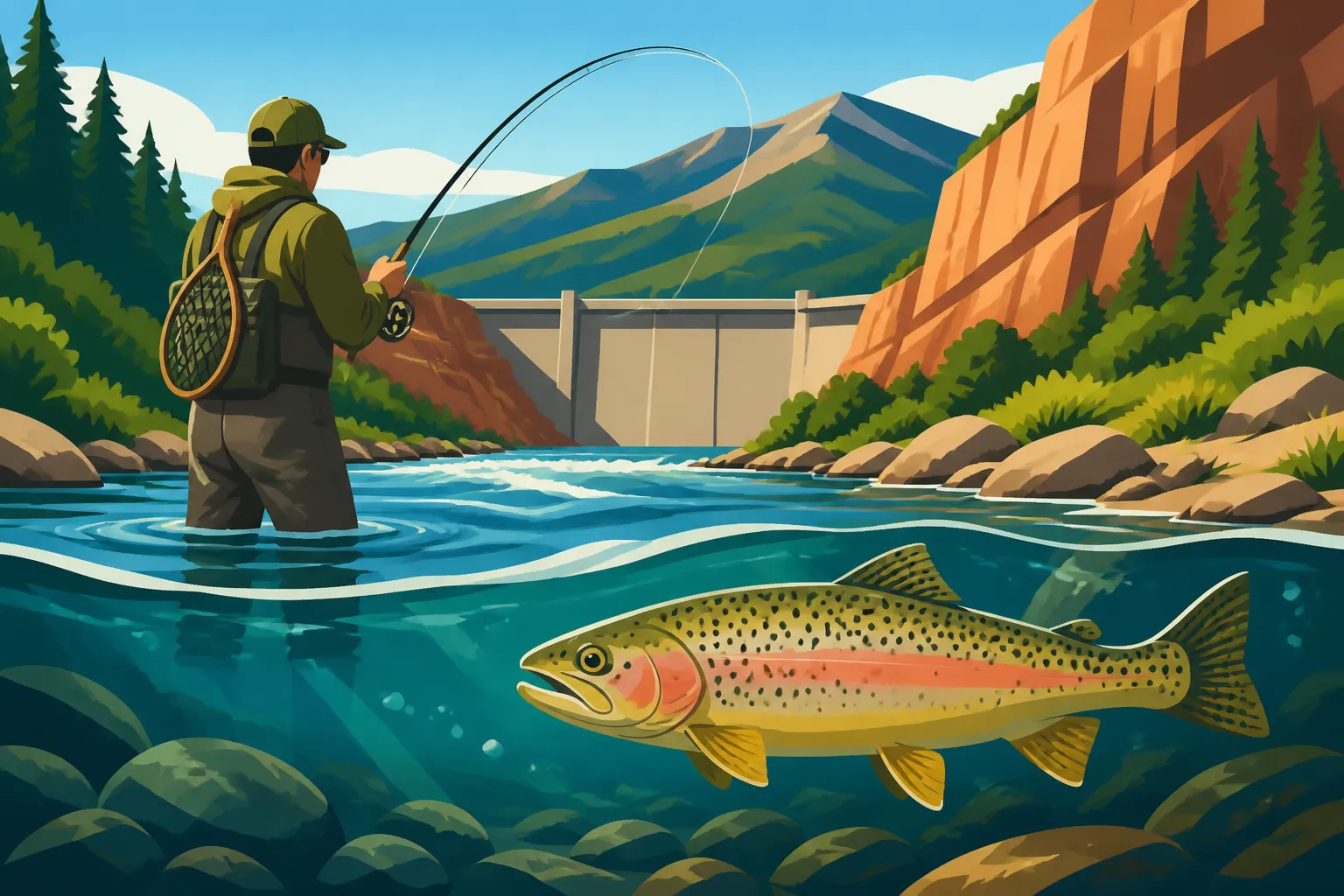
The stretch of the Yampa River immediately below Stagecoach Reservoir dam is a classic tailwater fishery. This means its flows are primarily regulated by the dam, leading to more consistent water temperatures and levels compared to a free-flowing river. For anglers, this consistent environment fosters a rich aquatic insect life and supports a healthy population of trout, making it a highly productive piece of water. However, it also presents its own set of challenges, demanding specific techniques and a keen understanding of the river's character.
Consistent Flows and Rich Insect Life
Unlike freestone rivers that can fluctuate wildly with spring runoff or summer thunderstorms, the Yampa below Stagecoach generally maintains a more stable flow. This consistency is a blessing for aquatic insects, allowing dense populations of midges, blue-winged olives, caddis, and stoneflies to thrive. Trout here become accustomed to these predictable food sources, often keying in on specific hatches or subsurface insect stages with a discerning palate. What might work on a nearby freestone river might not fool these sophisticated tailwater trout, making fly selection and presentation paramount.
The stable, cooler water temperatures released from the bottom of Stagecoach Reservoir are also ideal for trout, particularly during the hot summer months when other rivers might become too warm for healthy fishing. This can extend the fishing season and provide excellent opportunities when other waters are struggling. Understanding this consistent flow means you can often predict trout holding patterns more accurately, as they don't have to constantly adjust to changing water levels.
Navigating the "Gold Medal" Potential
While not entirely designated as a "Gold Medal Water" along this specific stretch, the Yampa River below Stagecoach certainly fishes like one in many areas, particularly as it winds its way downstream towards the Sarvis Creek Wilderness Area and beyond. Colorado Parks and Wildlife (CPW) uses the Gold Medal designation for stretches of river that consistently produce 60 pounds of trout per acre, with at least twelve 14-inch or larger trout per acre. While these tailwaters don't always hit those metrics officially, they often support large, healthy fish due to the stable conditions and abundant food.
The river here is primarily a walk-wade fishery, though some sections can be floated in small craft, especially during higher flows. However, accessing certain parts can involve a bit of a hike, so being prepared for some riverside trekking is crucial. The effort is often rewarded with stunning scenery and less pressured fish. This area is often overlooked by those focusing on the more famous "Gold Medal" sections of rivers like the Fryingpan or the South Platte, which can be a definite advantage for anglers seeking a bit more solitude. If you're looking for broader information on prime fishing locations, you might find our guide to Colorado's Gold Medal Waters Explained interesting, even if this particular spot doesn't formally carry the designation.
Prime Fishing Seasons and Effective Techniques
Success on the Yampa River tailwater below Stagecoach hinges on understanding the seasonal nuances and employing the right techniques. While the consistent flows offer some stability, the trout's behavior and their preferred food sources will shift throughout the year. Being prepared for these changes is key to a rewarding day on the water.
Year-Round Opportunities and Seasonal Shifts
Spring (March-May): As winter ice gives way, spring offers excellent nymphing opportunities. Midges are active year-round, but blue-winged olives (BWO's) often kick off strong hatches in spring, especially on overcast days. This is a time when trout are actively feeding after the lean winter months. Water levels might begin to rise as snow melts and reservoir releases increase, which can make wading more challenging but also brings more food into the system. Remember to check Colorado Fishing Season Dates and Bag Limits, as specific regulations can sometimes vary by season or river section.
Summer (June-August): While other freestone rivers might be high and muddy from runoff, tailwaters like the Yampa below Stagecoach often remain clear and fishable. Caddis hatches can be prolific, leading to exciting dry fly fishing, particularly in the evenings. Terrestrials like grasshoppers and ants become important patterns as summer progresses. Nymphing remains effective, especially in the deeper runs. Early mornings and late evenings are often the most productive times during the heat of summer.
Fall (September-November): Many consider fall to be the prime time to fish the Yampa tailwater. The weather cools, and trout become very active, feeding heavily in preparation for winter. Large brown trout begin their spawning runs, offering opportunities for trophy fish (though these fish should be targeted responsibly and released quickly). BWO hatches can be strong again, and streamers can be deadly for aggressive fish. This is a magical time to be on the river.
Winter (December-February): Don't discount winter! While colder, the Yampa below Stagecoach can offer incredible solitude and fantastic fishing. Midges are the dominant food source, with small midge larva, pupa, and adult patterns being essential. Nymphing deep, slow pools and runs is the primary technique. Warmer, sunny days can sometimes bring out small BWO hatches. The key here is patience, slow retrieves, and tiny flies.
Mastering Essential Fishing Techniques
Given the nature of tailwaters, a few techniques consistently outperform others:
- Nymphing: This is often the most productive method, especially when trout aren't rising. Whether you're using an indicator rig or practicing advanced techniques like Euro nymphing, presenting small, realistic imitations of midges, BWO nymphs, and caddis larvae is crucial. For a deeper dive, our article on Nymphing Techniques for Colorado Tailwaters offers extensive advice. Using lighter tippets (5x, 6x, even 7x) is often necessary for these often clear waters and selective trout.
- Dry Fly Fishing: When trout are actively rising, matching the hatch is paramount. Carry a variety of patterns for midges, BWO's, and caddis. Pay close attention to the size and color of the natural insects. Sometimes, a dry-dropper rig, with a larger attractor dry fly supporting a small nymph, can be effective. While the Yampa below Stagecoach has good dry fly opportunities, it's different from the expansive, open-water dry fly fishing you might find on some freestone rivers; for that, you might consult Dry Fly Fishing Colorado's Freestone Rivers.
- Streamer Fishing: For targeting larger brown trout, especially during the fall, stripping streamers can be incredibly effective. Articulated patterns, Woolly Buggers, and Sculpzillas in natural colors (olive, brown, black) can elicit aggressive strikes. Fish them with a sinking line or a weighted leader in deeper pools and runs.
Gear Considerations: A 9-foot, 4- or 5-weight fly rod is versatile enough for most situations on this river. For spin anglers, a light or ultralight rod with 4-6 lb test line, paired with small spinners, spoons, or bait (where allowed), can also be productive. Always ensure your waders are in good condition, as the water can be quite cold, even in summer.
Fish Species, Regulations, and Conservation
Knowing what you're likely to catch and, more importantly, understanding the specific regulations for this stretch of river is non-negotiable. Colorado Parks and Wildlife (CPW) is dedicated to managing these fisheries for sustainability, and angler cooperation is vital.
The Trout You'll Encounter
The Yampa River below Stagecoach Reservoir is primarily a trout fishery. You'll predominantly find:
- Rainbow Trout: These are often stocked by CPW, especially in the upper sections closer to the reservoir. They grow quickly in the nutrient-rich tailwater, offering strong fights. Our guide on Rainbow Trout in Colorado, Where They're Stocked provides more insights.
- Brown Trout: Wild brown trout thrive in this environment, often growing to impressive sizes. They are more predatory and can be less selective than rainbows, especially when streamer fishing. You can learn more about Brown Trout in Colorado, Where They're Wild.
- Cutthroat Trout: While less common than rainbows and browns, some native or stocked cutthroat populations might be present, particularly further downstream in more protected areas. Always handle cutthroat with extreme care due to their native status.
- Tiger Trout: Occasionally, you might encounter a tiger trout, a sterile hybrid of brown and brook trout, which CPW stocks in some waters for sport and to help manage other fish populations.
It's common to catch fish ranging from 12-18 inches, with larger brown trout possible, especially during the fall.
Navigating Specific Regulations
Understanding Colorado's fishing regulations is critical for a responsible and enjoyable outing. The Yampa River, particularly below Stagecoach, can have specific rules beyond the general statewide regulations. It's always best to consult the most current CPW fishing regulations brochure before heading out; our guide on Reading Colorado's Fishing Regulations Brochure can help you understand how to navigate it.
Key things to look out for:
- Bag and Possession Limits: These can vary significantly by species and location. Some sections might be entirely catch-and-release, or have specific length restrictions (e.g., "no trout between 11 and 16 inches may be kept, only one over 16 inches").
- Barbless Hooks: Many sensitive or "Gold Medal" type fisheries require the use of barbless hooks to minimize harm to released fish. Always crimp down barbs on your flies and lures.
- Bait Restrictions: Some areas may be fly-and-lure only, prohibiting the use of bait. Always check before you go.
- Colorado Fishing License Guide for Residents and Nonresidents: You absolutely need a valid Colorado fishing license. There are various options, including Colorado's Annual, One-Day and Five-Day License Options, so pick what suits your trip best.
- Colorado's Habitat Stamp, Explained: Most anglers between the ages of 18 and 64 are also required to purchase a Habitat Stamp annually. This stamp supports vital conservation efforts across the state.
Important Note: Always check the current regulations posted by CPW for the specific section of the Yampa River you plan to fish. Regulations are subject to change and can be highly localized.
| Season | Primary Techniques | Common Hatches/Food Sources | Recommended Flies/Lures |
|---|---|---|---|
| Spring | Nymphing, Dry Fly | Midges, BWO's, Stoneflies | Zebra Midge, Pheasant Tail, RS2, Parachute Adams, Hare's Ear |
| Summer | Nymphing, Dry Fly, Streamers | Caddis, Terrestrials, Midges | Elk Hair Caddis, Stimulator, Hoppers, Ant Patterns, Woolly Bugger |
| Fall | Nymphing, Streamers, Dry Fly | BWO's, Midges, Baitfish | BWO Nymphs, Flashback Pheasant Tail, Sculpzilla, Egg Patterns |
| Winter | Nymphing | Midges | Midge Larva, Bloodworms, Black Beauty, Mercury Midge |
Accessing the Yampa Below Stagecoach and Beyond
Getting to the river and knowing where to go can sometimes be half the battle, especially for those unfamiliar with the area. The Yampa River below Stagecoach offers various access points, primarily centered around Stagecoach State Park, with opportunities to explore further downstream for those willing to venture a bit.
Key Access Points and State Park Amenities
The most straightforward access to the Yampa River immediately below Stagecoach Reservoir is typically through Stagecoach State Park. There are various access points and parking areas within the park that allow you to reach the tailwater. You'll find designated angler access trails that lead to the river. Be aware that you'll likely need a valid Colorado State Park Pass or pay a daily entrance fee to access the park. This fee is separate from your fishing license; Colorado State Park Passes vs Fishing Licenses covers this distinction.
Downstream from the dam, the river flows through a mix of public and private land. Public access continues in various spots, including some along Routt County Road 16 (CR 16), which parallels the river for a stretch. One well-known public access point further downstream is near the Sarvis Creek Wilderness Area, which offers more secluded fishing but requires a longer walk. Always be respectful of private property and know exactly where you are to avoid trespassing. When considering your overall trip logistics, finding suitable Camping Options Near Blue Mesa Reservoir might be helpful if you plan to extend your angling adventures to other parts of the region.
Considering a Guided Trip
If you're new to the Yampa tailwater, or simply want to maximize your time on the water, hiring a local fishing guide can be an invaluable asset. Guides possess intimate knowledge of current conditions, recent hatches, and where the fish are holding. They can teach you the specific techniques that work best for these often-fussy trout and greatly increase your chances of success.
You can often find guides specializing in walk-wade trips or even short float trips on this section, and many are listed on platforms such as FishingBooker, providing details on their expertise and available dates. A good guide will provide gear (if needed), flies, and invaluable instruction, making the experience much more enjoyable, especially for beginners. Our guide on Hiring a Fishing Guide in Colorado, What to Expect delves into the benefits and what to look for when selecting a guide. Before you finalize your trip, especially if you're traveling from out of state, consider browsing available guides on platforms like FishingBooker to ensure you have local expertise at your fingertips. They can handle everything from gear selection to hot spots, and finding a reputable one is often simplified through online booking sites like FishingBooker.
Nearby Towns and Services
The closest towns to the Yampa River below Stagecoach are Oak Creek and Phippsburg, which offer basic services like gas and convenience stores. For a broader range of accommodations, dining, and fly shops, Steamboat Springs is your best bet, located about 20-30 minutes north. Steamboat Springs offers a vibrant atmosphere and numerous outdoor recreation opportunities, making it a great base camp for your fishing adventures. You might even consider extending your trip to fish the main stem of Fishing the Yampa River in Steamboat Springs.
Always remember to leave no trace when fishing. Pack out everything you pack in, respect wildlife, and practice responsible catch-and-release, especially for larger wild trout, to ensure this incredible fishery remains healthy for future generations.
Disclaimer
Please note that fishing regulations, access points, and environmental conditions can change. Always consult the official Colorado Parks and Wildlife (CPW) website or their most current fishing brochure for the latest and most accurate information before planning your trip. This guide is for informational purposes only and should not be considered a substitute for official regulations.