Colorado Fishing Seasons Month by Month
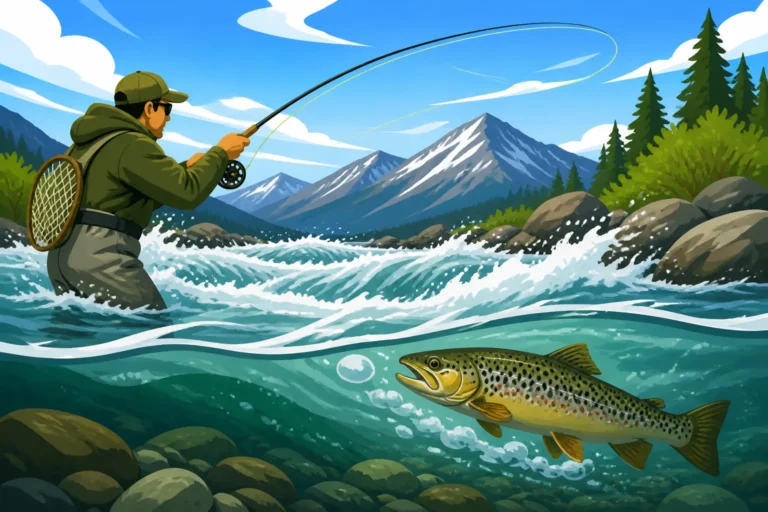
Oh, the ever-changing face of fishing in Colorado! It's a question I hear all the time: "When's the best time to go?" But the truth is, there's no single best answer because this beautiful state offers incredible angling opportunities year-round, each season presenting its own unique challenges and rewards. Whether you're chasing trophy trout on a bluebird day or braving a frozen reservoir, understanding how the seasons impact our rivers and lakes is key to a successful and enjoyable trip. This guide will walk you through what to expect month by month, helping you plan your next Colorado fishing adventure.
Winter Fishing in Colorado December to February
When the snow starts to fall and the high country roads close, many anglers pack away their gear, but that's a big mistake in Colorado! Winter offers some of the most serene, beautiful, and often productive fishing experiences, especially if you know where to look. The crowds thin out, and a quiet calm descends upon our waters.
The Magic of Ice Fishing
For many, winter in Colorado means ice fishing, a truly unique and engaging way to spend a cold day. As soon as the ice gets thick enough – usually 4 inches for foot travel – anglers flock to our frozen reservoirs. Popular spots like Eleven Mile Reservoir, Spinney Mountain Reservoir, and Blue Mesa Reservoir become bustling villages of ice shacks and tip-ups. You're not just limited to trout either; many of these lakes offer fantastic opportunities for pike, perch, and even kokanee salmon through the ice. It's a different rhythm, often slower, requiring patience and a good eye on your sonar, but the rewards can be substantial, often producing some of the largest fish of the year. Getting started with this unique method is easier than you think, especially with a solid guide to help you pick out the right gear and techniques.
What makes ice fishing so special, beyond the sheer beauty of the frozen landscape, is the community aspect. You'll find families bundled up, sharing hot cocoa and stories, and seasoned anglers offering tips. It’s also incredibly accessible. You don't need a boat; a pair of cleats, a portable shelter, and some basic ice fishing gear are often enough. Just make sure you're constantly checking ice conditions and never venture out alone without letting someone know your plans. Safety is paramount when dealing with ice, especially with Colorado's often fluctuating temperatures. Remember that even seemingly safe ice can have thin spots, particularly near inlets, outlets, or areas with current.
Tailwater Havens and Winter Nymphing
While many rivers freeze over, Colorado's tailwaters remain open and productive year-round. These are sections of river located directly below dams, where water released from the bottom of the reservoir maintains a more consistent, warmer temperature, preventing it from freezing solid. The Fryingpan River, the Blue River below Dillon Reservoir, and sections of the South Platte River like Deckers and Cheesman Canyon are prime examples. Here, the fishing can be exceptional, especially for nymphing. Trout in these waters are often concentrated in deeper pools and slower runs, conserving energy in the cold. They become more selective, but consistent hatches of tiny midges and the occasional blue-winged olive can bring them to the surface on warmer days.
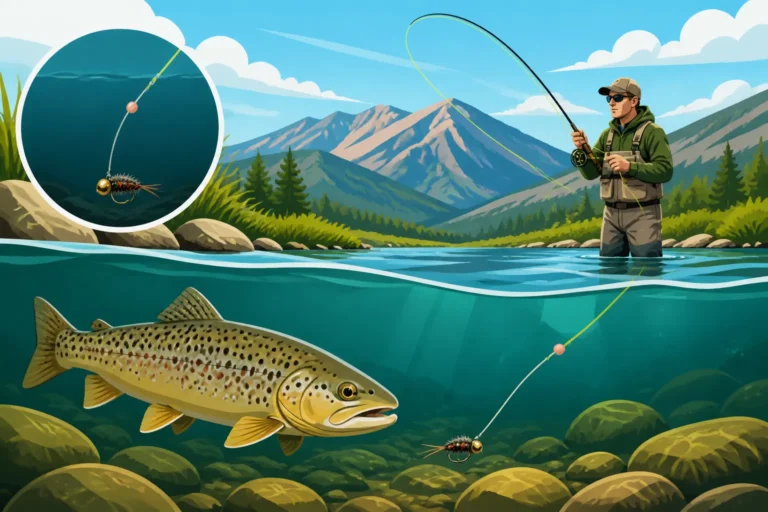
Winter fishing on Colorado's tailwaters requires finesse. Long, light leaders and tippets, often 5x or 6x, are essential, along with small fly patterns like tiny midge larvae, pupae, and adult midges. Think patterns like tiny Zebra Midges, RS2s, and small Baetis nymphs. Presentation is key; you want a drag-free drift that looks as natural as possible. Don't be surprised if the bite feels incredibly subtle – sometimes it's just a slight hesitation of your indicator. The rewards, however, are often robust, healthy trout that have been growing all season. It's a peaceful experience, often with fewer anglers on the water, allowing you to truly connect with the solitude of the river. Just be sure to dress in layers, as temperatures can fluctuate wildly, and remember to pack some hand warmers for those frigid mornings. You can find excellent cold-weather fishing gloves and other essentials on Amazon to keep you comfortable.
Spring Fishing Thaw and Runoff March to May
Spring in Colorado is a season of dramatic change, a time when the landscape bursts back to life, and the fishing undergoes a significant transformation. From the first signs of melting ice to the raging torrents of runoff, anglers need to be adaptable to find success.
Early Season Stocking and Open Water
As soon as the ice begins to recede from lakes and reservoirs, usually in March, Colorado Parks and Wildlife (CPW) ramps up its stocking efforts. This is a fantastic time for many anglers, especially those who prefer spin fishing or bait fishing. Newly stocked rainbow trout are often eager biters, providing excellent opportunities for a quick limit. Lakes like Chatfield Reservoir, Cherry Creek Reservoir, and many of the smaller urban ponds around Denver receive regular stockings, making them easily accessible targets. You can often find specific details about what to expect from Colorado's March trout stocking through CPW's weekly stocking report, which is an invaluable resource for planning.
Beyond the stocked fish, early spring also brings renewed activity to wild trout populations in rivers. As water temperatures slowly rise, trout become more active, moving out of their deep winter lies to feed more aggressively. This is often when you'll start to see stronger hatches of midges and some early blue-winged olives on tailwaters and the lower, warmer stretches of freestone rivers. It's a transition period where you might still be nymphing heavily but keeping an eye out for opportunistic dry fly action, especially during warmer afternoons. The longer daylight hours also contribute to increased feeding windows, making for longer and more productive days on the water.
The Challenges of Spring Runoff
Late April and May often mark the beginning of Colorado's infamous spring runoff. This is when the accumulated winter snowpack in the mountains begins to melt rapidly, swelling rivers and turning them into powerful, muddy torrents. For many anglers, this period can be frustrating, as prime fishing spots become unfishable. The increased flow dislodges bottom dwelling insects and makes it incredibly difficult for fish to see or find flies and lures. Understanding when Colorado's spring runoff hits and how to fish around it is crucial for continued success during this challenging period.
However, runoff isn't necessarily a bad thing. It's a vital natural process that cleanses riverbeds, replenishes nutrient levels, and cues fish to begin their spawning cycles. For anglers, it means a shift in strategy. Instead of focusing on large freestone rivers, many turn their attention to tailwaters, which often remain clearer and more fishable thanks to the filtering effect of the upstream dam. Or, they seek out smaller tributaries that don't experience the same dramatic surges in flow. Fishing during runoff often means targeting slower pockets of water along the edges of the main current, where fish can escape the powerful flow and still find food. Larger, darker flies or lures that create more vibration and profile can be effective, as fish are relying more on lateral line senses than sight.
Tailwater Respite During High Water
During the peak of runoff, tailwaters truly shine as sanctuaries for both fish and anglers. While the main stem of a river like the Colorado might be roaring chocolate brown, the tailwater below a reservoir like Lake Granby or Williams Fork could be flowing clear and cold. This phenomenon is a lifesaver for many anglers who don't want to put their rods away. Fish will often stack up in these clearer, more stable environments, making them prime targets. This is also why tailwaters fish better than freestones during runoff. The consistent flow and temperature from the bottom of the reservoir create a relatively stable ecosystem even when the world outside is in chaos.
Nymphing continues to be the dominant technique on tailwaters during runoff, as the water, while clear, still has plenty of suspended particulate matter. Trout will often hug the bottom, looking for dislodged worms, scuds, and larger nymphs. Using heavier flies and split shot to get your rig down quickly in the faster currents becomes essential. Don't be afraid to experiment with larger attractor patterns, like a San Juan Worm or a Pat's Rubber Legs, in addition to your usual midge and mayfly imitations. It's a time for adapting, but the rewards can be incredible, as these fish haven't seen as much pressure as they might during other seasons.
Summer Fishing Peak Season June to August
Ah, summer in Colorado! This is arguably the most popular time for fishing, and for good reason. The weather is warm, the days are long, and a huge variety of waters become accessible and productive. From high-country lakes to bustling freestone rivers, there's something for everyone.
Freestone Rivers and Dry Fly Paradise
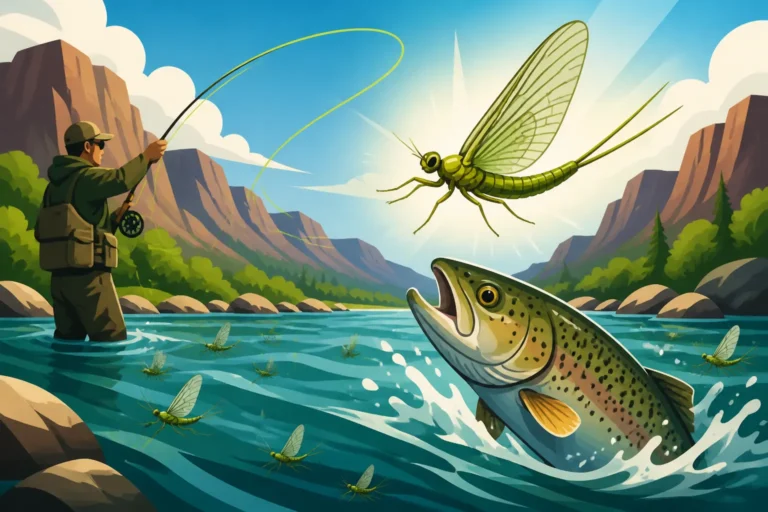
Once runoff subsides, usually by late June or early July, Colorado's freestone rivers truly come alive. Rivers like the Arkansas, the Yampa, the Colorado, and the Gunnison offer miles of stunning, wadeable water. This is prime time for dry fly fishing, with a smorgasbord of insect hatches keeping trout looking up. Caddis, stoneflies, mayflies like Green Drakes and Pale Morning Duns (PMDs) – the sheer variety is astounding. The sound of a large trout sipping a dry fly off the surface is one of the most exhilarating experiences in fly fishing. Understanding the local hatches and carrying a good selection of dries is paramount.
Matching the hatch is often the name of the game, but attractor patterns like foam hoppers, ants, and beetles can also be incredibly effective, especially in late summer when terrestrial insects become a significant food source. Fly fishing during dry fly season on Colorado's freestones isn't just about catching fish; it's about the entire experience: the stunning scenery, the clear mountain air, and the challenge of fooling a wary trout on a perfectly presented fly. Many anglers consider this the quintessential Colorado fishing experience. Just be prepared for crowds on popular stretches, especially on weekends, and always practice good river etiquette.
High-Country Lakes and Alpine Adventures
Summer also unlocks access to Colorado's spectacular high-country lakes. As the snow melts and trails become passable, anglers can hike or backpack into pristine alpine environments, often above 10,000 feet, to fish for eager brook trout, cutthroat trout, and sometimes even grayling. These lakes are often teeming with fish that are less pressured than those in more accessible waters. The scenery is unparalleled, and the solitude is truly restorative. It's not just about the fishing; it's about the journey and the experience of being deep in the wilderness.
Many of these lakes hold populations of native cutthroat trout, including the beautiful Colorado River Cutthroat Trout, making for a truly special angling experience. Often, a simple elk hair caddis or a small hopper pattern will be all you need, as the fish in these high-altitude environments can be less selective due to shorter feeding windows. Spin fishing with small spinners or spoons can also be incredibly effective. Just remember to check trail conditions, pack appropriate gear for rapidly changing mountain weather, and always follow Leave No Trace principles.
Warmwater Opportunities and Reservoir Fishing
While trout are often the star of the show, Colorado's lower elevation lakes and reservoirs offer fantastic warmwater fishing opportunities throughout the summer. Species like bass (largemouth and smallmouth), walleye, pike, and channel catfish thrive in these warmer conditions. Places like Pueblo Reservoir, Horsetooth Reservoir, and Boyd Lake State Park become hotspots for anglers looking to diversify their catches. These species often provide a completely different type of fight and fishing challenge compared to trout.
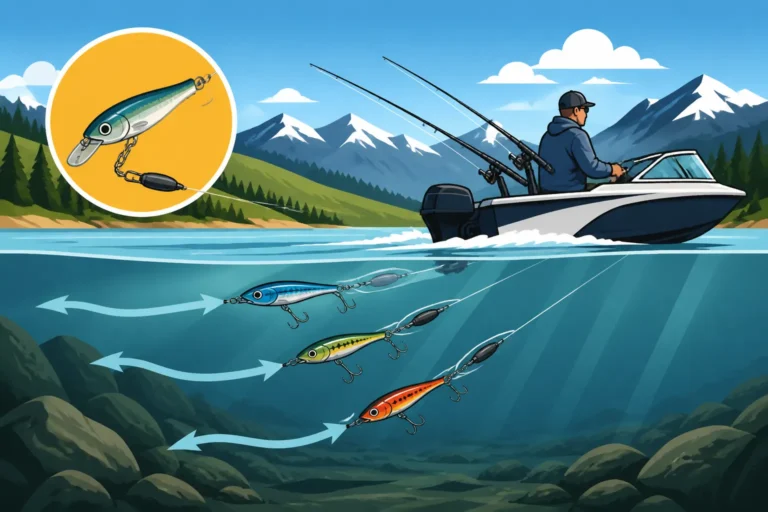
For bass and pike, topwater lures, crankbaits, and soft plastics can be incredibly productive, especially during low light conditions in the early morning or late evening. Walleye anglers often focus on trolling with crankbaits or jigging with live bait along drop-offs and submerged structures. Catfish can be caught day or night using cut bait, stink baits, or worms. Many of these reservoirs also offer excellent boating and camping facilities, making them perfect destinations for a summer fishing vacation. Checking a local fishing report or chatting with tackle shop owners can provide up-to-date information on what's biting and where.
Fall Fishing Trophy Time September to November
As the aspens turn golden and the air takes on a crisp edge, Colorado transforms into an angler's paradise for those seeking trophy fish. Fall fishing in Colorado truly changes the game, offering some of the best opportunities of the year, particularly for large trout.
Brown Trout Spawning Runs
One of the most anticipated events of the fall fishing season is the brown trout spawning run. As water temperatures drop, mature brown trout in rivers and reservoirs begin their migration upstream into shallower gravel beds (redds) to spawn. During this time, these usually elusive fish become more aggressive and territorial, making them more susceptible to flies and lures. Rivers like the Arkansas, the Gunnison, and especially the South Platte River often see massive brown trout moving into position. This is the time to catch that once-in-a-lifetime fish.
While targeting spawning fish directly on redds is generally discouraged to protect future generations, anglers can find incredible success fishing the deeper pools and runs just downstream of spawning areas, where trout are feeding on dislodged eggs and opportunistic food sources. Streamer fishing with large, aggressive patterns mimicking baitfish or sculpins becomes incredibly effective. Patterns like a Sex Dungeon, Wooly Bugger, or various articulated streamers can entice these big, predatory browns. Nymphing with egg patterns or larger stonefly imitations can also produce excellent results. It's a truly thrilling time to be on the water, but remember to practice responsible catch-and-release, especially with spawning fish, to ensure these magnificent creatures continue their cycle.
Kokanee Salmon Runs and Lake Trout Feasts
Fall also brings the spectacular kokanee salmon spawning runs. These landlocked sockeye salmon, identifiable by their brilliant red coloration and hooked jaws, migrate from reservoirs like Blue Mesa, Eleven Mile, and Granby into their tributary rivers to spawn and ultimately die. During this time, the rivers can be packed with these vibrant fish, offering a unique angling experience. While it's illegal to snag fish in Colorado, targeting these kokanee with flies or lures can still be productive, though it's often more about the spectacle than the harvest.
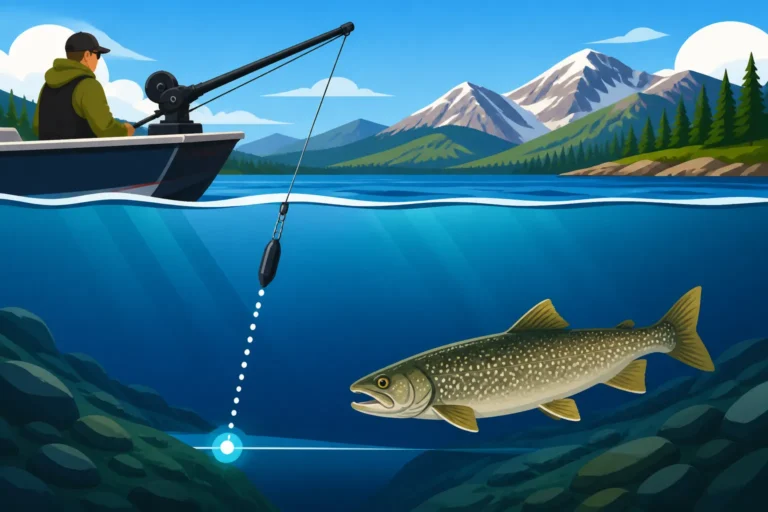
What's truly exciting, however, is what follows the kokanee spawn: a feeding frenzy for lake trout. As the kokanee die off, their carcasses and eggs provide a massive protein boost for the lake trout, which are apex predators in many of Colorado's deep reservoirs. Targeting lake trout in the fall at places like Blue Mesa Reservoir becomes incredibly effective. They'll be cruising shallower depths, gorging themselves, and are often willing to hit large tube jigs, swimbaits, or trolled spoons. This is your chance to hook into some truly massive lake trout before they retreat to deeper water for the winter.
Cooling Waters and Extended Dry Fly Action
While fall is famous for its streamer fishing and spawning runs, it also offers some fantastic, uncrowded dry fly opportunities. The cooling water temperatures can trigger late-season hatches of blue-winged olives, often some of the best of the year, especially on overcast days. These hatches can extend well into October, offering a final hurrah for dry fly enthusiasts before winter fully sets in. The crisp air, the vibrant fall foliage, and the lack of summer crowds make these late-season dry fly days particularly memorable.
Trout become more active and willing to chase flies as they bulk up for the winter ahead. Terrestrial patterns like grasshoppers and ants can still be effective in early fall, particularly on warmer afternoons. As the season progresses, focusing on smaller BWO patterns and midges becomes more important. It's a beautiful time to be on the river, with often fewer anglers, allowing for a more peaceful and reflective experience. Make sure to pack layers, as mornings can be quite chilly, but afternoons can still be pleasantly warm. You might even find some great deals on new fishing apparel on Amazon as the seasons change.
Understanding Colorado's Unique Water Types
Colorado's diverse geography means a wide array of fishing environments, each with its own characteristics and seasonal rhythms. Knowing the difference between these water types is fundamental to successful year-round angling.
Freestone Rivers and Their Seasonal Flow
Freestone rivers are those that flow naturally, unimpeded by dams or diversions for significant stretches. Their character is directly influenced by snowmelt and rainfall. The Roaring Fork River, the upper Colorado River, and the Poudre River are classic examples. In spring, they swell with snowmelt, often becoming high, swift, and murky during runoff. This makes them challenging to fish, though productive if you target soft spots and use heavy, visible flies or lures.
By summer, as runoff subsides, freestones usually settle into clear, moderate flows, making them perfect for dry fly fishing and wading. This is when their insect life is most prolific. Come fall, flows begin to drop, and water clarity improves, triggering spawning runs for brown trout and making them excellent for streamer fishing. In winter, many higher elevation freestones can freeze solid or become dangerously slushy, pushing fish into deep, slow pools or making them inaccessible altogether. Understanding this cycle is vital for knowing when and where to approach them.
Tailwaters The Year-Round Option
As mentioned earlier, tailwaters are river sections immediately downstream from a dam. The water released from the bottom of the reservoir maintains a more consistent temperature, typically warmer in winter and cooler in summer, than natural freestone rivers. This thermal stability makes tailwaters fishable almost every day of the year. The Fryingpan River, the Blue River, and portions of the South Platte like the Dream Stream are celebrated tailwaters. This consistency means stable insect populations, often leading to predictable midge and blue-winged olive hatches even in the dead of winter.
While tailwaters provide consistent fishing, they also often present a challenge: highly selective trout. Because of the consistent food supply and clear water, trout in tailwaters can become incredibly picky, requiring precise fly selection, delicate presentations, and fine tippets. This makes them excellent waters for honing advanced fly-fishing skills. During spring runoff, when freestones are unfishable, tailwaters become a vital refuge for anglers, offering clear, stable water and concentrated fish. They are truly the workhorses of Colorado's fishing scene, providing consistent opportunities when other waters might be out of commission.
High-Alpine Lakes and Reservoirs
Colorado's high-alpine lakes and reservoirs are a distinct category, defined by their elevation, cold temperatures, and often remote access. These waters remain frozen for much of the year, typically from late fall through late spring or even early summer. When they do thaw out, usually by late June or July, they offer a relatively short but incredibly productive fishing window. Many of these lakes are stocked with trout or contain self-sustaining populations of brook trout and cutthroat trout.
Access is often a significant factor for these waters. Many require hiking or backpacking, making them ideal for anglers seeking solitude and wilderness adventure. During their open-water season, fish in these lakes are often eager to bite, as their feeding windows are shorter. Small dry flies, spinners, and spoons can be very effective. As fall approaches, they become prime spots for ice fishing, being among the first to freeze solid. However, the rapidly changing weather at high altitudes requires careful planning and preparedness. Checking the forecast and trail conditions before heading out is absolutely essential.
Warmwater Lakes and Ponds
Often overlooked by trout-obsessed anglers, Colorado also boasts a significant number of warmwater lakes and urban ponds, especially on the Front Range and Eastern Plains. These waters are typically shallower, warmer, and hold species like bass, walleye, catfish, pike, crappie, and perch. They offer excellent fishing during the warmer months, from late spring through early fall, and some even provide ice fishing opportunities for species like perch and pike.
These lakes are highly accessible, often located near urban centers, and provide great fishing for families or those looking for a different challenge than trout. Techniques vary widely depending on the target species, from topwater lures for bass to bottom-fishing with bait for catfish. While some can suffer from recreational pressure during peak summer, careful timing (early morning or late evening) can still lead to fantastic catches. Many of Colorado's urban fishing program waters fall into this category, offering convenient and productive fishing close to home.
Essential Gear Changes by Season
Just as the fishing changes with the seasons, so too should your gear. Adapting your equipment ensures comfort, safety, and effectiveness, maximizing your chances of success year-round.
Winter Gear for Cold and Ice
Winter fishing demands specialized gear to stay warm and safe. For ice fishing, this includes warm, waterproof outerwear, insulated boots, ice cleats for traction, and a portable shelter to escape the wind. Essential tools include an ice auger (manual or powered), an ice scoop, tip-ups or an ice fishing rod and reel combo, a fish finder/flasher to locate fish under the ice, and a selection of small jigs and bait. For those venturing onto tailwaters, proper layering is paramount: thermal base layers, fleece mid-layers, and a waterproof, breathable outer shell are crucial. Neoprene waders or good quality breathable waders with thick insulation are a must, along with warm socks, gloves, and a hat.
Beyond clothing, your tackle box will shift to smaller, often weighted, flies for nymphing – think tiny midges, 20-24, and tungsten-bead nymphs. Strike indicators might be smaller and more sensitive. For spin anglers, light line is key, as fish can be lethargic and easily spooked in clear, cold water. Remember a thermos of hot coffee or tea to keep spirits high! Picking up hand warmers and toe warmers in bulk from Amazon can make a world of difference on frigid days.
Spring Adjustments for Thaw and Runoff
Spring is a transition, so your gear often needs to be versatile. As ice recedes, you might still need some winter-appropriate clothing, but as temperatures rise, you'll shed layers. During runoff, heavy-duty wading boots with studded soles are highly recommended for navigating swift, slippery currents. A sturdy wading staff can be a lifesaver for stability. For tackle, expect to use heavier split shot and larger, darker nymph patterns or streamers that stand out in murky water. San Juan Worms, Pat's Rubber Legs, and stonefly imitations in sizes 6-12 are often excellent choices.
For spin anglers, heavier lures that create vibration, like larger spinners or spoons, can be more effective. Consider using slightly heavier line (e.g., 6-8 lb test) than you might in clearer conditions, as fish won't be as line-shy. Keep an eye on local conditions; if you're fishing a clear tailwater during runoff, you'll still need your finesse gear, but if you're targeting the edges of a swollen freestone, you'll need to beef up your tackle.
Summer Essentials for Warm Weather and Hatches
Summer brings lighter gear and a focus on dry flies. Breathable waders or even wet wading (wearing quick-drying pants and wading boots without waders) becomes comfortable in many rivers. A lightweight, breathable fishing shirt, sun protection (hat, sunglasses, sunscreen), and bug spray are essential. Your fly box will expand to include a wide array of dry flies, from caddis and mayfly patterns to terrestrials like hoppers, ants, and beetles. Light leaders and tippets (4x-6x) are standard for delicate presentations.
For spin anglers, a wider variety of lures becomes effective: small spinners, spoons, soft plastics, and topwater lures for bass and pike. A good pair of comfortable hiking shoes or boots is useful for accessing high-country lakes. Always carry plenty of water, as dehydration can be a real issue at Colorado's altitude during warm summer days. Don't forget a quality pair of polarized sunglasses – they're essential for spotting fish and reading water. You can find some excellent deals on polarized eyewear and other summer fishing necessities on Amazon.
Fall Gear for Spawning Runs and Cooling Temps
Fall gear often combines elements of both summer and winter. While days can still be warm, mornings and evenings turn decidedly chilly, necessitating layers. Warmer wading jackets and gloves are a good idea. Your fly box will pivot towards streamers and egg patterns for brown trout, along with smaller blue-winged olive dry flies and midge patterns for cooler days. Heavier fly rods (5wt or 6wt) are often preferred for casting larger streamers and fighting bigger fish.
For those targeting kokanee or lake trout, trolling gear, downriggers, and a good selection of spoons, dodgers, and squid imitations become vital. For lake trout through the ice later in fall, heavy jigging rods and large tube jigs are essential. A reliable headlamp is also a smart addition to your pack, as dawn and dusk often offer the best fishing, and daylight hours shorten quickly. Having a versatile tackle selection is key, as you might start the day nymphing, switch to streamers, and end with a dry fly hatch.
Reading the Conditions Key Indicators for Success
Being a successful angler in Colorado means more than just knowing what flies to tie on; it's about understanding the environment and how it influences fish behavior. Reading the conditions is a critical skill that comes with experience.
Snowpack and Its Impact on Runoff and Summer Flows
One of the most significant factors influencing Colorado's fishing seasons is the winter snowpack. A deep, healthy snowpack generally means a later, longer, and more robust spring runoff. This can push back the prime freestone fishing into July but also ensures consistent, healthy water levels throughout the summer and into the fall. Conversely, a low snowpack year means an earlier, shorter runoff, and potentially lower, warmer river flows by late summer. Lower flows can lead to stressed fish, especially trout, and can even trigger voluntary or mandatory fishing closures (hoot owl restrictions) during the hottest parts of the day or year.
Colorado Parks and Wildlife (CPW) and other organizations provide regular updates on snowpack and streamflows. Checking these resources is a smart move when planning a trip, especially during spring and summer. Knowing how a heavy snowpack year changes Colorado's fishing season can give you a distinct advantage, allowing you to anticipate conditions and plan accordingly, perhaps focusing on tailwaters during a heavy runoff year or seeking out higher elevation waters if freestones are running low.
Water Temperature The Ultimate Trigger
Water temperature is perhaps the single most important factor influencing fish activity and behavior. Cold-blooded creatures, fish metabolism is directly tied to the temperature of their environment. Trout, for example, are most active and feed optimally in water temperatures between 45-65 degrees Fahrenheit. Below 40 degrees, they become lethargic and feed sparingly. Above 70 degrees, they become stressed, and catch-and-release mortality rates can increase dramatically.
Carrying a small water thermometer is a smart investment, especially during the shoulder seasons. In early spring, rising water temperatures can trigger increased feeding. In summer, as water temperatures climb, trout will seek out cooler refuges like deeper pools, shaded areas, or areas with cold-water inputs. Knowing at what water temperature trout stop biting can save you a lot of time and frustration. Conversely, cooling water temperatures in the fall cue brown trout to begin their spawning migrations and increase feeding activity as fish prepare for winter. Observing water temperature trends over several days can help predict fish activity patterns.
Water Clarity and Color
The clarity and color of the water also play a huge role in fishing success. During spring runoff, rivers can turn into a muddy mess, making it incredibly difficult for fish to see your presentation. In these conditions, darker, larger, or more vibrantly colored flies and lures that create vibration are often more effective, as fish rely more on their lateral line sense than sight. Conversely, in crystal clear tailwaters, fish can be incredibly line-shy, requiring lighter tippets, smaller flies, and more delicate presentations.
Understanding how long after a storm Colorado rivers clear up can help you time your trips. A sudden rainstorm can temporarily muddy a river, but it often clears within a day or two, sometimes triggering excellent post-storm feeding. On lakes and reservoirs, plankton blooms can sometimes reduce visibility, but fish will often adapt. It’s all about adapting your approach to what the water is showing you. If you can't see the bottom in a foot of water, you might need to adjust your fly size and color. If you can see every pebble, it's time for stealth.
Streamflow Levels and Current Speed
Streamflow levels, measured in cubic feet per second (CFS), are another critical indicator. These levels are readily available online from the U.S. Geological Survey (USGS) for many Colorado rivers. Low flows can make fish spooky and concentrated in smaller areas, requiring a stealthy approach. Higher flows, while not as extreme as runoff, can mean fish move into slower pockets along the banks to escape the main current. Knowing where trout hold during high water versus where trout hold during low, clear water is a key component of river reading.
Current speed directly impacts how fish position themselves and how they feed. In faster currents, fish will tuck behind rocks or other structure to conserve energy, darting out to grab food items as they drift by. In slower currents, they might cruise more freely. Adapting your technique – whether it's adding more weight to get your nymphs down in faster water or using a longer leader for a natural drift in slower pools – is essential. Strong currents can also make wading dangerous, so always prioritize safety when assessing streamflow.
Colorado offers a year-round symphony of fishing experiences, each season playing a different tune. By understanding the rhythms of these seasons and adapting your approach, you can unlock incredible angling opportunities no matter when you decide to wet a line.
Disclaimer
The information provided in this guide is for general informational purposes only and does not constitute professional advice. Fishing regulations, conditions, and safety recommendations can change frequently. Always consult the most current Colorado Parks and Wildlife (CPW) regulations brochure, local forecasts, and current streamflow data before planning any fishing trip. Exercise caution and prioritize safety on the water, especially when dealing with ice, swift currents, or rapidly changing weather conditions.