Ice Fishing Gear for Colorado Reservoirs
There’s nothing quite like the crisp air, the vast expanse of snow-covered ice, and the silent anticipation of a bite when you’re ice fishing in Colorado. But let's be real, the thought of heading out onto frozen water can be intimidating, especially if you're not sure what gear you actually need to stay safe, warm, and successful. This guide is here to cut through the confusion, offering a comprehensive breakdown of essential ice fishing gear specifically tailored for the unique conditions of Colorado's beautiful reservoirs.
The Absolute Essentials: What You Can't Ice Fish Without
When you're venturing out onto the ice, there's a core set of equipment that transcends personal preference or target species. These are the non-negotiables, the pieces of gear that ensure your safety and allow you to actually get a line in the water. Without these, you're either risking a dangerous situation or simply unable to participate in the sport.
Safety First: Ice Picks, Spud Bars, and Flotation
Safety on the ice isn't just a suggestion; it's paramount. The frozen surfaces of Colorado's reservoirs, while often robust, can be unpredictable, especially with fluctuating temperatures or early and late season conditions. Never assume the ice is safe just because others are out there. Always check the ice thickness yourself, and be prepared for the worst-case scenario.
First, a good set of ice picks is a non-negotiable. These are two pointed handles connected by a rope, worn around your neck, allowing quick access if you do break through. They give you something to grip and pull yourself out of the water onto solid ice. It's a simple, inexpensive piece of gear that can literally save your life. Think of them like a seatbelt; you hope you never need them, but you’re eternally grateful if you do. For more on ensuring your safety, check out our guide on how thick ice needs to be before you fish it in Colorado.
Next, a spud bar (or spud chisel) is your best friend for checking ice thickness as you walk. It’s a heavy steel bar with a chisel point that you use to strike the ice ahead of you. If it goes through in one or two hits, the ice is likely too thin. This tool gives you real-time feedback on ice conditions, allowing you to identify weak spots before you step on them. It’s particularly useful when approaching shorelines, inlets, or areas near submerged structures where ice can be less stable.
Finally, consider flotation suits or at least a flotation vest. While not always convenient, a flotation suit offers incredible warmth and, more importantly, buoyancy if you fall in. Many modern ice fishing suits are designed with integrated flotation material, offering a dual benefit of insulation and safety. If a full suit isn't in your budget, a simple PFD (personal flotation device) worn over your layers can be a life-saver, especially for those venturing out alone or in less-than-ideal conditions. These suits are available from various outdoor retailers and even on platforms like Amazon.
Drills and Augers: Making Your Hole
You can't catch fish through the ice if you can't get your line through the ice! This is where augers come into play. There are a few main types, each with its pros and cons, especially depending on the thickness of the ice you anticipate encountering on Colorado's various lakes.
Manual Augers: These are the most basic and typically the most affordable. You crank them by hand, and they cut through the ice. They're great for smaller holes and thinner ice, typically up to 12-18 inches, which you might find during early or late season. They're lightweight and don't require fuel or batteries. If you’re just getting started or only planning a few trips a year to spots with moderate ice, a manual auger from brands like Eskimo or StrikeMaster is a solid choice. However, if you plan to fish frequently or on reservoirs known for thick ice, like Blue Mesa or Eleven Mile, your arms will thank you for upgrading.
Propane Augers: These offer a significant step up in power and convenience. Powered by small propane cylinders, they start easily in cold weather and cut through thick ice with minimal effort. They're generally quieter and produce less fumes than gas-powered augers, making them a popular choice for those who value efficiency and ease of use. Brands like Eskimo make excellent propane augers that are incredibly reliable. You don't have to worry about mixing gas and oil, and the small propane canisters are easy to carry.
Electric Augers: The newest kid on the block, electric augers, powered by rechargeable lithium-ion batteries, are rapidly gaining popularity. They are incredibly quiet, environmentally friendly (no fumes!), and powerful enough to cut dozens of holes on a single charge. Their only downside is battery life in extreme cold, though modern batteries are much improved. Brands like Ion and StrikeMaster lead the way here, offering impressive performance. They're perfect for anglers who value stealth and convenience, especially when jigging for lake trout through the ice or targeting other finicky species. For deeper dives into choosing the right one, check out our guide on what auger size works best for Colorado ice fishing.
Rods, Reels, and Lines: Specialized for Ice
Forget your open-water setup; ice fishing demands specialized tackle. The cold, the small holes, and the subtle bites require a different approach.
Ice Fishing Rods: These are typically much shorter than conventional rods, ranging from 18 to 36 inches, though some longer models exist for specific techniques. The short length is essential for fishing in an ice shelter or close to the hole. They come in various actions, from ultra-light for panfish to heavy for monster lake trout. A good all-around medium-light rod, about 28 inches, will handle most of Colorado’s common species like trout, perch, and small walleye. Look for rods with sensitive tips to detect those light bites that are common in cold water.
Ice Fishing Reels: While spinning reels are common, specialized ice reels or "inline" reels are also popular. Standard spinning reels (500-1000 size) work well, but many ice anglers prefer inline reels because they eliminate line twist, which can be a major nuisance when dropping small jigs down a hole. Brands like 13 Fishing and Frabill offer excellent options in both categories. Ensure your reel has a smooth drag system, as even small fish can put up a surprising fight on light line in freezing temperatures.
Ice Fishing Line: This is critical. You need line that performs well in extreme cold, resisting freezing and maintaining sensitivity. Monofilament is a classic choice, but its memory can be an issue. Fluorocarbon offers invisibility and less stretch, which is great for sensitivity, but can be stiff. Braided line is incredibly sensitive and strong for its diameter, but it will absorb water and freeze up without proper treatment or if not paired with a fluorocarbon leader. Many anglers use a small diameter braided mainline with a 3-6 foot fluorocarbon leader. Consider lines specifically designed for ice fishing from brands like Berkley or Sufix, which are treated to resist freezing. Line weights typically range from 2lb for panfish up to 10-15lb for larger trout or walleye.
Staying Warm and Dry: Battling Colorado's Winter Elements
Colorado winters are beautiful, but they can be brutal. Proper clothing and shelter aren't just about comfort; they're about safety and endurance. Nothing cuts a fishing trip short faster than being miserably cold and wet. Dressing for success in the often-unpredictable high country weather is an art form.
Layering Like a Pro: Apparel Choices
The key to staying warm in variable conditions is layering. You need the flexibility to add or remove clothing as activity levels and temperatures change. This approach allows you to trap warm air close to your body while wicking away moisture, preventing that dangerous chill.
Start with a base layer made of moisture-wicking material like merino wool or synthetic blends. Avoid cotton as it traps moisture and loses its insulating properties when wet, which is a recipe for hypothermia. These layers should fit snugly but not restrict movement. They're designed to pull sweat away from your skin, keeping you dry even if you're drilling holes or walking across the ice.
Your mid-layers are for insulation. Fleece jackets, down vests, or synthetic insulated jackets are perfect here. You might wear one or two mid-layers depending on the temperature. The goal is to create air pockets that trap warmth. A good quality fleece from a brand like Patagonia or Columbia can make a huge difference, offering warmth without excessive bulk.
The outer shell is your protection against wind, snow, and slush. This should be waterproof and windproof. Many ice anglers opt for a specialized ice fishing suit, which typically includes insulated bibs and a matching jacket. Brands like StrikerICE and Clam offer excellent ice suits with features like reinforced knees, built-in flotation (as mentioned earlier), and multiple pockets. These suits are designed to withstand extreme cold and offer protection from the elements, ensuring you can focus on fishing.
Footwear and Hand Protection: Crucial Comfort
Your extremities are often the first to get cold, and cold feet or hands can ruin a day on the ice. Investing in quality footwear and gloves is non-negotiable for a comfortable Colorado ice fishing experience.
Insulated Boots: You need serious boots. Look for models rated for extremely cold temperatures (e.g., -40°F to -100°F). They should be waterproof, tall enough to keep snow out, and have thick, aggressive soles for traction on slick ice. Brands like Kamik, Baffin, or Sorel are popular choices, known for their warmth and durability. Make sure there’s enough room for thick wool socks without being too tight, as this can restrict circulation and actually make your feet colder. Again, avoid cotton socks; opt for wool or synthetic blends that wick moisture.
Gloves and Mittens: This is often a personal preference. Some anglers prefer thin, tactile gloves for tying knots and handling fish, switching to warmer mittens when not actively fishing. Others opt for a hybrid approach: fingerless gloves with a fold-over mitten cover. The key is to keep your hands warm and dry. Waterproof gloves or mittens are a must. Neoprene gloves can be good for handling wet fish without getting your hands soaked, but they don't offer much insulation. Many anglers carry multiple pairs: a thin, dexterous pair for rigging and a heavy, insulated, waterproof pair for general warmth. You can find a wide array of options from brands like Hestra or even more budget-friendly options on Amazon.
Shelters and Heaters: Your Mobile Warm Zone
For extended comfort, especially on windy days or when temperatures really drop, an ice fishing shelter and a portable heater are game-changers. These turn a potentially grueling day into a truly enjoyable experience.
Ice Shelters: These come in two main types: hub shelters and flip-over shelters.
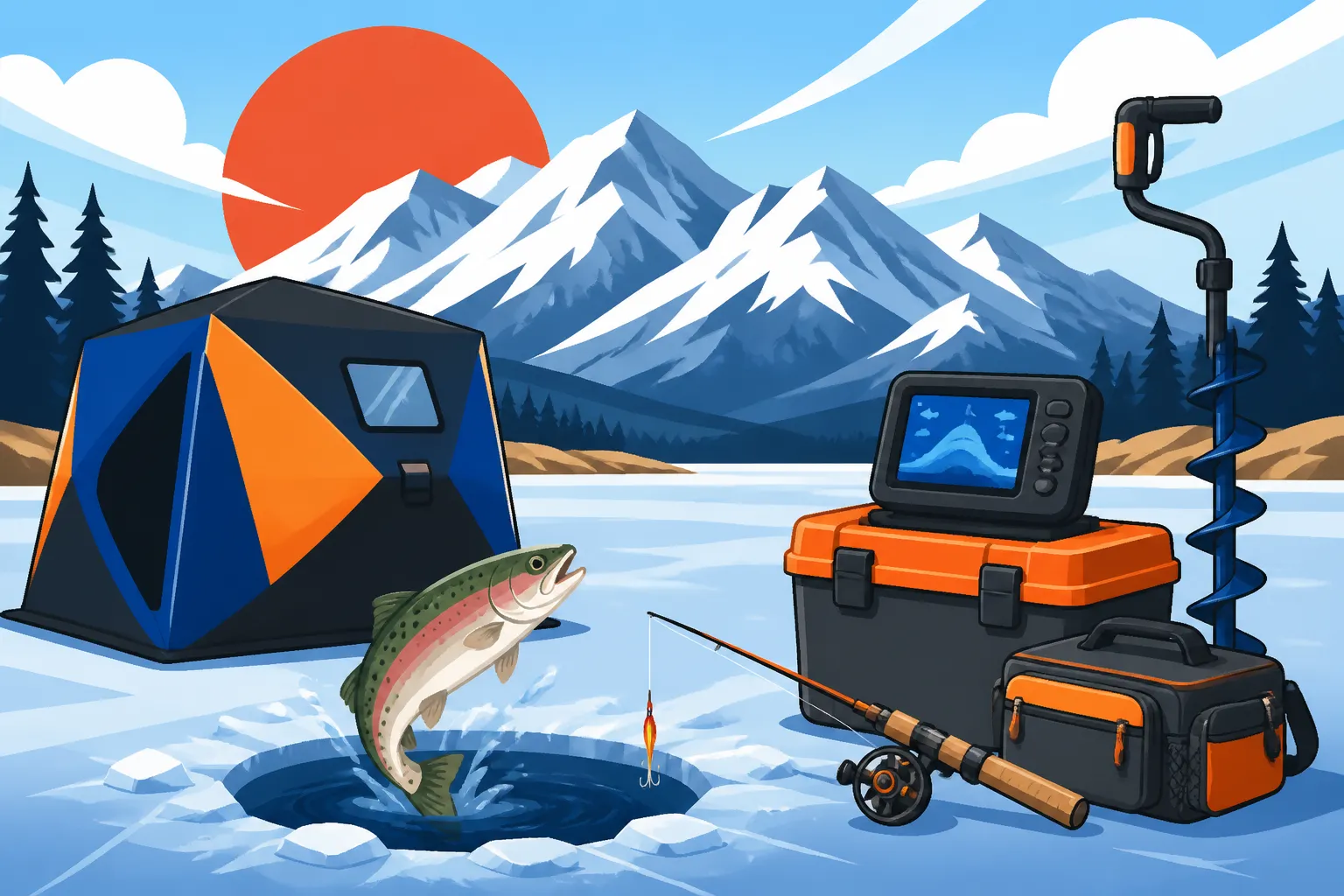
- Hub shelters are like pop-up tents, offering ample space and easy setup. They’re excellent for groups or if you like to spread out your gear. Brands like Eskimo and Clam make very popular hub shelters that are well-insulated and can withstand strong winds. They pack down relatively small for transport.
- Flip-over shelters are integrated into a sled, making them incredibly quick to set up and move. You simply "flip" the top over, and you're ready to fish. They're ideal for mobile anglers who like to chase fish. Many flip-overs have comfortable seats built-in. While they offer less space than hub shelters, their convenience is unmatched.
Portable Heaters: A small propane heater inside your shelter makes a world of difference. The Mr. Heater Buddy series is overwhelmingly popular for its safety features (tip-over shut-off, low-oxygen sensor) and efficient heat output. These heaters run on 1-lb propane cylinders, which are widely available. Always ensure good ventilation in your shelter when using a propane heater to prevent carbon monoxide buildup. Some shelters come with vents specifically designed for heater use. Staying warm means you can fish longer and more comfortably, especially during those colder spells that Colorado is known for.
Finding Fish: Electronics and Tools for Success
Gone are the days when ice fishing was purely a guessing game. Modern electronics have revolutionized the sport, allowing anglers to locate fish, understand depths and structure, and even see their lure in real-time. This technology significantly increases your chances of success, especially on vast Colorado reservoirs.
Fish Finders and Flashers: Seeing Beneath the Ice
These devices are perhaps the most impactful tools an ice angler can own, offering a literal window into the underwater world. They allow you to understand what's happening directly beneath your hole.
Flashers: A traditional ice fishing flasher displays a real-time, circular view of the water column. You'll see solid lines representing the bottom, thin lines for fish, and even thinner lines for your jig or bait. The beauty of a flasher is its instantaneous feedback. You can watch a fish approach your lure, see its reaction, and adjust your presentation accordingly. Brands like Vexilar, Marcum, and Humminbird are leaders in flasher technology. This real-time interaction makes a huge difference, turning blind fishing into an engaging, visual experience. It's particularly useful when you're jigging for lake trout through the ice, allowing you to fine-tune your depth and retrieve.
LCD Fish Finders (Sonar): Modern LCD fish finders offer more detailed graphical displays, showing historical data, zoom features, and sometimes even GPS mapping. They provide a more conventional "picture" of the bottom, structure, and fish arches. Many open-water fish finders can be converted for ice use with a specific ice transducer and battery pack. These are excellent for understanding the overall underwater landscape and marking productive spots. Some units now combine flasher-like real-time displays with detailed sonar graphs. For identifying structure and depth contours on new waters, these are invaluable.
Portable Cameras: A Glimpse into the Underwater World
For those who want to literally see what's happening, an underwater camera can be incredibly fascinating and educational. These cameras provide a live video feed to a small screen, showing fish interacting with your bait, the type of bottom structure, and even clarity conditions.
Underwater Cameras: Brands like Aqua-Vu and Marcum make popular ice fishing cameras. They consist of a camera head on a long cable, connected to a small monitor. You can rotate the camera to scan around your hole. While they require clear water to be most effective, they are an amazing tool for understanding fish behavior. Imagine watching a finicky trout examine your jig for several minutes before finally committing or rejecting it. This visual feedback can teach you a tremendous amount about lure presentation and fish preferences. They’re also fantastic for entertaining kids and non-anglers in the shelter.
Tackle and Bait: Species-Specific Choices
The right lure or bait can be the difference between a productive day and a frustrating one. Colorado's reservoirs hold a variety of species, and each often responds best to specific presentations.
Jigs and Spoons: These are the bread and butter of ice fishing.
- Jigs: Small tungsten or lead jigs tipped with a wax worm, mealworm, or plastic imitation are deadly for trout, perch, and kokanee salmon. Tungsten jigs are heavier for their size, allowing them to drop faster and appear larger on your flasher. Consider a variety of colors and sizes.
- Spoons: Vibrating spoons or small Kastmasters are excellent for actively feeding trout, kokanee, and even smaller lake trout. The flash and flutter mimic injured baitfish. Tip them with a small piece of sucker meat or a wax worm for added appeal. For species like kokanee, brightly colored spoons in pink, orange, or chartreuse are often irresistible.
- Plastic Baits: Soft plastic micro-baits, often infused with scent, are becoming incredibly effective, especially for wary trout and panfish. Small grubs, worms, and minnow imitations can be jigged vertically or suspended under a bobber.
Live Bait: While artificials are popular, live bait often remains king for enticing bites in cold water.
- Mealworms and Wax Worms: Essential for trout and panfish. Their natural wiggling action is hard for fish to resist.
- Minnows: For larger predatory fish like walleye, northern pike, or big lake trout, live minnows (where legal) are incredibly effective. You can fish them on a tip-up or suspended below a bobber. Check Colorado's fishing regulations to ensure minnow use is permitted on your chosen water, as there are often specific bait restrictions, especially on Gold Medal Waters.
- Sucker Meat: Often used for larger lake trout or northern pike, either as a tip on a spoon or jig, or on a larger deadstick rig.
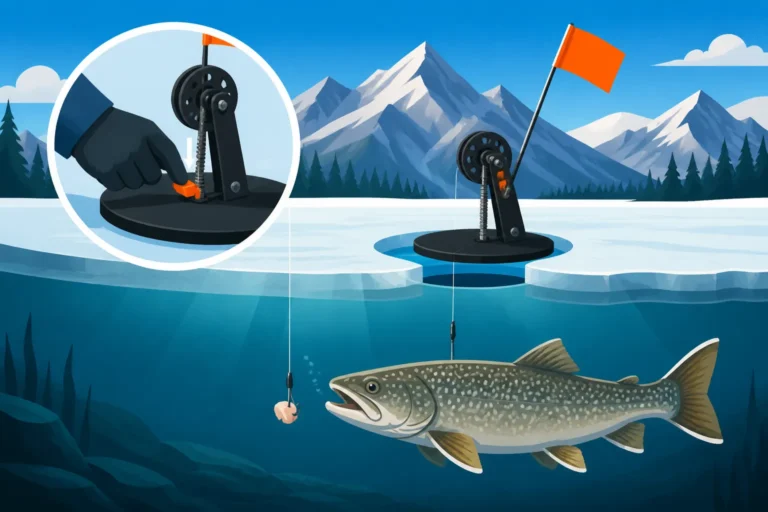
Tip-Ups: These are passive fishing devices that are essentially a flag on a stand, designed to signal a bite when a fish takes the bait. They're particularly effective for targeting larger, less active fish with live or dead bait, such as walleye, pike, or lake trout. You set them up with bait at a specific depth, and when a fish pulls the line, a flag pops up, alerting you to the bite. This allows you to fish multiple holes simultaneously (within legal limits) without constantly holding a rod. Learn how to set up a tip-up for lake trout for maximum effectiveness.
Comfort and Convenience: Making Your Day Enjoyable
Beyond the absolute essentials, a few comfort items can elevate your ice fishing experience from merely tolerable to genuinely enjoyable. These are the details that allow you to relax, stay organized, and truly savor your time on Colorado’s frozen lakes.
Seating and Sleds: Hauling Your Gear and Resting Easy
Think about how you'll get your gear onto the ice and how you'll sit once you're there. These might seem like minor details, but they make a huge difference in comfort and fatigue.
Sleds and Gear Haulers: Unless you’re truly a minimalist, you’ll likely have more gear than you can comfortably carry. A sturdy, plastic sled is indispensable for hauling your auger, shelter, tackle boxes, and other essentials across the ice. Look for sleds with a tow rope and a rugged construction that can handle bumps and cold temperatures without cracking. Many anglers modify their sleds with removable boxes or straps to keep gear organized and secure. This is especially useful if you're venturing far out on expansive reservoirs like Blue Mesa or Eleven Mile.
Chairs and Buckets: Sitting on a cold bucket lid all day isn't fun, especially if you're a seasoned angler.
- Bucket Seats: A simple padded seat that snaps onto a 5-gallon bucket is a step up, and the bucket itself can store tackle or hold your catch.
- Folding Chairs: Many anglers prefer a comfortable, folding chair, especially within an ice shelter. Some flip-over shelters even come with integrated, comfortable seating. When considering chairs, prioritize portability and warmth. If your chair is low to the ground, ensure you have a pad or insulated layer to prevent cold from seeping up from the ice.
Lighting and Power: Extending Your Day
Colorado winter days are shorter, and sometimes the best bites happen at dawn, dusk, or even after dark. Having reliable lighting and power sources can significantly extend your fishing time and improve your experience.
Headlamps and Lanterns: A good headlamp is essential for walking on and off the ice in low light, setting up gear, or re-tying lines in your shelter. Look for models with red light options to preserve night vision. Inside the shelter, a portable LED lantern provides ambient light. Many run on batteries, while others are rechargeable. Some anglers even bring small battery-powered LED strips to illuminate their shelter effectively.
Portable Power Stations: With all the electronics, flashers, phones, and even electric augers, power management is crucial. A portable power station (like those from Goal Zero, Jackery, or smaller power banks) can recharge your phone, run small lights, or even extend the life of your electric auger battery. These devices are becoming smaller and more affordable, offering incredible convenience for multi-day trips or simply ensuring your devices stay charged. Make sure any power station you bring is rated for cold weather performance.
Essential Accessories and Tools
It’s often the small things that make a big difference. Don’t forget these critical accessories.
Tackle Boxes and Organizers: Keep your jigs, spoons, line, and small tools organized. Soft-sided tackle bags or small, waterproof plastic boxes are ideal. This prevents frustration when you’re fumbling with cold fingers. Having specific compartments for different lure types or sizes can save you precious fishing time.
Ice Scoops and Skimmers: As you fish, ice slush will form in your hole. An ice scoop (a long-handled strainer) is used to clear this slush, keeping your hole open and your line free. Some models even have a small chisel on the handle for breaking up thin ice.
Line Clippers and Pliers: Essential for tying knots, cutting line, and removing hooks. Keep them on a lanyard so they don’t fall into the hole. A good pair of multi-tool pliers designed for fishing can handle everything from crimping split shot to removing a deeply set hook.
Rod Holders: Whether you’re fishing with a deadstick (a rod set in a holder with bait) or just want to set your rod down while you re-bait, a rod holder keeps your rod secure and off the cold ice. Simple tripod or bucket-mounted holders are common.
Fish Grips and Release Tools: If you’re practicing catch-and-release, especially on Gold Medal Waters, a pair of fish grips helps you handle fish without harming them or getting your hands too cold. A de-hooking tool can also aid in quick, safe releases.
Small First Aid Kit: Accidents happen, even minor ones. A basic kit with bandages, antiseptic wipes, and pain relievers is always a good idea.
| Gear Category | Essential Item | Typical Price Range (USD) | Key Function |
|---|---|---|---|
| Safety | Ice Picks | $15 – $30 | Self-rescue from broken ice |
| Spud Bar | $40 – $100 | Checking ice thickness and stability | |
| Flotation Suit/Vest | $150 – $600 | Warmth and buoyancy in case of breakthrough | |
| Hole Drilling | Manual Auger | $60 – $150 | Basic hole cutting for thinner ice |
| Propane Auger | $300 – $500 | Powerful, clean hole cutting for thicker ice | |
| Electric Auger | $400 – $700+ | Quiet, powerful, battery-powered hole cutting | |
| Tackle | Ice Fishing Rod (Medium-Light) | $30 – $100 | Specialized short rod for ice fishing, sensitive tip |
| Ice Fishing Reel (Spinning/Inline) | $30 – $150 | Smooth drag, minimal line twist | |
| Ice Fishing Line | $10 – $25 | Cold-resistant, low memory line | |
| Warmth/Shelter | Layering Apparel (Base, Mid, Outer) | $150 – $800+ | Moisture-wicking, insulating, wind/waterproof |
| Insulated Boots | $100 – $250 | Extreme cold protection, waterproof | |
| Waterproof Gloves/Mittens | $30 – $100 | Hand warmth and dryness | |
| Portable Ice Shelter (Hub/Flip-over) | $200 – $800+ | Protection from wind, snow, and cold | |
| Portable Propane Heater | $80 – $200 | Safe, efficient heating inside shelter | |
| Electronics/Tools | Flasher/Fish Finder | $200 – $1000+ | Locating fish, determining depth, seeing lure in real-time |
| Underwater Camera | $200 – $600 | Visual confirmation of fish and bottom structure | |
| Tackle Assortment (Jigs, Spoons, Bait) | $50 – $200+ | Lures and attractants specific to target species | |
| Tip-Ups | $20 – $50 (each) | Passive fishing for multiple holes | |
| Comfort/Convenience | Gear Sled | $50 – $150 | Transporting gear across the ice |
| Comfortable Chair/Bucket Seat | $20 – $100 | Resting and staying off the cold ice | |
| Headlamp | $20 – $50 | Hands-free lighting in low light | |
| Portable Lantern | $20 – $80 | Ambient lighting in shelter | |
| Portable Power Bank | $40 – $200+ | Charging electronics on the ice | |
| Ice Scoop | $10 – $25 | Clearing slush from fishing holes | |
| Line Clippers/Pliers | $15 – $40 | Essential for rigging and hook removal |
Setting Up Your Ice Fishing Kit: Tips for Beginners
Stepping into the world of ice fishing can feel like a big commitment, especially when you see the array of gear available. But don’t let the sheer volume of options overwhelm you. You don’t need every single piece of high-end equipment to start. The key is to begin with the essentials and build your kit strategically, prioritizing safety and comfort first.
Budgeting for Your First Kit
It's tempting to want the latest and greatest, but for your first foray into ice fishing, a balanced approach to budgeting is wise. You can absolutely get started without breaking the bank, especially if you focus on multi-use items and prioritize safety.
For instance, rather than immediately springing for the most expensive electric auger, a good manual auger will get you on the ice and allow you to learn the ropes. Pair that with a basic rod and reel combo, some safety picks, and reliable warm clothing you might already own (like ski or snowboarding gear), and you’re off to a great start. Many entry-level ice fishing rod and reel combos are available from around $30-50, which are perfect for learning how to catch trout in Colorado.
As you gain experience, you'll naturally identify what upgrades or additional items would genuinely enhance your specific fishing style. Perhaps you discover you love chasing big lake trout, which might then justify investing in a powerful flasher and a heavier rod. Or maybe you find yourself drawn to the social aspect of fishing with friends, making a larger hub shelter a worthwhile purchase. Don't be afraid to scour local sporting goods stores at the end of the season for sales, or even check online marketplaces like Amazon for deals on new and used gear. Remember, the goal is to get out there and enjoy the experience, not to own the most expensive kit.
Organizing Your Gear for Efficiency
There’s nothing worse than arriving at your fishing spot, feeling excited, only to realize your tackle is a tangled mess or you can't find that one crucial jig. Organization is key to an enjoyable and efficient day on the ice, especially when dealing with cold fingers and potentially windy conditions.
Utilize plastic tackle boxes with adjustable dividers to keep your jigs, spoons, swivels, and sinkers neatly separated. Small, clear boxes are excellent for this, as you can quickly see what’s inside without having to open every single one. Consider a separate box for different species or lure types. For example, have a dedicated box for trout jigs and another for walleye spoons.
A good gear sled or a larger waterproof bag can serve as your mobile base camp. Pack larger items like your auger, shelter, and heater first. Then, place your smaller, frequently accessed items like your tackle boxes, bait, and a thermos of hot coffee on top. This ensures easy access to what you need most often. Some anglers even build custom sled inserts or secure buckets into their sleds to prevent items from shifting during transport across bumpy ice. The less time you spend rummaging, the more time you spend fishing.
Practice and Preparation
Ice fishing isn't just about showing up; a little preparation goes a long way. Before your first trip, or even before heading out for a new season, take some time to get familiar with your gear.
- Test Your Augur: If you have a gas or propane auger, make sure it starts easily. If it’s electric, ensure your batteries are fully charged. You don't want to find out it's faulty when you're standing on 20 inches of ice.
- Check Your Line: Before each trip, inspect your fishing line for any nicks, frays, or weaknesses that could lead to a lost fish. Re-spool if necessary. Consider using a line conditioner to reduce memory and prevent freezing.
- Pack Smart: Lay out all your gear the night before. Double-check that you have everything, from your fishing license (which is absolutely required in Colorado!) to extra batteries for your headlamp. Having a checklist can prevent those frustrating "I forgot my…" moments. For new residents, understanding the nuances of a Colorado fishing license guide for residents and nonresidents is crucial.
- Know the Regulations: Always consult the current Colorado Parks and Wildlife (CPW) fishing regulations brochure for the specific water body you plan to fish. Regulations can vary widely by lake and species, covering everything from bag and possession limits to bait restrictions and mandatory catch-and-release rules. Being prepared means not only having the right gear but also understanding the rules of the game. Our comprehensive guide on Colorado fishing regulations every angler should know can be a great starting point.
Colorado's Favorite Ice Fishing Reservoirs and Species
Colorado offers an incredible diversity of ice fishing opportunities, from targeting trophy trout in high-alpine lakes to chasing perch and walleye in front-range reservoirs. Understanding what species thrive where can help you tailor your gear and tactics for maximum success.
Top Reservoirs for Trout and Salmon
When most people think of ice fishing in Colorado, they envision pulling vibrant trout and powerful kokanee salmon through the ice. Thankfully, the state delivers on this promise with several premier destinations.
Antero Reservoir, located near Fairplay, is legendary for its massive rainbow trout, cutbows, and brook trout. The reservoir is relatively shallow, which means fish are often cruising across flats or holding near subtle structure. For Antero, a sensitive medium-light rod paired with tungsten jigs tipped with wax worms or plastic midges is a killer combination. Flashers are invaluable here, as fish can be suspended or hugging the bottom. Anglers often fish multiple holes, actively searching for pods of fish.
Eleven Mile Reservoir, another gem in the South Park region, is a consistent producer of large rainbow and brown trout, plus kokanee salmon. The lake has more varied structure, including points, humps, and submerged timber. Here, you might use heavier jigs or small spoons for trout, and vertical jigging spoons tipped with corn or a grub for kokanee. A portable shelter is a must on Eleven Mile, as winds can be relentless. For those chasing the elusive kokanee, understanding when and where they stage during winter is key; vertical jigging with Kokanee-specific spoons, often from brands like Mack's Lure, or small Swedish Pimples are effective tactics.
Blue Mesa Reservoir, Colorado's largest body of water, is renowned for its trophy lake trout and a strong kokanee salmon fishery. Ice fishing here is a serious affair, often requiring heavier gear. For lake trout, specialized jigging rods, robust reels, and heavier braided line are standard. Large tube jigs, spoons, or even vertical jigs tipped with sucker meat are productive. A good fish finder is critical for locating lake trout, which often hold in deep water near structure. When targeting kokanee at Blue Mesa, anglers use smaller, bright jigs or spoons, often tipped with Gulp! maggots or corn. Early ice and late ice often offer the best opportunities for these silver bullets. If you're looking for guidance, consider a guided trip or charter specializing in Blue Mesa, as they often have the specialized gear and knowledge for these deeper fish. Our guide on Colorado's Kokanee Salmon limit at Blue Mesa offers great insights into the rules for this species.
Targeting Perch and Walleye Through the Ice
While trout and salmon get a lot of attention, Colorado also offers fantastic opportunities for warmwater species through the ice, particularly yellow perch and walleye. These fish offer a different challenge and some excellent table fare.
Cherry Creek Reservoir and Chatfield Reservoir, both conveniently located near Denver, are popular spots for yellow perch. Perch are schooling fish, so when you find one, you're likely to find many more. They respond well to small tungsten jigs tipped with wax worms, mealworms, or small plastic baits. A sensitive ultra-light rod is perfect for detecting their subtle bites. Flashers are incredibly useful for locating these schools and staying on them. These urban fisheries are fantastic for beginners or a quick day trip, offering consistent action.
For walleye, a highly prized game fish, you'll want to focus on reservoirs like Pueblo Reservoir in Southern Colorado, or Boyd Lake State Park and Horsetooth Reservoir in the northern Front Range. Walleye are more elusive and often bite best during low-light conditions (dawn, dusk, or even at night). They prefer presenting lures or baits just above the bottom, often near structure or drop-offs. Jigging spoons tipped with minnow heads, blade baits, or swimming lures are effective. Tip-ups set with live minnows are also incredibly productive for walleye, allowing you to cover more ground. Just remember, walleye often have a more subtle bite, so a sensitive rod or a keen eye on your tip-up flag is crucial. For specific strategies, our guide on best bait for ice fishing perch in Colorado or jigging for lake trout through the ice provides more detailed techniques that can be adapted for walleye.
Ice fishing in Colorado truly offers something for everyone, whether you're a seasoned pro with all the latest gadgets or a beginner looking to try something new. The right gear, combined with a little knowledge and a healthy respect for the elements, will set you up for many memorable days on the frozen water.
Disclaimer
The information provided in this guide is for general informational purposes only and does not constitute professional advice. Always exercise caution and prioritize safety when participating in ice fishing activities. Ice conditions can be unpredictable and vary greatly. It is your responsibility to check current ice conditions, local regulations, and weather forecasts before venturing onto any frozen water body. The author and publisher are not responsible for any accidents, injuries, or damages that may occur as a result of using this information.