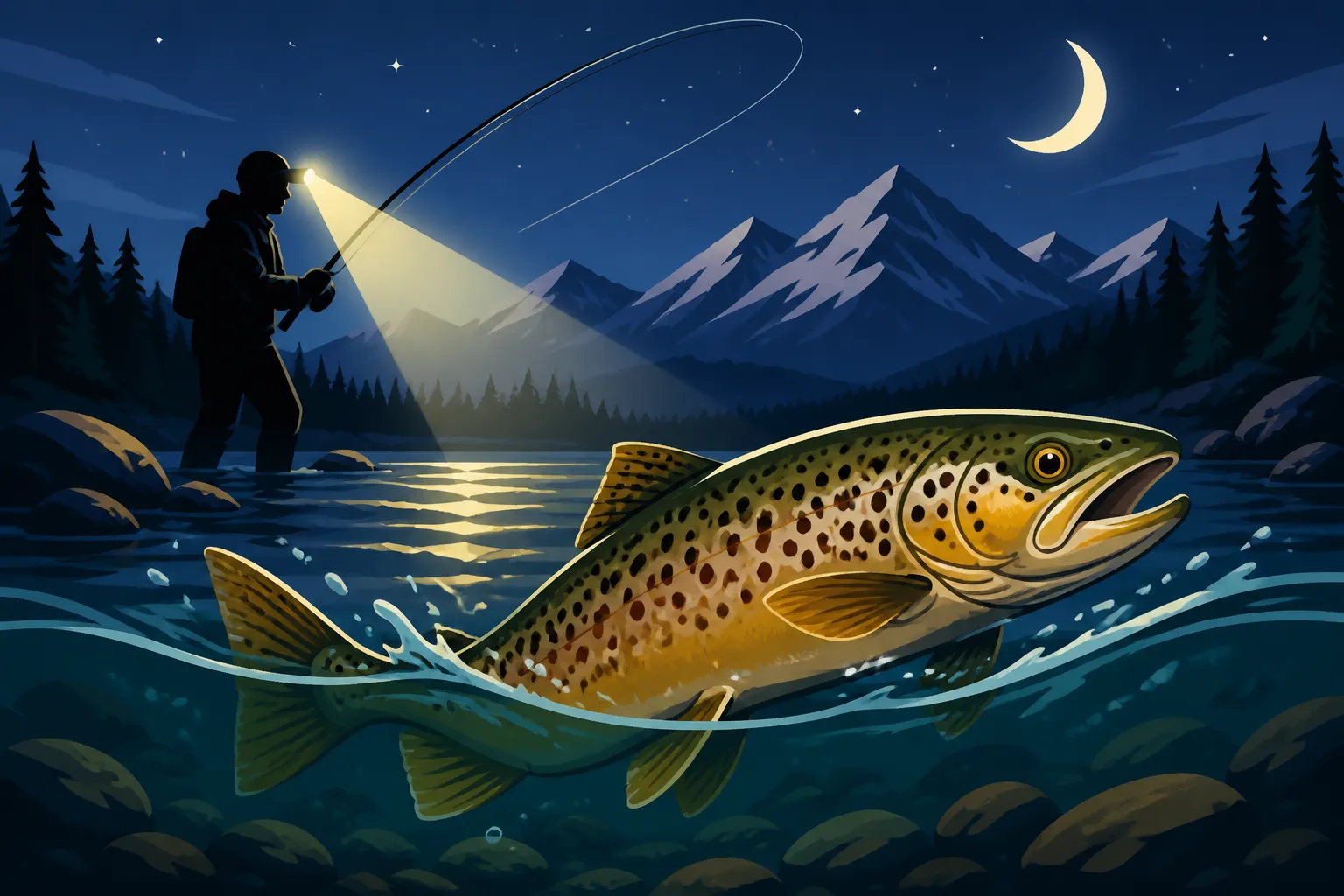
Night Fishing for Brown Trout in Colorado
There's nothing quite as frustrating as hitting your favorite Colorado river during the day, only to find the brown trout spooked by every shadow and seemingly nonexistent. Those wise old browns, the ones you dream about, become incredibly elusive under the bright sun and constant pressure from other anglers. If you've ever felt like you're missing out on the biggest, most aggressive fish, it's time to shift your perspective and embrace the quiet magic of the night. This guide will help you unlock the secrets to successful night fishing for brown trout in Colorado, transforming your angling experience.
Why Night Fishing for Brown Trout is So Effective in Colorado
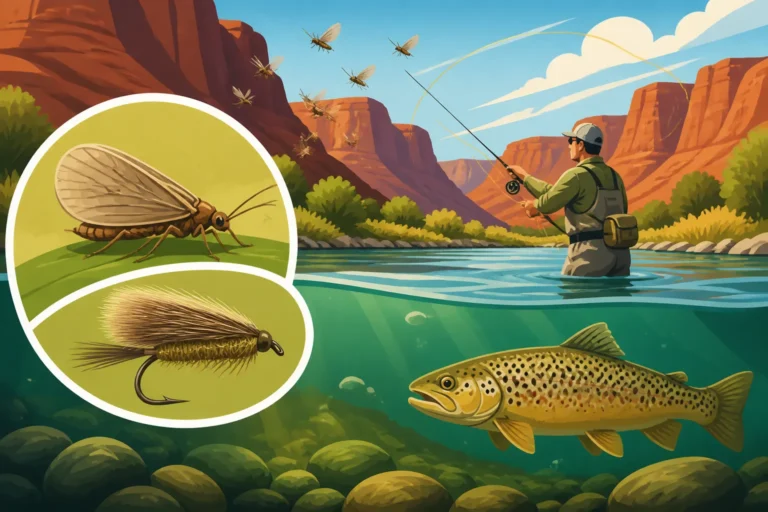
Night fishing might sound a little intimidating, but for targeting trophy brown trout, it's an absolute game-changer, especially here in Colorado. Our clear, often shallow waters and abundant sunshine can make daytime angling a challenging endeavor for the most sought-after fish. Once the sun dips below the horizon, a completely different world emerges.
Evading Daytime Pressure and Heat
During the day, popular stretches of rivers like the South Platte River or the Arkansas River can feel like a fishing highway, with anglers lining the banks, boats drifting downstream, and plenty of activity. This constant human presence puts immense pressure on trout, particularly the larger, more experienced brown trout. They learn quickly to associate shadows, vibrations, and even line slap with danger, causing them to either hide deep in cover or become extremely selective feeders. By fishing at night, you largely eliminate this human pressure. The river becomes your own tranquil haven, allowing you to approach prime lies with far less stealth required.
Beyond the crowds, Colorado's summer days can bring scorching temperatures. While our high-country rivers generally stay cooler, many lower-elevation streams and reservoirs experience significant warming. Warmer water holds less oxygen, making trout sluggish and less inclined to feed aggressively. Night brings cooler air and water temperatures, invigorating the fish. This dip in temperature often signals to brown trout that it's prime feeding time, leading to more active and less discerning strikes. You'll find them moving into shallower water, areas they'd typically avoid during the glaring daylight, hunting for a meal.
Tapping into Brown Trout's Nocturnal Nature
It's no secret among seasoned anglers that brown trout, especially the big ones, are inherently nocturnal predators. Unlike rainbow trout or cutthroat trout that often feed actively throughout the day, brown trout are opportunistic hunters that truly come alive under the cover of darkness. Their eyes are specially adapted to low-light conditions, giving them a distinct advantage when the moon replaces the sun. This genetic predisposition means that while other species might hunker down, brown trout are actively on the prowl, seeking out larger prey items they wouldn't typically risk exposing themselves for during the day.
When darkness falls, brown trout's diet often shifts from smaller nymphs and tiny dry flies to bigger, more substantial meals. Think about it: mice, voles, larger baitfish, and even smaller trout become fair game. This change in feeding behavior is what makes night fishing so exciting – you're often targeting the biggest fish in the river, and they're looking for a hero meal. They become less wary and more aggressive, willing to chase and strike at offerings that might be ignored during the day. Understanding this fundamental shift in their predatory instincts is key to tailoring your approach and maximizing your success.
Prime Locations for Night Fishing Brown Trout in Colorado
While the general principle of night fishing for brown trout applies broadly, certain types of waters in Colorado offer distinctly better opportunities due to their characteristics. Knowing where to focus your efforts can drastically improve your chances of hooking into that nocturnal trophy.
Tailwaters and Their Consistent Temperatures
Colorado's tailwater fisheries, those stretches of river immediately below large dams, are absolute goldmines for night fishing brown trout. The water released from the bottom of reservoirs maintains a remarkably consistent cold temperature year-round. This stability means that even on the hottest summer nights, the water remains cool and oxygenated, providing an ideal environment for trout to feed aggressively. Famous tailwaters like the Fryingpan River below Ruedi Reservoir, the Taylor River below Taylor Park Reservoir, or the Blue River in Silverthorne are prime examples.
The consistent flow and abundant insect life in tailwaters mean brown trout are always well-fed and grow to impressive sizes. At night, these fish, which might be extremely selective during the day due to gin-clear water and heavy angling pressure, become much more vulnerable. They'll often move out of the deepest holding lies and into shallower riffles and runs, actively hunting. These areas are easier to target with streamers or larger nymphs, and the fish are often less wary, relying on the darkness for cover. Always check the specific regulations for any tailwater, as some may have restrictions on night fishing or certain gear. Knowing your Colorado Gold Medal Water Regulations Explained can be particularly helpful.
Larger Freestone Rivers and Deep Pools
While tailwaters offer consistency, Colorado's larger freestone rivers, like sections of the Colorado River near Kremmling or the upper Arkansas River, can also be incredibly productive for night fishing, particularly in their deeper, slower pools and undercut banks. These are the places where the biggest brown trout often reside during the day, using the depth and cover to stay hidden. At night, they feel much safer venturing out from these sanctuaries.
Focus your efforts on the seams of currents, large eddies, and especially any areas with substantial bank cover such as fallen trees, large boulders, or deep undercut banks. These structures provide both protection and ambush points. While the water temperatures in freestones can fluctuate more than tailwaters, the general cooling trend at night still triggers aggressive feeding. Look for slower, deeper runs where fish expend less energy fighting current but still have access to passing prey. Wade carefully and methodically, making sure you know the river bottom from a daytime scout if possible, to avoid any unexpected drops or swift currents. Exploring the best sections of the Colorado River Fishing From Glenwood Canyon to Kremmling could reveal some fantastic nocturnal opportunities.
Reservoir Inlets and Outlets
Don't overlook large reservoirs in Colorado when thinking about night fishing for brown trout. Specifically, the areas around inlets and outlets can be incredibly productive. Inlets, where rivers or streams flow into the reservoir, deliver fresh, cooler water and a constant supply of food items. This creates a natural congregating point for baitfish and, consequently, hungry brown trout. Outlets, where water leaves the reservoir, also create current and structure that browns will use as ambush points. Places like the inlets of Blue Mesa Reservoir, known for its monster lake trout and kokanee, can also hold some impressive brown trout.
At night, brown trout that may have been suspended or holding deep in the reservoir during the day will often move into these shallower, moving water zones to feed. They're looking for baitfish that are drawn to the flow or any terrestrial creatures that might fall into the water. Fishing these areas requires a bit of patience and often heavier gear to handle potentially larger fish. Consider targeting these areas with larger streamers or even bait where legal. Always check local reservoir regulations, especially for any specific rules about night fishing or boat navigation after dark.
Essential Gear for a Successful Night Fishing Trip
Night fishing for brown trout in Colorado isn't just about showing up with your usual setup. The darkness demands specific gear choices that prioritize safety, visibility, and the ability to effectively present your offerings when you can't rely on sight. Being prepared can mean the difference between a memorable night and a frustrating, or even dangerous, one.
Lighting and Safety Essentials
Your primary concern at night must be safety, and that starts with illumination. A reliable headlamp is non-negotiable. Look for models with multiple brightness settings and, crucially, a red light option. White light can spook fish and significantly reduce your night vision, making it harder to see once you turn it off. Red light, however, preserves your night vision and is much less disturbing to the fish. I've found great, durable headlamps on Amazon that have excellent battery life, which is paramount when you're hours from your car. Consider carrying a spare headlamp or a small flashlight as a backup, because gear can fail at the worst possible moment.
Beyond personal lighting, reflective tape on your wading staff, net, and even your backpack can be a lifesaver if you're fishing with a partner or need to be easily spotted. A personal locator beacon (PLB) or satellite messenger, like those from Garmin inReach, is a wise investment, especially if you venture into more remote areas, as cell service is often nonexistent in parts of Colorado. Always inform someone of your fishing plans, including where you'll be and when you expect to return. A small first-aid kit, a whistle, and bear spray (depending on the area) should also be part of your essential safety gear, stored in an easily accessible, waterproof bag.
Rods, Reels, Lines, and Leaders
When it comes to your fishing setup, don't skimp on strength or versatility. For night fishing brown trout, you're often throwing larger flies or lures, and you're potentially battling bigger fish in challenging conditions. A 6 or 7-weight fly rod, or a medium-heavy spinning rod, is a good starting point. This provides enough backbone to cast heavy streamers or crankbaits and to turn a strong fish away from snags. Your reel should have a smooth, reliable drag system, as you won't always see the initial take, and a solid hookset followed by a strong run is common.
For fly anglers, a weight-forward floating line is often sufficient, but a sink-tip line can be invaluable for getting larger streamers down into deeper runs or pools quickly. Choose a leader and tippet setup that matches the size of your flies and the potential size of the fish. A 0X to 2X leader, or even stronger, paired with a stout tippet (8-12lb test monofilament or fluorocarbon) is generally appropriate. Forget delicate presentations; at night, brown trout are more aggressive, and you need the strength to land them. Spin anglers should opt for 8-15lb test fluorocarbon line for its abrasion resistance and low visibility, especially important for those larger, more wary browns.
Lures, Flies, and Baits for Darkness
This is where the fun begins for night fishing brown trout. Forget your tiny midges or delicate dry flies; night fishing is about big, noisy, and highly visible (or rather, highly perceivable) offerings.
For Fly Anglers:
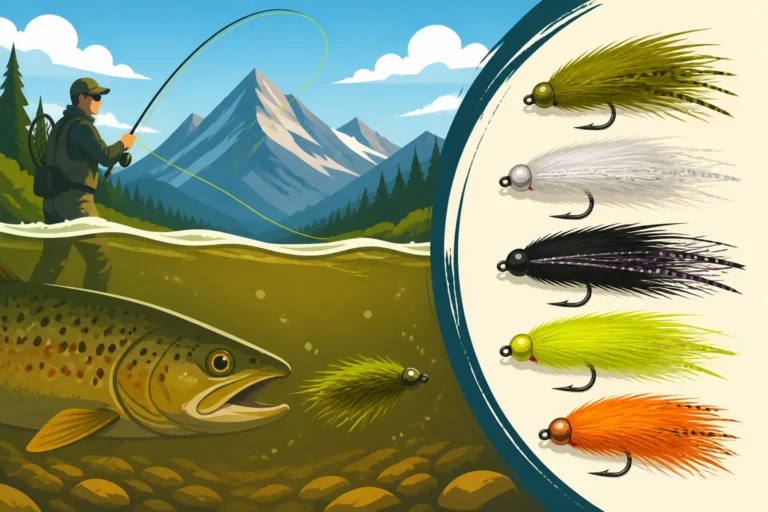
- Large Streamers: Think patterns that push a lot of water and have a strong silhouette. Black or dark-colored patterns like black Wooly Buggers, Sex Dungeons, Articulated Streamers, or black and purple Dungeons are incredibly effective. Sizes from #2 to #6 are common. The movement and profile are key.
- Mice and Terrestrial Patterns: Believe it or not, big brown trout are notoriously fond of mice patterns, especially those that "swim" on the surface. Patterns like Moorish Mouse, Mr. Hankey, or various foam mouse imitations can be deadly when retrieved across slower sections or along banks.
- Large Nymphs: If you're fishing deeper water, very large stonefly nymphs (e.g., Pats Rubber Legs in black or coffee colors, size #4-#8) or even larger attractor patterns can work. The key is size and movement.
For Spin Anglers:
- Jerkbaits/Minnow Plugs: Larger suspending or floating jerkbaits (3-5 inches) in dark colors or natural baitfish patterns can be incredibly effective when retrieved slowly. Rapala Original Floaters or Husky Jerks are classic choices.
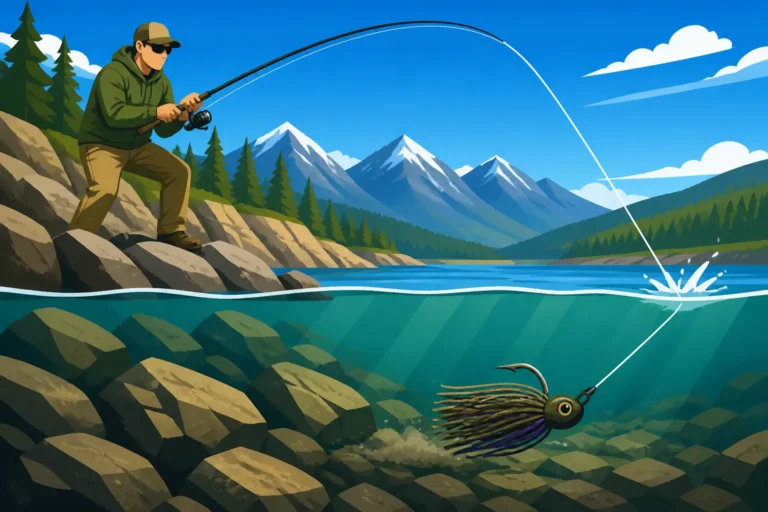
- Swimbaits: Soft plastic swimbaits, especially those with a paddle tail for vibration, rigged on a weighted swimbait hook, can mimic larger baitfish. Black, dark green, or bluegill patterns work well.
- Spinnerbaits/Buzzbaits: While often associated with bass, a slow-rolled spinnerbait with a large blade can create enough vibration and flash to attract aggressive brown trout. Buzzbaits retrieved across the surface can imitate distressed prey.
- Bait (where legal): If regulations permit, larger natural baits like nightcrawlers or chunks of cut bait can be highly effective, especially in slower pools or reservoir inlets. Always check Colorado Bait Restrictions and Where They Apply before you go.
The critical factor for both fly and spin gear is that the fish aren't primarily relying on sight for these larger presentations. They're keying in on vibrations, profiles, and general movement. Therefore, patterns that create a disturbance, have a strong silhouette against the moonlit sky, or offer a substantial meal are often the most successful.
Here's a quick comparison of common night fishing offerings:
| Lure/Fly Type | Primary Appeal | Ideal Conditions | Retrieve Style | Pros | Cons |
|---|---|---|---|---|---|
| Large Streamers | Profile, Vibration, Movement | Rivers, Tailwaters, Lake Inlets; Moderate current | Stripped, Swung, Jigged | Excellent for aggressive browns; Versatile | Can snag easily in heavy cover; Requires specific casting |
| Mouse Patterns | Surface disturbance, Silhouette | Slower runs, Eddies, Bank lines; Calm water | Slow retrieves, Skating | Triggers aggressive topwater strikes; Exciting | Less effective in fast currents; Fewer takes overall |
| Jerkbaits/Plugs | Erratic action, Vibration, Baitfish mimicry | Reservoirs, Slower river pools; Deeper water | Twitch-pause, Slow retrieve, Jerking | Reaches deeper water; Great baitfish imitation | Can be expensive to lose; Less versatile for shallow rivers |
| Swimbaits | Natural profile, Paddle-tail vibration | Reservoirs, Deep river pools; Moderate retrieve | Steady retrieve, Slow roll | Very lifelike; Good for deeper browns | Can get snagged; Needs varying weights for depth |
| Large Nymphs | Subsurface profile, Slow drift | Tailwaters, Deeper runs; Moderate to fast current | Dead drift, Slow retrieve | Effective when fish are slightly less aggressive | Less exciting; Can be tricky to detect bites |
Techniques and Strategies for Night Fishing
Night fishing for brown trout isn't just about changing your gear; it's about fundamentally altering your approach. The darkness demands a slower, more deliberate, and more sensory-driven strategy.
Slow and Deliberate Presentations
One of the biggest mistakes anglers make when night fishing is to maintain their aggressive daytime retrieve or cast. At night, brown trout rely heavily on their lateral line (which detects vibrations) and their sense of smell. They aren't going to chase down a quickly stripped streamer or a fast-moving crankbait across a wide expanse of river. Instead, a slow, deliberate presentation is key.
For fly anglers, this means slower, longer strips with streamers, allowing the fly to sink and "swim" more naturally. When swinging flies, let the current do most of the work, occasionally adding a gentle twitch. For mouse patterns, a slow, subtle "skating" retrieve across the surface or a gentle twitch-and-pause can be incredibly effective, mimicking a struggling rodent. Spin anglers should focus on slow-rolling swimbaits, jerkbaits with extended pauses, or spinnerbaits retrieved just fast enough to get the blade turning. The goal is to give the fish ample time to locate your offering, investigate it, and commit to a strike without feeling rushed. Remember, they're not trying to identify a minuscule insect in bright sunlight; they're looking for a substantial, easy meal.
Focusing on Sensory Cues
Since visual cues are largely removed for you as the angler, you must heighten your other senses. This is where the magic of night fishing truly comes alive. You'll start to feel every subtle bump, every change in current, and the often-aggressive take of a brown trout.
- Feel: Pay extreme attention to your line. A slight tug, a sudden slack, or a heavy thud can all indicate a strike. With streamers or lures, you're looking for that distinct "thump" or the rod bending under unexpected pressure. It often feels different than a daytime bite – more confident, more aggressive. For nymphing at night (less common but possible with large patterns), a strike indicator is useless; you rely purely on feeling the line.
- Sound: Listen to the river. The sounds of feeding fish (surface boils, splashes from a fish darting after prey) can pinpoint active zones. The sound of your lure or fly hitting the water, or a twitching mouse pattern, can also guide your next cast.
- Intuition: This might sound abstract, but night fishing builds an incredible sense of intuition about where fish are holding and how they're moving. After a few trips, you'll learn to anticipate strikes in certain areas or after a particular retrieve cadence. Trust your gut; it's often right in the dark.
When a strike happens, it's often violent and sudden. Resist the urge to yank the rod back immediately. Instead, employ a strong, sweeping hookset, keeping tension on the line. Once hooked, control the fish by feeling its movements, guiding it away from snags and towards a safe landing spot. It’s a primal, exciting experience that connects you more deeply to the rhythm of the river.
Safety and Navigation in the Dark
Successfully navigating a river at night demands a proactive approach to safety. The number one rule is: never fish water at night that you haven't thoroughly explored in daylight. Even familiar stretches can hide unseen obstacles in the dark.
- Scout Ahead: Before heading out for a night session, walk the section of river you plan to fish during the day. Identify safe entry and exit points, note any deep holes, swift currents, submerged rocks, fallen trees, or unstable banks. Pay attention to the access points and trails.
- Wade Carefully: Take small, shuffling steps when wading. Use a sturdy wading staff for balance and to probe the river bottom ahead of you. This is not the time for ambitious wading. If you're using a fishing app, make sure to mark potential hazards or safe crossing points.
- Bank Angling: If wading feels too risky, consider bank angling. Many large brown trout will cruise very close to the banks at night, making them accessible from shore, especially in slower pools or around submerged structure.
- Carry Essentials: In addition to your headlamp, always have a fully charged phone (even if for emergencies only), a knife, and something to stay warm. Colorado nights, even in summer, can get surprisingly chilly. Warm layers, waterproof outer shells, and even hand warmers from Amazon can make a huge difference. Check the Colorado Fishing Regulations Every Angler Should Know for any specific safety rules or restrictions in certain areas.
Best Seasons and Conditions for Night Fishing
Timing is everything when it comes to successful night fishing for Colorado brown trout. While brown trout are nocturnal, not all nights are created equal. Understanding the optimal seasons and environmental conditions will significantly increase your odds.
Summer and Early Fall Nights
The prime time for night fishing brown trout in Colorado typically spans from late spring through early fall, with summer and early fall being particularly productive.
- Summer Nights (June-August): This is often considered the peak season. During the height of summer, daytime temperatures are at their warmest, often pushing trout into deeper, cooler holding lies. As the sun sets and air temperatures drop, the water cools, and brown trout become far more active. They'll move into shallower riffles, runs, and along banks, aggressively feeding to make up for less active daytime hours. This is also when large terrestrials like grasshoppers are abundant and when baitfish populations are thriving, providing substantial meals for opportunistic browns. The longer daylight hours also mean the period of darkness is shorter, which can make a full night of fishing more manageable.
- Early Fall Nights (September-October): As autumn approaches, the water temperatures begin a more consistent cooling trend, and this triggers an instinctual feeding frenzy in brown trout. They are packing on calories for the upcoming spawn and the colder winter months. These "pre-spawn" browns are some of the most aggressive and biggest fish you'll encounter all year. The nights are longer, and while it gets colder, the fishing can be truly exceptional. This is often the best time for throwing large streamers and even mice patterns. Knowing Fall Fishing in Colorado, What Changes can further refine your approach.
Moon Phases and Cloud Cover
The amount of natural light available at night can impact how brown trout feed and how you should approach them.
- New Moon (Darker Nights): Many anglers swear by the darkest nights – those around a new moon or with heavy cloud cover. In absolute darkness, brown trout are at their most confident and least wary. They rely almost entirely on their lateral line to detect vibrations and scent, making them more susceptible to large, noisy streamers, plugs, or surface patterns that create a strong disturbance. On these nights, you can often get away with bolder presentations and don't need to be as concerned about your silhouette.
- Full Moon (Brighter Nights): A bright full moon can provide enough light for brown trout to become somewhat more visually oriented. While they'll still be active, they might be slightly warier than on pitch-black nights. On these nights, consider presentations that are still large but perhaps a bit more subtle in their action, or focus on darker-colored flies and lures that create a strong silhouette against the moonlight. You might also find that fish are holding in slightly deeper water or tighter to cover, using the shadows for ambush. Sometimes, a bright full moon can even make fish a little "spooky" in very clear, shallow waters.
- Cloud Cover: Cloudy nights are often ideal, regardless of the moon phase. Clouds diffuse any moonlight, creating an even, low-light condition that encourages brown trout to roam widely and feed aggressively without the stark contrasts that can occur on clear moonlit nights.
Ultimately, don't let a specific moon phase dictate your trip entirely. The fish will still be out there. Adjust your tactics to the available light: go bigger and more disruptive on darker nights, and perhaps a touch more subtle on brighter ones.
Avoiding Storms and High Water
While the darkness can offer refuge, severe weather and high water conditions are definite no-gos for night fishing.
- Thunderstorms: Colorado is famous for its sudden, intense afternoon and evening thunderstorms, particularly in summer. Lightning is an obvious, deadly risk, especially when you're standing in or near water with a graphite rod in hand. Always check the forecast meticulously before heading out, and if a storm rolls in, pack up immediately and seek shelter. Safety always comes first.
- High Water/Runoff: Fishing during periods of high water, such as spring runoff or after heavy rains, is generally not recommended at night. High, swift water can be incredibly dangerous, making wading impossible and creating unpredictable currents and debris. Visibility in murky, high water is also extremely poor, making it difficult for fish to find your offerings and for you to detect strikes. Stick to more stable, lower flows for night fishing. For more information on river conditions, check out When Colorado's Spring Runoff Hits and How to Fish Around It. Always aim for clear, stable water conditions for the safest and most productive night fishing experience.
Safety Considerations and Best Practices
Night fishing for brown trout offers an exhilarating experience, but it comes with unique challenges and inherent risks. Prioritizing safety and adhering to best practices is paramount to ensuring an enjoyable and incident-free outing. Remember, the quiet solitude of the night can quickly turn dangerous if you're unprepared or careless.
Partner Up and Communicate
One of the most important safety rules for night fishing, especially in Colorado's often rugged and remote landscapes, is to never go alone. Always fish with a buddy. Having a partner significantly increases your safety net in case of an accident, fall, or unexpected medical emergency. Even if you're an experienced angler, a twisted ankle or a slip into fast current can quickly become life-threatening in the dark if no one knows where you are.
Beyond simply having someone with you, effective communication is crucial. Establish clear signals or verbal cues to alert your partner if you need help, hook a fish, or decide to move to a new spot. Regular check-ins, even if just calling out "You good?" every now and then, can prevent a mishap from escalating. Make sure both of you have the necessary safety gear and are familiar with the planned fishing area. You might also want to leave a detailed itinerary with someone not on the trip, including your expected return time and contact information.
Familiarize Yourself with the Water in Daylight
This cannot be stressed enough: never night fish a piece of water you haven't thoroughly scouted in broad daylight. What looks like a gentle riffle or a solid bank in the dark can hide treacherous drop-offs, unstable footing, or submerged hazards. Even familiar stretches of river can change after a heavy rain or during fluctuating water levels.
During your daytime reconnaissance, pay close attention to:
- Entry and Exit Points: Identify safe, easy-to-access spots where you can get in and out of the river without difficulty.
- Wading Lanes: Note the safest routes for wading, avoiding deep holes, swift currents, and slippery rock gardens.
- Obstacles: Pinpoint any submerged rocks, logs, snags, or overhanging branches that could pose a danger or snag your line.
- Bank Features: Identify undercut banks, steep drop-offs, or areas where the bank might be unstable.
- Emergency Exits: Know the quickest way back to your vehicle or a safe, elevated area in case of rising water or bad weather.
Having a mental map, or even better, using a GPS app on your phone (download maps for offline use!) to mark safe spots and potential hazards, will dramatically increase your confidence and safety in the dark.
Leave No Trace Principles at Night
The Leave No Trace principles are always important, but they take on an added significance when night fishing. The darkness can sometimes lead to carelessness, but respecting our wild spaces is paramount.
- Pack It In, Pack It Out: This is the golden rule. Any trash you generate, from snack wrappers to tangled fishing line, must leave with you. Use a designated trash bag and make sure it's secure so items don't accidentally fall out in the dark.
- Minimize Light Pollution: While your headlamp is essential for safety and tying knots, use it judiciously. Only turn on white light when absolutely necessary, and keep it on the lowest effective setting. Rely on your red light or ambient moonlight as much as possible to preserve your night vision and minimize disturbance to wildlife and other potential night users (though they'll be few and far between).
- Stay on Trails: Avoid trampling vegetation or disturbing sensitive ecosystems by sticking to established paths or areas you know are durable surfaces.
- Respect Wildlife: Nighttime is when many animals are most active. Be aware of your surroundings and avoid disturbing any nocturnal creatures you might encounter. If you spot an animal, give it space and observe quietly.
- Responsible Catch and Release: If you're practicing catch and release, do so quickly and efficiently. Handling fish in the dark requires extra care to minimize stress. Keep the fish in the water as much as possible, use a net, and release it gently. Even if you are allowed to keep fish per Colorado Bag and Possession Limits by Species, always adhere to regulations.
By following these best practices, you ensure not only your own safety and success but also help preserve the pristine beauty and wildness of Colorado's rivers for future generations of anglers. The reward of hooking into a truly magnificent brown trout under the stars is an experience unlike any other, and it's one worth pursuing responsibly.
Disclaimer
Please remember that fishing regulations, conditions, and safety guidelines can change. Always consult the official Colorado Parks and Wildlife (CPW) website or their current regulations brochure before embarking on any fishing trip. Safety should always be your top priority when enjoying Colorado's outdoors.