Best Bait for Ice Fishing Perch in Colorado
There's nothing quite like the crisp air and serene silence of a Colorado winter morning, but the frustration hits when you've drilled your holes, set up your shelter, and the perch just aren't biting. It can be incredibly disheartening to spend hours on the ice without so much as a nibble. This comprehensive guide will pull back the curtain on the best baits for ice fishing perch in Colorado, helping you turn those slow days into memorable catches.
Understanding Colorado Perch and Their Winter Habits
Ice fishing for perch is a truly rewarding experience, but success hinges on understanding these feisty little fish and how they behave when the mercury drops. They’re not always easy to find, and even when you do, convincing them to bite can be a challenge.
Where Perch Live in Colorado Winters
Colorado is blessed with numerous reservoirs and lakes that hold robust populations of yellow perch. During the colder months, these fish tend to congregate in predictable areas, making them prime targets for ice anglers. You’ll often find perch holding to submerged structure like old weed lines, brush piles, rock formations, and particularly, along gradual drop-offs that lead to deeper water. Reservoirs like Chatfield, Cherry Creek, and Standley Lake are well-known perch havens along the Front Range, while Pueblo Reservoir to the south and even some high-country lakes offer fantastic opportunities.
Imagine scanning your fish finder and seeing that distinct school of fish hovering just off the bottom near a pronounced breakline. That's usually where perch are stacked, seeking refuge and food. They're often found shallower than larger predators like lake trout or walleye, preferring depths from 10 to 30 feet, though they can certainly be found deeper or shallower depending on the specific body of water and time of day. Knowing these preferred winter hangouts is your first step to success. If you're wondering about specific locations, checking out dedicated resources like Colorado's Best Ice Fishing Reservoirs can give you a great head start.
Why Perch Behavior Dictates Bait Choice
Perch, like all cold-blooded fish, experience a significant slowdown in their metabolism when water temperatures plummet beneath the ice. This means they're less active, their digestion is slower, and they're generally less willing to chase down a meal. Their strikes often become incredibly subtle, feeling more like a slight weight on your line than an aggressive tug. This change in behavior is precisely why your bait choice and presentation are paramount.
An energetic lure that works wonders in open water might be completely ignored through the ice. Instead, you need baits that are either highly attractive with minimal movement, or small enough to be an easy, low-energy meal. Scent, subtle action, and the ability to hover enticingly in the strike zone become critical. Think small, natural, and easy. If a perch has to expend too much energy to catch something, it's likely to pass on the opportunity. This slow, methodical approach is key to success when you’re ice fishing in Colorado, getting started with those techniques.
Top Live Baits for Colorado Ice Fishing Perch
When it comes to ice fishing for perch, live bait often reigns supreme. There’s something about the natural movement and scent that artificial lures, no matter how good, can’t quite replicate, especially when fish are lethargic.
The Undisputed King: Wax Worms and Mealworms
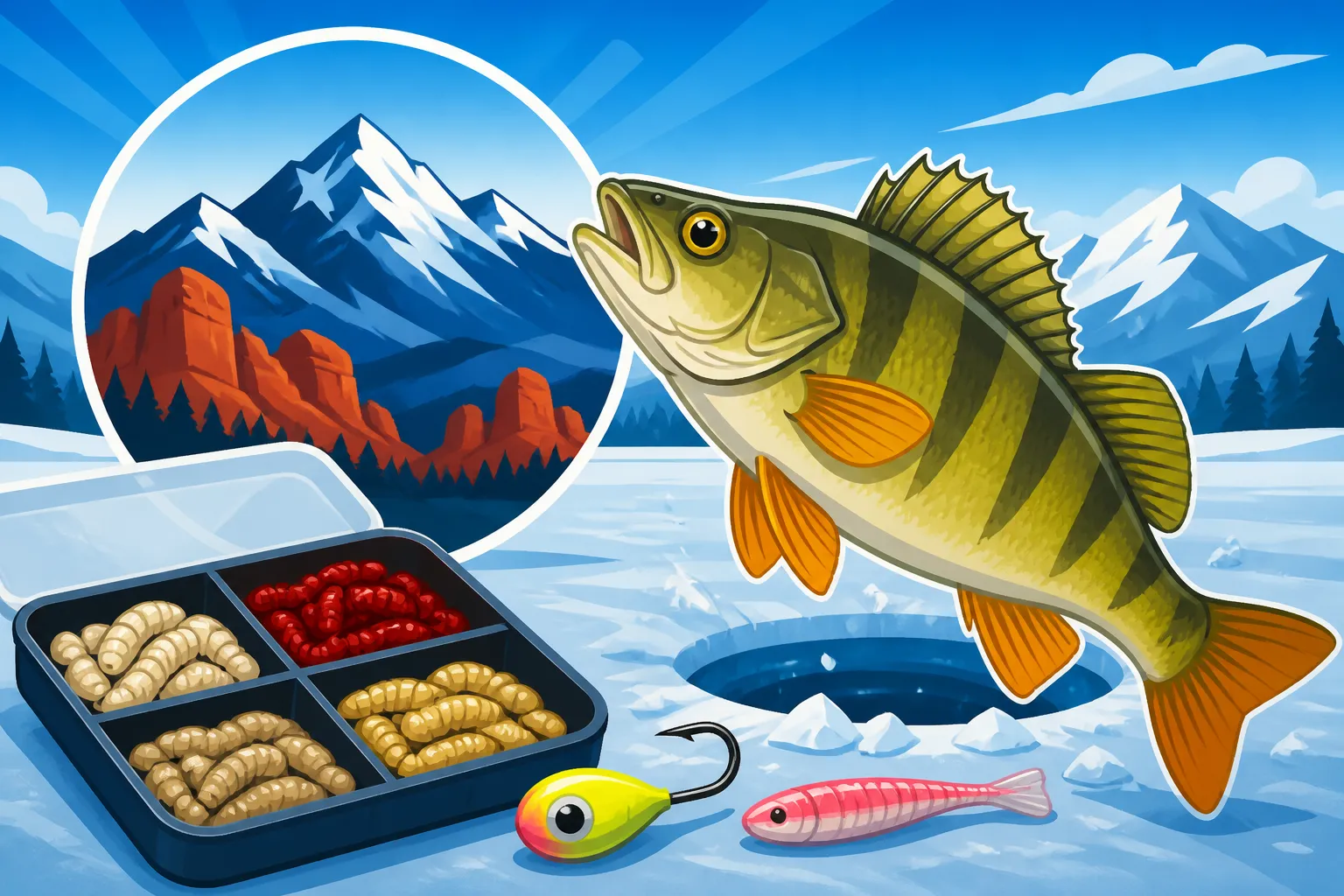
If there’s one bait you absolutely must have in your tackle box for Colorado ice fishing perch, it’s wax worms. These plump, creamy-white larvae are an absolute perch magnet. They're easy to handle, stay alive on the hook for a long time, and their natural oils create an attractive scent trail in the water. Mealworms are a close second, offering a similar profile, just a bit tougher skinned.
The beauty of wax worms is their versatility. You can tip them on virtually any small jig or spoon. Typically, you'll thread one or two wax worms onto a small jig hook, making sure the hook point is exposed for a solid hookset. The subtle wiggling action of a live wax worm under the ice is often enough to entice even the most finicky perch. Many anglers will also "double-down" by adding a second wax worm, creating a larger, more appealing target. You can usually find these at local bait shops across Colorado, or even order them in bulk from retailers on Amazon for convenience.
Minnows: Small, Lively, and Irresistible
For bigger perch or when the fish are a bit more aggressive, small minnows can be absolutely deadly. Fathead minnows or shiners, typically 1 to 2 inches long, are perfect. Their natural swimming action and flash are often too much for a hungry perch to ignore. The challenge, of course, is keeping them lively and active in freezing conditions.
When using minnows for perch, you have a couple of primary approaches. The first is to hook them lightly through the back, just behind the dorsal fin, with a small jig or plain hook. This allows the minnow to swim naturally, attracting attention. This setup is fantastic for "dead sticking" – simply letting the bait sit still or with minimal movement – or for use on tip-ups. A light jigging motion can also impart irresistible action. Another effective method is to pinch off the tail or clip a fin, which creates a frantic, wounded minnow action that can trigger a predatory strike. Remember to check local regulations, as some waters have specific rules regarding baitfish, including whether you can use live minnows at all. Always consult the current Colorado Fishing Regulations Every Angler Should Know.
Spikes and Eurolarvae: Smaller, Subtler Options
Sometimes, perch are incredibly selective, turning their noses up at anything but the smallest, most natural presentation. This is where spikes (maggots) and eurolarvae come into play. These are smaller than wax worms, offering a more delicate profile and a slightly different scent.
Spikes are typically used when perch are barely biting, or when you’re targeting those truly finicky fish. You can fish them singly or in clusters on micro jigs, often dropping them right into the schooling fish you see on your fish finder. Their continuous squirming motion is subtle but persistent, often enough to trigger a curious perch to mouth the bait. Eurolarvae are a European strain of maggot, often slightly larger and more robust than typical spikes, providing a bit more visual appeal while still maintaining a small, manageable size. These small, wiggling morsels are especially effective in clear, cold water where fish have ample time to inspect your offering.
Effective Artificial Baits for Ice Fishing Perch
While live bait certainly has its place, artificial baits offer advantages like durability, convenience, and the ability to impart specific actions that live bait can't always replicate. For the angler who prefers to jig and actively search for fish, artificials are indispensable.
Micro Jigs and Tungsten Power
In the realm of artificial baits for ice fishing perch, micro jigs, especially those made of tungsten, are game-changers. Tungsten is much denser than lead, meaning a tungsten jig can be significantly smaller for the same weight. This is a huge advantage when perch are finicky, as you can present a tiny bait that falls quickly through the water column, reaching the fish faster and staying in the strike zone longer.
Colors matter, too. Chartreuse, orange, pink, and glow-in-the-dark jigs are often top performers, especially in stained water or low light conditions. The jigging motion should be subtle – small lifts and drops, often just an inch or two, followed by pauses where the jig hangs enticingly. Many anglers will tip these micro jigs with a single wax worm, spike, or a piece of Berkley PowerBait for added scent and appeal. You can find a vast array of tungsten jigs in various shapes and colors online, with many options available on Amazon from brands like Clam and VMC. These are also excellent for catching other species, though the specific jigging for Lake Trout Through the Ice might involve slightly larger offerings.
Small Spoons and Rattle Baits: Attracting Attention
When perch are a bit more active, or when you need to draw them in from a wider area, small spoons and rattle baits are incredibly effective. Their flash, vibration, and sometimes sound, can be just the ticket to trigger a bite.
Small spoons, typically 1/16 to 1/8 ounce, in silver, gold, or flashy colors with a dash of red or orange, are excellent. Brands like the Lindy Rattl'n Flyer Spoon or Northland Forage Minnow Spoon are popular choices. The idea is to jig them with a sharper upward snap, allowing them to flutter and dart on the fall, mimicking a wounded baitfish. Often, the strike comes on the pause, as the spoon flutters down. Rattle baits, while typically a bit larger, can be effective if scaled down for perch. Their internal rattles create sound waves that travel further in the water, attracting curious perch. These are generally worked more aggressively, with sharp lifts and drops. Again, tipping these with a small piece of live bait or scented soft plastic can significantly increase their effectiveness.
Soft Plastics: Scented and Realistic
The evolution of soft plastics for ice fishing has been remarkable, offering anglers incredibly realistic and scented options that can fool even the wariest perch. These baits come in various shapes like small grubs, larvae, worms, and even tiny fish imitations.
Soft plastics excel when tipped on a small jig. Their flexible bodies allow for subtle movements with minimal jigging, and many are infused with powerful scents that disperse in the water, acting as an attractant. Gulp! Alive! from Berkley is a prime example, offering a lifelike texture and potent scent. Small sizes, from 1 to 2 inches, in natural colors like brown, green pumpkin, or black, are often best, though bright colors can also be effective. The key is to impart a very subtle, quivering action, letting the soft plastic do its dance. Sometimes, a completely static presentation, letting the scent work its magic, is all it takes to trigger a bite from a hesitant perch. When comparing to something like Colorado's Daily Walleye Limit, perch are often targeted by the same anglers using similar small jigs and plastics.
Advanced Tips for Maximizing Your Perch Catch
Beyond just selecting the right bait, how you present it and where you choose to fish can make all the difference between a few nibbles and a full bucket. Ice fishing is a game of patience, finesse, and continuous learning.
Presentation Matters: Rigging and Jigging Techniques
You've got the best bait, but how you present it is critical. For live bait on a plain hook, a simple tear-drop or barrel sinker positioned 6-12 inches above the hook is often sufficient to get your bait down. When using jigs, whether tipped with live bait or artificials, the retrieve and jigging cadence are paramount. A common technique involves lifting the rod tip 6-12 inches, then letting the bait fall freely, watching your line for any twitch or hesitation – which often indicates a bite. Then, pause for 5-10 seconds, letting the scent and subtle movement do their work. Repeat this process, but vary your pauses and the height of your lifts until you find what the fish prefer on that particular day.
Subtle bites are the norm for perch in cold water. You might feel a slight pressure, see your line go slack, or notice your bobber dip just a tiny bit. Setting the hook with a quick, firm wrist snap is crucial. Make sure your drag is set properly on your reel – just enough to prevent line breaks on a hookset, but loose enough to play a larger fish if you happen to hook into something unexpected. A light action rod designed for ice fishing will help you detect these subtle takes.
Scent and Attractants: An Edge in Cold Water
In the frigid depths under the ice, scent travels slower, but it can still be a powerful tool to draw in and encourage tentative bites from perch. Many artificial baits come pre-scented, but adding an extra dab of liquid attractant can provide that extra edge.
Anise, garlic, or a fish-attracting pheromone scent like those from Pro-Cure can be applied directly to your jigs, spoons, or soft plastics. These scents leave a trail in the water, drawing curious perch to your bait, and encouraging them to hold on longer after they bite, giving you more time to set the hook. Even live baits can benefit from a dab of attractant, masking human scent and adding an extra layer of appeal. Just a small drop on your wax worms or minnows can significantly increase their drawing power, especially on days when the bite is tough.
Locating Perch: Fish Finders and Patience
Finding the fish is often half the battle in ice fishing. Perch are schooling fish, meaning if you find one, there are likely many more nearby. A good fish finder (flasher or LCD unit) is an invaluable tool for locating structure, identifying schools of fish, and even monitoring how fish react to your bait. You can easily see your bait descend, watch fish approach it, and learn what jigging patterns trigger a strike.
Don't be afraid to drill multiple holes and move around until you locate a school. Start shallow, work your way deeper, and pay attention to contours and drop-offs. If you find a promising area but the bite dies, consider moving a short distance, even just 20-30 feet. Sometimes a small shift can put you back on active fish. Patience is key, but so is persistence. By understanding the typical habitats where Yellow Perch in Colorado congregate, using your electronics, and moving strategically, you drastically increase your chances of success. Furthermore, understanding How Thick Ice Needs to Be Before You Fish It in Colorado is paramount for safety while drilling those exploratory holes.
Essential Ice Fishing Gear for Perch
Beyond the right bait, having the proper gear can significantly improve your ice fishing experience for perch. A comfortable shelter, a reliable auger, and suitable rod-and-reel combos are essential.
- Ice Auger: A good auger, whether manual, cordless electric, or gas-powered, is non-negotiable. You'll be drilling multiple holes to find those roaming perch schools. An 8-inch auger is usually sufficient, but smaller 6-inch models are faster for perch fishing and easier to handle.
- Rod and Reel: For perch, you want a light to ultra-light action ice rod, typically 24-30 inches long. This sensitivity allows you to feel those subtle bites. Pair it with a small spinning reel spooled with 2-4 pound monofilament or fluorocarbon line. Braided line with a fluorocarbon leader can offer even more sensitivity.
- Shelter: While not strictly necessary, an ice fishing shelter (portable shanty or hub-style) provides protection from the elements, making your day much more enjoyable. It also helps with sight fishing in clear water by reducing glare.
- Fish Finder/Flasher: As mentioned, electronics are invaluable. They help you pinpoint schools of fish, determine depth, and observe how fish react to your presentation. Brands like Vexilar, Marcum, and Humminbird offer excellent ice fishing specific units. For a general overview of necessary equipment, check out Ice Fishing Gear for Colorado Reservoirs.
Colorado Ice Fishing Perch Bait Comparison Table
To help you quickly decide which bait to use, here’s a handy comparison table of the top baits for ice fishing perch in Colorado:
| Bait Type | Pros | Cons | Ideal Conditions | Tipping Options |
|---|---|---|---|---|
| Wax Worms | Highly attractive scent, natural movement, easy to rig, stay alive long | Can be fragile, may require frequent re-baiting | Finicky fish, clear water, slow bite | Small jigs, spoons, plain hooks |
| Mealworms | Similar to wax worms, slightly tougher skin, good scent | Slightly less active than wax worms | Similar to wax worms, good for larger perch | Small jigs, spoons, plain hooks |
| Minnows (Small) | Strong natural action, visual appeal, great for aggressive perch | Require aeration to stay alive, regulatory restrictions on some waters | Active fish, good for tip-ups, larger perch | Jigs, plain hooks, tip-ups |
| Spikes/Eurolarvae | Very small profile, persistent subtle movement, good for tough bites | Can be difficult to handle with cold fingers, very small target | Extremely finicky fish, clear water | Micro jigs, tiny spoons |
| Tungsten Jigs | Small size for weight, fast fall, highly sensitive, durable | No natural scent/movement (unless tipped), technique-dependent | All conditions, active jigging, deep water | Wax worms, spikes, soft plastics |
| Small Spoons | Flash and vibration, attracts fish from distance, durable | Can spook very finicky fish, less natural movement | Active fish, low light, stained water | Wax worms, spikes, soft plastics |
| Soft Plastics | Scented options, realistic profiles, durable, variety of shapes | Can lack natural movement, sometimes require tipping | All conditions, slow presentations, finicky fish | None (often scented themselves), wax worms |
By understanding the nuances of each bait, you can better adapt to the conditions on the ice and increase your success rate. Just remember that what works one day, or in one specific reservoir like Cherry Creek Reservoir, might not work the next. Experimentation is always part of the fun!
Disclaimer
Fishing conditions and regulations in Colorado can change. Always consult the latest Colorado Parks and Wildlife (CPW) regulations brochure and official website before heading out. This guide is for informational purposes only and does not supersede official state regulations. Be aware of ice safety guidelines and local advisories.