Best Flies for Green Drake Hatches in Colorado
There's a special kind of magic that settles over Colorado's rivers when the Green Drakes start to hatch – that moment when big, juicy insects fill the air, and trout start rising with a confidence you rarely see. But let's be honest, it's also incredibly frustrating when you're there, watching all that action, and the fish completely ignore every fly you throw. If you’ve ever felt like you're missing the secret handshake to unlocking these incredible hatches, don't worry, you’re not alone. This guide is all about equipping you with the knowledge and, more importantly, the specific fly patterns you'll need to make the most of Colorado's fabled Green Drake hatches.
Understanding Colorado's Green Drake Hatch
The Green Drake hatch (scientific name Drunella grandis or sometimes Ephemerella grandis) is one of the most anticipated events for Colorado fly anglers. These aren't just any mayflies; they are substantial insects, often measuring over an inch long, with prominent green bodies and impressive wings. For trout, it's like an all-you-can-eat buffet suddenly opening up, and they react accordingly, often abandoning their typical subsurface feeding to gorge on these large, easy meals.
When and Where to Find Green Drakes
Unlike some other hatches that can be widespread, Green Drakes are pretty specific about their habitat. You'll primarily find them on specific high-elevation, clear, cold freestone rivers and some tailwaters across Colorado. Think about rivers like the Fryingpan River, the Arkansas River, the Gunnison River, and stretches of the Colorado River. While not a Gold Medal Water rule, many of these Gold Medal sections often boast healthy Green Drake populations.
The timing of the hatch is somewhat predictable but always depends on weather, water temperatures, and elevation. Generally, you'll see Green Drakes emerging from late June through August, peaking in July in many areas. However, higher elevation streams might not see them until August or even early September. When the Green Drake Hatch Happens on Colorado Rivers is a topic that many anglers keep a close eye on, as these windows can be short-lived but intense. The hatch usually occurs in the late afternoon to early evening, often winding down as dusk settles, though spinners can fall well into the night and early morning. It’s a spectacular sight to behold, especially during the heaviest parts of the emergence.
Why Green Drakes Matter to Trout and Anglers
For trout, Green Drakes represent a calorific jackpot. Their size means a single Green Drake provides more energy than several smaller mayflies or midges. This makes trout less selective about other food sources and incredibly focused on these big bugs. You'll often see larger, more aggressive trout participating in the hatch, making it an excellent opportunity to hook into a trophy fish.
For us anglers, the Green Drake hatch is a pinnacle dry fly experience. It’s a chance to fish large, visible dry flies and witness dramatic rises. However, the sheer abundance of naturals can make trout incredibly selective. They'll key in on specific stages of the insect's life cycle, and if your imitation isn't just right, you'll watch them sip naturals all around your fly. That's why having the right patterns is crucial – it’s not enough to just "match the hatch" by color and size; you need to match the stage as well. This challenge is what makes landing a fish during a heavy Green Drake hatch so incredibly rewarding.
Must-Have Green Drake Fly Patterns
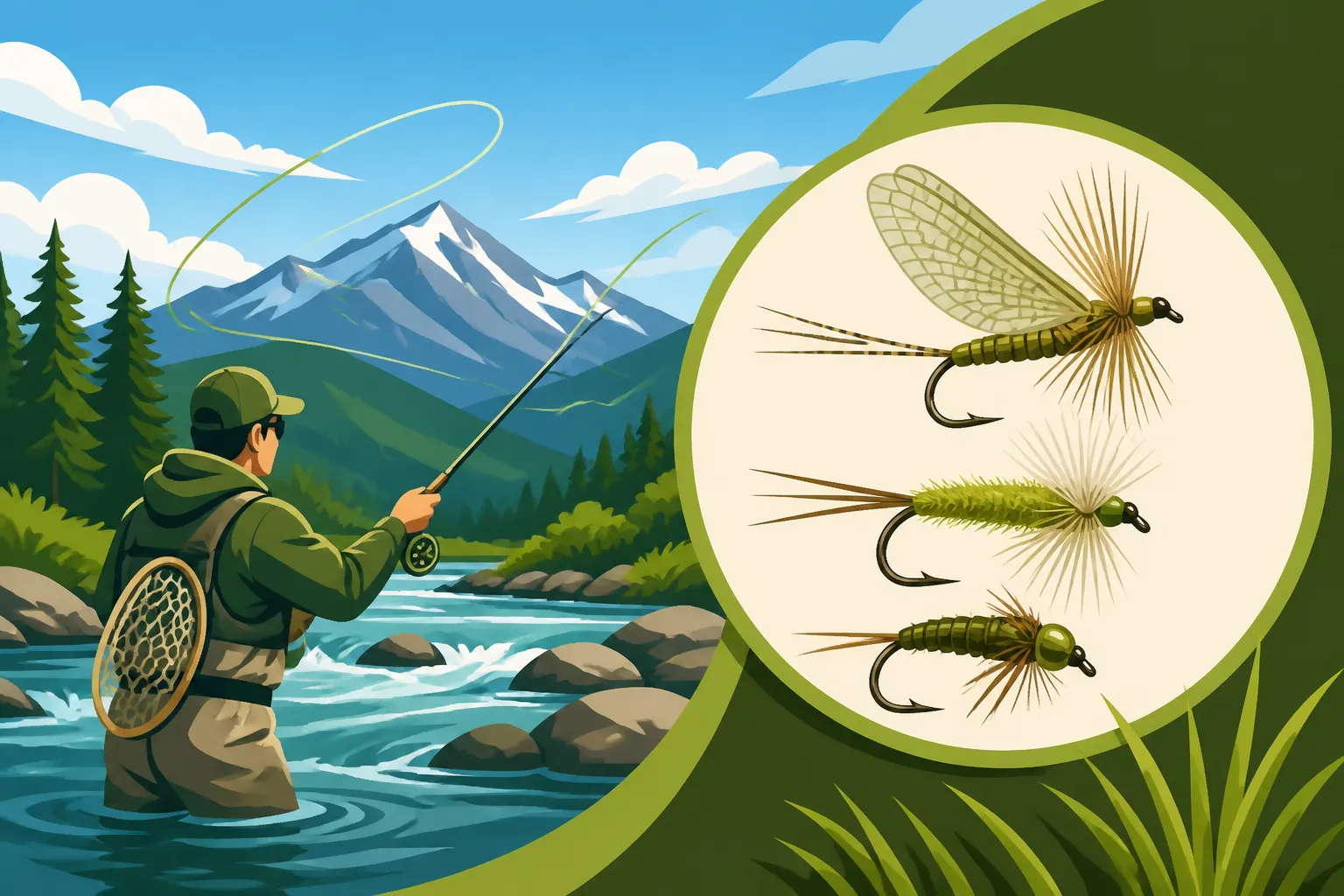
To successfully fish a Green Drake hatch, you need a diverse fly box that covers all stages of the insect's life cycle. Trout will often key in on nymphs just before emergence, then shift to emergers struggling to break the surface film, and finally, devour the adult duns and spent spinners. Having patterns for each stage will drastically increase your chances of success.
Green Drake Nymph Patterns
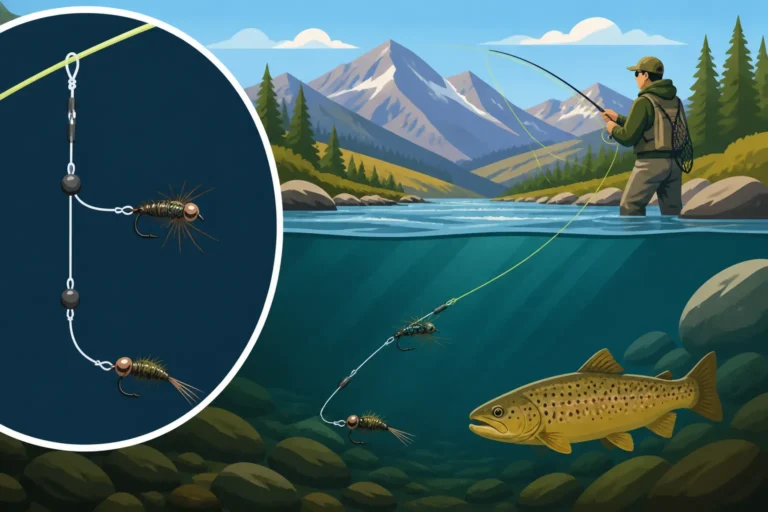
Even before the first adult drake pops, trout are often gorging on their nymphal stage beneath the surface. These nymphs are crawlers, moving slowly along the riverbed, and they become particularly vulnerable as they begin their ascent to the surface to emerge. This is often the first sign of a hatch coming on, and sometimes, even during a heavy surface hatch, the biggest fish are still eating nymphs.
- Hare's Ear Nymph: A classic for a reason, a dark Hare's Ear nymph in a size 10-12 can be a fantastic Green Drake imitation. It has the right buggy profile, shaggy texture, and a good balance of natural colors. Many anglers tie them with a darker hare’s mask for the thorax to suggest the darker wing case of an emerging insect.
- Green Drake Nymph (Specific Patterns): Look for more specific Green Drake nymph patterns tied with a prominent olive-green abdomen, a dark wing case, and often biots or goose primary feathers for legs and antennae. Patterns like the "Mercer's Green Drake Nymph" or "Barr's Green Drake Nymph" are popular choices. These are typically tied on a size 10-14 hook. These specialized patterns mimic the natural insect much more closely, especially when trout are being particularly finicky. You can often find a great selection of these on Amazon or at your local fly shop. When fishing these, a good Nymphing Techniques for Colorado Tailwaters approach, even on freestones, can be invaluable.
Green Drake Emerger Patterns
The emerger stage is perhaps the most critical and often the most frustrating. Trout feast on these insects as they struggle to break through the surface tension. They are vulnerable, exposed, and make for easy targets. However, because they are partially submerged, presentation and pattern choice are paramount. Trout can be incredibly selective, often refusing anything that doesn't perfectly imitate a struggling insect.
- Sparkle Dun (Green Drake): This pattern is an absolute essential. The Sparkle Dun uses a trailing shuck of Z-lon or Antron yarn to imitate the shuck the insect is emerging from, while deer hair forms the upright wing, simulating the dun's developing wings. It rides low in the water, perfectly mimicking a struggling emerger. Tie these in sizes 10-12, focusing on that distinctive green body.
- LaFontaine's Emerger (Green Drake): Gary LaFontaine's "Emergent Sparkle Pupa" concept translates beautifully to Green Drakes. This pattern suggests an insect caught just below the surface, its body visible and vulnerable. Its shaggy profile and submerged nature often fool trout that are ignoring more conventional dry flies.
- Cripples: A cripple pattern, often tied with a detached or crumpled wing, imitates an insect that has failed to fully emerge. These are prime targets for trout. Look for Green Drake Cripple patterns that feature a blend of green body materials and a prominent wing that might lay flat or slightly askew. Fishing emergers effectively sometimes requires a specific leader setup, so considering your Best Leader Length for Clear Tailwater Water can make a big difference.
Green Drake Dry Fly Patterns (Duns)
The Green Drake dun, with its large, upright wings, is the iconic image of this hatch. When trout are actively rising to these adults, it's one of the most exciting forms of fly fishing. The key here is not just size and color, but also flotation and profile.
- Hairwing Green Drake (e.g., Parachute Green Drake, Compara-Dun Green Drake): These are your workhorse dry flies. The Parachute Green Drake floats well and offers a great silhouette, with a calf hair or deer hair wing and a parachute post for visibility. The Compara-Dun uses a flared deer hair wing that lays back over the body, providing a realistic low-profile footprint on the water, which can be deadly on picky fish. These patterns typically come in sizes 10-12.
- Hackled Green Drake (e.g., Royal Wulff, Adams Variant): Sometimes, a heavily hackled pattern can ride higher and be more visible in turbulent water or during a heavier hatch. While not always a perfect match, a high-floating Royal Wulff variant with a green body or a large Adams with an olive-green body hackle can sometimes entice a fish, especially if the naturals are numerous and the trout are feeding aggressively. For Dry Fly Fishing Colorado's Freestone Rivers, a good hackled dry fly can be a lifesaver.
- Chernobyl Ant (Green Drake Version): Okay, hear me out. While not a precise imitation, a large foam Chernobyl Ant in a prominent green and white color scheme can sometimes trigger an opportunistic strike, especially if the trout are looking for something big and juicy. It's more of an attractor pattern, but don't discount its ability to tempt an aggressive fish during a strong hatch. It rides high and is easy to see, which is a huge bonus for the angler.
Green Drake Spinner Patterns
After mating, Green Drake adults (now called spinners) fall back onto the water, spent and dying. Their wings lay flat, resembling clear cellophane. These "spinner falls" can create another intense feeding frenzy, often in the late evening or early morning.
- Green Drake Spinner: This pattern typically features a distinct green or olive body and clear, splayed wings made from CDC, Z-lon, or fine deer hair. The key is that the wings lay flat on the water, replicating the deceased insect. Sizes 10-12 are standard. When the fish are sipping quietly and refusing everything else, a perfectly presented spinner can be the answer. These often require a delicate presentation on light tippet.
| Stage | Fly Pattern Name | Description / Best Use | Typical Sizes |
|---|---|---|---|
| Nymph | Mercer's Green Drake Nymph | Imitates the subsurface insect before emergence; effective when fish aren't rising. | #10-14 |
| Nymph | Hare's Ear Nymph (Dark) | General buggy imitation, good for initial stages or when naturals are sparse. | #10-12 |
| Emerger | Sparkle Dun (Green Drake) | Mimics insects struggling in the surface film; crucial during active emergence. | #10-12 |
| Emerger | LaFontaine's Emerger | Represents a subsurface emerger; great for picky fish that won't commit to duns. | #10-12 |
| Dun (Dry) | Parachute Green Drake | High-floating, visible, and effective imitation of the fully emerged adult. | #10-12 |
| Dun (Dry) | Compara-Dun Green Drake | Low-riding, realistic silhouette for wary trout in clear, calm water. | #10-12 |
| Spinner | Green Drake Spinner | Flat-winged imitation of the spent adult; deadly during evening or morning spinner falls. | #10-12 |
Tactics for Fishing a Green Drake Hatch
Having the right flies is only half the battle; knowing how to present them effectively is just as important. Green Drake hatches often occur on some of Colorado's most popular and challenging waters, where trout can be incredibly discerning.
Reading the Water and Observing Rises
Before you even think about casting, take some time to observe. What are the fish doing? Are they aggressively splashing at the surface, indicating a preference for duns or cripples? Or are they making subtle sips, perhaps indicating emergers just below the surface or delicate spinner falls? Are there naturals floating by, and if so, what stage are they in?
When you spot a rising fish, try to identify its rhythm. Is it rising consistently in one spot, or moving around? Is it a quick, decisive sip, or a slow, deliberate slurp? This observation will dictate your fly choice. If fish are rising, but you don't see any drakes on the surface, it’s a good bet they are keying in on emergers or nymphs. Reading Water on a Colorado Freestone River is a skill that pays dividends, especially during a hatch.
Presentation is Key
With large, selective trout, presentation needs to be spot-on. Long, drag-free drifts are paramount. The goal is to make your artificial fly look exactly like a natural insect floating helplessly down the current.
- Long Leaders and Fine Tippets: To achieve a drag-free drift and avoid spooking fish, use a longer leader (9-12 feet) and a light tippet (4X or even 5X if the fish are incredibly picky and the water is calm). Be mindful of your leader turnover, as casting a large fly on a very long leader can be tricky, especially in the afternoon wind that often kicks up in Colorado. You might find a good selection of tippet material and leader on Amazon from brands like Rio or Umpqua.
- Upstream and Up-and-Across Casting: These casts allow your fly to drift naturally into the fish's feeding lane before your line or leader. Mend your line judiciously to prevent drag. Often, the first cast is your best chance, so make it count.
- Targeting Specific Fish: During a heavy hatch, it can be tempting to cast wildly, but focus on individual rising fish. Once you identify a feeder, try to place your fly a few feet upstream of its position, allowing it to drift naturally into its feeding zone. If the fish continues to rise, but ignores your fly, change your pattern or adjust your presentation slightly.
Dealing with Picky Eaters
Green Drake hatches can be a frustrating mix of incredible action and maddening refusals. When trout get really selective, here are a few things to try:
- Change the Stage: If they're hitting duns but ignoring yours, switch to an emerger. If they're still refusing, try a nymph swung through the water column where the drakes are emerging.
- Adjust Size: Sometimes, even a slight variation in size (e.g., from a #10 to a #12) can make a difference.
- Check Your Tippet: Old, coiled, or damaged tippet can cause drag or shine, putting off wary trout. Fresh, quality tippet is always a good idea.
- Move: If a particular fish is truly uncatchable, don't waste all your time on it. There are usually other fish in the river, especially during a prolific hatch.
Essential Gear and Tips for Success
Beyond the flies themselves, having the right gear and a few practical tips can make a world of difference when chasing Green Drake-eating trout.
Rods, Reels, and Lines
For Green Drake fishing, you'll want a rod that can handle casting larger dry flies with precision, while still protecting light tippets.
- Fly Rod: A 9-foot, 5-weight or 6-weight fly rod is generally ideal. This length provides good line control for mending and casting distance, while the weight has enough backbone to cast larger, wind-resistant dry flies accurately. Your Best Rod Weight for Colorado Trout Fishing largely depends on the river size and average fish, but a 5wt is a versatile choice.
- Reel and Line: A standard fly reel that balances your rod is all you need. For line, a weight-forward floating line is a must for presenting dry flies effectively. Consider a line with a somewhat aggressive front taper to help turn over those larger patterns.
Accessories and Must-Haves
Don't forget these crucial items for a successful day on the water:
- Strike Indicators: While you're primarily dry fly fishing, if you find yourself needing to fish a nymph or emerger below the surface, a good strike indicator will be essential.
- Floatant and Desiccant: Green Drake dries can get waterlogged quickly. A good floatant (like Aquel or Tiemco Dry Shake) will keep your flies riding high. A desiccant like Frog's Fanny will help dry out and restore soggy patterns.
- Net: Once you hook into one of those large Green Drake-eating trout, you'll want a net to safely land and release it. Best Landing Net for Catch-and-Release Trout guides you on choosing the right one for minimal impact.
- Hemostats/Forceps: Essential for quick, safe hook removal.
- Polarized Sunglasses: Not only do they protect your eyes, but they'll help you spot rising fish and subsurface structure, giving you a huge advantage.
- Sunscreen and Hat: Colorado sun is intense, even in the late afternoon. Protect yourself.
- Water and Snacks: Staying hydrated and energized will keep you focused and comfortable on the river.
- Camera: You'll want to capture the memory of those beautiful Colorado trout and the epic hatch.
Etiquette and Safety during Peak Hatch
Green Drake hatches draw a crowd, and popular spots can get busy. Practicing good river etiquette is crucial. Give other anglers plenty of space. If you encounter a fishable run, always ask if anyone is working upstream. Remember, Colorado rivers can have strong currents, so always be mindful of your footing. For the safety of the fish, practice proper Catch-and-Release Rules on Colorado's Cutthroat Waters and know How to Handle Trout for a Safe Release to ensure they survive to fight another day.
Green Drake hatches are truly one of the most exciting and rewarding experiences in Colorado fly fishing. With the right flies in your box and a thoughtful approach to presentation, you'll be well-prepared to crack the code on these big, beautiful insects and the big trout that feed on them. Good luck out there, and tight lines!
Disclaimer
This article is for general informational purposes only and does not constitute professional advice. Laws, prices and regulations vary by location and change over time. Consult a qualified professional for guidance on your specific situation.