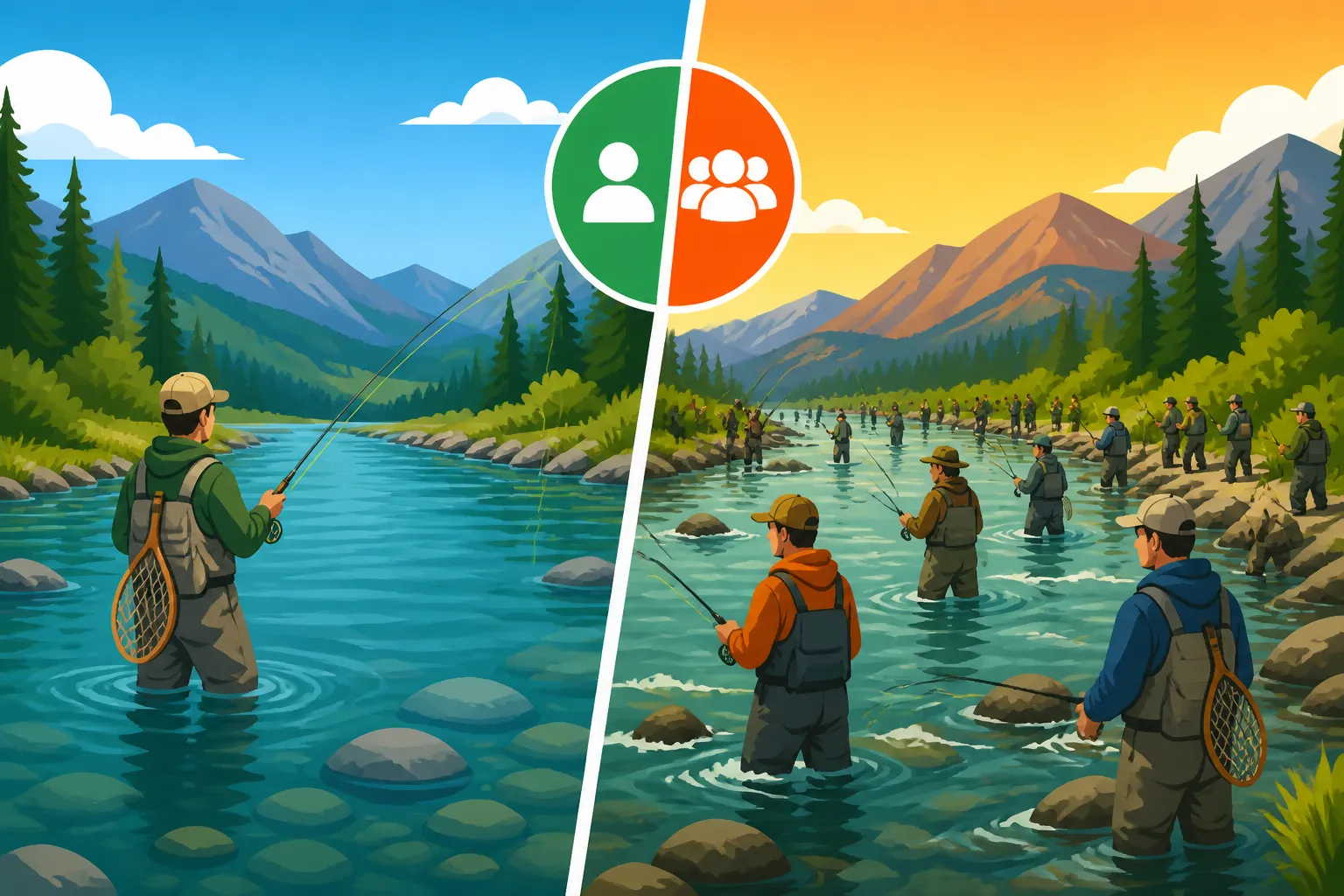
How Weekday vs Weekend Crowds Differ on Colorado Tailwaters
We've all been there: you wake up early, grab your gear, drive hours to your favorite river, only to find the parking lot overflowing and anglers elbow-to-elbow along the banks. It's a truly deflating experience, especially when you're looking for that peaceful escape only fishing can provide. This guide is all about helping you understand the stark difference between fishing Colorado's beloved tailwaters on a busy weekend versus the quieter, often more productive, weekdays, and how to plan accordingly for the best experience.
Understanding Colorado Tailwaters and Their Popularity
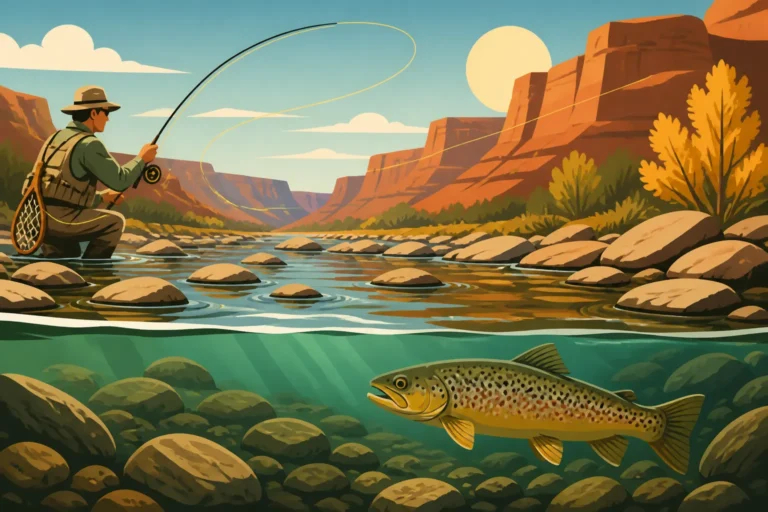
Colorado is blessed with an incredible network of rivers, but it's our tailwaters that often steal the spotlight, especially when it comes to consistent, year-round fishing opportunities. A tailwater is essentially the section of a river immediately downstream from a dam or reservoir. The water released from these dams comes from deep within the reservoir, which means it maintains a more stable temperature throughout the year compared to free-flowing rivers. This consistency is a massive draw for both trout and the anglers who pursue them.
What Makes Tailwaters So Appealing?
The magic of tailwaters lies in their consistent conditions. Because the water comes from the bottom of a large reservoir, it's typically colder in summer and warmer in winter than the surface water, creating an ideal environment for trout year-round. This stable temperature allows aquatic insect life to flourish, providing a rich, consistent food source for fish. Think of it: no extreme temperature swings, a steady supply of bugs, and often, nutrient-rich water flowing from the reservoir. This combination fosters robust fish populations, often leading to larger, healthier trout. Many of Colorado's most famous and productive stretches of river, often designated as Gold Medal Waters, are indeed tailwaters, like sections of the South Platte River or the Fryingpan River. This consistent bounty means anglers know they have a good shot at a productive day, regardless of the season.
Why Certain Tailwaters Draw Bigger Crowds
Not all tailwaters are created equal, and some, due to their reputation, accessibility, or fish size, become magnets for anglers. Rivers with a "Gold Medal" designation, for instance, are known for producing large trout consistently, and they naturally attract a lot of attention. Waters like the Fryingpan River below Ruedi Reservoir, or the renowned Dream Stream on the South Platte, are legendary for their prolific hatches and big fish. The easier a spot is to access – say, if it's just off a main highway with ample parking – the more likely it is to be crowded. This accessibility, combined with online fishing reports and word-of-mouth, quickly turns these places into popular destinations. It's a double-edged sword: fantastic fishing, but also the potential for heavy angler pressure. Understanding the specific rules for these waters, like those detailed in Colorado Gold Medal Water Regulations Explained, is crucial, as some have very particular restrictions designed to protect these precious fisheries.
The Weekend Warrior Phenomenon on Colorado Tailwaters
Weekends are when most people, constrained by work and school, can finally escape to the mountains. This convergence of free time means that popular fishing spots, especially the reliable tailwaters, can transform from tranquil havens into bustling angling arenas.
Expected Weekend Crowds and Their Impact
Imagine this: you pull into the parking lot before dawn, only to find it already half-full. As you walk to the river, you see headlamps dotting the banks. This is often the reality on a Saturday or Sunday at popular Colorado tailwaters. Every prime run, every deep hole, every riffle that normally holds fish, might already have an angler or two (or three) working it. The sheer number of people can put significant pressure on the fish, making them spookier and less willing to feed. You might find yourself having to cast over another angler's line, or constantly looking over your shoulder to see if someone is encroaching on "your" spot. This kind of competition can quickly erode the peaceful enjoyment we seek in fishing, turning a relaxing day into a test of patience. The river, which felt boundless on a Tuesday, now feels confined and competitive. You might also notice more inexperienced anglers, which can lead to tangled lines, loud conversations, and overall disturbance of the water.
Navigating Weekend Challenges
So, what do you do if your only window to fish is on a weekend? Don't despair, but do adjust your expectations and strategy. One of the best tactics is to embrace the "early bird gets the worm" mentality. Getting to the river well before sunrise can give you a precious hour or two of relatively unpressured fishing on a popular tailwater. Alternatively, consider fishing later in the day, after some of the morning crowds have packed up and headed home.
Another smart move is to explore less-known access points. While the main parking areas might be full, often a little walking, a bit of hiking, or even exploring trails slightly off the beaten path can lead you to quieter stretches. Before you go, studying maps of public access areas can really pay off. Some anglers even utilize apps or topographical maps downloaded from Amazon to find these hidden gems. You might also look into Colorado Fishing Season Dates and Bag Limits for specific species, as some seasons or closures might reduce pressure in certain areas. Remember, patience is key on a busy weekend; if your first spot is crowded, be willing to move and explore.
The Serenity (and Strategy) of Weekday Fishing
If your schedule allows, switching your fishing days to weekdays can drastically change your experience on Colorado's tailwaters. It's like having a different river altogether.
The Peace and Quiet of Weekday Angling
Imagine pulling into that same parking lot on a Tuesday morning and finding only a handful of cars. The river is quiet, the only sounds are the rush of water, the singing of birds, and perhaps the gentle hum of your own thoughts. This is the beauty of weekday fishing on Colorado's tailwaters. You'll find significantly fewer people, meaning you have more stretches of river to yourself, more room to cast, and less competition for prime fishing lies. This reduced pressure often makes the fish more comfortable and less wary, potentially leading to a more active bite.
The feeling of solitude is truly restorative. You can take your time, observe the water, and really get into a rhythm without feeling rushed or crowded. This isn't just about catching more fish (though that often happens); it's about the overall quality of the experience. It's about being immersed in nature, something that can be hard to achieve when you're sharing the bank with dozens of other anglers. For many, this peace and quiet is the very reason they fish.
Strategic Advantages of Weekday Trips
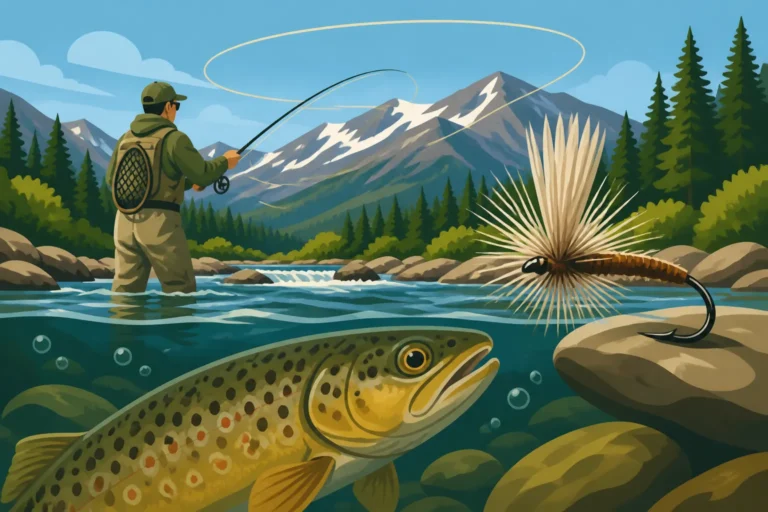
Beyond the sheer tranquility, fishing on weekdays offers several strategic advantages that can lead to better angling success. With fewer anglers on the water, you're more likely to have undisturbed access to those "honey holes" – the deep runs, prime feeding lanes, and complex currents where trout naturally congregate. You can spend more time working a single run, perfecting your drift, and trying different fly patterns without feeling the need to rush or move on because someone else is waiting.
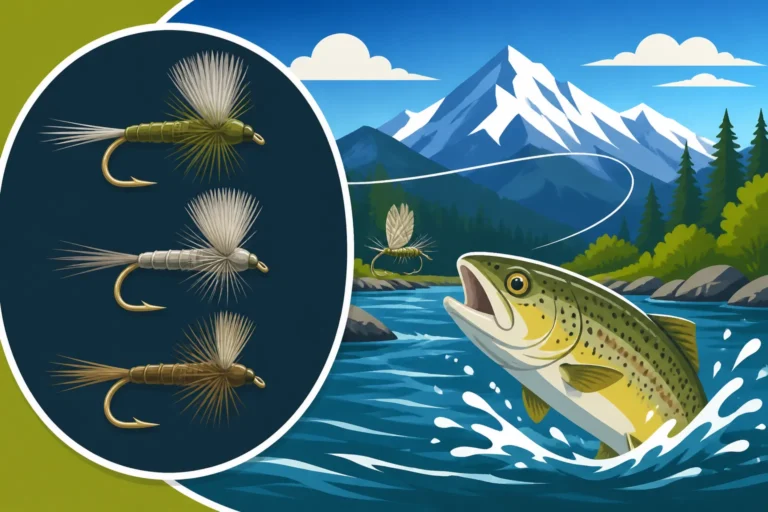
The fish, being less pressured, might also be less selective, offering you a wider window of opportunity to present flies or lures. Longer undisturbed drifts become possible, which is particularly beneficial for nymphing or dry fly presentations where a natural, long drift is paramount. If you're working on Nymphing Techniques for Colorado Tailwaters, for example, having ample space and time to practice your mend and drift can be invaluable. You'll often find that even highly technical waters become a bit more forgiving when the angler pressure is low. Plus, if you're traveling a bit for your fishing trip, roads will likely be less congested, and you might even find better availability or prices for lodging if you choose to stay overnight.
Planning Your Tailwater Trip for Optimal Experience
To truly maximize your time on Colorado's incredible tailwaters, a bit of strategic planning goes a long way. It's not just about deciding between Saturday and Tuesday; it's about understanding the nuances that contribute to a great day on the water.
Factors Beyond Day of the Week
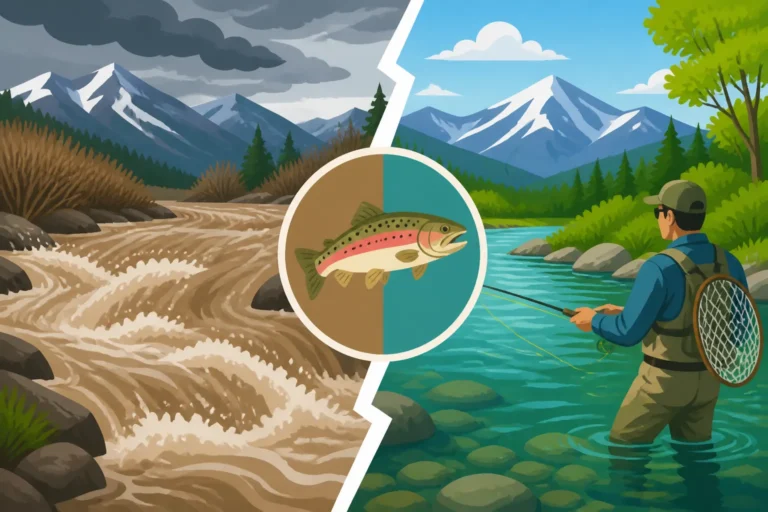
While weekdays generally offer fewer crowds, other variables significantly influence your fishing experience. The season plays a huge role; spring runoff can make many rivers unfishable, while late fall can see spawning fish that attract intense angler interest (and require careful handling). Understanding When Colorado's Spring Runoff Hits and How to Fish Around It is crucial, as some tailwaters remain fishable even then.
- Time of Year: Peak summer often means more tourists and families, regardless of the day. Fall can be incredibly beautiful and productive for brown trout, but also draws many anglers. Winter, while cold, can offer some of the most solitary and rewarding fishing, especially on tailwaters that remain ice-free.
- Weather Conditions: A bluebird, sunny Saturday might be gorgeous, but a cooler, overcast day, even on a weekend, can deter some fair-weather anglers and make for better fishing. Keep an eye on the forecast and consider how it might affect both fish behavior and angler turnout.
- Specific River Conditions: Water flows are critical. High flows after heavy rains or dam releases can spread out fish and make wading difficult. Low, clear flows can make fish spooky. Checking river flow gauges before you go is a smart move. You can often find this information through local fly shops or online resources.
Tools and Resources for Crowd Avoidance
Modern technology and local knowledge are your best friends in avoiding crowded waters.
- Colorado's Fishing Atlas: The Colorado Parks and Wildlife (CPW) offers an incredible online How to Read Colorado's Fishing Atlas Shows You. This interactive map details public access points, fishing regulations for specific stretches, and often includes information on fish species present. Spending some time with this tool can reveal lesser-known access points or sections of a popular river that require a bit more effort to reach, thereby reducing angler traffic.
- Local Fly Shops: These are goldmines of real-time, ground-level information. Give a local fly shop a call a day or two before your trip. They'll know exactly how crowded certain stretches have been, what's hatching, and what the water conditions are like. They often also have information about less-pressured areas.
- Online Forums and Social Media Groups: While sometimes contributing to the "secret spot" problem, fishing forums and local social media groups can sometimes offer anecdotal evidence about crowd levels or tips for avoiding them. Just be wary of asking for "secret spots" directly, as most anglers are protective of them.
- Maps and Apps: Detailed topographical maps (many available digitally or as physical copies on Amazon) can help you identify remote trails or alternative access points that might require a bit of a hike, but could lead to complete solitude. Planning your route and having backup options is always a good idea. Looking up Colorado Fishing License Guide for Residents and Nonresidents and other regulations ensures you're prepared.
By combining the knowledge of weekday advantages with smart planning and the right resources, you can significantly enhance your chances of finding that perfect, peaceful fishing experience on Colorado's exceptional tailwaters.
Weekday vs. Weekend Fishing on Colorado Tailwaters: A Comparison
| Feature | Weekday Fishing | Weekend Fishing |
|---|---|---|
| Crowd Levels | Significantly lower, often sparse | High, especially on popular waters |
| Angler Pressure on Fish | Low, fish tend to be less wary | High, fish can become very spooky and selective |
| Access to Prime Spots | Easier to find open runs and holes | Competition for desirable spots is intense |
| Overall Ambiance | Peaceful, quiet, serene | Busy, potentially noisy, competitive |
| Wading & Casting Room | Ample space for comfortable fishing | Limited space, potential for tangles with others |
| Productivity | Often higher due to less pressure | Can be lower, fish are often more challenging |
| Flexibility | More options for moving and exploring | May require more patience and waiting |
| Travel & Logistics | Less traffic on roads, easier parking | More traffic, crowded parking lots |
Ultimately, the choice between fishing on a weekday or a weekend depends on your personal priorities and what you seek from your time on the water. If solitude, less pressure, and a potentially more productive experience are your goals, weekdays are undeniably superior. However, if weekends are your only option, a strategic approach, early starts, and a willingness to explore can still lead to a rewarding day. Remember, the true joy of Colorado fishing often lies not just in the catch, but in the experience itself. So grab your gear, maybe check out How to Set the Hook on a Take in Fast Water if you expect some feisty fish, and go make some memories!
Disclaimer
This article is for general informational purposes only and does not constitute professional advice. Laws, prices and regulations vary by location and change over time. Consult a qualified professional for guidance on your specific situation.