Largemouth Bass in Colorado
Many anglers coming to Colorado, or even those who've lived here for years, often assume our waters are solely the domain of trout. While it's true that our state is a fly-fishing paradise with incredible trout streams, overlooking the fantastic warmwater fishing opportunities, especially for species like largemouth bass, means missing out on some truly exciting action. This guide is dedicated to shedding light on the often-underappreciated world of largemouth bass fishing across Colorado, helping you discover where these feisty fish hide and how to reel them in.
Where Largemouth Bass Thrive in Colorado's Waters
When you think of largemouth bass, you might picture murky, lily-pad-filled ponds in the deep South. While Colorado certainly has its share of clear, cold mountain lakes, it also boasts numerous reservoirs, ponds, and slower-moving river sections that provide ideal habitat for largemouth bass to grow big and strong. It's all about finding those warmer, often shallower, nutrient-rich waters.
Front Range Reservoirs and Urban Ponds
Along the Front Range, from Fort Collins down through Denver and Colorado Springs, you'll find a surprising number of urban and suburban fisheries managed by Colorado Parks and Wildlife (CPW) that hold thriving largemouth bass populations. These aren't always the pristine mountain settings, but they offer incredibly convenient and often productive fishing. Think about those community ponds you might drive past every day – many of them are carefully stocked and managed for warmwater species. These urban waters are a fantastic place for anglers of all skill levels, from beginners looking to catch their first bass to seasoned pros honing their techniques without a long drive. Colorado's Urban Fishing Program License Rules are particularly relevant for these accessible spots.
A great example is the multitude of smaller lakes and ponds within the Denver metro area, like Sloan's Lake or Cherry Creek Reservoir, which offer excellent opportunities. While Cherry Creek is vast and also known for its walleye and other species, its shallower coves and areas with submerged vegetation create perfect ambushes for largemouth. Similarly, many smaller state wildlife areas and county parks have ponds specifically managed for warmwater fish. It's worth exploring the CPW's fishing atlas or local park district resources to find these hidden gems, as some might surprise you with their quality of fishing.
Western Slope and Plains Impoundments
Don't think the bass action is limited to the populated Front Range. Head west or east, and you'll find even more fantastic opportunities. On the Western Slope, particularly in warmer, lower elevation areas, reservoirs like Highline Lake State Park near Fruita or Mack Mesa Reservoir offer excellent largemouth fishing. These waters often have extensive shallow areas, brush, and structure that largemouth absolutely adore, especially during the warmer months. They might not be as famous as some of Colorado's trout fisheries, but they certainly deliver on the excitement factor.
Out on the Eastern Plains, where the landscape flattens and rivers slow, numerous irrigation reservoirs become havens for largemouth bass. Lakes such as Adobe Creek Reservoir (also known as Blue Lake) near Las Animas or John Martin Reservoir State Park are known for their strong populations of various warmwater species, including healthy largemouth. These areas might require a bit more travel for many Colorado residents, but the reward can be big fish and less crowded waters, offering a different kind of angling experience. It's a testament to Colorado's diverse aquatic environments that such different ecosystems can all support quality bass fishing.
Essential Gear and Techniques for Largemouth Bass
Catching largemouth bass is a blend of art and science, requiring the right tools and a knack for presentation. Unlike the subtle takes often associated with trout, bass strikes can be explosive and incredibly exhilarating. Having the right setup not only increases your chances of success but also makes the fight more enjoyable.
Rods, Reels, and Line Selection
For largemouth bass, you're generally going to want a medium-heavy to heavy power spinning or baitcasting rod, typically in the 6'6" to 7'6" range. The power (how much force it takes to bend the rod) is crucial for setting the hook through tough, bony bass mouths and for pulling fish out of heavy cover like weeds or submerged timber. The action (where the rod bends) is often moderate-fast to fast, providing sensitivity for detecting subtle bites and enough backbone for powerful hook sets. For reels, a 2500-4000 series spinning reel or a baitcasting reel with a good gear ratio (around 6.x:1 or 7.x:1) will serve you well. Many anglers prefer baitcasters for their accuracy when pitching lures into tight spots and their power for battling larger fish.
When it comes to line, you have a few options, and many anglers even use different types for different techniques. Monofilament line (mono) is a classic choice, offering stretch that can be forgiving, especially if you're battling a jumping bass. Fluorocarbon line (fluoro) is nearly invisible underwater and has less stretch than mono, providing excellent sensitivity and direct contact with your lure. This is great for bottom contact baits. Braided line is incredibly strong, has almost no stretch, and is fantastic for fishing in heavy cover where you need to cut through weeds or yank a fish out quickly. A common setup might be braided main line with a fluorocarbon leader, offering the best of both worlds. You can find a vast array of these lines and reels on Amazon, often with reviews that can help you choose the right strength and type for your needs.
Lures and Baits That Entice Largemouth
Largemouth bass are opportunistic predators, and a wide variety of lures can trigger a strike. Understanding what a bass is likely to be feeding on, or what might annoy them into striking, is key. Soft plastics are incredibly versatile. Think Texas-rigged worms, Senkos, creature baits, and swimbaits. These can be fished weedless in heavy cover, mimicking various prey items from crawfish to baitfish. A simple weightless Texas-rigged plastic worm, allowed to slowly sink, can be deadly around submerged structure.
Hard baits also have their place. Crankbaits, both shallow and deep diving, are excellent for covering water and mimicking fleeing baitfish. Jerkbaits are fantastic for suspended bass, offering an erratic, stop-and-go action that can drive bass crazy. Topwater lures, like poppers, frogs, and buzzbaits, provide some of the most exciting strikes in fishing, especially during low-light conditions when bass are cruising the surface. Remember, largemouth love cover and structure, so target areas with lily pads, cattails, submerged trees, rock piles, or docks. Presenting your lure accurately and patiently in these spots will often yield results. Again, Amazon has an enormous selection of these lures, and you can stock up on different colors and styles to match the conditions.
Best Times and Seasons to Target Largemouth
Just like any fish species, largemouth bass behavior is heavily influenced by water temperature and seasonal changes. Knowing when and where to find them throughout the year can make a huge difference in your success rate. Colorado's distinct seasons mean you'll need to adapt your approach.
Spring: Pre-Spawn and Spawning Frenzy
Spring in Colorado is a prime time for largemouth bass, starting with the pre-spawn period. As ice leaves the lakes and water temperatures begin to rise into the 40s and 50s Fahrenheit, bass move out of their deeper winter haunts and start migrating towards shallower, warmer waters. They're hungry and looking to bulk up before the taxing spawning process. This is when they'll aggressively hit crankbaits, spinnerbaits, and even jig and trailer combinations as they search for food. Focus on northern coves and shallow flats that warm up fastest.
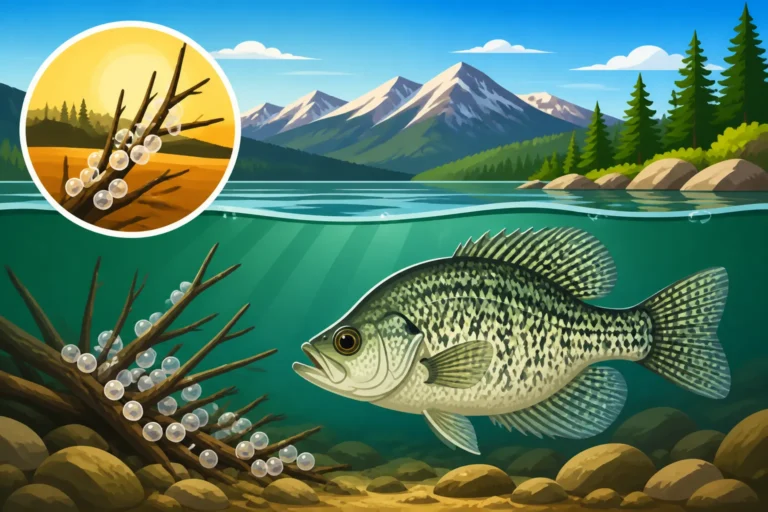
As water temperatures climb into the high 50s and low 60s, the spawning period begins. Male bass will fan out circular nests in shallow, protected areas, often near submerged logs, rocks, or vegetation. Females will move in to lay eggs, and both parents (but especially the males) become incredibly protective of these nests. During this time, sight fishing for bedding bass with soft plastics like Senkos or lizards can be very effective, as the bass will often strike to move the "intruder" away from their nest. It's crucial during this sensitive time to practice catch-and-release to ensure the successful reproduction of the species. Remember that Rainbow and Cutthroat Spawning Season in Colorado is quite different in timing and behavior compared to warmwater species.
Summer: Post-Spawn and Warm Water Patterns
Once the spawn is over and water temperatures rise into the 70s and 80s, largemouth bass transition into their summer patterns. Post-spawn can be a bit tricky as females recover, but both sexes will eventually settle into consistent feeding routines. During the hottest parts of summer, bass often become more nocturnal or crepuscular, meaning they'll be most active during dawn, dusk, and even at night. During the day, they'll seek out shade and cooler water, often deep in heavy cover, under docks, or in thermoclines in deeper reservoirs.
Summertime fishing often involves targeting dense vegetation with weedless frogs or punching jigs through thick mats of lily pads. Early mornings and late evenings are excellent for topwater action, using buzzbaits or poppers along the edges of weed lines. During the bright, hot midday, try flipping jigs or Texas-rigged plastics into the darkest, most secluded cover you can find. This is also a good time for deep diving crankbaits or Carolina rigs in deeper sections of larger reservoirs where bass might be holding on submerged structure. Keeping an eye on localized weather and water temperatures will be your best friend during these months.
Fall and Winter: Transition and Ice Fishing
As fall colors emerge and water temperatures begin to drop, largemouth bass go through another feeding frenzy, much like the pre-spawn. They know winter is coming, and they need to pack on calories. This can be one of the best times for catching bigger bass, as they become incredibly aggressive. Crankbaits, spinnerbaits, and jerkbaits worked along points and channel swings can be very effective as bass chase baitfish that are also schooling up. They'll follow the dropping water temperatures and baitfish into deeper staging areas before winter fully sets in.
Winter fishing for largemouth in Colorado is primarily an ice fishing affair, where available. Once lakes freeze over, largemouth bass become much less active, but they can still be caught. You'll need to find them in deeper, calmer areas, often near submerged structure or weed edges that still have some green growth. Small jigs tipped with live bait like minnows, or small spoons, fished slowly through the ice can tempt a sluggish bass. Patience is key, as bites will be very subtle. Not all Colorado waters are suitable or safe for ice fishing, so always check local conditions and regulations before venturing out. For those interested in this unique challenge, Ice Fishing in Colorado, Getting Started provides excellent foundational advice.
| Season | Water Temperature Range (F) | Key Locations to Target | Go-To Lures/Techniques | Key Behavior |
|---|---|---|---|---|
| Early Spring | 40s – Low 50s | Northern coves, shallow flats | Lipless crankbaits, spinnerbaits, jigs | Bass move shallow from winter haunts, actively feeding to gain energy. |
| Late Spring | Mid 50s – Low 60s | Spawning flats, protected pockets | Soft plastics (Senkos, lizards), jigs | Spawning activity, bass are protective of nests. Often found in very shallow water. |
| Summer | 70s – 80s | Heavy cover, deep structure, shade | Topwater (frogs, poppers), punching jigs, deep crankbaits | Seek shade and cooler water, more active at dawn/dusk. Can be found deep during midday. |
| Fall | Mid 60s – Low 50s | Points, channel swings, weed lines | Crankbaits, spinnerbaits, jerkbaits, swimbaits | Aggressive feeding period before winter, chasing baitfish. |
| Winter | Low 40s – 30s | Deep basins, submerged structure | Small jigs, spoons, live minnows | Less active, slower metabolism. Bites are subtle and often require precise presentation, mainly via ice fishing where permitted. |
Understanding Largemouth Bass Regulations in Colorado
Fishing for largemouth bass in Colorado isn't just about finding the fish and casting your line; it's also about understanding and respecting the regulations set forth by Colorado Parks and Wildlife (CPW). These rules are in place to manage fish populations, ensure sustainable fishing for future generations, and protect the delicate balance of our aquatic ecosystems. Ignoring them can lead to fines and penalties, and more importantly, it can harm the very resource we all enjoy. Always consult the current Colorado Fishing Regulations brochure before heading out, as rules can vary by specific body of water and change annually. Colorado Fishing Regulations Every Angler Should Know is a good starting point.
General State-Wide Regulations
While specific regulations can vary dramatically from one body of water to another, there are some general principles that apply to largemouth bass across Colorado. Most commonly, you'll encounter a daily bag and possession limit. This specifies how many fish of a particular species you can legally keep in a single day, and how many you can have in your possession (which includes fish at home in your freezer). For largemouth bass, this limit is often quite conservative, designed to protect the breeding stock and allow fish to reach mature sizes. It's not uncommon to see limits of 1 or 2 bass, with specific length restrictions.
Some waters might have "slot limits," which are regulations that specify a range of fish lengths that must be immediately released. For example, a regulation might state that all largemouth bass between 12 and 15 inches must be released, but you can keep one fish under 12 inches and one fish over 15 inches. These are designed to protect the mid-sized, actively spawning fish and encourage the growth of larger trophy fish. Always measure your fish carefully and accurately before deciding to keep it. Remember, you'll need a valid Colorado Fishing License Guide for Residents and Nonresidents and often a Colorado's Habitat Stamp, Explained before you even cast a line.
Water-Specific Regulations and Special Rules
It cannot be stressed enough that you must check the specific regulations for the lake, reservoir, or pond you plan to fish. CPW manages each body of water individually, tailoring rules to its unique ecology and fishing pressure. A lake known for producing trophy bass might have very restrictive catch-and-release rules or slot limits to protect those larger fish. Conversely, a pond that is overpopulated with smaller bass might have a more liberal bag limit to encourage anglers to remove fish and improve the overall health of the population.
For instance, some urban waters that are heavily stocked might have different rules than a remote reservoir on the Western Slope. Regulations can include length limits, daily bag limits, and even tackle restrictions (e.g., artificial lures only, or bait restrictions). It’s also crucial to distinguish between daily limits and possession limits. A daily limit applies to the fish you keep in a 24-hour period, while a possession limit applies to all fish you have in your control. Familiarize yourself with the concept of Possession Limits vs Daily Limits in Colorado to avoid any issues. Always grab a current regulations brochure from a CPW office, a sporting goods store, or download it from the CPW website. It's your best friend in staying legal and responsible on the water.
The Future of Largemouth Bass in Colorado
The presence and prosperity of largemouth bass in Colorado reflect an ongoing commitment to diverse fishing opportunities. While trout often steal the spotlight, the health of our warmwater fisheries, including those for largemouth bass, is a vital part of the state's angling landscape. This future depends on continued management efforts, angler participation, and responsible practices.
Conservation and Management Efforts
Colorado Parks and Wildlife actively manages many of the state's warmwater fisheries to ensure healthy and sustainable populations of largemouth bass. This includes strategic stocking programs, habitat improvement projects, and the implementation of specific regulations like slot limits, which we discussed earlier. Stocking isn't just about putting fish in a pond; it's a science, involving careful consideration of genetics, disease prevention, and the carrying capacity of each body of water. Habitat improvements might involve adding submerged structure like brush piles or artificial habitat units to provide cover and ambush points for bass, which in turn helps them grow and thrive.
Furthermore, CPW constantly monitors bass populations through surveys and angler creel censuses to assess their health and adjust management strategies as needed. This adaptive management approach ensures that if a population is struggling, measures can be put in place to help it recover, or if a fishery is excelling, it can be maintained. How Colorado Decides Which Species to Stock Where is a complex process that balances ecological needs with angler desires. The goal is to provide quality fishing experiences for current anglers while safeguarding the resource for future generations.
Angler Engagement and Responsible Practices
The future of largemouth bass fishing in Colorado isn't solely in the hands of wildlife agencies; it also heavily relies on the ethics and actions of anglers themselves. Practicing responsible catch-and-release, especially for larger breeding fish, is paramount. Knowing How to Handle Trout for a Safe Release, principles that largely apply to bass, can significantly increase a fish's survival rate. This means minimizing handling time, keeping the fish in the water as much as possible, using barbless hooks where appropriate, and reviving a tired fish before releasing it.
Participating in local fishing clubs, conservation groups, or even simply reporting your catches (when requested) to CPW can contribute valuable data and support for warmwater fisheries. Respecting private property, packing out all trash, and educating fellow anglers are also crucial. The more anglers who understand and practice ethical fishing, the healthier our bass populations will be. By taking care of these resources, we ensure that the thrilling tug of a largemouth bass on the end of your line remains a vibrant part of the Colorado fishing experience for years to come. Remember, even purchasing gear from retailers like Amazon can indirectly support the industry that often partners with conservation efforts.
Disclaimer
This article is for general informational purposes only and does not constitute professional advice. Laws, prices and regulations vary by location and change over time. Consult a qualified professional for guidance on your specific situation.