What Brown Trout Eat as They Get Larger
Colorado brown trout shift from eating tiny plankton and aquatic insects to crayfish and scuds as they grow larger.
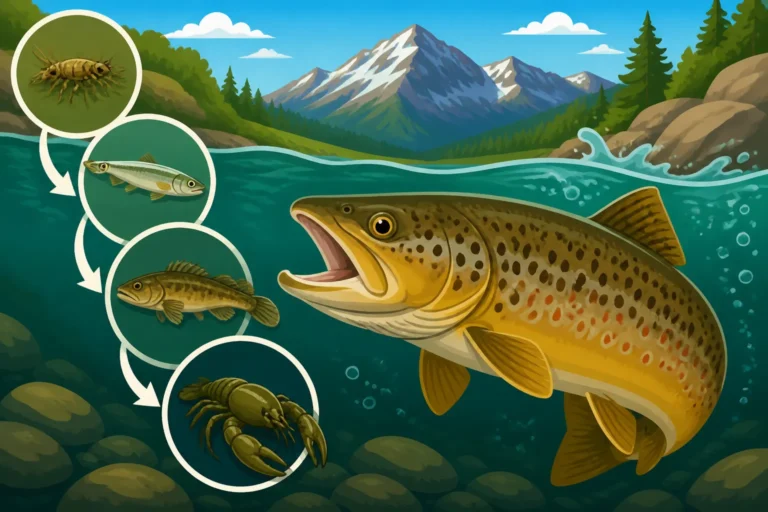
Colorado brown trout shift from eating tiny plankton and aquatic insects to crayfish and scuds as they grow larger.
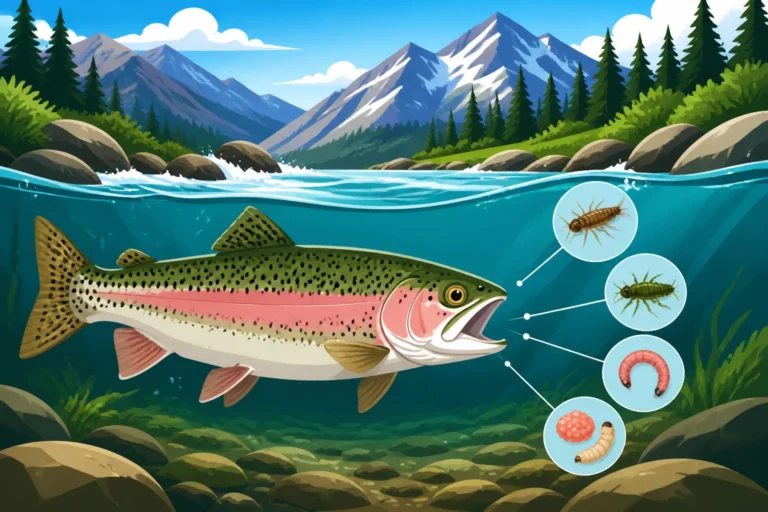
Colorado rainbow trout eat midges, grasshoppers, and nymphs in rivers, acting as opportunistic eaters with adaptable diets.
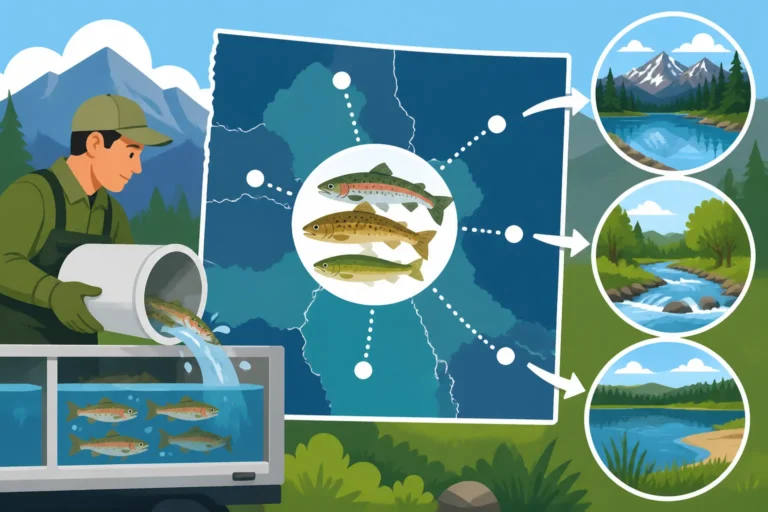
Colorado Parks and Wildlife uses water temperature, elevation, and angler feedback to decide which fish species to stock.
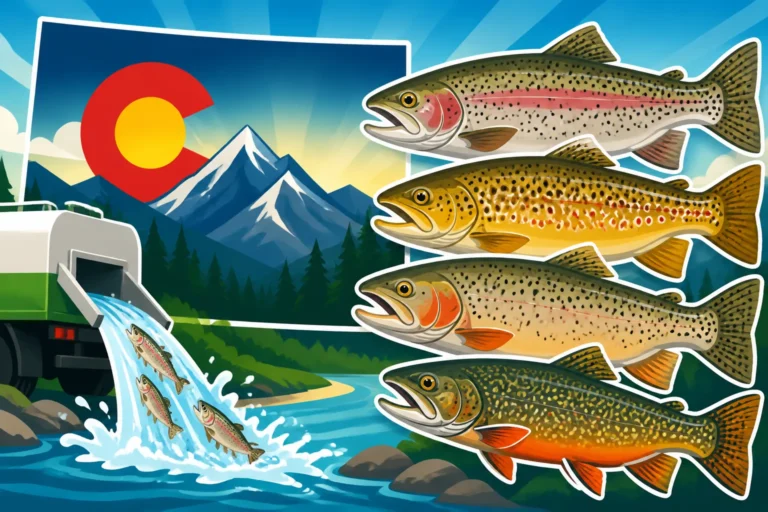
Rainbow trout are the most frequently stocked fish in Colorado waters by parks and wildlife programs to support anglers.
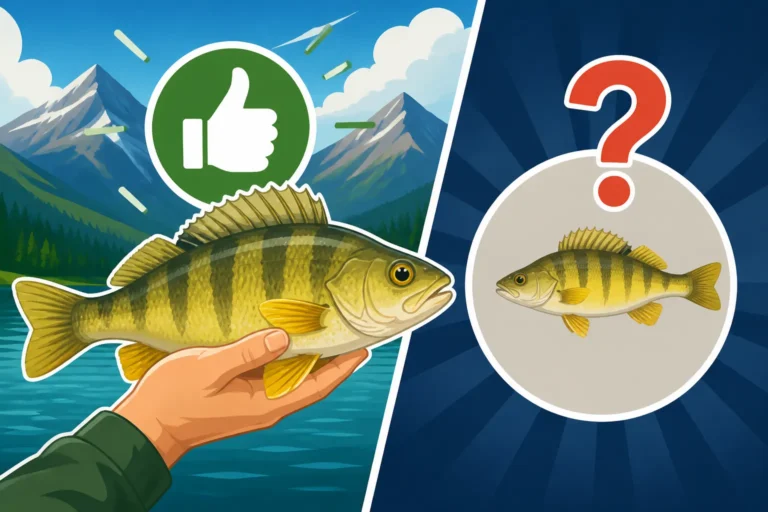
Colorado yellow perch sizes, preferred eating dimensions, and filleting expectations for anglers seeking quality table fare.
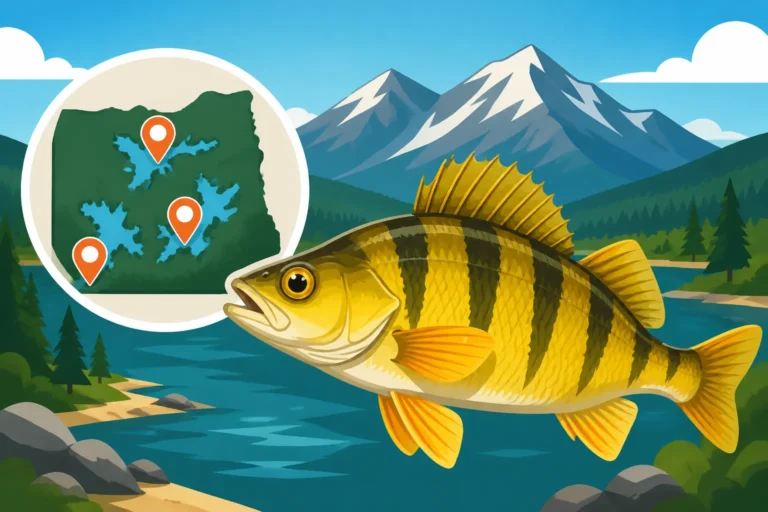
Colorado reservoirs and lakes hold yellow perch, giving families consistent action, delicious table fare, and fun fishing.
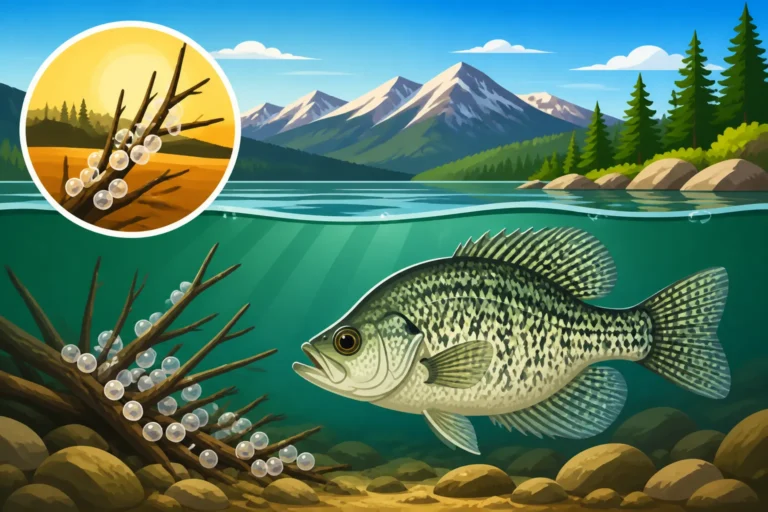
Crappie spawning in Colorado lakes occurs when water temperatures consistently reach fifty-five to sixty-five degrees Fahrenheit.
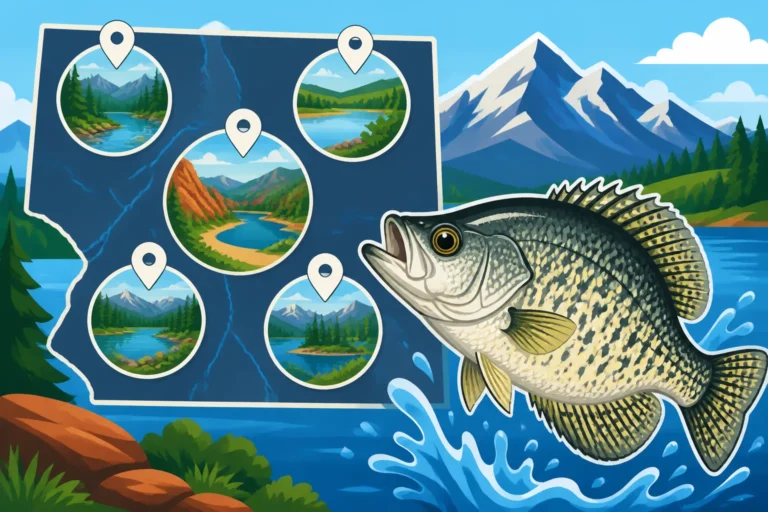
Colorado crappie fishing locations, including Pueblo Reservoir, provide habitat habits for black and white crappie species.
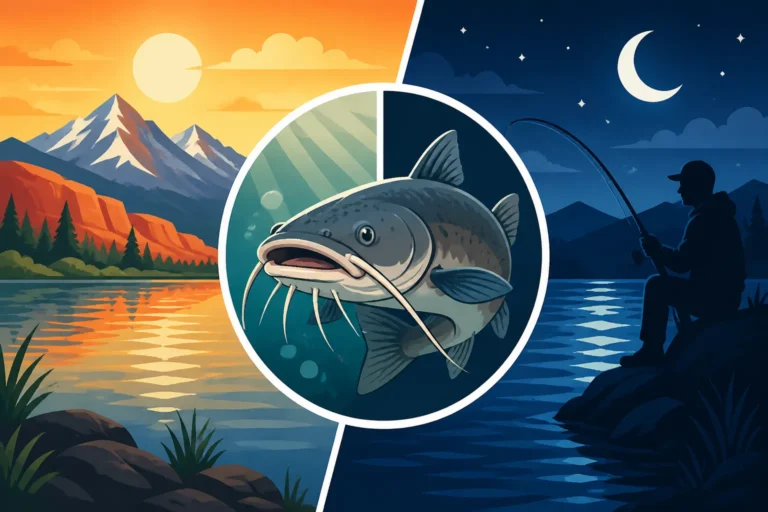
Catfish activity in Colorado after dark, driven by biological rhythms and cooling water temperatures, improves fishing success.

Colorado channel catfish growth potential, average sizes, trophy dimensions, and the 42-pound state record from Karval Reservoir.