Guided Trips on the Colorado River’s Gold Medal Water
The thought of fishing Colorado's legendary Gold Medal waters can be incredibly exciting, but also a little daunting. These aren't just any stretches of river; they are renowned for big, healthy trout, which often means they're complex and can be challenging to navigate successfully on your own. This guide will help you understand how a guided trip on the Colorado River's Gold Medal sections can transform a potentially overwhelming experience into an unforgettable angling adventure.
What Makes the Colorado River's Gold Medal Water So Special for Anglers?
Colorado is blessed with an incredible abundance of diverse fisheries, but its Gold Medal waters stand in a league of their own. For many anglers, the dream is to land a truly impressive trout, and these designated sections are where those dreams often come true. It’s not just about the beauty of the landscape, though that’s certainly a huge part of the allure, but about the unparalleled quality of the fishing itself.
Understanding Gold Medal Designation
What exactly does "Gold Medal Water" mean in Colorado? It's a special designation given by Colorado Parks and Wildlife (CPW) to specific rivers and streams that consistently provide outstanding angling opportunities for large trout. To earn this prestigious title, a stretch of water must meet stringent criteria: it has to produce at least 60 pounds of trout per acre and a minimum of 12 trout per acre that are 14 inches or longer. Think about that for a moment – these aren't just places with some trout; these are places where the trout population is thriving, and a significant portion of those fish are truly impressive in size.
Trying to find these precise spots, understand the seasonal variations, and know the specific conditions that make them "gold" can be a frustrating exercise for anyone not intimately familiar with the river. You might spend days scouting, casting, and still come up empty-handed, wondering if you're even in the right place or using the right fly. This is where the value of local expertise really shines through, removing much of that guesswork and anxiety. You can read more about what makes these areas so special in Colorado Gold Medal Water Regulations Explained.
The Colorado River's Unique Character in Gold Medal Sections
The Colorado River offers several stretches of Gold Medal water, each with its own personality and challenges. From the stunning canyons near Kremmling to the majestic flows through Glenwood Canyon, these sections are characterized by a dynamic mix of riffles, runs, deep pools, and undercut banks. This varied topography creates ideal holding lies for trout, offering them protection, abundant food, and prime ambush points. The river's flow can change dramatically with the seasons – from roaring spring runoff to crystal-clear autumn flows – each presenting different angling puzzles.
In these Gold Medal sections, you'll primarily encounter robust populations of brown trout and rainbow trout, often with a smattering of cutbows (a hybrid of rainbow and cutthroat). Brown trout, known for their aggressive nature and beautiful coloration, thrive in the complex structure of the river. Rainbows, often stocked and sometimes wild, provide spirited fights and are a consistent target. The sheer size and health of these fish are a direct result of the rich aquatic insect life and favorable river conditions found here. Navigating these sections on your own, especially if you're unfamiliar with the intricacies of reading river currents and identifying prime holding water, can be a major challenge, often leading to missed opportunities. Check out more specific details on the river in Colorado River Fishing From Glenwood Canyon to Kremmling.
Why Choose a Guided Trip for Colorado River Gold Medal Water?
If you've ever dreamt of tackling a world-class fishery but felt intimidated by the logistics, a guided trip is often the answer. It’s more than just someone showing you where to cast; it’s an immersive experience designed to maximize your success and deepen your understanding of the river. For waters as complex and rewarding as the Colorado River's Gold Medal stretches, a guide truly levels the playing field, making world-class fishing accessible to everyone from novices to seasoned anglers.
Local Knowledge and Expertise
Let’s be honest: the internet can tell you where the Gold Medal waters are, but it can’t tell you how to fish them today. That's where a local guide becomes invaluable. These professionals spend countless days on the water, intimately learning the river's moods, the subtle shifts in hatches, and the secret spots where trophy trout consistently hold. They understand how water flows impact fish behavior, how a sudden weather change can alter the bite, and precisely which flies or lures are generating strikes at any given moment.
Imagine arriving at the river, unsure where to start, while your guide already knows exactly where the fish are hiding based on the current conditions, time of year, and recent reports. They can spot the subtle eddies, the perfect riffle seams, or the deep pools that hold the biggest fish – knowledge that often takes years to acquire on your own. This isn't just about catching fish; it's about learning the nuanced language of the river from someone who speaks it fluently. Without this local insight, you could spend an entire day casting fruitlessly, never quite connecting with the best opportunities the river has to offer.
Gear, Techniques, and Safety Provided
One of the biggest hurdles for many aspiring anglers, especially those visiting Colorado, is acquiring the right gear. Waders, boots, rods, reels, lines, and an endless array of flies or lures – it can be a significant investment and a logistical nightmare to transport. Many guided trips eliminate this barrier entirely by providing all the necessary, high-quality equipment. You simply show up with your license and appropriate clothing, and your guide has everything else covered. This is particularly beneficial for beginners who might not want to commit to expensive gear right away or for travelers who can't easily bring their full setup.
Beyond just providing the tools, a guide is a phenomenal instructor. They can teach you effective techniques for nymphing through deep runs, presenting a delicate dry fly to a rising fish, or stripping streamers for aggressive brown trout. They'll help you refine your cast, understand how to mend your line, and teach you how to set the hook properly. Crucially, guides are also experts in river safety. They know how to navigate strong currents, identify slippery rocks, and keep you safe whether you’re wading or floating in a drift boat. This peace of mind allows you to focus purely on the fishing and the experience, rather than worrying about potential hazards or whether your gear is up to snuff.
Maximizing Your Chances of Success and Learning
Ultimately, a guided trip significantly increases your chances of success on these often-challenging Gold Medal waters. While no guide can guarantee a fish, their expertise dramatically improves the odds of hooking into some impressive trout. But it's not just about the numbers or the size of the fish you catch; it's also about the invaluable learning experience. A good guide acts as a mentor, sharing their knowledge of entomology, hydrology, and fish behavior.
You’ll learn river etiquette, responsible catch-and-release practices (which are paramount in Gold Medal waters to sustain these incredible fisheries), and a deeper appreciation for conservation. You'll gain insights that will make you a more confident and effective angler on future trips, whether guided or solo. It’s an investment not just in a day of fishing, but in your own angling education. Being prepared with your Colorado Fishing License Guide for Residents and Nonresidents is a good first step, ensuring you're legally ready to hit the water.
What to Expect on a Guided Trip on the Colorado River's Gold Medal Water
Embarking on a guided fishing trip on the Colorado River's Gold Medal water is an exciting prospect, but knowing what to expect can help you prepare and fully enjoy the experience. These trips come in various flavors, each offering a unique way to connect with the river and its inhabitants. Understanding the options and typical inclusions will help you choose the adventure that best suits your style and comfort level.
Float vs. Walk-Wade Trips
When it comes to guided trips on the Colorado River, you generally have two main options: float trips or walk-wade trips.
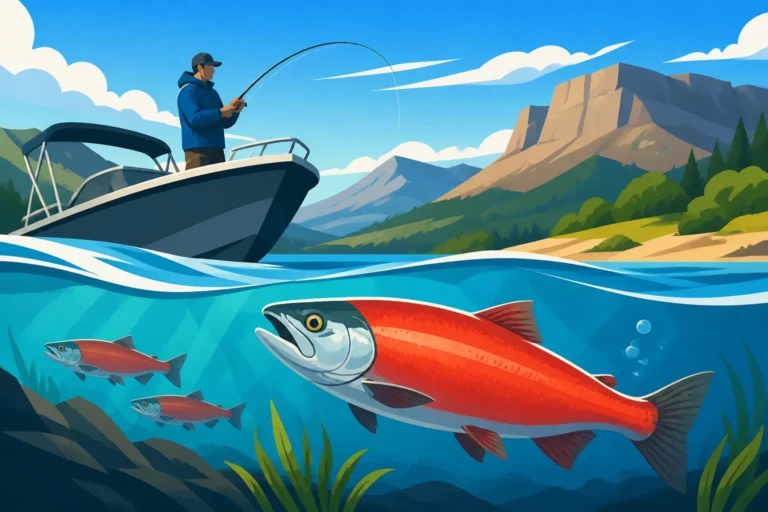
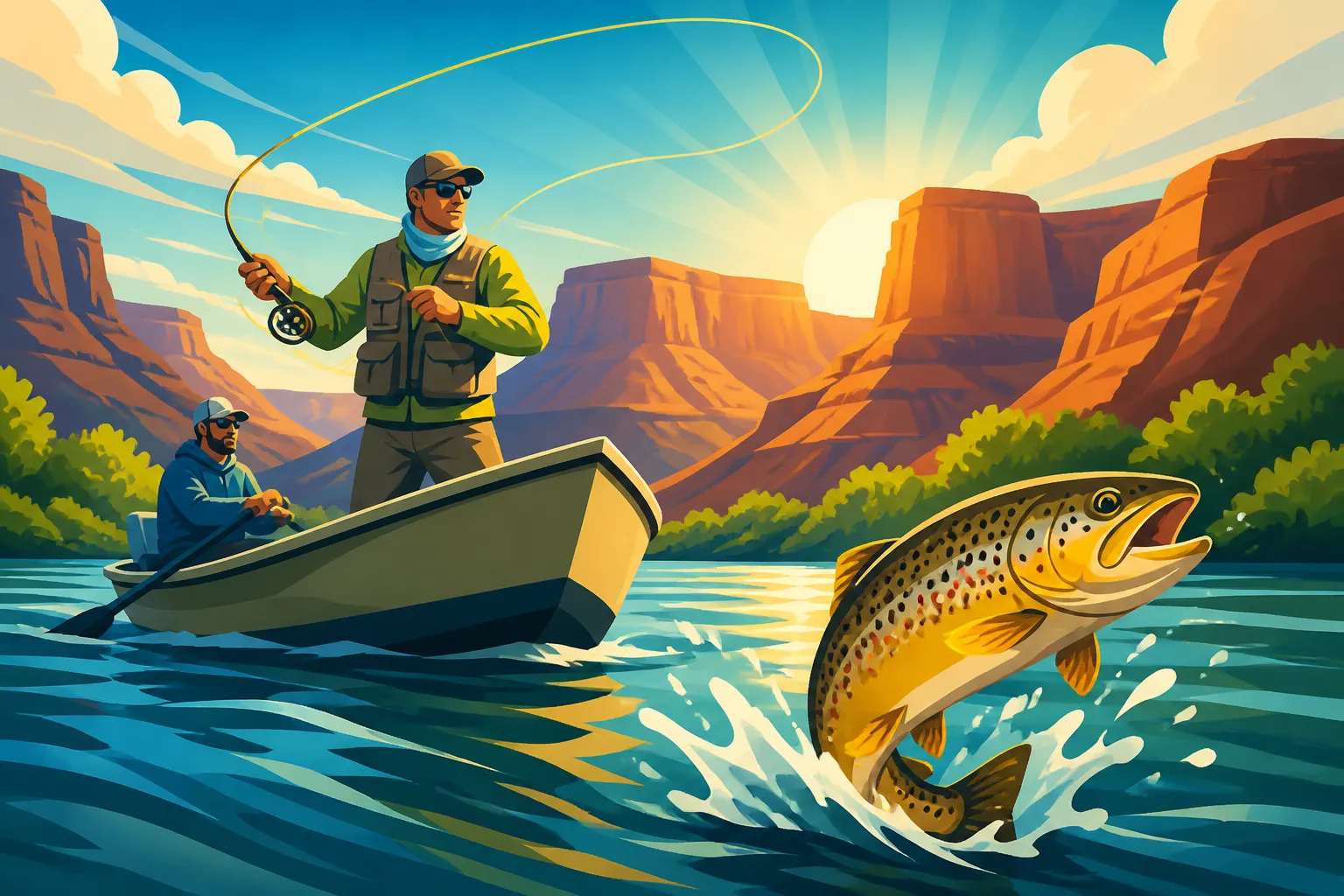
Float Trips: These involve drifting down the river in a specialized drift boat or raft, with your guide at the oars. This is an excellent option for covering a lot of water and accessing stretches that would be difficult or impossible to reach on foot. You'll cast from the boat to various seams, eddies, and banks, covering diverse water types as you move downstream. Float trips are often preferred for larger rivers like the Colorado, especially when targeting larger fish or during specific seasons where bank access might be limited by vegetation or private land. They're also great for those who prefer not to wade extensively or have mobility concerns. The comfort of fishing from a stable platform, with your gear organized in the boat, is a huge plus. This is a common choice for Guided Trips on the Colorado River's Gold Medal Water.
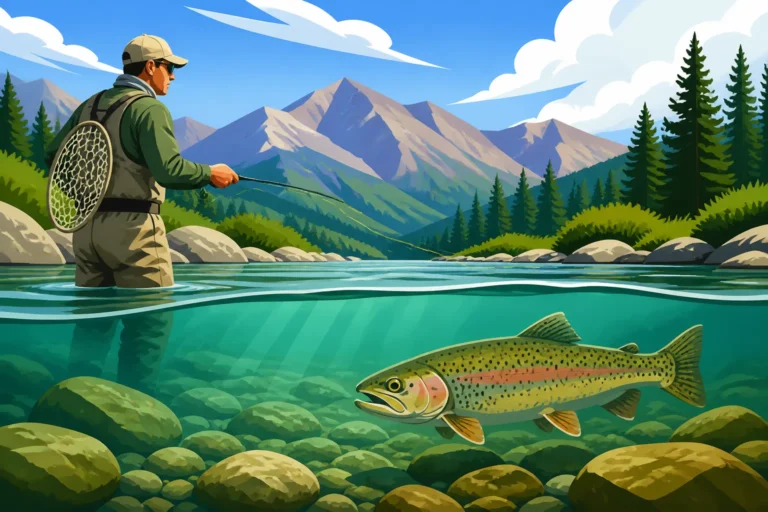
Walk-Wade Trips: This style focuses on exploring specific, productive stretches of the river on foot. Your guide will lead you to prime wading spots, often areas with public access, or sometimes through private leases depending on the outfitter. These trips offer a more intimate connection with the water, allowing you to carefully pick apart runs, riffles, and pools, often with a greater emphasis on precise casting and presentation. Walk-wade trips are perfect for anglers who enjoy the physical activity of wading, want to hone their technique in specific types of water, or prefer a slower, more deliberate pace. While you might cover less linear distance than a float trip, you’ll often spend more focused time in highly productive areas. You can delve deeper into this comparison with Float Trips vs Walk-Wade Trips With a Colorado Guide.
Typical Itinerary and Inclusions
A typical guided trip on the Colorado River will usually start with meeting your guide at an agreed-upon location, often a local fly shop or boat ramp. From there, you'll head to the river access point. Most trips are either half-day (around 4-5 hours) or full-day (6-8 hours).
What's Usually Included:
- Expert Guidance: Your guide's knowledge and instruction are the core of the experience.
- Gear: Most reputable outfitters provide high-quality rods, reels, and all the necessary flies or lures for the day. This saves you the hassle and expense of bringing your own.
- Terminal Tackle: Leaders, tippet, split shot, and indicators are almost always provided.
- Lunch and Drinks: Full-day trips almost always include a hearty streamside lunch and plenty of non-alcoholic beverages. Half-day trips might offer snacks and drinks.
What Anglers Need to Bring:
- Colorado Fishing License: This is non-negotiable. You must have a valid license and any necessary stamps (like the Habitat Stamp) before you even step foot in the water. You can explore Colorado's Annual, One-Day and Five-Day License Options to pick the right one.
- Waders and Wading Boots: While some outfitters might have loaner gear, it’s best to confirm this beforehand. Having your own ensures a comfortable fit.
- Appropriate Clothing: Layers are key in Colorado! Be prepared for anything from warm sun to sudden rain or cold wind.
- Sun Protection: Sunglasses (polarized are highly recommended!), a hat, and sunscreen are essential.
- Rain Gear: Always pack a lightweight rain jacket, even if the forecast looks clear.
- Personal Items: Any medications, a camera, and a small backpack to carry your essentials.
Booking Your Guided Adventure
Finding a reputable guide for the Colorado River's Gold Medal waters is easier than you might think. Many local fly shops in towns like Kremmling, Glenwood Springs, or even farther away like Denver, have their own guiding services or can recommend trusted independent guides.
Online booking platforms have also become incredibly popular and convenient. Websites like FishingBooker allow you to browse numerous guides and outfitters operating on the Colorado River, compare their services, read reviews from other anglers, and book your trip directly. It takes a lot of the guesswork out of finding a good match for your specific needs and preferences. Using a platform like FishingBooker can give you access to a wide array of options, making it easy to see what’s available for your travel dates.
It's always a good idea to book well in advance, especially if you're planning your trip during peak seasons like summer or the fall brown trout spawn. Popular guides and prime dates fill up quickly. Don't hesitate to reach out to potential guides with questions about their experience, what they specialize in, and what you can expect. This pre-trip communication ensures everyone is on the same page. For more general advice, consider Choosing a Colorado Fishing Guide, What to Look For.
Making the Most of Your Gold Medal Experience
A guided trip on the Colorado River's Gold Medal water is more than just a transaction; it's a partnership between you and your guide, aimed at creating an exceptional fishing experience. By arriving prepared, being open to learning, and respecting the river, you set yourself up for not only a successful day of angling but also a truly memorable adventure in the heart of Colorado.
Preparation and Communication
The more information you share with your guide before your trip, the better they can tailor the day to your abilities and desires. Don't be shy about discussing your fishing experience level, from absolute beginner to seasoned expert. Let them know what you hope to achieve: are you focused on learning new techniques, trying to catch a specific species, or simply enjoying a relaxing day on the water? This honest communication helps your guide select the best sections of the river, choose appropriate flies or lures, and provide instruction at the right level.
Beyond sharing your goals, remember to check the weather forecast a few days before your trip. Colorado weather in the mountains can be famously unpredictable, swinging from warm sunshine to cold rain or even snow in a single day, regardless of the season. Dressing in layers, with good quality rain gear, is always the smartest approach. A quick chat with your guide a day or two before can also confirm any last-minute details and ensure you’re both ready for a fantastic day on the water. For more specific packing advice, see What to Wear on a Colorado Guided Fishing Trip.
River Etiquette and Conservation
Fishing on Gold Medal waters carries a special responsibility. These are fragile ecosystems that support incredible wild fish populations, and it's up to all of us to protect them. Your guide will emphasize proper river etiquette, which includes respecting other anglers, landowners, and the fish themselves. This often means giving other groups ample space, being mindful of noise, and always practicing Leave No Trace principles.
Conservation is paramount. Most Gold Medal sections are managed with strict regulations, including catch-and-release only for certain species or within specific size windows. Your guide will instruct you on how to handle fish carefully for a safe release, minimizing stress and injury. This includes keeping fish in the water as much as possible, using barbless hooks, and avoiding excessive handling. Understanding and adhering to these practices ensures that future generations can enjoy the same world-class fishing you are experiencing. Even if the topic focuses on cutthroat, the principles of careful handling and release found in Catch-and-Release Rules on Colorado's Cutthroat Waters are universally applicable and important. Remember, your Colorado Fishing License Guide for Residents and Nonresidents outlines these vital rules.
Tipping Your Guide and Post-Trip Follow-Up
Just like any service industry, it's customary to tip your fishing guide for a job well done. Tipping is a way to show your appreciation for their hard work, expertise, and dedication throughout the day. The standard range for a fishing guide tip in Colorado generally falls within a percentage of the trip cost, depending on the level of service and how well you felt the trip went. If your guide went above and beyond, provided excellent instruction, worked tirelessly to put you on fish, and made the day enjoyable, a more generous tip is certainly appreciated. You can get more details on this important topic in Tipping a Colorado Fishing Guide, What's Standard.
After your trip, consider sharing your experience. If you booked through a platform like FishingBooker, leaving a positive review for your guide is a wonderful way to acknowledge their efforts and help other anglers find great experiences. Many guides rely on word-of-mouth and online reviews to build their business, so your feedback is truly valuable. You might even consider booking your next adventure through FishingBooker again, ensuring a consistent and high-quality experience. If you had a particularly good connection with your guide, feel free to stay in touch; many anglers develop long-term relationships with their favorite guides, leading to repeat trips and even deeper river insights over the years. This can be as simple as a follow-up email, or if you're looking for another adventure, using FishingBooker to easily re-book.
| Feature | Float Trip (Colorado River Gold Medal) | Walk-Wade Trip (Colorado River Gold Medal) |
|---|---|---|
| Coverage | Covers significant mileage, accesses remote sections | Focuses on specific productive stretches, intimate exploration |
| Mobility | Less physical exertion, suitable for varying fitness levels | Requires wading and walking, good for active anglers |
| Views | Panoramic views as you drift, unique perspectives | Close-up views of specific river features, hands-on experience |
| Instruction | Excellent for casting from a boat, presentation in various currents | Great for honing wading skills, precise casting in complex water |
| Target Audience | Anglers wanting to cover lots of water, relax, or with mobility limits | Anglers who enjoy wading, prefer a slower pace, or deep dive into specific runs |
| Gear | Typically all gear provided, often includes lunch and drinks | Often includes gear, but confirm waders/boots. Lunch/drinks usually included for full-day |
| Pace | Can be faster-paced, covering many spots quickly | More deliberate, allowing detailed exploration of fewer spots |
Disclaimer
This article is for general informational purposes only and does not constitute professional advice. Laws, prices and regulations vary by location and change over time. Consult a qualified professional for guidance on your specific situation.