How Many Fish Species Live in Colorado
Ever wondered just how many finned friends call Colorado's diverse waters home? It's a question many of us anglers ponder as we cast our lines into a crystal-clear mountain stream or troll a vast, high-desert reservoir. The sheer variety can be mind-boggling, from the smallest native chub hiding in a quiet eddy to the massive lake trout lurking in the depths. This guide is going to dive deep into the fascinating world of Colorado's fish populations, breaking down the numbers, highlighting the important distinctions between native and introduced species, and explaining why understanding this aquatic tapestry matters to every angler.
The Grand Total: Unpacking Colorado's Fish Species Count
When you consider Colorado, you might immediately think of trout: rainbow, brown, brook, and especially our cherished cutthroat. And while trout are definitely a huge part of the picture, they're far from the whole story. The aquatic ecosystems here are incredibly diverse, spanning everything from icy alpine lakes to meandering warmwater rivers on the plains. This incredible range of habitats supports a surprising number of fish species, each playing its unique role in the state’s waters.
What Constitutes a "Species" in Colorado?
This might seem like a straightforward question, but in the world of fisheries biology, it gets a little nuanced. When we talk about the total number of fish species in Colorado, we're generally referring to distinct biological species that have established populations here. This includes both the fish that are truly native to Colorado – those that evolved here over millennia – and those that have been introduced, often by human hands, and now thrive within our waters. It also encompasses hybrids, like the tiger trout, which are intentionally stocked by Colorado Parks and Wildlife (CPW) and contribute to the angling experience. Sometimes, even rare, protected species that might not be targeted by anglers are included in this count, emphasizing the overall biodiversity.
While exact numbers can fluctuate with scientific research, new introductions, or unfortunately, extirpations, the generally accepted number for fish species residing in Colorado's waters hovers somewhere between 60 and 70 distinct species. This figure covers everything from the smallest minnows to the largest game fish, encompassing coldwater and warmwater varieties, and includes several species that are critically important for conservation efforts. It's a number that reflects both the natural bounty of the Rocky Mountains and the significant changes brought about by over a century of human interaction with these aquatic environments. It’s also a testament to how adaptable fish can be, surviving and even thriving in a landscape with such dramatic elevation changes and varied climates.
Beyond the Trout: A Wider Variety Than You Think
Sure, trout get all the glory, and for good reason—they're stunning, challenging to catch, and delicious. But if you only focus on trout, you're missing out on a huge portion of Colorado's aquatic life. Beyond the various trout species, our state is home to a robust population of warmwater fish. Think about the bustling activity in reservoirs like Pueblo or John Martin, where you'll find impressive populations of walleye, northern pike, smallmouth bass, largemouth bass, channel catfish, crappie, and yellow perch. These species offer entirely different fishing experiences, often requiring different techniques and gear.
Then there are the less-talked-about, but equally important, species. We have various types of suckers and chubs, some of which are native and play vital roles in the ecosystem as forage fish or bottom feeders. Mountain whitefish are another coldwater species often found alongside trout in rivers like the Arkansas or the Colorado. While not typically a glamour species for anglers, they are native and provide a unique fight on a fly rod. Understanding this broader spectrum of fish not only deepens your appreciation for Colorado's aquatic biodiversity but also opens up new avenues for angling adventures. You might find yourself researching where to find Colorado's Daily Walleye Limit or even Best Waters for Channel Catfish in Colorado after realizing just how many options are out there.
Native vs. Introduced: A Tale of Two Aquatic Worlds
The story of fish in Colorado is deeply intertwined with the history of its settlement and development. For millennia, only native species swam in our rivers and lakes. Then, with the arrival of European settlers, came the introduction of many popular game fish from other regions, fundamentally changing the aquatic landscape. Understanding this distinction is not just an academic exercise; it's crucial for appreciating the challenges and triumphs of fisheries management and conservation in our state.
Colorado's Original Inhabitants: The Native Fish
Before the stocking trucks and transcontinental railroads brought new fish to Colorado, our waters were home to a unique array of native species. The most famous of these, and truly iconic to the state, are our native cutthroat trout subspecies: the greenback cutthroat, the Colorado River cutthroat, and the Rio Grande cutthroat. These fish are not just beautiful; they are living pieces of Colorado's natural heritage, adapted over thousands of years to the specific conditions of our high-altitude streams and rivers. Protecting and restoring these native populations, like the efforts focused on Greenback Cutthroat Trout Recovery in Colorado, is a monumental task for conservationists.
Beyond the cutthroat, Colorado's native fish community also includes various minnows and suckers, species that might not get the same angling attention but are ecologically vital. Fish like the roundtail chub, flannelmouth sucker, and bluehead sucker are indicators of healthy river systems. Then there are the critically endangered species of the Colorado River basin, like the Colorado pikeminnow, humpback chub, razorback sucker, and bonytail chub. These incredible fish are part of an ancient lineage, and their survival is a top priority, often leading to strict regulations and specialized fishing zones to protect their fragile habitats. Knowing which fish are native helps us understand the importance of catch-and-release practices in certain areas and why specific regulations are in place to preserve these irreplaceable populations.
The Newcomers: Introduced and Stocked Species
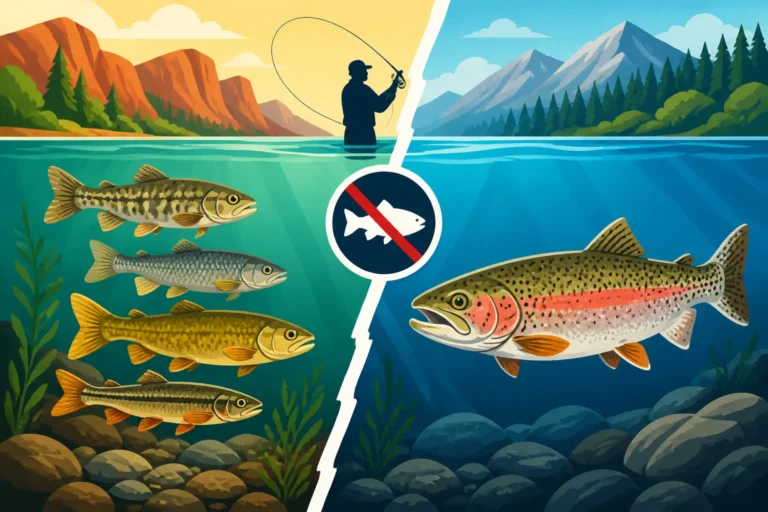
The vast majority of the fish that anglers target in Colorado today are, in fact, introduced species. Rainbow trout, for example, are native to the Pacific coast but were brought to Colorado and have thrived in many of our coldwater environments. Brown trout, another angler favorite, hail from Europe and have also found ideal homes in many of our rivers and reservoirs, often establishing wild, self-sustaining populations. Brown Trout in Colorado, Where They're Wild are a testament to their adaptability. Even brook trout, while appearing "native" to many, are actually from the eastern United States.
Then there's the extensive list of warmwater game fish that have been introduced to create diverse fishing opportunities. Walleye, bass, pike, crappie, perch, and catfish were all brought in to populate the large plains reservoirs and slower-moving rivers that couldn't support trout. These introductions, while providing excellent recreation, also introduced complexities. Sometimes, non-native species can outcompete native fish for resources or even prey on them, creating ecological imbalances. This is why you'll often see regulations aimed at managing these populations, such as liberal limits on Colorado's Daily Northern Pike Limit in certain waters where they are considered detrimental to native trout. Understanding this history helps us appreciate the ongoing efforts to balance recreational fishing with ecological health.
Coldwater vs. Warmwater: Habitats Shaping Diversity
Colorado's geography is dramatically varied, and this geological diversity directly translates into aquatic diversity. From the towering peaks of the Rocky Mountains, where icy streams tumble down from snowmelt, to the sprawling eastern plains dotted with large, relatively shallow reservoirs, the state offers a wide range of aquatic environments. These distinct habitats support different communities of fish, each adapted to specific temperature ranges, water flows, and food sources.
High-Altitude Havens: Coldwater Species
When most people picture fishing in Colorado, they envision clear, cold mountain streams and lakes teeming with trout. And they're not wrong! Our coldwater habitats are incredibly rich, supporting a robust population of trout and salmon species. Rainbow trout are probably the most commonly stocked, offering consistent angling opportunities in many lakes and rivers. Brown trout thrive in many freestone rivers and tailwaters, known for their size and elusive nature. Brook trout, though typically smaller, can be found in abundance in higher elevation creeks and alpine lakes. Don't forget the tiger trout, a sterile hybrid of brown and brook trout, selectively stocked for their aggressive behavior and striking patterns.
Beyond the trout, coldwater systems are also home to kokanee salmon, a landlocked sockeye salmon that provides thrilling fishing, especially during their fall spawning runs. Kokanee Salmon Fishing in Colorado is a unique experience. And deep in our largest reservoirs, like Blue Mesa or Taylor Park, you'll find impressive lake trout, some growing to truly monumental sizes. These cold-loving species are sensitive to water temperature and quality, making their habitats prime areas for careful management and conservation. This also means anglers need to be mindful of things like Does Water Temperature Affect Catch-and-Release Survival? during warmer months.
| Category | Examples | Typical Habitat | Native to Colorado | Primary Angling Focus |
|---|---|---|---|---|
| Native Trout | Greenback Cutthroat, Colorado River Cutthroat, Rio Grande Cutthroat | High-elevation streams, remote lakes | Yes | Conservation, Catch & Release |
| Introduced Trout | Rainbow Trout, Brown Trout, Brook Trout, Lake Trout, Tiger Trout | Rivers, reservoirs, high lakes | No | Sport Fishing, Table Fare |
| Salmon | Kokanee Salmon | Large coldwater reservoirs | No | Sport Fishing, Table Fare |
| Warmwater Game Fish | Walleye, Northern Pike, Largemouth Bass, Smallmouth Bass, Channel Catfish, Crappie, Yellow Perch | Plains reservoirs, slow rivers, urban ponds | No | Sport Fishing, Table Fare |
| Other Native Fish | Mountain Whitefish, Roundtail Chub, Flannelmouth Sucker | Rivers, streams, some reservoirs | Yes | Bycatch, Ecosystem Health |
| Endangered Native Fish | Colorado Pikeminnow, Humpback Chub, Bonytail Chub | Colorado River Basin, protected areas | Yes | Conservation (Illegal to Target) |
Plains Powerhouses: Warmwater Species
As you move east from the mountains into the lower elevations, the character of Colorado's waters changes dramatically. Here, rivers are slower, and reservoirs are often shallower and warmer, creating ideal conditions for a different suite of fish species. These warmwater fisheries are incredibly popular, especially with anglers who prefer baitcasting or spin fishing over fly fishing. Walleye are a prized catch, known for their delicious fillets and challenging nature. Many anglers spend countless hours chasing Colorado's Daily Walleye Limit at reservoirs like Cherry Creek or Chatfield.
Northern pike, with their aggressive strikes and impressive size, are another top predator in many of these waters. Bass, both largemouth and smallmouth, provide exciting action, particularly in the spring and early summer. Catfish, especially channel catfish, offer a fun, often nocturnal, angling experience at many urban ponds and larger reservoirs. You'll also find panfish like crappie and yellow perch, which are fantastic for family outings and provide excellent table fare. These waters are often easily accessible and provide diverse opportunities for anglers of all skill levels, allowing for everything from targeting specific species to simply enjoying a relaxing day by the water. You can find gear for these adventures, from specialized lures to bait options, available conveniently on Amazon.
Why Does This Number Matter to the Colorado Angler?
Understanding the sheer number and diversity of fish species in Colorado isn't just a fun fact; it has real, tangible implications for how we approach fishing, how we understand conservation, and how we interact with our natural environment. It informs everything from choosing your next fishing destination to ensuring you're compliant with regulations.
Informing Regulations and Conservation Efforts
Every single one of those 60 to 70-plus species plays a role in the health of Colorado's aquatic ecosystems. For anglers, recognizing this diversity is key to understanding why regulations are structured the way they are. Special limits, protected areas, or even catch-and-release rules exist to protect fragile native populations or manage robust introduced species. For instance, specific regulations might apply to Catch-and-Release Rules on Colorado's Cutthroat Waters to safeguard our state's native treasures. Knowing the difference between a rainbow and a cutthroat, or why some waters have specific rules regarding bait, stems from this understanding of species diversity and ecological balance.
Conservation efforts are often directed at protecting native species from the impacts of habitat degradation, pollution, and competition from introduced fish. By knowing what native fish exist and where, anglers can become better stewards of these resources, reporting unusual catches, adhering to special regulations, and even volunteering for habitat restoration projects. Your awareness contributes directly to the long-term health and diversity of Colorado's fisheries, ensuring that future generations can enjoy the same rich angling opportunities we do today.
Expanding Your Angling Horizons
Beyond the regulatory and conservation aspects, understanding the breadth of Colorado's fish species simply makes you a more versatile and successful angler. If your primary experience has been chasing trout, learning about walleye, bass, or pike can open up a whole new world of techniques, gear, and fishing locations. Imagine the thrill of hooking a powerful northern pike on a large spinnerbait, or patiently waiting for a channel catfish to bite on a summer night. These experiences are vastly different from the delicate presentation required for a picky trout on a clear tailwater.
This knowledge also allows you to adapt to different seasons and conditions. When spring runoff makes mountain rivers unfishable for trout, you might find fantastic opportunities to target warmwater species in a local reservoir. Colorado Fishing Seasons Month by Month shows just how much variety there is throughout the year. Exploring different species often means exploring different parts of the state too, from the high country to the eastern plains, deepening your appreciation for Colorado's incredible landscapes. So, the next time you're planning a trip, consider stepping outside your comfort zone and trying to catch a species you've never targeted before—you might just find a new favorite. You might even consider picking up a new fish identification guide on Amazon to help you spot them all!
Disclaimer
This article is for general informational purposes only and does not constitute professional advice. Laws, prices and regulations vary by location and change over time. Consult a qualified professional for guidance on your specific situation.