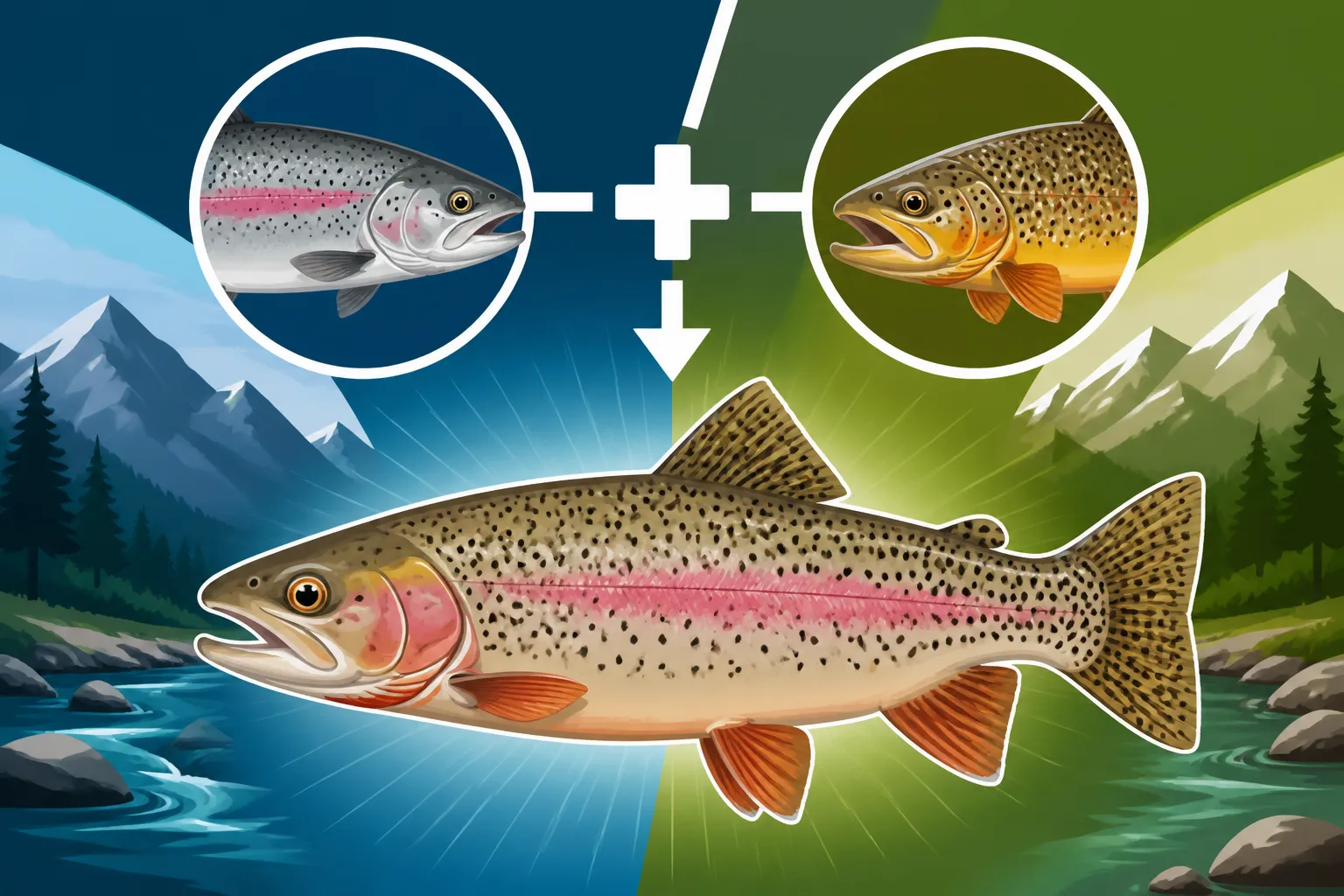
What Makes a Cutbow a Hybrid
Oh, the elusive "cutbow"! If you've spent any time casting a line in Colorado, you've probably caught a fish that made you scratch your head. Was it a rainbow? Was it a cutthroat? Or was it something else entirely? Many anglers face this exact frustration, trying to discern the subtle differences in a fish that seems to blend both worlds. This comprehensive guide will pull back the curtain on these fascinating hybrid trout, explaining exactly what makes a cutbow a hybrid and why understanding them is so important for your fishing adventures in our beautiful state.
Understanding the Parent Species
Before we dive into the fascinating world of hybrids, it's crucial to first understand the distinct characteristics of the two primary trout species that create the cutbow: the rainbow trout and our cherished native cutthroat trout. Think of it like knowing the parents to truly understand the child.
The Distinctive Rainbow Trout
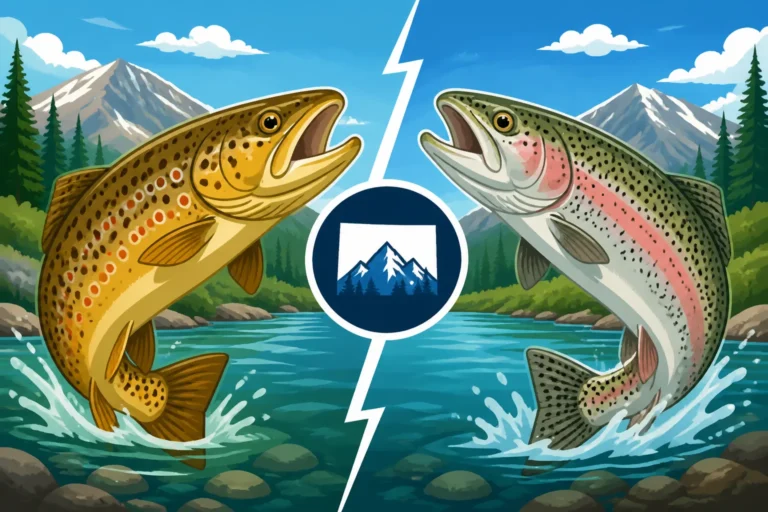
Rainbow trout are, without a doubt, one of the most popular and widespread sport fish in Colorado. You'll find them finning in just about every river, stream, and reservoir, from high-alpine lakes to urban ponds. Most of the rainbows you encounter in Colorado are stocked fish, introduced for their excellent fighting ability and willingness to bite. They're recognized by their distinctive, often vibrant, pink or red lateral stripe running down their side, much like a rainbow. Their bodies are usually covered in small, dark spots, which extend into their dorsal and caudal fins. When you hold a classic rainbow, you'll typically notice a clean, white mouth with no strong color markings under the jaw. They're robust, adaptable fish, and their widespread presence is largely due to extensive stocking programs that have been in place for over a century. Rainbow Trout in Colorado, Where They're Stocked explains more about their distribution.
The Native Cutthroat Trout
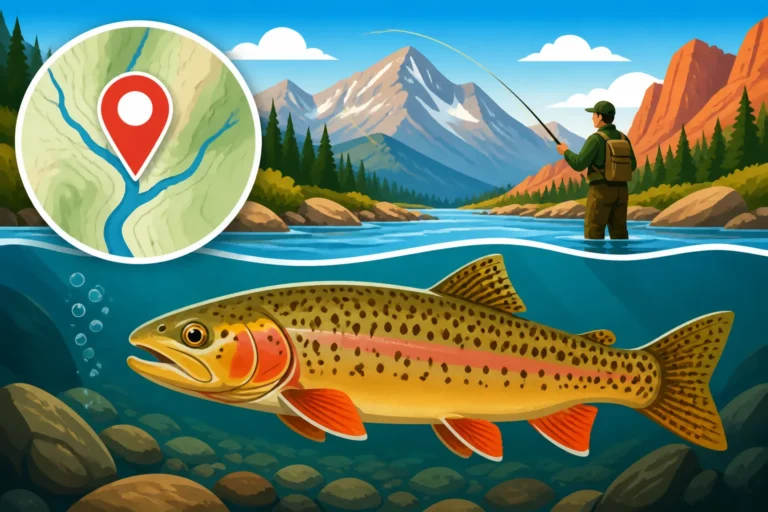
Now, let's talk about the true royalty of Colorado's waters: the native cutthroat trout. These incredible fish are identified by a signature orange, red, or sometimes yellow "slash" mark found in the skin fold beneath each side of their lower jaw – hence the name "cutthroat." This is their most distinguishing feature and the easiest way to tell them apart from a pure rainbow. Cutthroat generally have larger, more irregular spots than rainbows, often concentrated more heavily towards their tail, and they usually lack the prominent iridescent stripe. In Colorado, we have several subspecies, including the Greenback, Colorado River, and Rio Grande cutthroat trout, each with its own unique habitat and recovery story. These native populations are incredibly important to our ecosystem, and their conservation is a top priority for Colorado Parks and Wildlife (CPW). Understanding their unique traits is key to respecting and preserving these precious fish. Colorado's Native Cutthroat Trout Subspecies delves deeper into these amazing fish.
The Genesis of the Cutbow Hybrid
So, how do you get a "cutbow"? It’s all about biology and proximity. When rainbow trout and cutthroat trout decide to cohabitate and get a little too friendly, a hybrid is born.
Natural Interbreeding in the Wild
The most common way a cutbow comes into existence is through natural interbreeding. This happens in rivers and streams where both rainbow trout and cutthroat trout exist and, crucially, share spawning grounds and timing. Trout, despite being different species, can sometimes hybridize. Rainbow trout and cutthroat trout are genetically similar enough that they can successfully interbreed and produce viable offspring. Imagine a vibrant rainbow buck, full of spring fever, finding a beautiful native cutthroat hen on the same redd (spawning bed). If they spawn together, the resulting eggs will hatch into cutbows.
This interbreeding is a double-edged sword for anglers and conservationists. While it produces a unique and often beautiful fish, it also poses a significant threat to the genetic purity of our native cutthroat populations. Many of Colorado’s cutthroat populations are fragile, and their habitat is limited. When non-native rainbow trout are introduced or migrate into areas where native cutthroats are trying to recover, interbreeding can occur, diluting the unique genetic makeup of the native fish. This isn't just a minor detail; it's a major conservation concern that state agencies like CPW actively work to prevent. This is why you'll often see regulations aimed at protecting native cutthroat strongholds.
Hatchery Stocking and Management
While natural interbreeding is the primary driver for cutbows in the wild, it's worth noting how hatcheries play a role in trout populations generally. Hatcheries, including those operated by CPW, primarily focus on raising pure strains of fish, whether that's rainbow trout for stocking popular fishing spots or specific native cutthroat subspecies for recovery programs. The goal in conservation is to prevent hybridization, especially with native species. Therefore, intentional stocking of cutbow hybrids is generally not the norm, particularly in areas designated for native trout recovery. The focus is on maintaining genetic purity for conservation efforts. However, in some contexts, hatcheries might produce sterile hybrids like tiger trout (a brook trout/brown trout cross) for sport fishing where they won't reproduce and impact other populations. But for cutbows, the issue is usually about preventing unintended consequences in the wild, not actively creating them in controlled environments.
Identifying a Cutbow in the Field
Alright, so you've hooked a fish, and it looks… well, a little bit of everything. How do you tell if you've got a true cutbow hybrid on your line? It can be tricky, but there are some tell-tale signs to look for.
A Mix of Traits
The hallmark of a cutbow is that it displays a combination of characteristics from both its rainbow and cutthroat parents. You might see:
- The Slash: Look for a faint to prominent orange, red, or yellow mark under the jaw, but it might not be as vibrant or complete as a pure cutthroat. Sometimes it's just a faint blush or a broken line. This is the first place your eye should go.
- The Stripe: The lateral stripe can be present, similar to a rainbow, but it might be less defined or less colorful. It's often a muted pink or reddish band, not quite as bold as a typical rainbow.
- The Spots: The spotting pattern is usually a mix. You might see the smaller, more numerous spots of a rainbow, but also some larger, more irregular spots typical of a cutthroat, especially towards the tail. The spots might extend further down the body than a pure rainbow.
- Body Shape: Generally, cutbows will have the robust, torpedo-shaped body of a rainbow.
It's truly a spectrum, and no two cutbows look exactly alike. One fish might lean heavily towards its rainbow parent, while another might almost pass for a cutthroat until you notice a subtle detail. This variability is what makes them so challenging, yet fascinating, to identify. Many anglers turn to field guides or even online forums for comparison photos, and some good ones can be found with a quick search on Amazon.
The Challenge of Identification
Let's be honest, identifying a cutbow in the heat of the moment, especially when fishing a gorgeous river like the Colorado, is not always easy. The light might be poor, the fish might be thrashing, or you might simply be too excited. Even seasoned anglers can struggle. Factors like the age of the fish, its diet, and water conditions can all influence coloration and appearance. A small cutbow might look almost identical to a small rainbow, making that subtle cutthroat slash the only real clue.
The real challenge comes when regulations differentiate between rainbow and cutthroat trout, especially if you're fishing in waters managed for native cutthroat recovery. In such areas, knowing if you have a genetically pure native cutthroat or a hybrid can be critically important for compliance with catch-and-release rules or specific bag limits. This is why careful observation is so important, and if in doubt, it's always best to err on the side of caution and release the fish gently, treating it as if it were the more protected native species. This cautious approach helps protect our valuable native fish populations. How to Tell a Cutthroat From a Rainbow Trout offers more tips.
Here’s a quick comparison table to help you visualize the differences:
| Feature | Rainbow Trout | Cutthroat Trout | Cutbow (Hybrid) |
|---|---|---|---|
| Jaw Slash | Absent (clean, white mouth) | Prominent orange/red/yellow mark | Faint, partial, or broken orange/red/yellow mark |
| Lateral Stripe | Distinct, iridescent pink/red stripe | Usually absent or very faint | Often present but muted or less defined |
| Spots | Small, numerous, evenly distributed | Larger, irregular, often concentrated towards tail | Mixed; can have both, or lean one way |
| Pectoral Fin | Often clear or slightly spotted | May have a yellowish or orange tint | Variable, can lean either way |
| Caudal Fin | Squarish, heavily spotted | Slightly forked, typically spotted | Squarish, variably spotted |
| Overall Color | Bright, silvery to olive, iridescent | Varied by subspecies, often olive to brassy | Variable, often a blend of parent colors |
Why Cutbows Matter to Colorado Anglers and Conservation
Cutbows are more than just an interesting biological anomaly; they have real implications for both the fishing experience and, more importantly, the long-term health of Colorado's native fish populations.
Fishing Experience and Regulations
From an angler's perspective, catching a cutbow can be pretty exciting! They tend to grow well and fight hard, often mirroring the spirited battles that rainbow trout are famous for. Many anglers don't even realize they've caught a hybrid until a closer look or a post-photo review reveals that tell-tale, albeit faint, slash under the jaw.
When it comes to regulations, things can get a little murky. Generally speaking, if a fish has any characteristics of a native cutthroat, and you are in a designated native cutthroat recovery water, it's usually best to treat it as a cutthroat for regulatory purposes. This often means catch-and-release only, barbless hooks, and extreme care in handling. However, in general waters where cutthroats aren't specifically managed as native populations, a cutbow might fall under the general trout regulations, which often have more generous bag and possession limits. The key is to check the specific regulations for the water you are fishing, either in the official Colorado Fishing Regulations Every Angler Should Know brochure or through the CPW website. It's truly a location-specific puzzle, and getting it wrong can lead to serious consequences. Never assume; always verify.
Conservation Implications
This is where cutbows become a really critical topic. While fascinating, the existence of cutbows is a constant reminder of the challenges facing Colorado's native cutthroat trout. As mentioned earlier, hybridization with non-native rainbow trout is one of the primary threats to the genetic integrity of our native cutthroat populations. When cutthroat trout interbreed with rainbows, the genetic distinctiveness of the cutthroat becomes diluted. Over time, if enough interbreeding occurs, you could lose the unique genetic characteristics that define a true native cutthroat subspecies. This isn't just about preserving a "pure" fish; it's about preserving thousands of years of evolution and adaptation to Colorado's unique aquatic environments.
CPW and other conservation groups work tirelessly to identify and protect genetically pure native cutthroat populations. This often involves removing non-native trout from certain drainages, restoring habitat, and carefully managing stocking programs to prevent further hybridization. This is why you'll often see regulations like Catch-and-Release Rules on Colorado's Cutthroat Waters in specific areas. Anglers play a vital role in this conservation effort. By being able to identify cutbows and understanding their implications, you can contribute to responsible fishing practices. If you're unsure, releasing the fish is always the safest bet for conservation. Education is key, and resources like books on fish identification found on Amazon can be a great help. Remember, protecting our native cutthroat isn't just a job for the state; it's a shared responsibility for all who love Colorado fishing.
Disclaimer
This article is for general informational purposes only and does not constitute professional advice. Laws, prices and regulations vary by location and change over time. Consult a qualified professional for guidance on your specific situation.