Why the Greenback Cutthroat Almost Went Extinct
Imagine a world where Colorado's vibrant state fish, the Greenback Cutthroat Trout, was almost nothing but a memory. It's a sobering thought, isn't it? For those of us who cherish Colorado's natural beauty and incredible fishing opportunities, the idea that a truly unique piece of our wild heritage nearly vanished is a stark reminder of our impact. This guide will delve deep into the heartbreaking reasons why this beautiful, resilient native trout came so perilously close to extinction, exploring the complex web of factors that pushed it to the brink.
A Native's Perilous Past: The Original Range and Decline
The Greenback Cutthroat Trout ( Oncorhynchus clarkii stomias) holds a special place in Colorado's heart, not just as our state fish, but as a living piece of history. These fish were once abundant, vibrant, and a cornerstone of the aquatic ecosystems on the Eastern Slope of the Rocky Mountains. Their journey to near-extinction is a classic tale of environmental change, human expansion, and the unintended consequences that follow.
The Greenback's Historic Domain
For millennia, the Greenback Cutthroat Trout thrived in the cold, clear waters of the South Platte and Arkansas River drainages. Their native range spanned across what is now the bustling Front Range, extending into the high country and the plains. These trout were perfectly adapted to their specific environments, exhibiting unique behaviors and genetic traits that allowed them to flourish in the varied altitudes and stream conditions of eastern Colorado. They were often found in smaller headwater streams, pristine alpine lakes, and the upper reaches of larger river systems, exhibiting a resilience that allowed them to survive harsh Rocky Mountain winters and periods of drought. Their unique spotted patterns and distinctive green-gold sheen were common sights for early explorers and native peoples who relied on them as a food source.
The genetic isolation in these drainages created a distinct subspecies, a true Colorado original. Before the arrival of European settlers, their populations were robust, self-sustaining, and critical to the biodiversity of the region. They represented a pinnacle of evolutionary adaptation to the unique challenges of Colorado's eastern watersheds, a testament to nature's intricate design. Colorado's Native Cutthroat Trout Subspecies provides more detail on these incredible fish.
Early Human Impacts
The arrival of European settlers in Colorado in the mid-19th century brought rapid and dramatic changes to the landscape, and the Greenback Cutthroat, like many native species, bore the brunt of these transformations. Early settlers, driven by the lure of gold and silver, established mining operations that polluted pristine streams with sediment and heavy metals. Logging to support these mines and growing towns led to widespread deforestation, increasing erosion and altering stream hydrology. Agriculture, as it expanded across the plains and into mountain valleys, further exacerbated the problem with irrigation diversions, dam construction, and the introduction of sediment and agricultural runoff into waterways.
These activities didn't just alter habitats; they destroyed them. Dams blocked migration routes, fragmenting populations and preventing genetic exchange. Water diversions left sections of streams dry or reduced flow to critical levels, especially during drought years. The sheer scale of these changes was overwhelming for a species perfectly evolved for a stable, pristine environment. The demands of a burgeoning population on natural resources were immense, and the long-term ecological consequences were not fully understood or prioritized at the time.
The Introduction of Non-Native Species
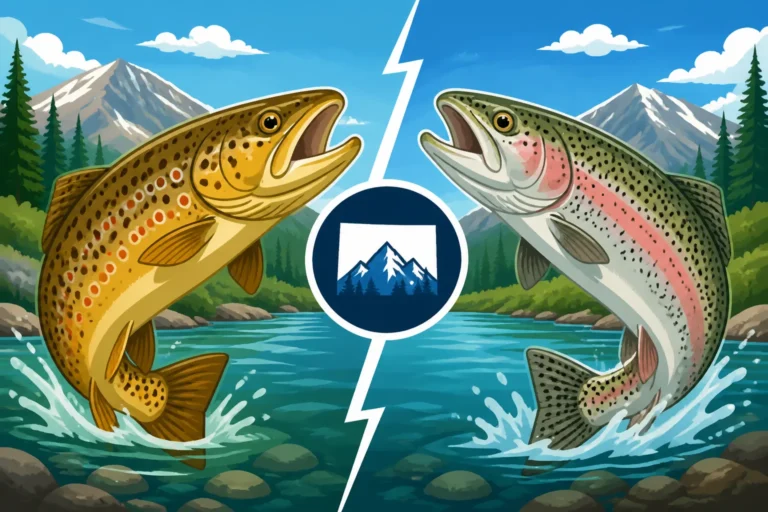
Perhaps the most devastating blow to the Greenback Cutthroat came from the widespread, often well-intentioned, introduction of non-native fish species. As the population grew, so did the demand for fishing opportunities. State agencies and private citizens began stocking vast numbers of easily accessible, fast-growing trout like Rainbow Trout and Brown Trout from other regions and even other continents. The ease with which these non-native species were introduced – sometimes by design to create sport fisheries, sometimes by accident – completely transformed ecosystems. Imagine trying to identify every fish in a new stream without the comprehensive field guides we can now easily order from places like Amazon.
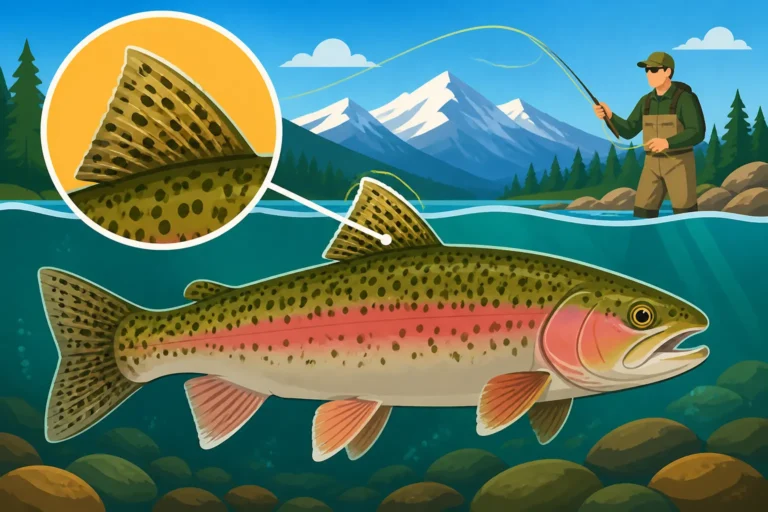
These introduced species were often more aggressive, outcompeting the Greenbacks for food and prime habitat. Brown Trout, native to Europe, are voracious predators, while Rainbow Trout, from the Pacific Northwest, are highly adaptable and prolific spawners. Both thrived in the altered Colorado landscape, often at the expense of the more specialized Greenbacks. The intention was to enhance fishing, but the unforeseen consequence was the catastrophic decline of a native treasure. Rainbow Trout in Colorado, Where They're Stocked and Brown Trout in Colorado, Where They're Wild delve into the distribution of these introduced species.
The Silent Killers: Competition, Hybridization, and Habitat Loss
The factors driving the Greenback Cutthroat towards extinction weren't isolated incidents but rather a cruel combination, each exacerbating the others. This multi-pronged assault created a perfect storm that nearly wiped them off the map.
The Battle for Survival
Once non-native trout were established, the Greenbacks found themselves in a losing battle for survival. Rainbow and Brown Trout are generally more aggressive feeders, often consuming food resources that Greenbacks historically relied upon. In many cases, these non-native species also tolerated a wider range of water temperatures and habitat conditions, giving them an advantage in streams that were already stressed by human activity. Picture a pristine mountain stream, home to generations of Greenbacks, suddenly inundated with hundreds of larger, more aggressive Rainbows or Browns. The Greenbacks, adapted to a specific niche, simply couldn't compete.
This competition wasn't just for food, but for prime holding lies, spawning grounds, and thermal refugia – those small pockets of cooler water crucial during warm summer months. The native trout, less accustomed to intense interspecies competition, were often pushed into less optimal habitats, further weakening their populations. Their inherent resilience was no match for the combined pressures of a changing environment and a biological invasion.
The Genetic Threat: Hybridization
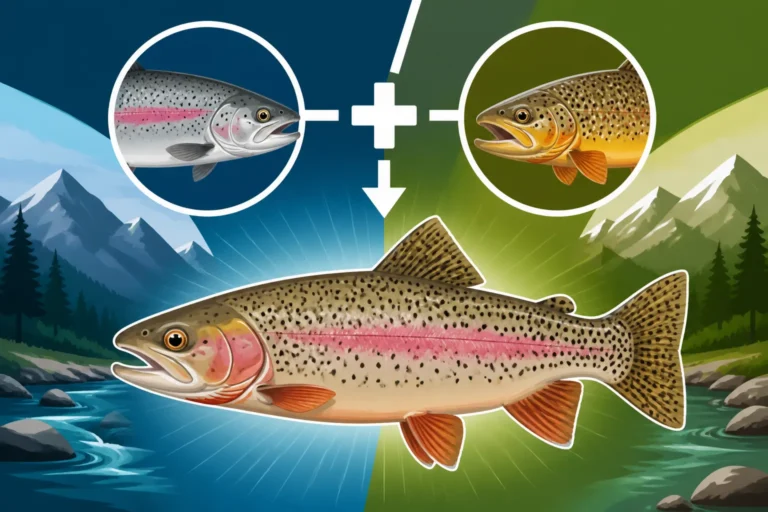
Perhaps the most insidious threat to the Greenback Cutthroat was hybridization. Rainbow Trout, in particular, can interbreed with Cutthroat Trout, producing fertile offspring known as "cutbows." While these hybrids can be fun to catch, they represent a catastrophic loss for the native Greenback. Every time a Greenback bred with a Rainbow, it meant fewer pure Greenback genes were passed on. Over generations, this genetic dilution led to a loss of the Greenback's unique genetic identity, essentially breeding them out of existence.
This wasn't just about losing a specific fish; it was about losing a unique genetic blueprint developed over thousands of years to thrive in Colorado's specific conditions. The issue was so pervasive that for decades, scientists struggled to find any truly pure Greenback populations. The challenge of identifying these hybrids and pure strains led to advanced genetic testing that is now a critical tool in conservation efforts. For anglers today, understanding these differences is key; Telling a Cutbow From a Pure Cutthroat can help you discern between these fish. Reversing this genetic erosion is incredibly difficult, making the few remaining pure populations priceless.
Habitat Fragmentation and Degradation
While competition and hybridization were direct biological assaults, the continued degradation and fragmentation of their habitat sealed the Greenback's fate. Dams built for irrigation, flood control, and power generation chopped up river systems into isolated segments. A Greenback population upstream of a dam could no longer migrate downstream to find new spawning grounds or escape adverse conditions. Similarly, fish below a dam couldn't move upstream. Each dam was a nail in the coffin, reducing the available habitat and trapping populations in ecological dead ends.
Furthermore, water diversions for agriculture and municipal use often left stream sections with insufficient flow or even completely dry, especially during periods of drought. This directly killed fish and made many streams uninhabitable. Logging practices, even after the initial boom, continued to impact watersheds by increasing sediment runoff, raising water temperatures (due to lack of shade), and reducing stream complexity necessary for trout survival. Pollution from various sources, including mining runoff, agricultural chemicals, and early sewage disposal, further compromised water quality. Reversing such changes or even understanding stream health on a large scale requires specialized equipment, from water quality testing kits to mapping tools, many of which can be found conveniently on Amazon today, but were unavailable or unheard of back then. This relentless habitat destruction created an environment where the Greenback simply couldn't sustain itself.
The Brink of Extinction and the Road to Recovery
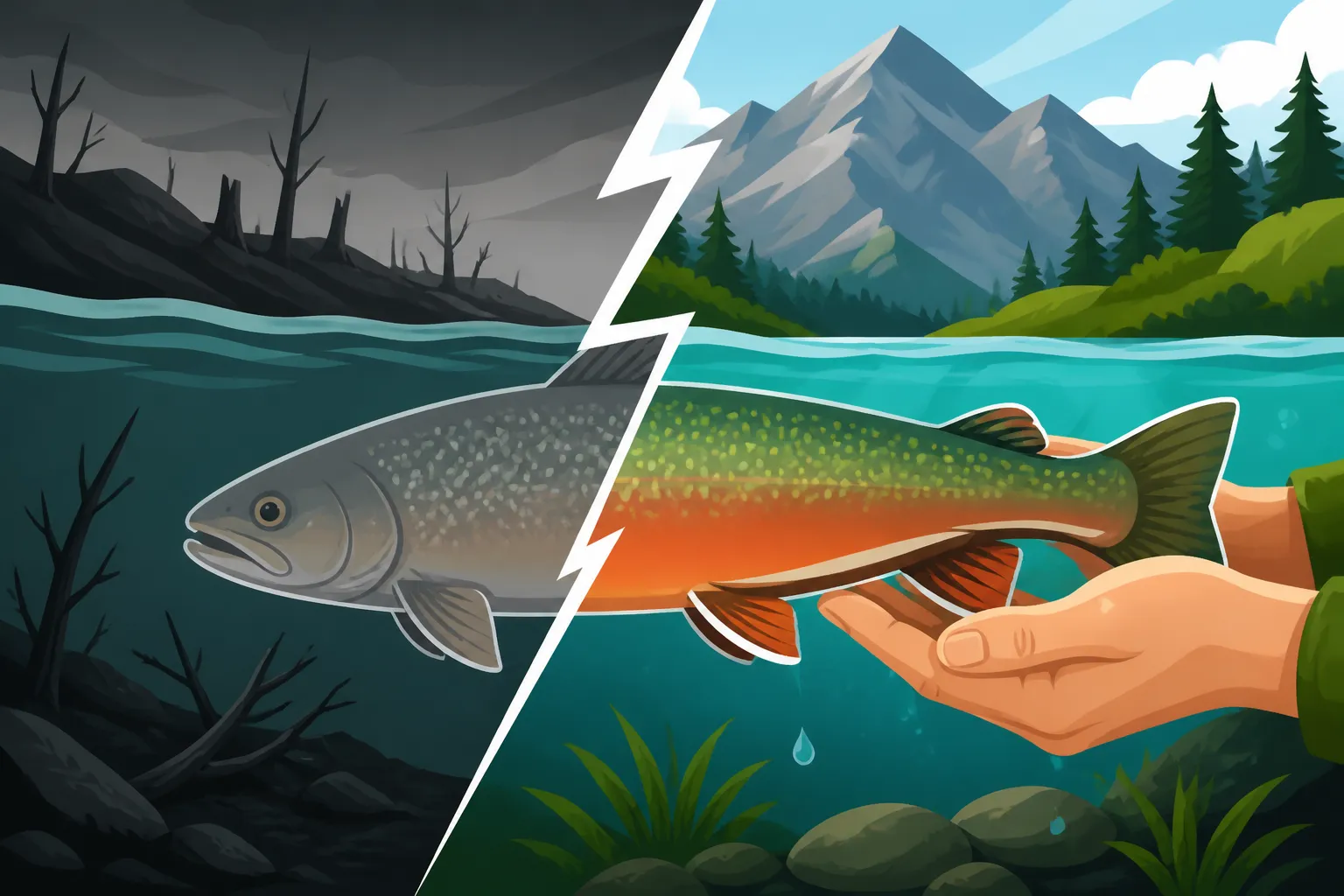
By the early to mid-20th century, the outlook for the Greenback Cutthroat Trout was bleak. Most populations had vanished, replaced by introduced species, or genetically compromised beyond recognition. It was a truly desperate situation for Colorado's state fish.
The Rediscovery and Realization
For many years, the Greenback Cutthroat was presumed extinct. It was a lamentable conclusion, but given the widespread destruction and hybridization, it seemed all too likely. However, in a truly remarkable turn of events in the 1970s, a small, genetically pure population of Greenback Cutthroat Trout was "rediscovered" in a remote, high-altitude stream in the headwaters of the Arkansas River drainage. This tiny, isolated pocket of fish was a miracle, a living fossil that had somehow, against all odds, escaped the pressures that had decimated its brethren. This discovery, primarily attributed to scientists and dedicated conservationists, sparked a renewed hope and a vigorous effort to save the species.
The process of verifying their genetic purity was painstaking, involving detailed analysis to ensure they were indeed the true Greenback Cutthroat and not hybrids or another subspecies. This rediscovery fundamentally changed the conservation landscape in Colorado, highlighting the importance of identifying and protecting the last vestiges of native biodiversity. It was a wake-up call, proving that even when all hope seems lost, nature can hold onto a secret.
The Long, Hard Climb Back
The rediscovery of the Greenback Cutthroat marked the beginning of a monumental, ongoing conservation effort. Scientists, state agencies like Colorado Parks and Wildlife (CPW), and numerous non-profit organizations embarked on a multi-faceted approach to bring the species back from the precipice. This included:
- Captive Breeding Programs: Establishing brood stocks of genetically pure Greenbacks in hatcheries to ensure a stable source for reintroduction.
- Habitat Restoration: Working tirelessly to restore stream health, remove barriers, and improve water quality in suitable historical habitats. This involves everything from re-vegetating stream banks to removing old, defunct dams.
- Non-Native Fish Removal: In some areas, removing competing and hybridizing non-native fish populations to create "clean" waters where pure Greenbacks could thrive without competition or genetic contamination. This often involves temporary electrofishing or chemical treatments in isolated headwater streams.
- Reintroduction Efforts: Carefully reintroducing hatchery-raised Greenbacks into restored, protected native habitats. This is a slow, methodical process, often requiring years of monitoring to ensure the populations establish successfully.
Modern conservationists rely on precise tools for genetic testing and habitat monitoring. Even for the everyday angler, understanding and practicing proper catch-and-release techniques is vital, and a quick search on Amazon reveals a plethora of knotless landing nets and fish-friendly handling gloves designed to minimize stress on these precious native fish.
The journey to full recovery for the Greenback Cutthroat is far from over, but significant progress has been made. Today, there are a number of streams and lakes where anglers can find Greenback Cutthroat, often under strict Catch-and-Release Rules on Colorado's Cutthroat Waters to ensure their continued survival. Conservation efforts continue to expand their range and population numbers. These ongoing efforts are crucial, not just for the Greenback Cutthroat itself, but as a symbol of Colorado's commitment to preserving its unique natural heritage for future generations. If you're curious about the ongoing work, How the Greenback Cutthroat Is Recovering in Colorado offers a deeper dive into these programs.
Summary of Greenback Cutthroat Threats
| Threat Category | Specific Impact | Severity (Historic) | Current Status (Conservation Target) |
|---|---|---|---|
| Habitat Loss | Dams, diversions, logging, pollution | High | Ongoing restoration, critical |
| Competition | Non-native trout (Rainbow, Brown) outcompeting for resources | High | Non-native removal in recovery areas |
| Hybridization | Interbreeding with Rainbow Trout (Cutbows) | Extremely High | Genetic testing, pure population isolation |
| Overfishing | Unregulated harvest by early settlers | Moderate to High | Strict regulations, C&R zones |
| Water Quality Decline | Mining runoff, agricultural chemicals, erosion | High | Water quality initiatives |
| Disease Transfer | Introduced diseases from stocked fish | Moderate | Biosecurity in hatcheries, monitoring |
Disclaimer
This article is for general informational purposes only and does not constitute professional advice. Laws, prices and regulations vary by location and change over time. Consult a qualified professional for guidance on your specific situation.