When Kokanee Salmon Runs Happen in Colorado
Oh, the kokanee salmon run! There are few things in Colorado fishing that stir up quite as much excitement, or sometimes, quite as much head-scratching. You hear whispers of these vibrant red fish pushing up rivers, creating a spectacle you absolutely don't want to miss. But then you show up, rods in hand, only to find nothing, or maybe just a few stragglers. It's frustrating when you've planned your trip around this incredible natural event, and the timing just doesn't align with what you expected. This guide is here to unravel the mystery of when kokanee salmon runs typically happen in Colorado, so you can increase your chances of being in the right place at the right time.
The Kokanee Salmon Life Cycle: A Seasonal Journey
Before we dive into the specifics of when the runs happen, it's really helpful to understand the life cycle of these incredible fish. Unlike their Pacific salmon cousins who head to the ocean, Colorado's kokanee are landlocked sockeye salmon. They live their entire lives in our cold, clear reservoirs, feeding and growing, until a biological imperative calls them upstream to complete their life's purpose.
From Egg to Fry: The Start of the Journey
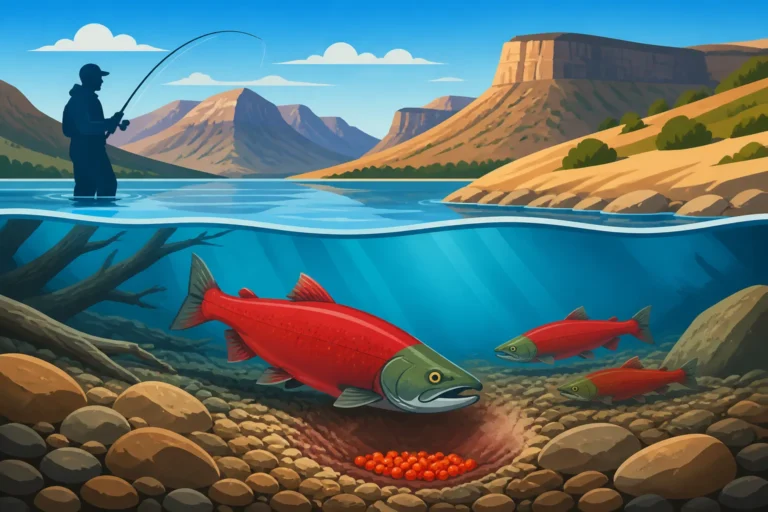
The kokanee salmon's life actually begins in the fall, typically in the gravelly beds of tributaries feeding into their home reservoirs, or sometimes even along shallow reservoir shorelines where upwellings provide sufficient oxygen. The adult kokanee, vibrant red and full of purpose, dig nests called redds, deposit their eggs, and then, their life cycle complete, they die. It's a bittersweet end, but it's essential for the next generation. These eggs then lie dormant through the cold Colorado winter, protected by the gravel. As spring arrives and water temperatures begin to rise, the eggs hatch into tiny alevins, which are essentially sac-fry, living off their yolk sac while still nestled in the gravel. Once they've absorbed enough nutrients and developed into free-swimming fry, they emerge from the gravel, usually in late spring or early summer, and begin their perilous journey downstream to the open waters of the reservoir.
Growing Up in Colorado's Reservoirs
For the next two to four years, these young kokanee spend their lives in the deep, cold waters of Colorado's reservoirs. They are plankton feeders, sifting microscopic organisms from the water column, which is why they thrive in large, nutrient-rich bodies of water like Blue Mesa or Eleven Mile. During these years, they grow, mature, and develop their distinctive silvery-blue coloration. They school together, constantly on the move, avoiding predators like lake trout and northern pike. This is the stage when anglers are typically Trolling for Kokanee Salmon in Colorado, chasing after those delicious, vibrant fish that are still in their prime eating condition. They are sleek, powerful, and full of fight, offering a fantastic fishing experience throughout the spring, summer, and early fall before the call of the spawning grounds begins to change them.
The Irresistible Call to Spawn
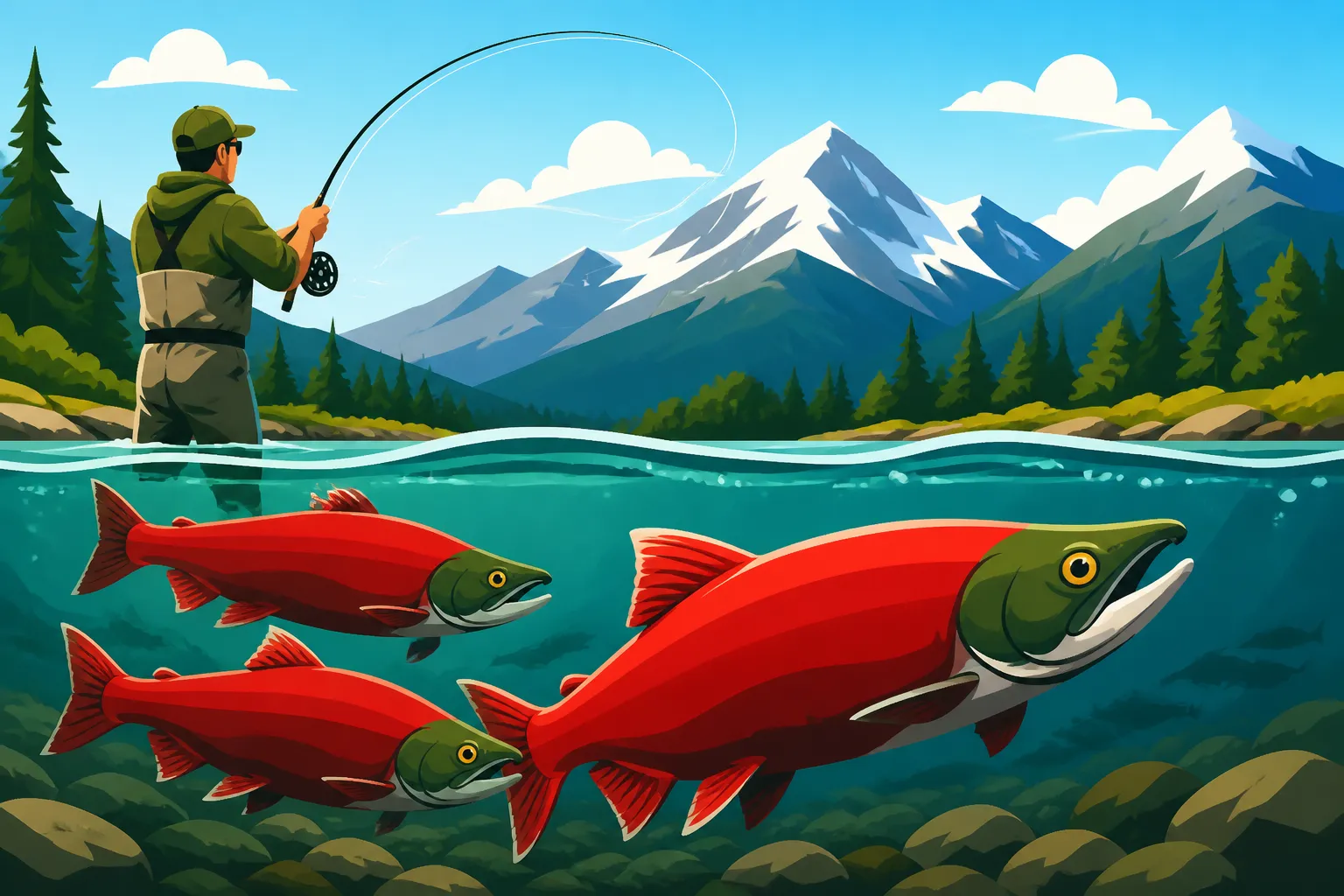
As their time approaches, usually in their third or fourth year, a profound transformation begins. Driven by instinct, the kokanee start to change. Their bodies, once silver, begin to deepen in color, turning a striking orange, then crimson red. Males develop a pronounced humped back and a hooked jaw (kype), truly becoming the iconic salmon we envision. This is the "call to spawn" that signals the start of the runs. They cease feeding, their digestive systems begin to shut down, and all their energy is directed toward one final, monumental effort: to reproduce. This internal clock, combined with external cues like decreasing daylight and dropping water temperatures, triggers their migration from the open reservoir waters into the tributary streams where they were born, or to specific shallow areas within the reservoir. This is the moment anglers eagerly await, hoping to witness the spectacular Kokanee Salmon Spawning Runs in Colorado.
Pinpointing the Peak: When to Expect Colorado's Kokanee Runs
While the exact timing can vary year to year based on environmental factors, there's a general window you can count on for kokanee salmon runs in Colorado. It’s not a single day on the calendar, but rather a season of increasing activity that usually begins to ramp up as summer fades into fall.
The Early Birds: Late Summer into Early Fall
You might start seeing the first signs of kokanee movement as early as late August, especially in some of the higher elevation reservoirs or during years with an early cool-down. These are often the pioneers, testing the waters, or fish that are slightly ahead of the main group. They might be staging near the mouths of tributaries, gathering in large schools, or making short, exploratory pushes upstream. Anglers who are particularly keen might catch them in their transitional phase, still bright and hard-fighting, but already showing hints of their impending color change. This period offers a unique opportunity to catch them before the full spawning frenzy sets in, often in the deeper channels or just outside the river mouths. For example, some years, anglers fishing the inlets of Granby or Shadow Mountain reservoirs might encounter schools gathering by mid-August, giving you an early peek at the action.
Prime Time: September and October Action
Without a doubt, the sweet spot for kokanee salmon runs in Colorado is September and early October. This is when the majority of the fish make their move, pushing en masse up the rivers and streams to their spawning grounds. The sight can be truly breathtaking: rivers literally turn red with fish, their backs breaking the surface, battling currents and obstacles to reach their final destination. This is when the fish are at their most vibrant, a stunning display of nature's cycle. Reservoirs like Blue Mesa, Taylor Park, and Eleven Mile are renowned for their incredible kokanee runs during this timeframe. If you're planning a trip specifically to witness or fish the run, aiming for these months gives you the best odds. You'll want to check specific locations, as some rivers might peak a bit earlier or later depending on their elevation and how quickly the water cools. During this period, checking the Colorado Fishing Seasons Month by Month reports or local fly shop updates becomes absolutely crucial.
| Reservoir/River System | Typical Peak Spawning Months | Notes |
|---|---|---|
| Blue Mesa Reservoir | September – Early October | Famous runs up the Gunnison River and its tributaries. |
| Taylor Park Reservoir | Mid-September – Mid-October | Excellent runs up the Taylor River. |
| Eleven Mile Reservoir | Late September – Early November | Runs up the South Platte River above the reservoir. |
| Granby Reservoir | September – Mid-October | Spawning in various inlets and shorelines. |
| Shadow Mountain Lake | September – Mid-October | Connects to Granby, with runs in connecting channels. |
| Carter Lake | October | Later runs due to different environmental factors. |
The Last Hurrah: Late Fall into Early Winter
Even as the main run tapers off, you can often find kokanee still attempting to spawn well into late October and even November, especially in reservoirs that tend to stay warmer longer or have later-season cold snaps. These might be smaller, secondary waves of fish, or individuals that were delayed for various reasons. By this time, the fish are often more tattered, their colors may have faded slightly, and their energy levels are significantly lower as their life force dwindles. While the spectacle might not be as grand as the September peak, there are still opportunities for those willing to brave the colder weather. Just remember, these fish are truly at the very end of their lives, and angling for them at this stage requires an even greater commitment to ethical practices. You'll often find that the Colorado Fishing Regulations Every Angler Should Know become even more critical to review during these late-season efforts, as specific rules might apply to protect the struggling fish.
Environmental Factors That Shape the Spawning Schedule
While September and October are generally the best bet, kokanee salmon are creatures of their environment, and their spawning schedule isn't always set in stone. Several key factors can influence when and how intensely the runs occur each year. Understanding these variables can help you adjust your plans and improve your chances of success.
Water Temperatures and Flow Rates
Water temperature is a huge driver for kokanee spawning. They need cold water to trigger their final maturation and migration. Generally, as reservoir water temperatures drop into the 50s and then 40s Fahrenheit, the fish start getting serious about moving. A sudden cold snap in late August can kickstart the run earlier, while a prolonged warm fall might delay it. Similarly, stream flow rates in the tributary rivers play a significant role. Kokanee need enough water to navigate upstream to their spawning grounds. If river levels are too low, they might hold back in the reservoir or struggle to get far up the stream. Conversely, very high, turbulent flows (like during a late-season rain event) can make it difficult for them to hold their position and dig redds. Checking local streamflow gauges and temperature reports before you head out is always a smart move. You can often find real-time data for many Colorado rivers through water resource sites, helping you predict how accessible the spawning areas might be.
Reservoir Levels and Access Points
The overall water level of the reservoir can also impact the kokanee run. In years with exceptionally low water, traditional spawning areas along shallow shorelines or in very small tributaries might not be accessible. This can force fish to find alternative, less ideal spots, or delay their efforts. Conversely, high water years generally mean easier access for the fish to their preferred gravel beds. Furthermore, reservoir levels directly affect angler access. If a boat ramp is unusable due to low water, or certain shorelines are exposed that usually aren't, it changes how you can approach the fishing. Always check with the Colorado Parks and Wildlife (CPW) website or local marinas for current conditions before venturing out, especially if you're targeting a specific location like Fishing Blue Mesa Reservoir for Kokanee Salmon. Sometimes, a once-popular spawning channel might become a trickle, shifting the fish to a different part of the lake altogether.
The Moon and Other Mysterious Triggers
While not as scientifically documented as temperature or flow, many seasoned anglers and wildlife biologists observe that lunar cycles and other subtle environmental shifts can play a role in kokanee behavior. Some believe that a full moon in September or October can sometimes coincide with particularly strong pushes of fish, possibly due to increased nocturnal activity or subtle gravitational pulls. Others point to consistent barometric pressure, or even heavy precipitation as a final trigger. It’s a bit of an art, not just a science, to predict the exact day of the strongest run. While you can't control these factors, being aware that they can influence the fish helps you understand why some days are simply better than others. It's also a good reminder that patience and flexibility are key when chasing these elusive spawners. Sometimes, the best advice you'll get is from local tackle shops, who often have their ear to the ground and can tell you about recent observations.
Gear, Tactics, and Ethics for Fishing the Run
Fishing for kokanee during their spawning run is a unique experience. While their primary focus is reproduction, they can still be caught, but it requires a specific approach and a strong commitment to ethical angling.
Popular Spawning Tributaries and Locations
Kokanee salmon will seek out rivers and streams that flow into their host reservoirs. For example, the Gunnison River above Blue Mesa Reservoir for Kokanee Salmon is famous for its massive kokanee run, as are the tributaries feeding into Taylor Park Reservoir like the Taylor River. On the Front Range, the South Platte River upstream of Eleven Mile Reservoir sees a significant run, and various inlets into Lake Granby, like the upper Colorado River or the Shadow Mountain spillway, are also hot spots. Some reservoirs even have excellent shore-spawning kokanee, where they will congregate and dig redds in the gravelly shallows directly within the reservoir if suitable tributary access is limited. Knowing these specific locations, often highlighted by CPW or local fishing forums, is your first step. Remember, these areas can get crowded during the peak, so patience and courtesy are always appreciated.
Gear and Techniques for Spawning Kokanee
During the spawn, kokanee aren't actively feeding, so traditional bait or lure presentations designed to mimic food sources are less effective. Instead, success often comes from presentations that trigger an aggressive or territorial strike. Small, brightly colored jigs in pink, orange, or red are popular, often tipped with a piece of corn (which they seem to find irresistible, perhaps due to scent or texture, even when not "feeding"). You can fish these under an indicator or slowly jig them along the bottom. Spinners and spoons in similar flashy colors can also provoke a strike. Fly anglers often use egg patterns, bright nymphs, or small streamers that can irritate a spawning fish into biting. It's crucial to understand that snagging (foul-hooking fish) is illegal and unethical in Colorado. Your technique should be designed to entice a fish to bite the lure in its mouth. You might find a great selection of these specialized jigs and lures, along with sensitive rods and reels perfect for detecting those light bites, on online retailers like Amazon, allowing you to stock up before your trip. For example, many anglers swear by a particular brand of pink mini-jigs that are readily available there.
Regulations and Ethical Angling During the Run
This is perhaps the most important aspect of fishing during the kokanee run. Because the fish are so focused on spawning and are at the end of their lives, they are particularly vulnerable. Colorado Parks and Wildlife (CPW) often implements specific regulations during these runs to manage the population and ensure ethical angling. This can include specific Colorado's Daily Kokanee Salmon Limit at Blue Mesa or changes to general Colorado Bag and Possession Limits by Species. It's not uncommon for bag limits to be generous during the peak run, as these fish will die anyway, and harvesting them prevents waste. However, the methods you use are critical. Snagging is a serious violation. You should always consult the most current Colorado fishing regulations brochure for the specific waters you plan to fish, as rules can change annually or even mid-season. Beyond the legalities, consider the ethics: these fish are performing their final life act. Treat them with respect, handle them minimally if you intend to release them (though most anglers harvest during the run), and always ensure you know the rules regarding how many you can keep and Can You Snag Kokanee During Their Spawning Run?. Respecting fellow anglers and the environment ensures that this incredible natural phenomenon can continue for generations to come. Having a good quality pair of waders, easily found on Amazon with plenty of reviews, can help you navigate colder waters to reach prime spots while minimizing disturbance to spawning beds.
Disclaimer
This article is for general informational purposes only and does not constitute professional advice. Laws, prices and regulations vary by location and change over time. Consult a qualified professional for guidance on your specific situation.