How Colorado Manages Pike to Protect Trout
For many Colorado anglers, the thought of Northern Pike conjures up conflicting feelings: the thrill of fighting such a powerful freshwater predator, and the deep concern over their impact on our beloved trout populations. It's a real dilemma, especially when you consider that a thriving trout fishery is a cornerstone of our state's angling heritage. This guide will walk you through exactly why Colorado Parks and Wildlife (CPW) takes specific steps to manage Northern Pike, the strategies they employ to protect trout, and how you, as an angler, can be part of the solution to maintain a healthy balance in our diverse aquatic ecosystems.
Why Northern Pike Pose a Threat to Colorado's Trout
Northern Pike (Esox lucius) are fascinating fish, no doubt about it. Their sleek, torpedo-like bodies, formidable teeth, and ambush predation style make them truly apex predators in many environments. But in Colorado, particularly in waters where trout are a primary management objective or where native fish species are protected, pike can become a significant problem. It’s not about demonizing a species, but rather understanding its ecological role and how it impacts the delicate balance of our Western waters.
The Voracious Appetite of a Top Predator
Pike are known for their incredibly aggressive feeding habits. They're opportunistic eaters, meaning they'll consume almost anything they can fit into their large mouths, from smaller fish to frogs, ducks, and even small mammals. When introduced to waters with abundant trout—whether they are stocked rainbows, wild browns, or recovering native cutthroats—pike can quickly decimate these populations. Imagine a twenty-pound pike patrolling a reservoir; it’s a force to be reckoned with. Trout, especially smaller ones that are abundant after stocking, are easy prey. This isn't just about losing a few fish; it's about disrupting the entire food web and competitive balance.
They grow large, and they grow fast, especially when there's a ready food supply. A young pike might start on minnows, but a mature pike weighing 10-20 pounds needs substantial calories, and trout often provide just that. This is particularly problematic in reservoirs and lakes where trout might be concentrated, or in river systems where trout are spawning and are therefore more vulnerable. The introduction of pike, often illegally by anglers moving them from one body of water to another, has created ongoing challenges for wildlife managers trying to protect fragile trout fisheries.
Competition and Habitat Overlap
Beyond direct predation, Northern Pike also compete with trout for food resources. While their diets aren't identical, they both rely on smaller baitfish, aquatic insects, and crustaceans at different stages of their lives. In waters where resources are already limited, the presence of a large pike population can starve out trout, reducing their growth rates and overall health.
Furthermore, pike can occupy similar habitats to trout, particularly in cooler waters or areas with structure like submerged vegetation or rocky drop-offs. This overlap means direct competition for prime feeding and holding lies, putting additional stress on trout populations already struggling with environmental factors or fishing pressure. It's a complex ecological dance, and when a new, highly efficient predator is introduced, the rhythm can be thrown completely off. For instance, in areas like the upper Colorado River drainage, where native Colorado River Cutthroat Trout, Where to Find Them are trying to re-establish, the presence of pike can set back years of conservation efforts.
Colorado's Multi-Faceted Pike Management Strategies
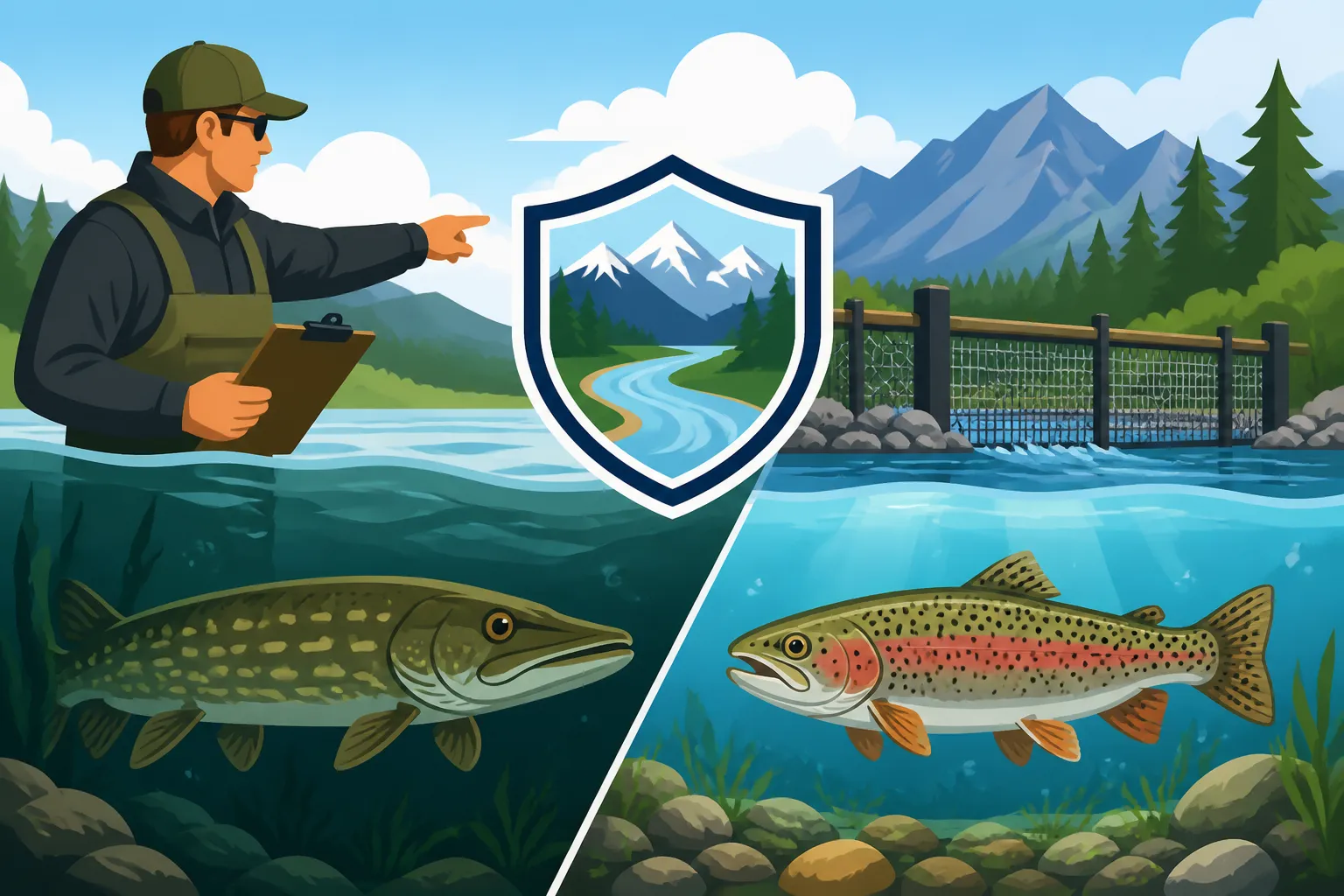
Colorado Parks and Wildlife (CPW) employs a variety of strategies to manage Northern Pike populations, especially in waters designated for trout fishing or native fish recovery. These aren't always easy decisions, and they often involve significant resources and public education. The goal is rarely outright eradication of pike across the state, but rather targeted management to achieve specific conservation and angling objectives in particular locations.
Targeted Removal Programs
One of the most direct and impactful strategies is targeted removal. This can take several forms, depending on the body of water and the severity of the pike problem.
Electrofishing: In some lakes and river sections, CPW will use electrofishing boats, which send a mild electrical current through the water to temporarily stun fish. Crews then net the stunned fish, remove the pike, and release the target species (like trout or native fish) unharmed. This method is highly effective for sampling populations and removing a significant number of pike in a controlled manner. It allows biologists to assess the health of the fishery and directly intervene to reduce pike numbers.
Gill Netting and Trapping: In larger reservoirs or lakes, gill netting or trapping may be employed. These methods can cover larger areas and are particularly useful for reducing adult pike populations. Nets are set for a specific duration and then pulled, with pike removed and other species released. This is a labor-intensive process but critical in controlling established pike populations that threaten valuable trout fisheries. Why Colorado Culls Pike From Some Waters often relates directly to these targeted removal efforts.
Angler Regulations and Encouragement
CPW also relies heavily on anglers themselves to assist in pike management. This often comes in the form of specific regulations designed to encourage the harvest of pike in certain waters.
No Bag or Possession Limits: In many waters where pike are considered detrimental to trout or native species, CPW implements "no bag or possession limits" and sometimes even encourages anglers to not release any pike they catch. This is a powerful tool, turning recreational fishing into a conservation effort. When you see signage like "Pike must not be returned to the water" at a boat ramp, it's a clear directive from CPW. Anglers can find appropriate gear for this kind of fishing, like heavy-duty line and lures, on platforms like Amazon, ensuring they're prepared for whatever they might hook.
Special Restrictions: Some areas might have additional restrictions, such as specific bait prohibitions or gear requirements, aimed at reducing incidental catch of other species while allowing for efficient pike removal. It’s always critical to consult the current Colorado Fishing Regulations Every Angler Should Know brochure or the CPW website for the most up-to-date information for your specific fishing location. For example, if you're targeting pike in a waterbody where you're encouraged to keep them, having a reliable measuring tape and scale, which you can easily find on Amazon, is super helpful for recording your catches and potentially contributing to citizen science efforts.
Habitat Management and Education
Management isn't always about removing fish; it's also about understanding and manipulating their environment.
Habitat Alteration: In some cases, habitat modifications can make an area less favorable for pike or more resilient for trout. This could involve removing dense aquatic vegetation that pike use for ambush cover, or enhancing trout spawning grounds to give them a better chance at natural reproduction. These are long-term, ecological approaches that support the overall health of the ecosystem.
Public Education: A significant part of CPW's effort is educating the public about the impacts of illegal fish introductions. Moving fish from one body of water to another can have devastating consequences, and often, anglers are unaware of the harm they cause. Campaigns explain why Colorado's Northern Pike, Where They're Legal are limited to certain areas and the ecological risks involved in unauthorized stockings. Understanding the "why" behind the rules empowers anglers to be stewards of the environment.
Here's a quick look at some common pike management tactics and their primary goals:
| Management Tactic | Primary Goal | Where It's Applied | Angler's Role |
|---|---|---|---|
| Electrofishing | Reduce pike numbers, assess populations | Smaller lakes, river sections | None (CPW operation) |
| Gill Netting/Trapping | Reduce adult pike populations | Larger reservoirs, lakes | None (CPW operation) |
| No Bag/Possession Limits | Encourage angler harvest, reduce pike numbers | Waters with high trout value or native fish | Keep all pike caught, do not release |
| Habitat Alteration | Shift ecological balance, favor trout | Specific areas within lakes/rivers | None (CPW operation), appreciate efforts |
| Public Education | Prevent illegal introductions | All waters, targeting recreational anglers | Understand risks, report illegal activity |
| Stocking Regimes | Bolster trout numbers against predation | Waters with ongoing pike pressure | Adhere to bag limits for trout, harvest pike |
What Anglers Can Do to Help Colorado's Trout
As an angler, you play an absolutely vital role in Colorado's efforts to manage Northern Pike and protect our precious trout fisheries. It's not just CPW's job; it's a collective responsibility. Your actions on the water can make a real difference.
Adhering to Regulations and Encouraged Harvest
The most important thing you can do is to know and follow the specific regulations for the waters you're fishing. If a regulation states that Northern Pike have no bag limit and must not be returned to the water, then please, follow that directive. It might feel counterintuitive if you typically practice catch-and-release, but in these specific contexts, keeping every pike you catch is a direct contribution to trout conservation. It's a key reason why Colorado Daily Bag Limits by Species vary so much, and why pike often have unique rules.
Don't be afraid to harvest pike in these designated waters. They're actually quite good eating! Learning how to clean and prepare pike can be a rewarding experience, and there are many online resources and cookbooks (some even available on Amazon) that can guide you. This isn't about being wasteful; it's about being an active participant in managing the fishery.
Preventing Illegal Introductions
Never, ever move live fish from one body of water to another. This act, often done with good intentions (like "I want more pike here!") or simply out of ignorance, is one of the biggest threats to Colorado's aquatic ecosystems. It is illegal, carries stiff penalties, and can irreversibly damage a fishery. If you have baitfish, for example, make sure they are legal for the water you are fishing and that they are properly disposed of, not released, at the end of your trip. The consequences of illegal stocking are severe, and can sometimes result in significant fines or even the loss of fishing privileges, demonstrating What Happens If You Fish in Colorado Without a License or break other critical regulations.
Think about the bigger picture. That trophy pike you caught today might have been introduced years ago, and now its offspring are impacting native Greenback Cutthroat Trout Recovery in Colorado or diminishing the population of the wild browns you love to chase. It's a ripple effect, and preventing those initial introductions is paramount.
Supporting CPW Efforts and Education
Stay informed about CPW initiatives and specific management goals for your favorite fishing spots. Reading the annual fishing brochure, following CPW on social media, or even attending local public meetings can help you understand the challenges and solutions being pursued. Many fishing shops and guide services are also great sources of local information; they often work closely with CPW and can provide up-to-date advice on how to best contribute to local conservation efforts.
Consider becoming an advocate yourself. If you see someone doing something questionable on the water, like attempting to move fish, politely educate them about the regulations and the ecological impacts. If direct intervention isn't safe or effective, report suspicious activity to CPW. We all share these waters, and protecting them for future generations is a shared responsibility.
Understanding the Ecological Balance and Your Role
Colorado's aquatic ecosystems are incredibly diverse and often fragile. From high-alpine lakes home to Brook Trout in Colorado's High Country to expansive reservoirs teeming with Walleye in Colorado's Front Range Reservoirs, each body of water has a unique balance. When non-native species like Northern Pike are introduced, they can throw that balance into disarray, particularly when they prey on or outcompete species that are either highly valued for sport or critical for the native ecosystem.
The Value of Native and Wild Trout
Colorado is home to several native trout subspecies, including the Greenback, Colorado River, and Rio Grande Cutthroat. These fish are part of the state's natural heritage, and significant resources are dedicated to their recovery and preservation. Colorado's Trout Species, A Field Guide will show you just how unique and important these fish are. Northern Pike represent a significant obstacle to these recovery efforts, as they can quickly decimate populations in waters where native trout are being reintroduced or are naturally re-establishing. Protecting these native populations is not just about fishing; it's about preserving biodiversity and the natural history of the state.
Wild trout populations—those that reproduce naturally without human stocking—are also incredibly important. Rivers and streams that support healthy wild brown and rainbow trout often require specific conditions and a balanced food web. The introduction of pike can disrupt this, leading to declines in wild trout numbers and impacting the overall quality of the fishery. Many anglers travel long distances to experience the challenge of catching wild trout, and it’s a resource we need to protect fiercely.
Balanced Ecosystems for All Anglers
While this article focuses on pike management to protect trout, it’s important to remember that Colorado also has thriving fisheries for other species, and some reservoirs are managed specifically for species like pike, muskie, or walleye. CPW strives to create diverse angling opportunities across the state, but this requires strategic management to prevent conflicts between different species. For example, a lake managed for warm-water species might have a healthy pike population without any detrimental effect on its primary angling objective.
The challenge comes when pike are found in waters where they don't belong or where they directly threaten a species that CPW is actively trying to conserve or provide as a primary angling opportunity. This is why understanding the specific regulations and management goals for each body of water you fish is so important. It ensures that you are part of the solution, helping to maintain the incredible angling diversity that Colorado offers. So next time you're gearing up for a fishing trip, consider checking out some local maps or guidebooks on Amazon to get a better sense of the specific fish species you might encounter and the local regulations for them.
Disclaimer
This article is for general informational purposes only and does not constitute professional advice. Laws, prices and regulations vary by location and change over time. Consult a qualified professional for guidance on your specific situation.