What Fish Live in Colorado’s Coldwater Tailwaters
For many anglers, the phrase "Colorado fishing" conjures images of pristine mountain streams, clear water, and the thrill of a wild trout on the line. But for those in the know, Colorado's coldwater tailwaters hold a special, almost magical, allure. It can be a little confusing to understand exactly what defines these unique stretches of water and, more importantly, what incredible fish species you're likely to encounter there. This guide is here to demystify Colorado's coldwater tailwaters, diving deep into their characteristics and introducing you to the finned residents that thrive in these highly productive environments.
Understanding Colorado's Coldwater Tailwaters
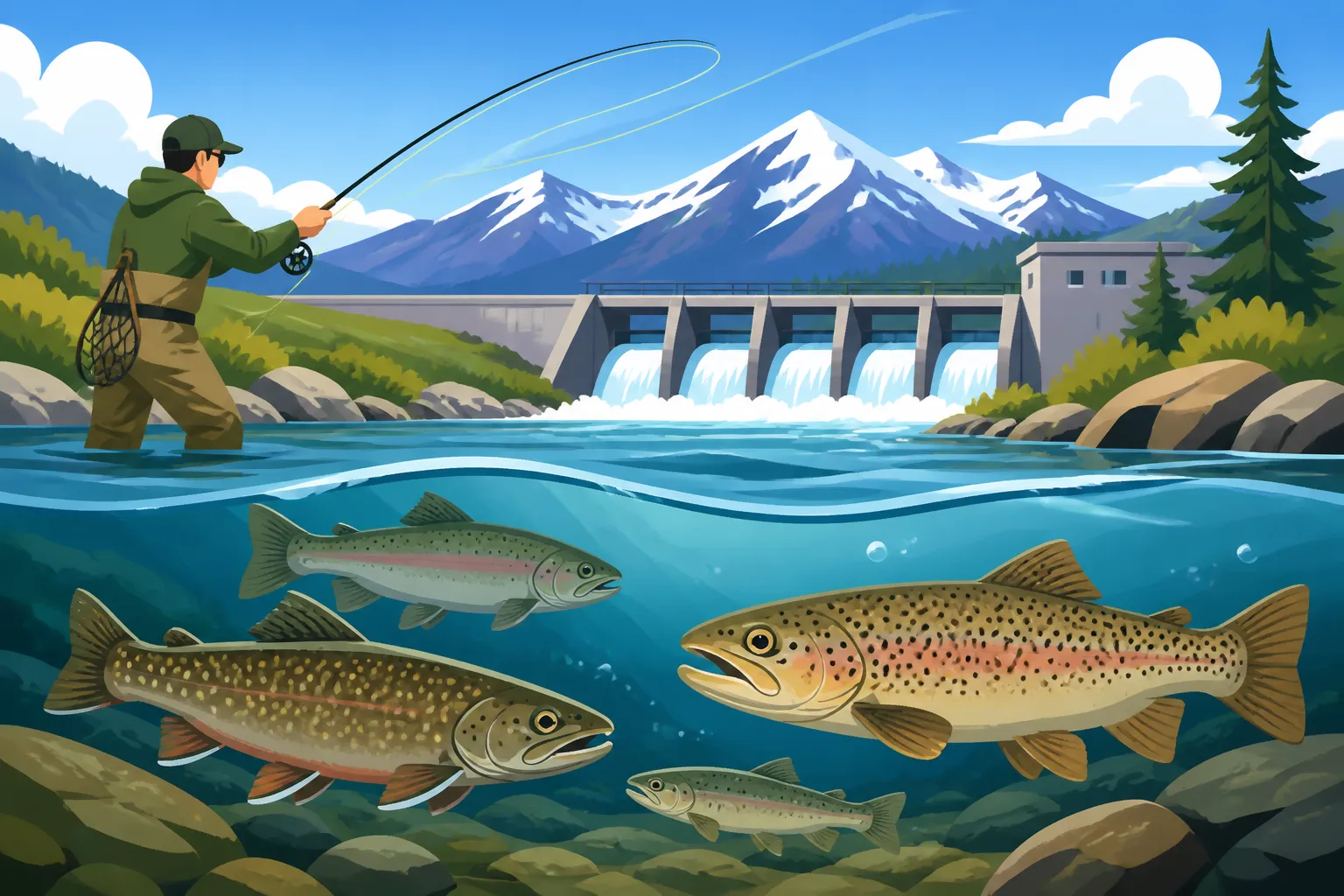
Let's start by clarifying what we mean when we talk about a "coldwater tailwater." These aren't just any river or stream; they are truly special ecosystems created by human intervention, specifically by large dams on major rivers. Imagine a vast reservoir holding back immense amounts of water. When water is released from the bottom of that dam, it creates a unique downstream environment.
What Makes a Tailwater "Coldwater"?
The key to a tailwater's coldwater designation lies in where the water is drawn from the reservoir. Deep within large reservoirs, water temperatures remain remarkably stable and cold throughout the year, even during the hottest summer months. When this frigid water is released, it cools the downstream river section dramatically, creating a consistently cold and oxygen-rich environment for miles below the dam. This contrasts sharply with "freestone" rivers, which are fed by snowmelt and surface runoff and experience much wider temperature swings, warming significantly in summer and often freezing in winter. This stable, chilly outflow from the dam creates a predictable habitat, almost like a giant, natural refrigerator for fish.
These consistent cold temperatures are a blessing for coldwater fish species. While freestone rivers might see water temperatures fluctuate from near-freezing to 70 degrees or more in a single year, a tailwater often stays within a much narrower, cooler band, perhaps from the high 30s to the low 50s. This stability means less thermal stress for fish, allowing them to focus more energy on feeding and growing. It also fosters a rich, consistent aquatic insect life, which is the primary food source for many of these coldwater residents. The constant flow from the dam also ensures excellent oxygenation, another critical factor for trout and other sensitive species.
The Ideal Habitat for Specific Fish
The consistent cold temperatures, stable flows, and high oxygen levels of a tailwater create an almost perfect incubator for aquatic insect life. Unlike freestone rivers that might see dramatic insect hatches tied to seasonal temperature shifts, tailwaters often have continuous, prolific hatches of certain species, especially midges and blue-wing olives. These tiny insects provide a year-round buffet for the fish. In addition to these smaller insects, you'll also find caddisflies and various stoneflies, especially in sections closer to the dam or where the water flows over more varied substrate.
The productivity isn't just about insects; the nutrient-rich water from the reservoir also contributes to a thriving ecosystem. This consistent food supply, combined with stable water conditions, means fish in tailwaters often grow larger and fatter than their counterparts in more volatile freestone environments. They don't have to expend as much energy dealing with temperature extremes or searching for scarce food. This is why some of Colorado's most renowned trophy trout fisheries are, in fact, coldwater tailwaters. If you're looking to catch some truly impressive fish, understanding these unique habitats is your first step. Before heading out, always be sure to check Colorado Fishing Regulations Every Angler Should Know for specific rules regarding the tailwater you plan to visit.
The Dominant Trout Species in Colorado's Tailwaters
When you cast a line into a Colorado coldwater tailwater, there's a very high probability you'll be targeting trout. These species are perfectly adapted to the consistent, oxygen-rich, insect-laden environments that tailwaters provide.
Rainbow Trout: The Tailwater Staple
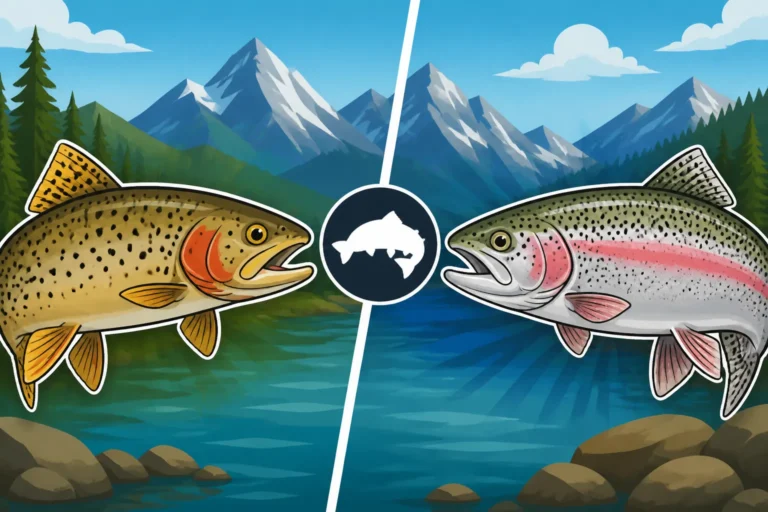
Rainbow trout are, without a doubt, one of the most common and beloved residents of Colorado's coldwater tailwaters. They absolutely thrive in the cold, clean, and highly oxygenated water that flows from beneath a dam. Their preference for consistent temperatures and abundant insect life makes tailwaters a perfect home. Rainbows are known for their voracious appetites, readily feeding on the constant hatches of midges, blue-wing olives, and caddis that these rivers offer. You can find more specific details about their distribution in Rainbow Trout in Colorado, Where They're Stocked.
What makes rainbow trout so exciting for anglers is their fighting spirit. When hooked, they're famous for their acrobatic leaps and powerful runs, often stripping line off your reel with impressive speed. In many tailwaters, you'll encounter a mix of stocked fish, which help maintain healthy populations and provide consistent angling opportunities, and wild, self-sustaining populations that have adapted to the specific conditions. These fish often grow to impressive sizes, frequently reaching 16-20 inches or more in particularly productive tailwaters, making them a fantastic challenge for both fly and spin anglers.
Brown Trout: Opportunistic Predators
While rainbow trout are the reliable staple, brown trout bring a different kind of thrill to Colorado's tailwaters. These magnificent fish are often wild residents, establishing self-sustaining populations that thrive on the abundant food sources. Brown trout have a slightly higher tolerance for varied water conditions than rainbows, but they still absolutely flourish in the cold, clear, and insect-rich tailwater environment. They are known for their cunning and wary nature, often holding in deeper, more complex pockets of water, under cut banks, or near submerged structure.
Brown trout are incredibly opportunistic predators. While they'll certainly feast on the same insect hatches as rainbows, they aren't shy about pursuing larger prey. As they grow, their diet often expands to include baitfish, sculpins, and even small rodents or reptiles that fall into the water. This predatory instinct means that while nymphing for browns is effective, swinging large streamers or even throwing spin gear with lures mimicking baitfish can often entice the biggest fish. In Colorado's most famous tailwaters, brown trout frequently grow to trophy sizes, sometimes exceeding 25 inches, and their powerful, bulldogging fight is a testament to their strength. Brown Trout in Colorado, Where They're Wild delves deeper into their wild populations.
Cutthroat Trout and Hybrids: Native and Unique
While pure native cutthroat trout subspecies—like the Colorado River Cutthroat Trout, Where to Find Them or Greenback Cutthroat—are more commonly associated with pristine, high-altitude freestone streams and protected wilderness areas, you might still encounter them, or more likely their hybrid cousins, in certain tailwater sections. Cutthroat trout are highly sensitive to habitat degradation and competition from non-native species, making their presence in highly altered tailwaters less common, especially if those waters have a long history of stocking non-native trout.
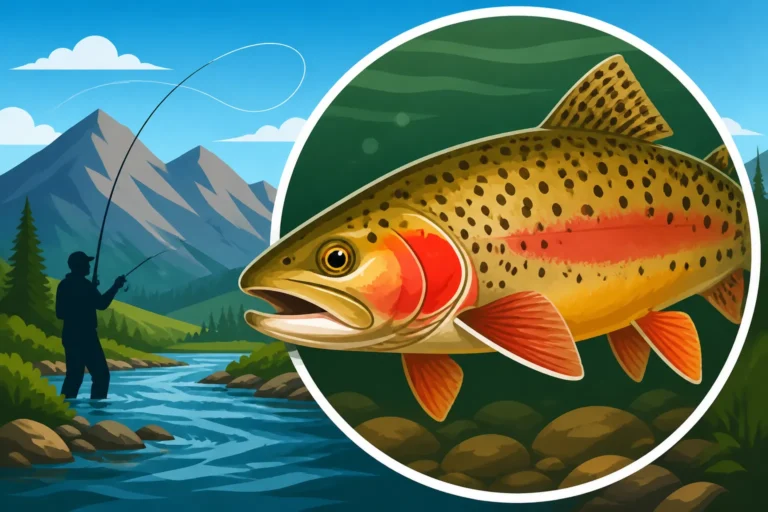
However, a common sight in some tailwaters are "cutbows"—a fertile hybrid resulting from the interbreeding of rainbow trout and cutthroat trout. These hybrids often exhibit characteristics of both parents, sometimes showing the distinctive red slash under the jaw of a cutthroat combined with the spotting pattern and aggressive feeding of a rainbow. Cutbows are often very robust fish, capable of thriving in the tailwater environment. While pure native cutthroat populations are often the focus of conservation efforts to prevent hybridization, the cutbows themselves provide another exciting and beautiful species for anglers to pursue in these coldwater habitats. For a deeper understanding of their lineage, you might want to learn about Telling a Cutbow From a Pure Cutthroat.
Beyond Trout: Other Coldwater Tailwater Residents
While trout dominate the conversation in Colorado's coldwater tailwaters, they aren't always the only fish in the river. Sometimes, you'll find other species that have adapted to these unique conditions or venture into them from connecting bodies of water.
Mountain Whitefish: An Often Overlooked Native
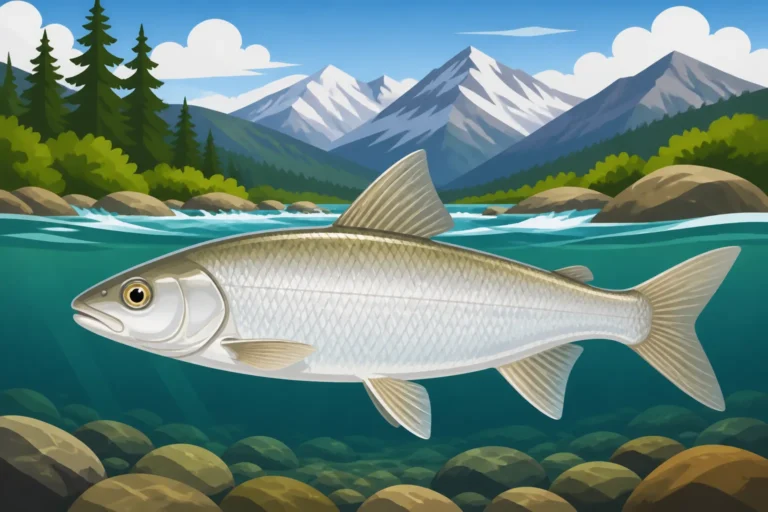
The mountain whitefish is a fascinating and often overlooked native species that shares many of the same coldwater river habitats as trout, especially in tailwaters. These fish are generally elongated with a small, downward-facing mouth, perfectly adapted for sifting through the river bottom for insect larvae. While not as flashy or hard-fighting as trout, they are an integral part of the ecosystem and can provide a fun, albeit different, angling experience. You can read more about them in Mountain Whitefish in Colorado's Rivers.
Mountain whitefish are bottom feeders, primarily consuming aquatic insects, nymphs, and larvae. They are a good indicator of a healthy, coldwater environment. Often, when you're nymphing for trout in a tailwater, you'll feel a subtle take that turns out to be a whitefish. They typically put up a surprisingly strong, deep fight, often hugging the bottom before coming to the net. While many anglers consider them a "bycatch" when targeting trout, they are a beautiful native species and a welcome sight, signaling a robust and diverse aquatic environment. Some anglers even find them quite tasty, with delicate white meat.
The Occasional Intruder: From Upstream or Downstream
While tailwaters are predominantly trout fisheries, you might, on rare occasions, encounter other species that venture into these cold flows from connecting waters. For instance, if the tailwater flows out of a reservoir that holds kokanee salmon, you might see these vibrant red fish pushing into the lower river sections during their fall spawning runs. These are not typically resident fish of the tailwater itself, but rather temporary visitors with a singular purpose.
Similarly, if a tailwater eventually flows into a warmer, slower-moving river section or another reservoir that supports warmwater species, you might find an occasional stray largemouth bass, walleye, or even northern pike venturing upstream into the colder, faster flows, especially if there's an abundance of baitfish. These instances are generally rare and highly localized, making them more of a curious anomaly than a consistent target for anglers. However, it's a good reminder that river systems are interconnected, and nature sometimes throws a curveball. Always consult the local regulations or a resource like Colorado's fishing atlas (often available on Amazon for physical maps or online) to understand what species are typically found and legally harvestable in the specific stretch of water you're fishing.
Tailwater Fishing Success: Understanding Their Habits
Fishing Colorado's coldwater tailwaters can be incredibly rewarding, but it often requires a nuanced approach. The fish here are accustomed to consistent conditions and abundant food, which can make them quite selective. Understanding their habits is key to a successful day on the water.
Reading the Water: Where Fish Hold
In a tailwater, just like any river, fish aren't randomly distributed. They hold in specific locations where they can expend the least energy while maximizing their feeding opportunities. Look for current seams where fast water meets slow water; these are prime ambush points where insects drift by but the fish can hold comfortably out of the main current. Deep pools and runs offer security and consistent temperatures, especially during colder months or bright sunlight. Riffles, those bubbly, shallow sections, are often highly oxygenated and can be teeming with insects, making them excellent feeding zones.
Structure is also incredibly important. Submerged rocks, fallen logs, undercut banks, and even changes in the river bottom provide shelter from currents and predators. Understanding these holding lies is fundamental. For example, a large brown trout might be tucked deep under an overhanging bank, while a school of rainbows could be stacked in the eddy created by a prominent boulder. Learning to "read the water" is a skill that develops over time, but observing the flow and imagining where a fish would logically position itself for comfort and food will greatly increase your chances of finding them. Many excellent guides and books on this topic can be found on Amazon, which are invaluable for both beginners and experienced anglers.
Matching the Hatch and Beyond
The consistent aquatic insect life in tailwaters means that fish can become incredibly selective feeders. If thousands of tiny blue-wing olives are hatching, the trout are likely focused on those insects. Therefore, "matching the hatch" – presenting a fly or lure that closely imitates the size, shape, and color of the natural insects currently available – becomes paramount. Midges are a year-round staple in most tailwaters, and mastering tiny midge patterns (often size 20 or smaller) is a must, particularly in winter. Matching the Hatch on Colorado's Tailwaters offers more specific guidance on this. Blue-wing olives (BWOs) are another critical hatch, especially in spring and fall, providing intense dry fly action.
Given the depth and consistent flows of tailwaters, nymphing techniques are often the most effective. This involves drifting weighted fly patterns that imitate insect larvae and nymphs along the river bottom. Setting up a proper nymph rig, with the right amount of weight and indicator, is crucial for getting your flies into the fish's feeding zone. For a detailed breakdown, check out Nymphing Techniques for Colorado Tailwaters. While nymphs often dominate, don't underestimate the power of streamers for enticing larger, predatory brown trout, especially during low light conditions or when targeting aggressive fish. Even spin anglers can find success with small jigs or inline spinners that mimic the abundant aquatic life or small baitfish found in these productive waters. Remember that water temperature plays a significant role in fish activity, and you can often find water thermometers on Amazon to help you understand what's happening below the surface.
Disclaimer
This article is for general informational purposes only and does not constitute professional advice. Laws, prices and regulations vary by location and change over time. Consult a qualified professional for guidance on your specific situation.