Can Rainbow and Cutthroat Trout Interbreed?
As a passionate angler who’s spent countless hours exploring Colorado's pristine rivers and hidden high-country lakes, I've heard this question whispered around many campfires and debated endlessly in fly shops: can rainbow trout and cutthroat trout actually interbreed? It's a natural question, especially when you reel in a fish that seems to have a little bit of everything – the vibrant spots of a rainbow, but with that tell-tale red slash under the jaw that screams "cutthroat." This guide is here to untangle the genetics, explain why it happens, and what it means for you on your next Colorado fishing adventure.
Understanding Colorado's Trout Family Tree
Before we dive into the fascinating world of hybrids, it’s helpful to get a clear picture of the two main players in this genetic tango: the rainbow trout and our cherished native cutthroat. They both call Colorado home, but their stories and characteristics are quite distinct.
The Rainbow Trout: A Widespread Favorite
Rainbow trout ( Oncorhynchus mykiss) are probably the most recognized trout species in the world, and certainly in Colorado. They're adored by anglers for their spirited fights and willingness to bite. What makes rainbows so common here? Well, they're incredibly adaptable. They can thrive in a huge range of water conditions, from cold, clear mountain streams to warmer, nutrient-rich reservoirs. This adaptability, combined with their rapid growth rate, has made them a favorite for stocking programs across the state, including in many of our urban ponds and larger reservoirs.
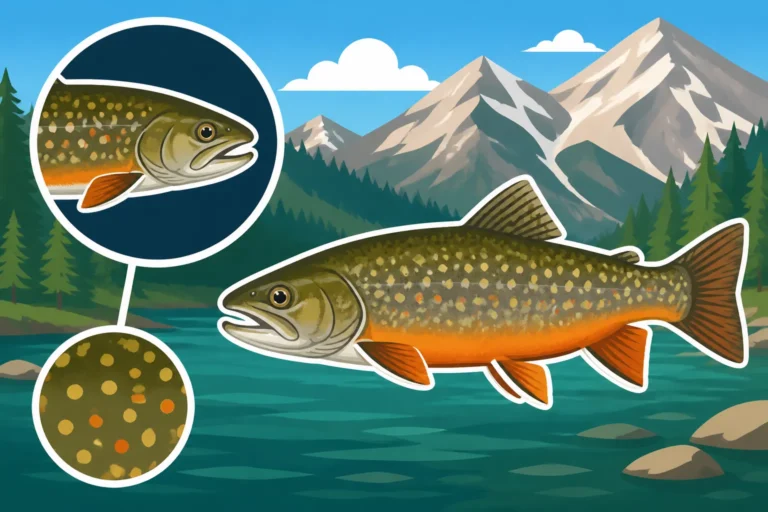
You'll typically find rainbow trout with a distinct pink or red band running along their sides, especially prominent during spawning season. Their bodies are usually covered in small, dark spots, which extend into their dorsal, caudal, and adipose fins. They're a fantastic fish for beginners and seasoned pros alike, often readily taking flies, lures, and bait. They are an introduced species to much of Colorado, but they've certainly made themselves at home, providing endless angling opportunities for all of us.
Colorado's Cherished Cutthroat Trout
Now, let's talk about our true native royalty: the cutthroat trout (Oncorhynchus clarkii). Colorado is home to several subspecies of cutthroat, each with its own unique history and distribution, including the Greenback Cutthroat, Colorado River Cutthroat, and Rio Grande Cutthroat. These are the fish that were here long before European settlers, navigating our rivers and lakes for millennia. They are incredibly important from an ecological standpoint, representing a vital piece of Colorado's natural heritage.
The most distinctive feature of any cutthroat is, of course, the vivid red, orange, or yellow "cut" marks under the lower jaw, which gives them their name. Beyond that, their coloration can vary quite a bit depending on the subspecies and their environment, but generally, they tend to have larger, more irregularly shaped spots, often concentrated towards the tail. Conservation efforts are fiercely focused on protecting and restoring these native populations, ensuring their genetic purity and habitat. When you catch a cutthroat, especially a native one, you're not just landing a fish; you're connecting with a living piece of Colorado's wild history. It’s why organizations work so hard on Greenback Cutthroat Trout Recovery in Colorado and other native species.
The Phenomenon of Hybridization: Enter the "Cutbow"
So, with these two distinct fish in the same waters, what happens when nature takes its course? The answer is a fascinating blend: the "cutbow."
How Interbreeding Occurs in the Wild
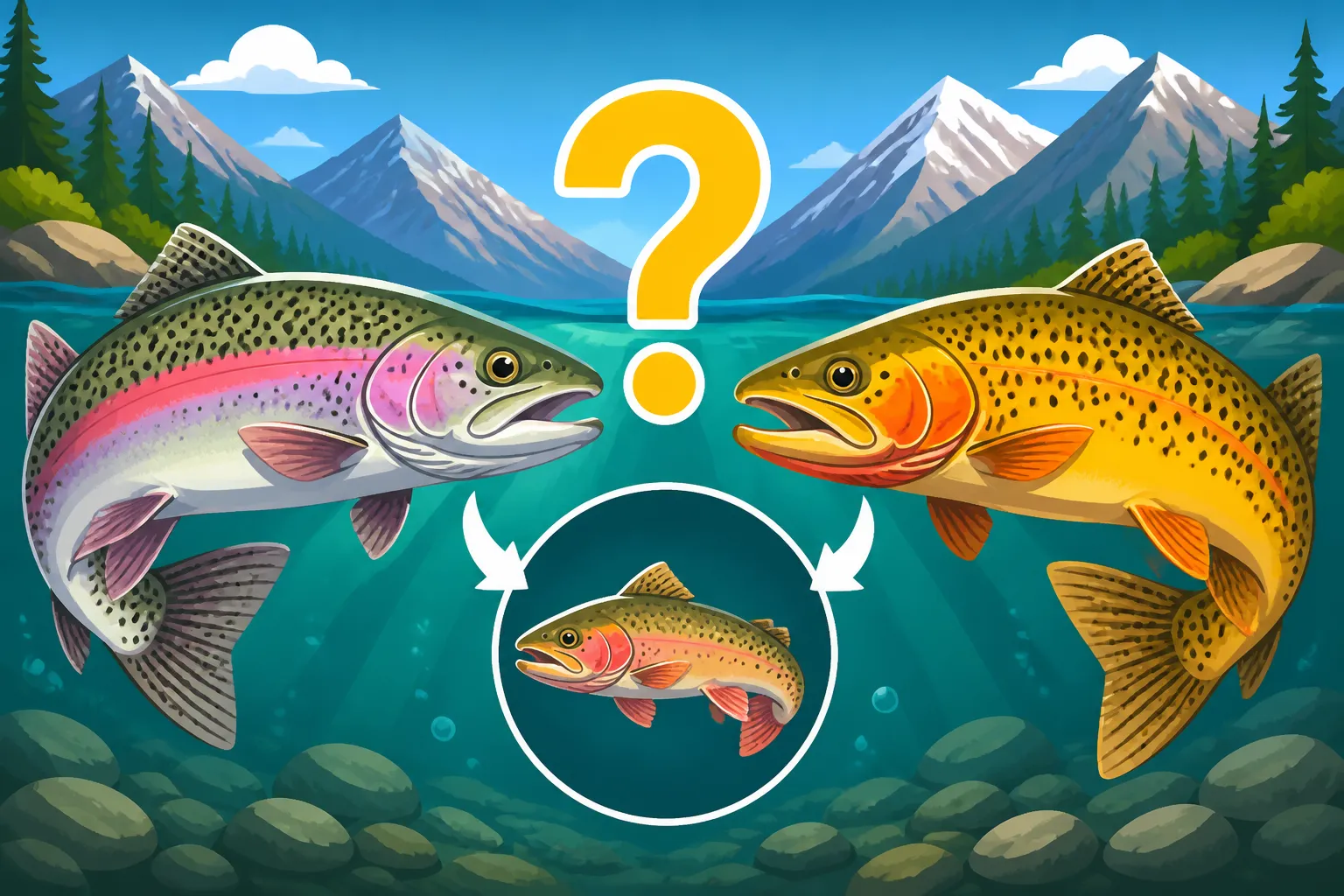
Yes, rainbow trout and cutthroat trout can, and often do, interbreed in the wild. This happens primarily because they are closely related genetically, belonging to the same genus (Oncorhynchus). Think of it like a coyote and a domestic dog – different species, but genetically close enough to produce viable offspring. When rainbow trout and cutthroat trout share the same spawning grounds and have similar spawning times, the opportunity for cross-breeding arises. This is particularly common in river systems where stocked rainbows are introduced into waters that also support native or even introduced populations of cutthroat trout.
Environmental factors can also play a role. Sometimes, habitat changes or pressures on one species can increase the likelihood of interbreeding, as individuals might be forced to spawn in less-than-ideal locations or with fewer conspecific mates. The resulting offspring, known colloquially as "cutbows," are fertile, meaning they can reproduce themselves, further complicating the genetic landscape. This is one of the biggest challenges for managing wild trout populations, as these hybrids can sometimes outcompete or genetically dilute pure native strains, a topic we'll explore more soon.
Identifying a "Cutbow" in Colorado Waters
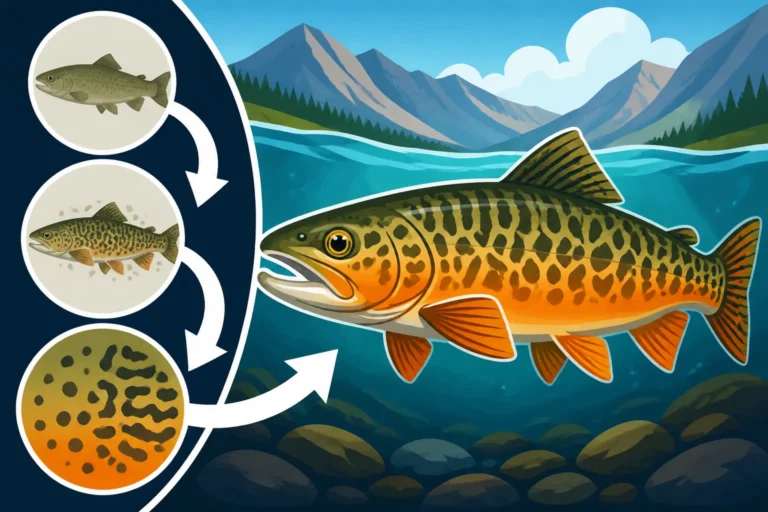
Identifying a cutbow can be a real head-scratcher, even for experienced anglers. It’s like trying to tell if a dog is a purebred lab or a lab-mix – you see traits from both parents. A cutbow will typically display a mix of characteristics from both rainbow and cutthroat trout, making it a truly unique catch. You might see the distinctive red/orange slash under the jaw, characteristic of a cutthroat, but combined with the more evenly distributed, smaller spots and the faint pink lateral band of a rainbow. The spots might be more numerous and spread further down the body than on a pure cutthroat, but less dense and uniform than on a typical rainbow.
The fins can also offer clues. Sometimes the fins will show a mix of patterns or colors. Because of this blending, it can be notoriously difficult to make a definitive identification without genetic testing, especially when the fish is a few generations removed from the original cross. Many anglers simply marvel at these beautiful, genetically diverse fish. You can find many excellent guides and posters on sites like Amazon that illustrate the differences, helping you get a better eye for identification on the water. For a deeper dive into these subtle differences, check out our guide on Telling a Cutbow From a Pure Cutthroat.
The Ecological and Angling Implications of Cutbows
While cutbows are certainly beautiful and fun to catch, their existence in the wild raises significant concerns, particularly for the conservation of Colorado's native trout species.
Threats to Native Cutthroat Purity
The primary concern with rainbow-cutthroat interbreeding is the genetic dilution of native cutthroat populations. Our native cutthroats have adapted over thousands of years to the specific conditions of Colorado's high-altitude waters. They possess unique genetic traits that allow them to survive and thrive in these environments. When they interbreed with non-native rainbow trout, these unique genetic blueprints can become diluted. Each successive generation of hybrids moves further away from the pure genetic strain of the native cutthroat.
This genetic "pollution" can undermine decades of painstaking conservation work aimed at restoring native cutthroat to their ancestral waters. Imagine trying to restore a rare painting, only to have new colors constantly mixed in – it loses its original integrity. The long-term consequences are profound: a loss of genetic diversity, a reduced ability for native species to adapt to environmental changes, and ultimately, the potential loss of these unique fish that define Colorado's aquatic heritage. This is exactly Why Interbreeding Threatens Native Cutthroat Populations.
Management Strategies and Angler Responsibility
Colorado Parks and Wildlife (CPW) actively implements various strategies to minimize the impact of cutbows and protect native cutthroat populations. One common approach involves selective stocking practices, where CPW might stock waters with sterile rainbow trout (called triploids) in areas adjacent to or upstream from native cutthroat recovery zones. Sterile fish can't reproduce, preventing them from contributing to the hybrid problem. Another strategy involves physical barriers, like waterfalls or artificial structures, to prevent upstream migration of rainbows into native cutthroat habitats.
As anglers, we have a crucial role to play in these conservation efforts. First and foremost, educating ourselves on trout identification is key. If you're fishing in a known native cutthroat recovery water, extra care in identifying your catch is essential. Many regulations are specifically designed to protect native cutthroats, sometimes requiring immediate release or imposing very strict bag limits. Always consult the most current Colorado fishing regulations brochure for the specific waters you plan to fish. Understanding the nuances of catch-and-release, especially for sensitive native species, helps ensure their survival. Resources like field guides, often available on Amazon or from local fly shops, can be incredibly helpful for identification.
| Feature | Rainbow Trout | Native Cutthroat Trout | Cutbow (Hybrid) |
|---|---|---|---|
| Lateral Band | Often prominent pink/red band along the side | Usually absent or very faint | Can have a faint or patchy pinkish band |
| Jaw Slash | Absent | Distinct red, orange, or yellow slash under jaw | Present, but may be faded or less vibrant |
| Spotting Pattern | Numerous, small, dark spots, evenly distributed | Larger, irregular spots, often concentrated near tail | Mixed pattern, spots can be variable, sometimes denser than pure cutthroat |
| Fin Spots | Spots often extend onto dorsal, caudal, adipose fins | Fewer spots on fins, sometimes clear | Variable, some fin spotting may be present |
| General Coloration | Silvery to olive green, bright | Olive to bronze, can be darker or richer | Intermediate, blending colors from both parents |
| Tail Shape | Often slightly forked | Can be slightly forked or square | Variable, often slightly forked |
Fishing for Hybrids: What Anglers Need to Know
Encountering a cutbow adds an extra layer of excitement and challenge to your fishing trip. Knowing where to look and what regulations apply can make all the difference.
Where You Might Encounter Cutbows
Cutbows are most likely found in waters where both rainbow trout and cutthroat trout populations overlap. This typically means rivers, streams, and even some reservoirs that are fed by streams where both species reside or where rainbows have been historically stocked in close proximity to cutthroat habitat. Many of Colorado's well-known fisheries, particularly those with a history of extensive stocking, could potentially hold cutbows. You might find them in high-country lakes where both species were introduced, or in tailwater fisheries that connect to areas with native cutthroat populations.
It's not uncommon to fish a stretch of river and catch a pure rainbow, followed by a cutbow, and then a pure cutthroat, all within a short distance! This makes every catch an exciting opportunity for identification. Popular rivers and reservoirs that offer diverse trout populations are often the prime spots for encountering these hybrids. Being prepared with the right gear, whether it's a trusty fly rod or a spin casting setup you bought from Amazon, will serve you well no matter what you hook into.
Legalities and Regulations
When it comes to legalities, the general rule of thumb in Colorado is that cutbows are typically managed under the same regulations as rainbow trout, unless specified otherwise for particular waters. However, this is where it gets critical for anglers: you must always verify the specific regulations for the water you are fishing. Some waters, particularly those designated as native cutthroat recovery areas or Gold Medal Waters, will have very specific rules regarding possession limits, size restrictions, or even mandatory catch-and-release for certain species. Our Colorado Fishing Regulations Every Angler Should Know guide is a great starting point, but nothing beats reading the current year's official CPW brochure.
The distinction between a cutbow and a pure native cutthroat is especially important in these sensitive areas. Misidentifying a protected native cutthroat as a cutbow and keeping it could lead to legal trouble, not to mention harm conservation efforts. Always err on the side of caution. If you're unsure, it's best to practice responsible catch-and-release. Knowing Colorado Bag and Possession Limits by Species is crucial, but remember, specific waters can have their own, more restrictive rules.
Disclaimer
This article is for general informational purposes only and does not constitute professional advice. Laws, prices and regulations vary by location and change over time. Consult a qualified professional for guidance on your specific situation.