How Many of Colorado’s Fish Species Are Native
It's easy to assume that all the fish swimming in Colorado's magnificent rivers and serene high-country lakes are simply from here, naturally part of the landscape. But the truth is far more complex, and it can be a real eye-opener for anglers who are passionate about the state's aquatic health. This guide will take you through the fascinating — and sometimes concerning — story of Colorado's fish populations, shedding light on just how many of our species are truly native to these waters and why understanding this difference is so crucial for everyone who enjoys casting a line here.
Defining "Native" in Colorado's Aquatic Ecosystems
When we talk about "native" fish in Colorado, we're not just talking about any fish that now reproduces successfully in a river or lake. We're referring to species that existed here before significant human intervention, particularly the widespread stocking programs that began in the late 19th and early 20th centuries. Think of it as the original inhabitants of the aquatic world, perfectly adapted to Colorado's unique geology, climate, and water conditions.
The concept of "native" is vital because these fish have evolved over millennia to thrive in specific Colorado habitats. They have intricate relationships with other native plants and animals, forming a delicate ecological balance. When non-native species are introduced, even if they're popular sport fish, they can disrupt this balance, often outcompeting or preying on the native fish, or even introducing diseases. This is a critical distinction, especially in a state like Colorado, where so much effort goes into maintaining and restoring our unique natural heritage. It's a conversation you'll hear a lot amongst serious conservationists and fly fishermen alike, often centered around our precious Colorado's Native Cutthroat Trout Subspecies.
The Timeframe of "Native" Status
For most scientific and management purposes, "native" generally refers to species present in Colorado before European settlement and the extensive modifications of our waterways. This pre-settlement benchmark helps us understand the baseline, the original ecological blueprint of our rivers and lakes. It's a period before dams altered flows, before irrigation canals rerouted water, and before railroad cars hauled countless barrels of trout from other states to stock our mountain streams.
Consider the landscape of Colorado a couple of centuries ago: vast prairie rivers, meandering foothills streams, and isolated high-country lakes. The fish species present then were uniquely suited to these conditions. When we introduce a fish species from another continent or even another part of North America, it might survive and even flourish, but it's not "native" to Colorado. It's an interloper, sometimes a benign one, but often with unforeseen consequences for the original inhabitants. This historical perspective helps us appreciate the true rarity and importance of our remaining native populations.
The Actual Count: How Many Fish Species Are Truly Native to Colorado?
This is where it gets really interesting, and perhaps a little surprising. Despite Colorado being a renowned fishing destination, the number of truly native fish species is relatively modest, especially when compared to the sheer diversity found in other parts of the country. Colorado is home to approximately 15 native fish species. Yes, just around 15.
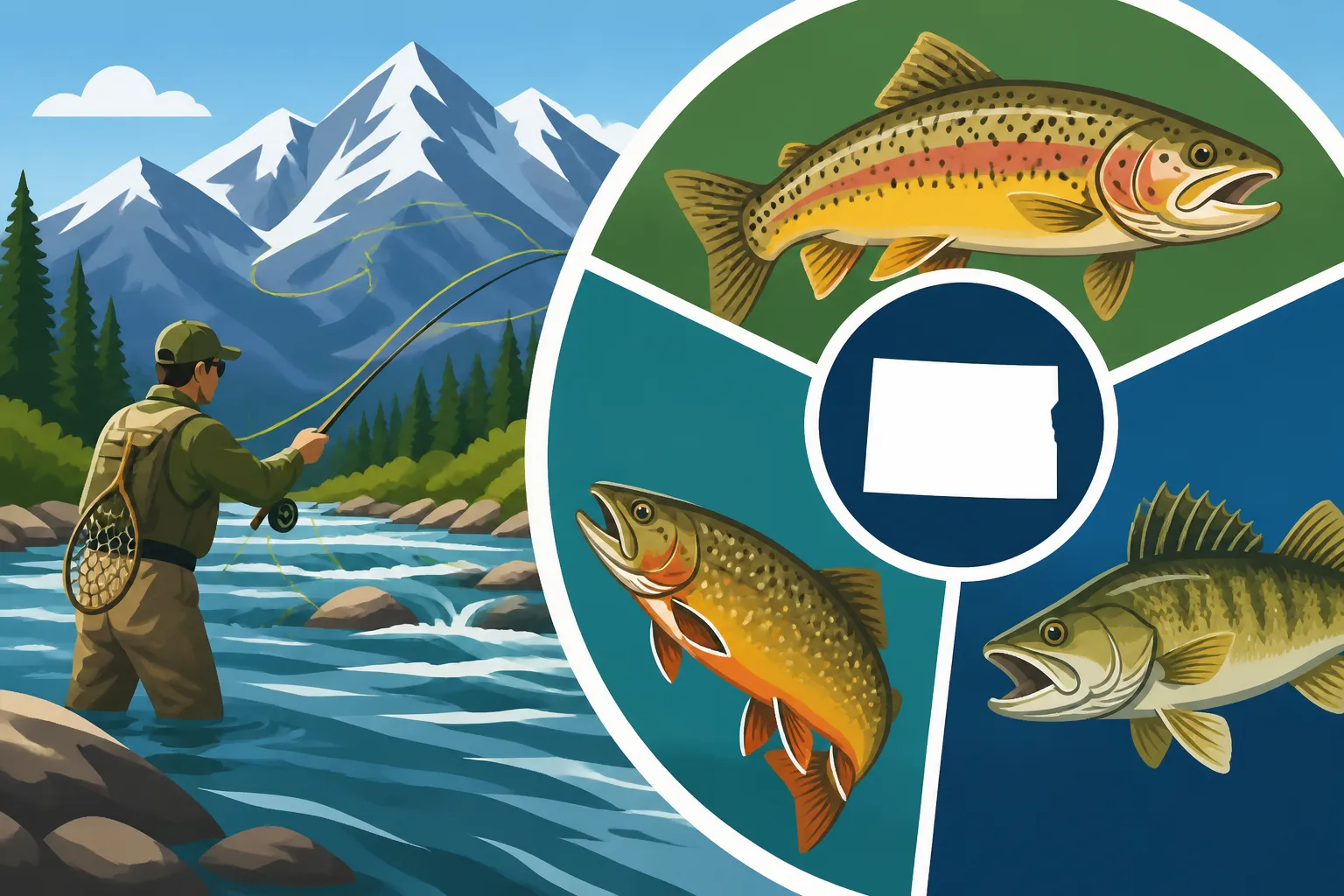
This might seem like a small number, particularly if you've explored our waters and encountered a wide array of trout, bass, walleye, and pike. But most of those popular game fish you love to catch were actually introduced. Our native roster includes several subspecies of cutthroat trout, various minnows, suckers, and some unique large river fish. For a deeper dive into the fish you might encounter, check out Colorado's Trout Species, A Field Guide.
Who Are Colorado's Native Aquatic Residents?
Let's meet some of the real natives. When we talk about native fish, the cutthroat trout immediately comes to mind. Colorado once had four distinct subspecies of cutthroat trout, though today the Greenback, Colorado River, and Rio Grande cutthroats are the primary focus of recovery efforts. The fourth, the Yellowfin cutthroat, is unfortunately extinct.
- Greenback Cutthroat Trout: Our state fish, once thought extinct, is now the subject of intense recovery efforts. Finding a pure greenback is a rare and special experience, often restricted to specific, protected waters. Colorado's State Fish, the Greenback Cutthroat Trout goes into more detail.
- Colorado River Cutthroat Trout: As the name suggests, this cutthroat is native to the Colorado River drainage on the Western Slope. These fish are incredibly beautiful and resilient, thriving in many of our pristine mountain streams. Learn more in Colorado River Cutthroat Trout, Where to Find Them.
- Rio Grande Cutthroat Trout: Found in the waters of the Rio Grande basin in southern Colorado, these cutthroats are another vital piece of our native fish puzzle. They contribute to the unique biodiversity of that region. You can find them in the Rio Grande Cutthroat Trout in the San Luis Valley.
Beyond the charismatic cutthroats, our native fish community also includes a variety of lesser-known but equally important species:
- Various Suckers: Fish like the Flannelmouth Sucker, Bluehead Sucker, and White Sucker are crucial components of healthy aquatic ecosystems. While not typically targeted by anglers, they play vital roles in the food web and nutrient cycling.
- Minnows and Chubs: Species such as the Speckled Dace, Fathead Minnow, and various chubs (like the Colorado Chub) are small but ecologically significant, often forming the base of the food chain for larger predators.
- Large River Fish: In the larger, warmer rivers of western Colorado, species like the Colorado Pikeminnow and Humpback Chub once thrived. These unique, ancient-looking fish are now federally endangered and represent a truly unique part of our native heritage. It's crucial to know What to Do If You Catch an Endangered Fish by Accident.
It's a stark contrast to the hundreds of fish species found in some other states, but each of these 15 or so native species is incredibly important. They represent the original biodiversity of Colorado's waters, adapted to survive the challenging conditions of a high-altitude, semi-arid environment.
Here’s a look at some of Colorado’s key native fish species:
| Species Name | General Habitat | Conservation Status | Angler Interaction |
|---|---|---|---|
| Greenback Cutthroat Trout | Cold mountain streams, high-elevation lakes | State Threatened, Federally Threatened (specific populations) | Catch-and-release only, very limited legal angling |
| Colorado River Cutthroat Trout | Cold mountain streams, Western Slope drainages | Species of Special Concern, focus of recovery efforts | Catch-and-release often encouraged, some harvest in specific waters |
| Rio Grande Cutthroat Trout | Cold mountain streams, Rio Grande Basin | Species of Special Concern, conservation in focus | Catch-and-release often encouraged, some harvest in specific waters |
| Colorado Pikeminnow | Large, warm rivers (Colorado River basin) | Federally Endangered | Illegal to possess, accidental catches must be immediately released |
| Humpback Chub | Large, warm rivers (Colorado River basin, canyons) | Federally Endangered | Illegal to possess, accidental catches must be immediately released |
| Bonytail Chub | Large, warm rivers (Colorado River basin) | Federally Endangered | Illegal to possess, accidental catches must be immediately released |
| Razorback Sucker | Large, warm rivers (Colorado River basin) | Federally Endangered | Illegal to possess, accidental catches must be immediately released |
| Flannelmouth Sucker | Large rivers, tributaries | Native, generally stable | Nongame, occasionally caught accidentally |
| Bluehead Sucker | Cold to warm rivers and streams | Native, generally stable | Nongame, occasionally caught accidentally |
| Speckled Dace | Small streams, tributaries | Native, generally stable | Nongame, rarely targeted |
A Changing Landscape: Why Non-Native Species Flourished
If Colorado only has around 15 native fish species, how is it that we have such an incredible diversity of angling opportunities, from trophy lake trout to feisty smallmouth bass? The answer lies in the extensive introduction of non-native species over the past 150 years. This wasn't always done maliciously; often, it was an attempt to create new fishing opportunities or to adapt to changing water conditions.
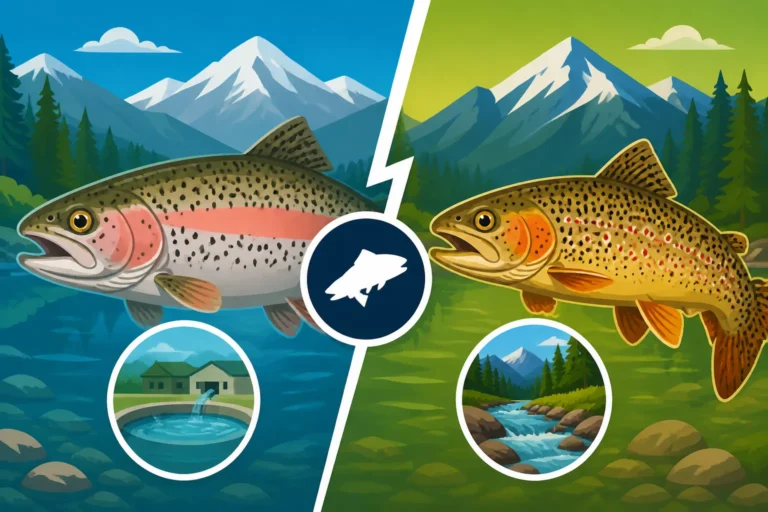
The major driver was the desire for sport fishing. Early settlers and resource managers saw Colorado's vast waterways as untapped potential for species that were popular back East or in Europe. Trout species like rainbows, browns, and brook trout, not originally from Colorado, were introduced en masse because they were prized game fish and could adapt to the state's cold, clear waters. Even the ever-popular Kokanee salmon, a landlocked sockeye, was introduced to provide a unique coldwater fishery.
The Era of Stocking and Introductions
The late 1800s and early 1900s saw an explosion of fish stocking. Fish cars on railroads would transport species from other regions, distributing them into Colorado's rivers and lakes with the best intentions. It was a different era, with less understanding of ecology and the long-term impacts of introducing non-native species. Fast-forward to today, and you'll find that popular game fish like rainbow trout are extensively stocked by Colorado Parks and Wildlife (CPW) in lakes, reservoirs, and many rivers to meet angler demand. For those interested in the details of these efforts, understanding Reading Colorado's Weekly Stocking Report can be quite insightful.
But it wasn't just deliberate stocking. Other factors contributed:
- Bait Bucket Introductions: Anglers sometimes release unused bait fish (which can be non-native) into new waters, unintentionally introducing new species that can then establish breeding populations.
- Accidental Escapes: Fish from private ponds or aquaculture operations can escape into natural waterways, further diversifying the non-native population.
- Habitat Alterations: The construction of dams, reservoirs, and irrigation canals changed the natural flow and temperature regimes of many rivers. These altered habitats sometimes became more suitable for certain non-native species than for the natives, which had evolved for the original conditions.
The impact of these introductions has been profound. While they created the diverse sport fisheries we enjoy today, they also put immense pressure on our native species. Non-native trout can outcompete native cutthroats for food and habitat, and even worse, they can hybridize with them, diluting the genetic purity of our indigenous populations. This threat of interbreeding is a major challenge for cutthroat conservation, as explained in Why Interbreeding Threatens Native Cutthroat Populations. Predatory non-native fish like northern pike can also devastate populations of native minnows and chubs.
For anglers looking to learn more about the history of these introductions and their impact, there are excellent resources available. You can find comprehensive books on Colorado's aquatic history and fish identification guides, often available on platforms like Amazon, that provide deep dives into this complex topic. These kinds of books are invaluable for understanding What Colorado's Native Fish Looked Like Before Trout Were Introduced.
Protecting Our Indigenous Aquatic Treasures: Conservation Efforts
Despite the challenges posed by introduced species and habitat changes, there's a strong and ongoing commitment in Colorado to protect and restore our native fish populations. Colorado Parks and Wildlife, along with numerous conservation groups and passionate volunteers, are working tirelessly to ensure these unique species continue to thrive for future generations.
Key Conservation Strategies
Conservation efforts for native fish in Colorado often involve a multi-pronged approach:
- Habitat Restoration: This is crucial. Restoring natural stream flows, removing obsolete dams, improving riparian areas, and stabilizing stream banks all help create healthier environments where native fish can flourish. Projects often focus on reconnecting fragmented habitats, allowing fish to move freely to spawn and find food.
- Barrier Construction: To prevent hybridization and competition, physical barriers (like waterfalls or specially designed fish barriers) are sometimes constructed to isolate native cutthroat populations from non-native trout. This ensures the genetic purity of the native stock.
- Non-Native Fish Removal: In some critical native fish recovery areas, efforts are made to remove non-native fish, often through electroshocking or even targeted angling efforts, to give the natives a better chance at survival.
- Fish Stocking (of Natives!): While non-native stocking caused many problems, strategic stocking of genetically pure native fish (raised in hatcheries) into restored or protected habitats is a vital tool for recovery. This is particularly true for the Greenback Cutthroat Trout. Greenback Cutthroat Trout Recovery in Colorado details these efforts.
- Angler Education and Regulations: CPW implements specific regulations to protect native species, such as catch-and-release only rules in certain waters, or restrictions on bait. Anglers are encouraged to learn how to identify native species, like telling a cutthroat from a rainbow, which is covered in Identifying Colorado's Native vs Stocked Trout. Education also extends to the importance of cleaning gear to prevent the spread of aquatic invasive species. Many great resources, including field guides for identifying specific species and understanding regulations, can be found readily on Amazon or at local fly shops.
- Genetic Research: Ongoing genetic analysis helps identify pure strains of native fish and guides stocking and recovery decisions. Understanding the genetic makeup of different populations is key to successful long-term conservation.
How Anglers Can Help
As anglers, we have a vital role to play in supporting native fish conservation. It's not just about what you catch, but how you interact with the environment.
- Know Your Fish: Take the time to learn about the fish species you're likely to encounter. Understand the difference between a stocked rainbow and a native cutthroat. This knowledge is not only fascinating but essential for following regulations. Grab a good waterproof field guide – many are available on Amazon – to keep in your pack.
- Follow Regulations: Pay close attention to specific rules for different waters, especially those with native fish populations. This might mean barbless hooks, specific fly-only sections, or catch-and-release mandates.
- Practice Good Catch-and-Release: If you're fishing in waters with native populations, practice careful catch-and-release techniques to minimize stress on the fish. Wet your hands, minimize handling time, and revive fish properly before releasing them.
- Prevent Aquatic Invasive Species: Clean, Drain, Dry your boat and gear thoroughly after each outing to prevent the spread of harmful organisms that can threaten native fish and their habitats. This includes waders, nets, and even wading boots.
- Support Conservation Efforts: Consider purchasing a Colorado's Habitat Stamp, Explained, as the funds directly support wildlife and habitat conservation. You can also volunteer with local conservation groups or donate to organizations dedicated to native fish recovery. Many useful tools for cleaning gear or learning more about conservation can be easily sourced from retailers like Amazon.
While the number of truly native fish species in Colorado might be smaller than many assume, their value is immense. They are a testament to the wild, untamed spirit of our state's waters and a critical part of its ecological heritage. By understanding their story and actively participating in their conservation, we can help ensure that these indigenous aquatic treasures continue to grace Colorado's streams and lakes for generations to come.
Disclaimer
This article is for general informational purposes only and does not constitute professional advice. Laws, prices and regulations vary by location and change over time. Consult a qualified professional for guidance on your specific situation.