Colorado’s Annual, One-Day and Five-Day License Options
One of the most common headaches for any angler, whether you're a seasoned Colorado local or just visiting our beautiful state, is figuring out the labyrinth of fishing licenses. It's not just a matter of "do I need one?" but "which kind do I need?" Trying to balance your trip length, how often you plan to fish, and your budget can feel like a riddle. This comprehensive guide is here to untangle the confusion surrounding Colorado's annual, one-day, and five-day fishing license options, helping you confidently choose the permit that best fits your angling adventures.
Understanding Colorado's Fishing License Structure
Navigating the world of fishing licenses can feel a bit like wading into a new river without a map. Colorado Parks and Wildlife (CPW) offers a few different options to cater to various needs, but the core idea remains the same: you need a valid license to fish almost all public waters in the state if you're 16 or older. This isn't just a bureaucratic hurdle; the fees from these licenses are crucial for funding wildlife conservation, habitat restoration, and stocking programs that keep our fisheries vibrant. When you purchase a license, you're directly contributing to the health of the very ecosystems you enjoy.
Why Different Durations Matter
The reason CPW provides annual, one-day, and five-day licenses boils down to flexibility and fairness. Imagine you're just passing through on a road trip, hoping to wet a line for an afternoon in the Fryingpan River. It wouldn't make much sense, or be very cost-effective, to buy a full annual license. Conversely, if you live in Denver and plan to hit the South Platte every other weekend, a one-day license for each outing would quickly add up to more than an annual pass. These varied durations allow anglers to pick the most economical and convenient option for their specific fishing habits, ensuring everyone contributes appropriately without being overcharged for minimal use. It's about finding that sweet spot between casual access and committed participation in Colorado's fishing scene.
The Base License vs. Additional Stamps
When you're looking at the cost of a Colorado fishing license, it's easy to assume that one price covers everything. However, it's important to understand that the "license" is often just the base fee. In most cases, if you're between the ages of 18 and 64, you'll also need to purchase a Colorado Habitat Stamp. This isn't a separate piece of paper you carry, but rather an additional fee that's added to your total when you buy your license. The Habitat Stamp is vital, as 90% of its proceeds go directly into conserving and improving wildlife habitats across the state, benefiting not just fish but all of Colorado's incredible wildlife. Think of it as your personal contribution to keeping Colorado wild and fishable for generations to come.
Beyond the Habitat Stamp, some anglers might also consider a Second-Rod Stamp. If you plan on fishing with more than one rod, line, or hook at a time in waters where it's permitted (and it's not allowed on all waters, especially Gold Medal Waters), you'll need this extra stamp. This allows you to effectively double your chances, often popular with ice anglers or those targeting different species with varied setups. Always check the specific regulations for the water body you plan to fish, as rules can vary significantly. Understanding these additional requirements is key to a legal and stress-free fishing experience.
Diving Deep into the Annual Fishing License
For many residents and even some dedicated nonresidents, the annual fishing license is the go-to choice. It offers unmatched freedom and typically the best value if you plan on fishing more than a handful of times throughout the year. There's a real sense of peace of mind knowing you're covered for a full season of chasing trout in the mountains or walleye in the plains without constantly worrying about buying a new permit.
Who Benefits Most from an Annual License
The annual license is truly the champion for consistent anglers. If you live in Colorado and find yourself heading to the water even just a few times a month, or if you're a passionate angler who enjoys fishing through various seasons—from spring runoff to fall brown trout runs and even winter ice fishing—this is undoubtedly your best bet. Think about the angler who lives near the Arkansas River and visits weekly, or the family in Grand Junction that makes frequent weekend trips to the Grand Mesa lakes. For them, purchasing a series of one-day or five-day licenses would quickly become more expensive and cumbersome. This also applies to those who might spontaneously decide to go fishing; with an annual license, there's no need to stop and buy a new one, saving valuable fishing time. It’s also the smart choice for anyone looking to truly explore the diversity of Colorado's fisheries, from high alpine lakes to the expansive reservoirs. For a detailed look at who needs to carry a license, check out our Colorado Fishing License Guide for Residents and Nonresidents.
Annual License Validity and Renewal
Unlike some states where a license might be valid for a full 365 days from the purchase date, Colorado's annual fishing licenses operate on a specific regulatory calendar. A standard annual license is valid from March 1st of the purchasing year through March 31st of the following year. This means whether you buy it in March or October, it will expire on March 31st of the subsequent year. For instance, if you purchase an annual license in August 2025, it will be valid until March 31, 2026. This common expiration date helps streamline the renewal process for CPW and makes it easier for anglers to remember when it's time to get a new one.
When it comes to renewing, it's a straightforward process. You can renew your license online through the CPW website, over the phone, or in person at various license agents across the state. Many anglers opt to renew in late February or early March to ensure they're ready for the start of the new season on March 1st. It's a good habit to set a reminder on your phone or calendar, so you don't accidentally find yourself on the water on April 1st with an expired license. Don't forget, if you're eligible, seniors and veterans have specific benefits when it comes to licenses, which you can learn more about in our guide on Renewing a Colorado Fishing License.
Cost Considerations for Annual Licenses
The cost of an annual fishing license in Colorado varies significantly depending on your residency status. Colorado residents typically pay a lower fee, reflecting their ongoing contribution to the state's economy and tax base. Nonresidents, on the other hand, pay a higher fee. This differential pricing is a common practice across states, designed to help fund local conservation efforts from those who utilize the resources while residing out of state. Beyond the base price, as mentioned earlier, most adults will also need to factor in the cost of the Habitat Stamp.
For example, as of 2025, a resident annual fishing license is priced around $36.08, while a nonresident annual license costs approximately $109.04. These figures typically include the $.25 agent fee but do not yet include the mandatory Habitat Stamp, which is usually around $12.15. So, for a resident, your total would be roughly $48.23, and for a nonresident, it would be about $121.19. While these might seem like significant upfront costs, especially for nonresidents, they represent incredible value if you plan to fish more than a few days. If a nonresident were to buy multiple five-day licenses throughout the year, the cost would quickly surpass that of an annual license. For a complete breakdown of all associated fees, you can check our Colorado Fishing License Costs Explained post.
The Convenience of One-Day Fishing Licenses
Sometimes, your angling plans are short and sweet. You might be on a business trip near Denver with an unexpected free afternoon, or perhaps you're introducing a friend to the joys of fishing for the very first time. In these scenarios, the annual license might feel like overkill. That's where Colorado's one-day fishing license truly shines, offering unparalleled flexibility for quick excursions.
Ideal Scenarios for a One-Day License
The one-day license is perfectly tailored for those spur-of-the-moment decisions or planned single-day outings. Consider someone visiting Boulder who has a free Saturday and decides to try their luck at a local urban pond. Or perhaps a family heading to Chatfield Reservoir for a picnic and wants to include an hour or two of fishing for the adults. It's also an excellent option for beginners who are unsure if fishing will become a regular hobby. Instead of committing to an annual license, they can test the waters, so to speak, for a minimal investment. Moreover, if you're just looking to fish on a specific date, like during Colorado's Free Fishing Weekend, Explained (where licenses are waived, but other rules still apply!), a one-day license covers you for any other single day you choose. This license simplifies the entry point for casual anglers, ensuring they have legal access without a heavy financial commitment.
How One-Day Licenses Work for Multiple Trips
A common misconception is that a one-day license can be bought and saved for any single day within a year. In Colorado, when you purchase a one-day license, you select the specific date you intend to fish. The license is then valid for that particular calendar day, from midnight to midnight. This means you can't buy several one-day licenses at once and then activate them as needed throughout the year. Each one-day license purchase is tied to a specific, pre-chosen date.
If you plan to fish multiple single days spread out over several months, you'll need to purchase a new one-day license for each specific date. For instance, if you fish on May 15th and then again on August 20th, you'll need two separate one-day licenses, purchased individually for those specific dates. This system, while requiring a new transaction for each outing, provides immense flexibility. You can decide just hours before heading out to buy a license for that day, or plan a few days in advance. While perhaps not as convenient as an annual pass for frequent anglers, it eliminates the need for long-term commitment and makes last-minute fishing trips entirely feasible. When considering gear for these quick trips, remember that retailers like Amazon offer a wide selection of compact and portable fishing equipment that's perfect for a spontaneous day on the water.
One-Day License Costs and Limitations
The cost of a one-day fishing license, like the annual options, depends on your residency status and includes the mandatory Habitat Stamp for those aged 18-64. For a Colorado resident, a one-day license might cost around $16.32 (including the Habitat Stamp). For a nonresident, this jumps significantly, often priced around $20.07 (including the Habitat Stamp). While seemingly more expensive per day than an annual pass if extrapolated, it serves its purpose for singular events.
The main limitation is, of course, its single-day validity. If your plans unexpectedly extend to a second day, you'll need to purchase another one-day license. This can quickly become more expensive than opting for a five-day or even an annual license if your initial single-day trip turns into a weekend adventure. Therefore, careful consideration of your potential trip length is crucial when deciding between a one-day and other options. Always double-check current pricing when you're ready to buy, as fees can adjust annually.
Exploring the Five-Day Fishing License Option
The five-day fishing license in Colorado is a fantastic middle-ground, particularly popular with nonresidents and locals planning extended weekend trips or short vacations. It offers a balance between the single-day convenience and the long-term value of an annual license, without demanding the same commitment.
When a Five-Day License Makes Sense
This license option is custom-made for vacationers, those on a short trip to visit family, or local anglers planning a multi-day fishing excursion. Imagine you're visiting from Texas and have carved out a solid week to explore Colorado's Gold Medal Waters. A five-day license would perfectly cover the bulk of your active fishing days without the expense of an annual nonresident license. Similarly, a Colorado resident planning a long weekend camping and fishing trip to a spot like Blue Mesa Reservoir or the Gunnison River could benefit. It offers consecutive days of fishing, meaning if you start your five-day license on a Monday, it will be valid through Friday, allowing for a structured fishing vacation. It’s also a good choice for those who anticipate needing more than one day, but significantly less than a full year of fishing, striking an economical balance. This flexibility is what makes it a preferred option for many who aren't quite ready for an annual commitment but need more than a single day.
Nonresident Specifics for Five-Day Licenses
For nonresidents, the five-day fishing license is often the sweet spot, financially speaking, for a typical week-long Colorado vacation. As of 2025, a nonresident five-day license (including the Habitat Stamp) could be around $50.77. This is significantly less than the ~$121.19 for a nonresident annual license, but gives you ample time on the water. If your trip is exactly five days of fishing, or even just three or four, it's often more cost-effective than buying multiple one-day licenses.
One of the great features for nonresidents is the ability to add extra days to your five-day license if your plans extend. Instead of buying a whole new one-day license for an unexpected sixth day, you can usually purchase additional days at a lower rate (e.g., $5-$10 per day). This flexibility prevents you from needing to buy an expensive annual license for just a few extra days of fishing. This makes planning a little less stressful, especially if your travel schedule is subject to last-minute changes. Understanding the distinction between Resident vs Nonresident Fishing Licenses in Colorado is crucial for choosing the right one.
Value and Flexibility of the Five-Day License
The five-day license truly embodies value and flexibility for the occasional angler or visitor. It removes the stress of having to buy a new license every single day, allowing you to immerse yourself in your fishing experience without constant administrative interruptions. For a family vacation where you might fish a couple of days, take a break for hiking, and then fish again, it provides enough coverage to make the fishing component seamless.
However, it's worth noting that if you anticipate fishing for more than, say, 8-10 days within a calendar year, you might start approaching the cost of an annual license, especially for residents. It's a quick math problem to solve based on current pricing, but generally, the five-day option serves best for that defined, shorter period of intense fishing activity. It's also important to remember that just like the one-day license, the five-day license also activates on a specific start date that you choose at the time of purchase and runs for five consecutive calendar days.
| License Type | Ideal User | Residency Price (approx.) | Nonresidency Price (approx.) | Validity Period | Key Benefit |
|---|---|---|---|---|---|
| Annual | Frequent local anglers, dedicated nonresidents | $48.23 (incl. Habitat Stamp) | $121.19 (incl. Habitat Stamp) | March 1st – March 31st (following year) | Best value for frequent fishing; year-round access |
| One-Day | Casual anglers, single-day trips, beginners | $16.32 (incl. Habitat Stamp) | $20.07 (incl. Habitat Stamp) | Specific calendar day chosen at purchase | Ultimate flexibility for spontaneous or short outings |
| Five-Day | Vacationers, multi-day trips, nonresidents | (Similar to 5 x 1-day for residents, but check pricing) | $50.77 (incl. Habitat Stamp) | Five consecutive calendar days chosen at purchase | Cost-effective for short fishing vacations; option to add days |
Note: Prices are estimates as of 2025 and include the Habitat Stamp where applicable. Always check current CPW pricing before purchase.
Key Factors to Consider When Choosing Your License
Deciding on the right fishing license isn't a "one size fits all" situation. There are several personal factors that will heavily influence whether an annual, one-day, or five-day option is your best bet. Taking a moment to consider these points can save you money and ensure you're always fishing legally and confidently.
Residency Status: Resident vs. Nonresident
This is arguably the most significant factor impacting the cost of your Colorado fishing license. The price difference between resident and nonresident licenses is substantial across all duration options. To qualify as a Colorado resident for licensing purposes, you generally need to have physically resided in the state for at least six consecutive months immediately prior to applying for the license, and intend to make Colorado your permanent place of abode. Simply owning property or having a Colorado mailing address is often not enough; there are stricter criteria, including driver's license, voter registration, and vehicle registration.
If you're unsure about your residency status, it's always best to err on the side of caution and check the official CPW guidelines or purchase a nonresident license if there's any doubt. Buying a resident license when you don't truly qualify can lead to hefty fines and legal trouble if you're checked by a game warden. For those new to the state, understanding Colorado Fishing License Rules for New Residents is key. Also, special rules apply to out-of-state college students, so always consult CPW's official resources.
Trip Duration and Frequency
Beyond residency, the length and number of your fishing trips throughout the CPW license year (March 1st to March 31st of the following year) will be the deciding factor for your license type.
- One-day license: Perfect if you know for certain you'll only fish for a single day, or maybe two or three very separated days that don't warrant a longer commitment.
- Five-day license: Ideal for planned vacations lasting several days, or if you're visiting Colorado and expect to fish a good chunk of a week. For nonresidents, this is often the sweet spot.
- Annual license: A no-brainer for anyone who plans to fish regularly (more than 7-10 days per year, depending on residency) or spontaneously throughout the seasons. If you're passionate about Colorado fishing, this provides the most freedom and long-term value.
Think about your usual angling habits. Do you hit the local lake every weekend? Are you planning one big summer fishing trip? Or are you just hoping to try it out on a single afternoon? Your answers to these questions will quickly point you toward the most economical and convenient option.
The Habitat Stamp and Other Requirements
As we discussed, the Habitat Stamp isn't an optional extra for most adults; it's a mandatory part of purchasing your license if you're between 18 and 64 years old. It's a small additional fee that makes a huge difference in supporting wildlife and fish habitats across Colorado. You won't get a separate physical stamp; the fee is simply added to your license purchase. There are some exemptions, notably for seniors (65 and older) and certain veterans or individuals with qualifying disabilities. It's always worth checking if you fall into one of these exempt categories, as it can reduce your overall cost. Our guide on Colorado's Habitat Stamp, Explained offers a deeper dive into this vital program.
Beyond the Habitat Stamp, remember the Second-Rod Stamp if you plan to use multiple lines. Also, while kids 15 and under generally don't need a fishing license, adults accompanying them always do. Even if you're just "helping" your child fish, if you're handling the rod or actively participating, you need a license. Ensure everyone in your party who is 16 or older has the appropriate license to avoid any unpleasant encounters with game wardens, who regularly patrol popular fishing spots. Our guide on Do Kids Need a Fishing License in Colorado? clarifies these rules.
Practical Tips for Purchasing and Carrying Your License
Once you've decided which license duration is right for you, the next step is actually getting your hands on it. Luckily, Colorado Parks and Wildlife has made the process incredibly accessible, offering several convenient ways to purchase and carry your license.
Where to Buy Your Colorado Fishing License
CPW offers multiple avenues for purchasing your fishing license, catering to almost any preference or situation.
- Online (CPWShop.com): This is by far the most popular and convenient method. You can purchase your license from the comfort of your home, 24/7, through the official CPW website, CPWShop.com. You simply select your desired license type, fill in your personal details, and pay with a credit card. Your license is then emailed to you, and you can print it out or save it to your phone. This is an excellent option for planning ahead or for last-minute purchases before hitting the road. For step-by-step instructions, see our guide on Buying a Colorado Fishing License Online at CPWShop.com.
- In Person: Many anglers prefer to buy their licenses at local sporting goods stores, bait shops, or even some Walmarts and K-Marts across the state. These authorized sales agents are often knowledgeable about local fishing conditions and can answer questions you might have. This is a great choice if you prefer a physical transaction or want to chat with local experts.
- By Phone: You can also purchase licenses over the phone by calling CPW's customer service number during business hours. This might be a good option if you have specific questions or prefer to speak with a representative.
Regardless of where you purchase it, make sure you're getting your license from an official CPW vendor or the CPW website to ensure its validity and that your funds are supporting conservation efforts.
Digital vs. Physical License: What to Carry
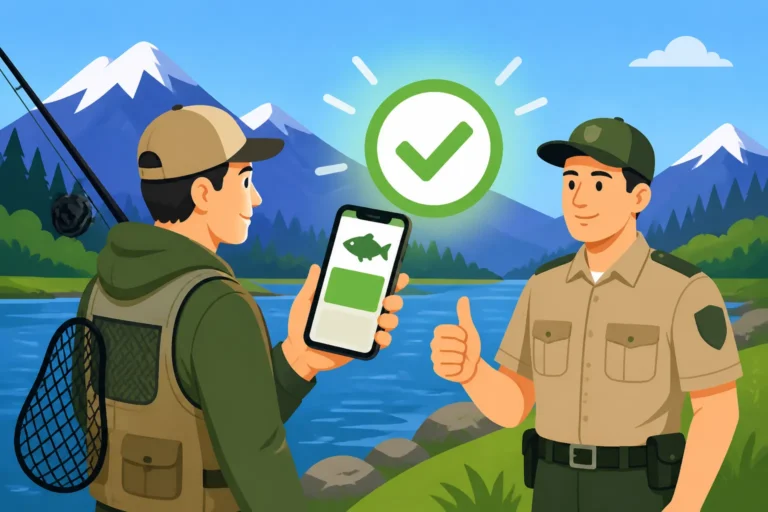
In today's digital age, the question often arises: do I need a physical printout of my license, or is a digital copy on my phone sufficient? Colorado Parks and Wildlife is quite progressive in this regard. You are allowed to carry either a printed copy of your license or display it on your smartphone or other electronic device. This is incredibly convenient for most modern anglers.
However, there are a few considerations:
- Battery Life: Ensure your phone has enough battery life to display your license if a game warden asks to see it. A dead phone is not a valid excuse.
- Screen Visibility: Make sure your screen is clean and bright enough for the warden to clearly read the information.
- Accessibility: Know exactly where your digital license is stored on your phone (e.g., in your email, a dedicated app, or a photo). Fumbling around for five minutes isn't ideal.
- Remote Areas: If you're headed to extremely remote areas with no cell service, a printed copy might offer more peace of mind, just in case.
For those who want to be extra cautious, printing a backup copy and keeping it in your tackle box or vehicle is a smart move. But for the vast majority of fishing trips, a clear digital copy on your phone is perfectly acceptable. For more tips on this, our Showing Your Colorado Fishing License in the Field article has you covered.
Common Mistakes to Avoid
Even with the best intentions, it's easy to make small errors when it comes to licenses. Being aware of these common pitfalls can save you from unnecessary frustration or even fines.
- Incorrect Residency: As mentioned, falsely claiming residency is a serious offense. Always ensure you meet the strict criteria before purchasing a resident license.
- Expired License: Forgetting to renew your annual license by March 31st is a common mistake. Set a reminder! It's surprising how many people get caught out on April 1st.
- Forgetting Your License: Whether it's a digital copy or physical, make sure you have it with you while fishing. "It's at home" isn't an acceptable answer to a game warden.
- Habitat Stamp Omission: If you're 18-64, failing to purchase the mandatory Habitat Stamp renders your license invalid. Ensure it's included in your purchase.
- Misunderstanding Youth Requirements: While kids 15 and under don't need a license, their adult supervisors do. Don't assume a "family license" covers everyone; Colorado doesn't offer one.
- Purchasing from Unofficial Sources: Only buy from CPW or an authorized agent. Third-party sites might be scams or charge excessive fees.
- Not Reading Regulations: Your license grants you the right to fish, but it doesn't exempt you from understanding Colorado Fishing Regulations Every Angler Should Know. Always check the current regulations brochure for specific waters, bag limits, and gear restrictions. While you're preparing for your trip, consider browsing Amazon for a waterproof pouch to protect your physical license or a portable charger for your phone if you're relying on a digital version.
By paying attention to these details, you can ensure your Colorado fishing experience is smooth, legal, and focused on the joy of angling, not bureaucratic hassles.
Disclaimer
The information provided in this guide is intended for general informational purposes only and is subject to change. While we strive to provide accurate and up-to-date content, fishing regulations, license costs, and requirements can be modified by Colorado Parks and Wildlife (CPW) at any time. It is the responsibility of every angler to consult the official Colorado Parks and Wildlife website (cpw.state.co.us) or the most current Colorado Fishing Brochure for the latest and most accurate information before engaging in any fishing activities. Compliance with all state and local regulations is mandatory.