Guided Fishing on Colorado’s South Platte Gold Medal Water
Feeling overwhelmed by the sheer size and reputation of Colorado's South Platte River, especially its fabled Gold Medal stretches? Many anglers dream of tackling these legendary waters but worry about navigating complex regulations, finding access, or simply not knowing the secrets to success. This comprehensive guide will walk you through everything you need to know about hiring a fishing guide for the South Platte's Gold Medal waters, helping you unlock its incredible potential and create unforgettable fishing memories.
The Allure of Colorado's South Platte Gold Medal Water
Let's be honest, the South Platte River is practically a household name among serious trout anglers, and for very good reason. It's a true gem, a river that flows with history, challenge, and some of the most beautiful, hard-fighting trout you'll ever encounter. But it’s not just a pretty face; it’s a living, breathing ecosystem that demands respect and understanding.
What Makes the South Platte a Gold Medal River
Colorado's "Gold Medal Water" designation isn't just a fancy title; it's a promise. It means these stretches consistently support a high quality, coldwater fishery, capable of producing at least 60 pounds of trout per acre, with at least twelve 14-inch or larger trout per acre. Imagine that density – it's an angler's paradise! The South Platte, with its consistent flows from various reservoirs like Cheesman, Eleven Mile, and Spinney Mountain, provides the perfect habitat for trout to thrive and grow to impressive sizes. This consistent water temperature and nutrient flow create an ideal environment for prolific insect hatches, which in turn feed these magnificent fish.
What really sets the South Platte apart, especially its Gold Medal sections, is the sheer size and intelligence of the trout. These aren't your average stocked hatchery fish; many of them are wild, savvy creatures that have seen every fly and lure in the book. They demand precision, stealth, and a deep understanding of their behavior. It's this challenge, coupled with the reward of landing a truly magnificent fish, that draws anglers from around the globe to its banks. You'll find yourself battling robust rainbow trout, cunning brown trout, and sometimes even the elusive cutthroat, all within casting distance.
Key Stretches and Their Unique Challenges
The South Platte isn't just one river; it's a collection of distinct personalities, each offering its own flavor of challenge and reward. Understanding these different sections is key, even if you're going with a guide, as it helps manage expectations and appreciate the guide's expertise.
The "Dream Stream" is perhaps the most famous, stretching between Spinney Mountain Reservoir and Eleven Mile Reservoir. This section is essentially a giant spring creek, with incredibly clear water, abundant weed beds, and often very selective trout. It's a true test of an angler's sight-fishing and presentation skills. Because of its open nature, the wind can be a significant factor, making delicate dry fly presentations a real art form. The fish here are often spooky and require long, accurate casts and perfect drifts. The fall sees incredible kokanee salmon spawning runs, bringing in opportunistic brown trout. You can learn more about this unique phenomenon by checking out Kokanee Salmon Spawning Runs in Colorado.
Further downstream, below Eleven Mile Reservoir, you encounter the famous Cheesman Canyon. This section is a rugged, wild, and incredibly beautiful canyon characterized by massive boulders, deep pools, and challenging currents. Access here is often a hike, adding to the feeling of wilderness. The fishing can be extremely technical, requiring expert nymphing skills to get flies down to where the fish are holding in the complex hydraulics. It’s a place where reading water is paramount, and a guide’s understanding of the river's currents and structure is invaluable. Fishing Cheesman Canyon on the South Platte dives deeper into the specific access and challenges of this area. Then, continuing down, the Deckers and Trumbull areas offer more accessible, yet still challenging, fishing. These sections still hold plenty of large trout and can be quite rewarding, though they often see more angler pressure due to easier access. Each bend, riffle, and pool holds secrets, and a guide often holds the map to uncovering them.
Why a Guided Trip on the South Platte Makes All the Difference
You might be thinking, "Can't I just go on my own?" And yes, you absolutely can. But if you're looking to maximize your time, learn a ton, and significantly increase your chances of success on a river as demanding as the South Platte's Gold Medal water, a guide is an unparalleled asset. It’s an investment in experience, education, and ultimately, enjoyment.
Navigating Complex Regulations and Access Points
One of the biggest headaches for out-of-state anglers, or even locals new to a specific area, is understanding all the nuanced regulations. The South Platte's Gold Medal waters often come with very specific rules about tackle, bait, and catch limits. For example, some sections might be catch-and-release only, while others have length restrictions on specific species. You'll also encounter rules about barbless hooks on certain rivers, which can really trip up an unprepared angler. Colorado Fishing Regulations Every Angler Should Know is a great resource, but having someone right there on the water to explain them in real-time is invaluable.
Beyond the legalities, just getting to the best fishing spots can be a challenge. Public access points can be tricky to find, requiring specific parking permits or long hikes, like in Cheesman Canyon. Many prime stretches are surrounded by private land, and knowing exactly where you can legally wade or bank fish is crucial to avoid trespassing. A good guide knows every public easement, every secret trail, and exactly where to put in or take out a boat if you're on a float trip. They take all the guesswork and stress out of the logistics, allowing you to focus entirely on the fishing. They ensure you're compliant with all rules, from Colorado's Habitat Stamp, Explained to specific length and bag limits for trout.
Tapping into Local Knowledge and Seasonal Expertise
Think of your guide as a living, breathing encyclopedia of the South Platte. They spend hundreds of days a year on these waters, observing, learning, and adapting. They know where the fish hold in high water versus low water, what they're eating on a sunny afternoon versus a cloudy morning, and how a sudden weather change might impact the bite. This kind of intimate knowledge is something you simply can't get from a map or a forum.
Their seasonal expertise is especially critical. During spring runoff, when rivers swell and turn muddy, a guide knows exactly which tailwaters will fish well and what flies to use. When the famous hatches are on – be it the early season midges, the summer caddis, or the fall blue-wing olives – they'll have you rigged up with the perfect imitations. They’ve seen it all, from early season snowstorms to late summer droughts, and they know how to adjust the game plan accordingly. Their insights mean you're not just casting blindly; you're fishing with purpose and precision, often using techniques like those detailed in Nymphing Techniques for Colorado Tailwaters or Dry Fly Fishing Colorado's Freestone Rivers.
Learning Advanced Techniques for Finicky Trout
The trout in the South Platte's Gold Medal waters are notoriously intelligent. They're not going to just jump on any fly or lure you throw at them. This is where a guide truly shines as a teacher. They can observe your casting, your retrieve, your drift, and offer immediate, personalized feedback. Have you ever struggled with getting a perfect drag-free drift on a complex current? A guide can break it down, helping you understand mend points and line management in real-time.
They'll teach you the nuances of fly selection, showing you how to "match the hatch" with specific patterns and sizes, or how to fish subsurface with intricate nymphing rigs. You'll learn about presentation, how to approach a specific run, and the subtle takes of a large, wary trout. For instance, understanding Midge Fishing in Colorado Winters might involve learning extremely fine tippets and tiny flies, a technique a guide can demonstrate perfectly. This hands-on instruction is far more effective than watching videos or reading articles, transforming your fishing skills and giving you confidence that you can apply to any river, not just the South Platte.
Choosing the Right South Platte Guide and Outfitter
Selecting a guide isn't just about finding someone who knows how to fish; it's about finding a personality match, a good teacher, and someone who prioritizes your experience. It's like finding the right fishing buddy, but with the added bonus of expert guidance.
Qualities to Look for in a Great Guide
A truly great fishing guide for the South Platte will possess a blend of skills and personal attributes. First and foremost, they should be excellent communicators. They need to explain techniques clearly, offer constructive criticism without being discouraging, and engage you in conversation throughout the day. You want someone who can articulate why they're choosing a particular fly or technique, not just tell you what to do. Secondly, patience is paramount. Whether you're a seasoned angler or a complete novice, there will be snags, missed fish, and frustrating moments. A patient guide will help you through these with a positive attitude.
Beyond communication and patience, look for someone with deep local knowledge, not just of the South Platte itself, but of its specific hatches, fish behavior, and access points. They should be safety-conscious, especially if you're navigating tricky wading conditions or float trip logistics. Finally, a good guide is genuinely passionate about fishing and conservation. Their enthusiasm is infectious, and they often go the extra mile to ensure you have a memorable experience, not just a fish count. When you’re browsing for options, platforms like FishingBooker can offer a wide selection of guides and their reviews, which can give you a good sense of their communication style and expertise.
Understanding Different Trip Styles: Walk-Wade vs. Float
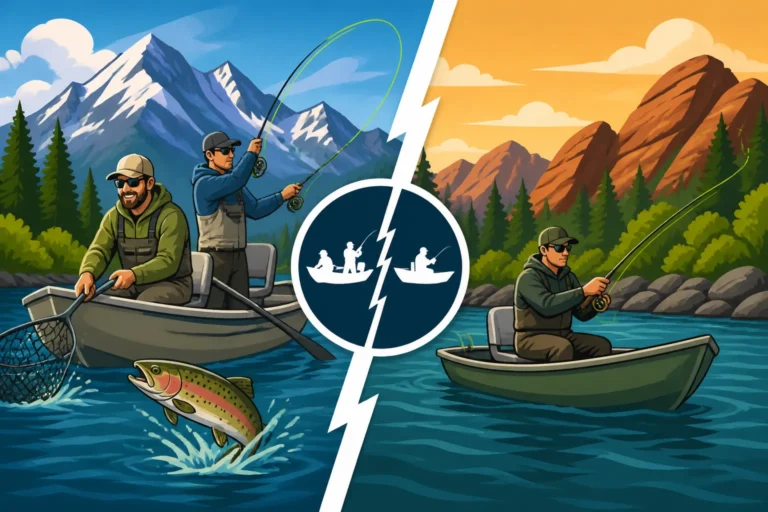
When booking a guided trip on the South Platte, you'll generally encounter two main styles: walk-wade trips and float trips. Each offers a different experience and suits different types of anglers and river sections.
Walk-wade trips involve hiking along the riverbanks and wading into accessible stretches. These trips are fantastic for getting intimate with a particular section of river, focusing on specific pockets, riffles, and pools. They offer a more stealthy approach, allowing anglers to sneak up on wary trout. Walk-wade trips are especially popular in areas like Cheesman Canyon, where the terrain is rugged and ideal for exploring on foot. They are also excellent for learning specific techniques, as the guide can stand right beside you, demonstrating casting or nymphing presentations. However, they require a certain level of physical fitness, especially in uneven terrain, and cover less water than a float trip. You'll get plenty of chances to practice Euro Nymphing Basics for Colorado Rivers or intricate dry fly techniques.
Float trips, on the other hand, involve fishing from a drift boat or raft, allowing you to cover significantly more water and access areas that might be difficult or impossible to reach on foot. The guide rows the boat, positioning you for prime casting opportunities into runs, eddies, and undercut banks. These trips are often more relaxed physically, as you spend less time wading, and can be great for seeing a larger scope of the river. However, float trips are only possible on certain sections of the South Platte that are wide and deep enough for a boat. While they cover more ground, the focus might be slightly less on micro-managing your individual technique for every single cast. Many anglers appreciate the comfort and vantage point a drift boat provides, especially when the river is flowing at a good clip. Deciding between these two often comes down to personal preference and the specific section of the South Platte you wish to explore.
Here’s a quick comparison to help you weigh your options:
| Feature | Walk-Wade Trip | Float Trip |
|---|---|---|
| Movement | On foot, wading into river. | From a drift boat or raft, guide rows. |
| Water Covered | Less water, focused on specific spots. | Much more water, covers longer stretches. |
| Access | Can reach remote, rugged areas like Cheesman Canyon. | Limited to sections with boat access. |
| Physicality | More demanding, requires wading and hiking. | Less demanding, more relaxed physically. |
| Instruction | Highly hands-on, guide often right next to you. | Good instruction, but guide is rowing at times. |
| Stealth | More stealthy approach to wary fish. | Can approach from different angles, but boat presence. |
| Ideal For | Technical fishing, specific spot exploration. | Covering diverse water, seeing more of the river. |
| Best Used | Gold Medal canyons, smaller streams. | Wider river sections with navigable currents. |
When to Consider an Orvis-Endorsed Outfitter
While not every excellent guide works for an Orvis-Endorsed Outfitter, choosing one offers a certain level of assurance. Orvis-endorsed operations adhere to high standards of customer service, professionalism, and fishing expertise. They often provide top-of-the-line gear, employ highly skilled guides, and prioritize conservation and ethical angling practices. This endorsement signifies a commitment to quality that can be very appealing, especially if you're looking for a consistent, premium experience.
For example, if you're relatively new to fly fishing or want to ensure a smooth, well-organized trip where every detail is taken care of, an Orvis-Endorsed Outfitter might be an excellent choice. They typically have established relationships with private water owners and a fleet of well-maintained boats and vehicles. It’s a good option for those who value reliability and a proven track record. However, don't let the lack of an Orvis endorsement deter you from other fantastic, independent guides or smaller outfitters who might offer equally rewarding experiences, often at a more accessible price point. Many local guides have years, if not decades, of experience on the South Platte that rivals any larger operation.
What to Expect on Your Guided South Platte Adventure
Booking a guided trip can feel a little mysterious if you've never done one before. What exactly happens? What should you bring? And how do you thank your guide for their hard work? Let's demystify the process so you can show up ready to cast.
Gear, Flies, and Logistics: What's Provided and What to Bring
One of the biggest advantages of a guided trip is that most of the heavy lifting, gear-wise, is taken care of. Reputable South Platte guides and outfitters will typically provide all the necessary fishing gear: rods, reels, line, leaders, tippet, and a vast array of flies perfectly suited for the conditions. This is a huge benefit, especially for traveling anglers or those new to the sport who don't have a full arsenal of specialized equipment. Imagine not having to worry about which midge pattern the fish are keying on that day – your guide already knows and has a box full of them! They'll have everything from tiny dry flies for delicate presentations to heavy nymph rigs for getting down deep in fast currents.
However, there are still a few crucial items you'll need to bring yourself. Most importantly, you need a valid Colorado Fishing License Guide for Residents and Nonresidents and a Colorado Habitat Stamp, if applicable to your age group. Your guide cannot provide these for you, and you must have them before stepping foot in the water. Beyond that, consider personal items like polarized sunglasses (essential for spotting fish and protecting your eyes), a brimmed hat, sunscreen, and layers of clothing. Colorado weather can change dramatically throughout the day, so being prepared for warmth, cool, and even rain is smart. A good waterproof jacket is always a wise addition. If you have a preferred rod or reel, you can always ask your guide if it's appropriate to bring along, but don't feel obligated.
A Typical Day on the Water with Your Guide
Your guided day on the South Platte usually starts bright and early, often meeting at a pre-arranged location near the river, like a local fly shop or a specific parking area. After a quick introduction and a rundown of the day's plan, your guide will help you get geared up. They'll assess your skill level, discuss your goals for the day (are you looking to learn, catch a trophy, or just enjoy the scenery?), and make sure your footwear and clothing are appropriate.
Once on the water, whether wading or floating, the guide will start by explaining the current conditions, pointing out prime holding water, and rigging your rod with the flies they believe will be most effective. Then, the fishing begins! They'll coach you through casting, mending, and presenting your flies, often demonstrating techniques themselves. Expect constant communication, tips, and encouragement. Lunch is usually provided, a welcome break to refuel and share stories. The afternoon typically involves continuing to fish, perhaps trying different sections or adapting to new hatches, until it's time to head back. It's a full day of immersive angling, learning, and soaking in the beauty of the Colorado landscape.
Etiquette and Tipping Your Hardworking Guide
Your guide works incredibly hard, both physically and mentally, to ensure you have a successful and enjoyable day. They're often up before dawn preparing, and they stay late cleaning gear. They're responsible for your safety, your education, and finding fish in challenging conditions. So, it's customary and very much appreciated to show your gratitude through a tip.
While there isn't a strict rule, the general standard for tipping a Colorado fishing guide is 15-20% of the trip's cost. If you had an exceptional day, learned a lot, and felt truly taken care of, leaning towards the higher end is a great way to say thank you. If the conditions were tough, but your guide worked tirelessly, remained positive, and taught you a lot, a good tip is still deserved for their effort and professionalism. Always provide the tip in cash, if possible, directly to the guide at the end of the trip. It’s a small gesture that goes a long way in recognizing their dedication and hard work. For more on what's expected, check out Tipping a Colorado Fishing Guide, What's Standard.
Preparing for Your South Platte Guided Trip
A little preparation goes a long way in ensuring your guided trip is as enjoyable and productive as possible. Think of it as doing your homework before the big exam – it just makes everything smoother.
Physical Fitness and Colorado's Altitude
While a float trip can be less physically demanding, even those require some movement getting in and out of the boat. Walk-wade trips, especially in rugged areas like Cheesman Canyon, can involve significant hiking over uneven terrain, wading in strong currents, and standing for long periods. It's not a marathon, but a reasonable level of physical fitness will make your experience far more comfortable and allow you to fully enjoy the day. You don't want to be so exhausted that you can't focus on the fishing!
Beyond physical exertion, remember that you'll be fishing at significant altitudes on the South Platte. Many sections are above 6,000 feet, and some approach 8,000 feet or more. If you're coming from sea level, altitude sickness can be a real concern. Drink plenty of water in the days leading up to your trip, avoid excessive alcohol, and take it easy on your first day or two in Colorado. Inform your guide if you're feeling any symptoms, and they'll be able to adjust the pace or recommend breaks. Staying hydrated is truly key to a comfortable experience at elevation.
Essential Personal Items and Clothing
As mentioned before, layers are your best friend in Colorado. The morning might start chilly, warm up significantly by midday, and then cool down rapidly in the afternoon, especially if a summer thunderstorm rolls in. Opt for moisture-wicking materials like merino wool or synthetic fabrics, avoiding cotton which stays wet and cold.
Here’s a concise packing list for your personal items:
- Sun Protection: Polarized sunglasses (non-negotiable for safety and visibility), wide-brimmed hat, high SPF sunscreen, lip balm with SPF.
- Layers: Moisture-wicking base layer, insulating mid-layer (fleece or puff jacket), waterproof and windproof outer shell (rain jacket).
- Footwear: Wading boots for walk-wade trips (your guide might have rentals or sizes), comfortable shoes for travel and post-fishing.
- License & Stamps: Your valid Colorado fishing license and habitat stamp (physical or digital copy on your phone).
- Hydration: Reusable water bottle (even if your guide provides water, it's good to have your own).
- Optional Comforts: Camera, small backpack for personal items, medications, snacks if you have specific dietary needs.
Your guide will typically have a first-aid kit, but it's always good practice to carry any personal medications you might need.
Securing Your Colorado Fishing License and Habitat Stamp
This step is absolutely critical and must be done before your trip. You cannot fish legally in Colorado without a valid fishing license and, for most adults, a Colorado Habitat Stamp. Your guide can't purchase these for you on the morning of your trip, and fishing without them can result in hefty fines and a ruined day.
The easiest way to secure your license is online through the Colorado Parks and Wildlife (CPW) website. You can also purchase them at authorized retailers throughout the state, such as sporting goods stores or even some local fly shops where your guide might work from. You'll need some form of identification, and if you're a resident, proof of residency. Be sure to understand if you qualify for any special categories, such as senior or veteran discounts, by reading up on Colorado Fishing Licenses for Seniors and Veterans. Don't forget to check if you need a Colorado's Second-Rod Stamp and Who Needs One if you plan to fish with two rods where permitted. It's always a good idea to purchase your license a few days in advance, just in case you run into any technical glitches or have questions, preventing any last-minute stress on your trip day.
Common Misconceptions About Guided South Platte Trips
It's natural to have certain ideas or expectations before your first guided trip. However, some common misconceptions can actually detract from your experience if not addressed. Let's tackle a couple of the big ones.
"Guides Just Put You On Fish" – The Deeper Value
Many people believe that booking a guide guarantees a huge fish count, and that the guide will simply point you to a spot where fish are biting and you'll reel them in effortlessly. While a good guide will work tirelessly to put you in the best possible position to catch fish, and their expertise dramatically increases your chances, fishing is still fishing. It's a dynamic, unpredictable activity, especially on Gold Medal waters where trout are highly educated. There are no guarantees of a "fish count."
The true value of a South Platte guide goes far beyond just catching fish. It's about the entire experience: the education, the immersion, and the connection. Your guide teaches you how to read water, how to execute a perfect mend, how to identify insects, and how to properly handle fish for a healthy release. They provide context about the river's ecology and conservation efforts. You're not just a passenger; you're an active participant in a learning adventure. Even on a slow fishing day, the knowledge you gain, the breathtaking scenery you witness, and the skills you hone under expert tutelage are incredibly valuable. It's an investment in becoming a better angler, not just a successful one for a single day.
"It's Too Expensive" – Weighing the Investment
The cost of a guided fishing trip, especially on a premier water like the South Platte, can seem like a significant outlay. It's easy to look at the price tag and think it's out of reach or not worth it. However, it's essential to view a guided trip as an investment rather than just an expense, and to understand what that cost actually covers.
Consider what goes into that fee: your guide's years of experience and specialized knowledge, their constant scouting of the river, their professional-grade gear (which you don't have to buy or maintain), boat and vehicle maintenance, insurance, licensing, and often a prepared lunch and drinks. It also covers the invaluable one-on-one instruction and the ability to access prime fishing locations efficiently and legally. If you were to buy all the necessary gear, spend years learning the river's secrets, and account for the costs of travel and access on your own, the "expensive" guided trip often starts to look like a very efficient and rewarding way to experience world-class fishing. For many, especially those with limited time or new to the area, it's the most effective path to a truly memorable and educational angling experience. Think of it as purchasing a shortcut to expertise and a fantastic day on the water. When researching options, platforms like FishingBooker can help you compare different guide services and their offerings, allowing you to find a trip that fits your budget and expectations.
Beyond the Catch: The Educational Aspect of a Guided Trip
While catching fish is definitely a thrilling part of any fishing trip, a guided experience on the South Platte offers so much more. It's a masterclass in angling, a chance to deepen your understanding of the river, and an opportunity to become a more responsible and knowledgeable angler.
Mastering Reading Water and Understanding Hatches
One of the most profound lessons a guide imparts is how to truly "read" the water. This isn't just about identifying a riffle or a pool; it's about understanding how currents create holding lies, where fish might be seeking shelter or food, and how different depths and structures influence trout behavior. Your guide will point out subtle indicators: changes in current speed, foam lines, submerged rocks, and undercut banks – all clues that reveal where a trout might be waiting. They'll explain how to approach these spots without spooking fish and where to place your cast for the best drift. This skill is transferable to any river you fish in the future.
Equally important is understanding insect hatches. On the South Platte, hatches can be prolific and complex. Your guide will help you identify the specific insects hatching (or about to hatch), explain their life cycles, and show you how to select flies that accurately imitate these naturals. You'll learn to look for "spinner falls" of tiny midges or the fluttering flight of caddis, and then how to adjust your fly choice and presentation to "match the hatch." This is a fundamental skill in fly fishing, and having a seasoned expert teach you on the water is an unparalleled learning experience. Learning about Matching a Blue-Wing Olive Hatch on a Colorado Tailwater or Matching a Caddis Hatch on a Colorado River becomes a hands-on lesson with immediate feedback.
Ethical Angling and Conservation Practices
Colorado's Gold Medal Waters are precious resources, and a good guide is also a staunch advocate for conservation and ethical angling. They will teach you the importance of proper fish handling, especially with the large, often wild, trout found in the South Platte. This includes minimizing fight time, keeping fish in the water as much as possible, using a rubber-mesh landing net, and quickly and gently releasing them. They'll explain why using barbless hooks is often required and always recommended for catch-and-release fishing, and how these practices contribute to the health and sustainability of the fishery.
You'll also gain a deeper appreciation for the delicate ecosystem of the river. Guides often share insights into the challenges facing the South Platte, such as water management issues, environmental protection efforts, and the importance of angler participation in conservation. They instill a "leave no trace" ethic, ensuring that the river remains pristine for future generations. This commitment to stewardship is a vital part of the guided experience, transforming you not just into a better angler, but a more responsible one, ready to contribute to the preservation of these incredible natural treasures. They might even discuss the importance of Colorado's Habitat Stamp Money Gets Used to support these vital efforts.
Disclaimer
This article is for general informational purposes only and does not constitute professional advice. Laws, prices and regulations vary by location and change over time. Consult a qualified professional for guidance on your specific situation.