Charter Boats for Colorado’s Blue Mesa Reservoir
For many anglers, the thought of fishing Blue Mesa Reservoir in Colorado can be both exciting and incredibly daunting. This vast body of water, the largest in the state, holds legendary lake trout and feisty kokanee salmon, but its immense size and deep, complex structure often leave even seasoned fishermen scratching their heads. This guide is here to demystify the experience and show you why hiring a charter boat is often the best way to unlock Blue Mesa's secrets and make the most of your fishing adventure.
Why Blue Mesa Reservoir Demands a Charter Boat
Blue Mesa Reservoir isn't your average neighborhood pond. It's a massive, high-country lake that stretches for miles, with depths that plunge hundreds of feet. Trying to tackle it effectively on your own, especially if you're not intimately familiar with its nuances, can feel like searching for a needle in a haystack. This is where a professional charter boat truly shines, transforming a potential struggle into a successful and enjoyable outing.
The Sheer Scale and Depth of Blue Mesa
Imagine standing on the shore of Blue Mesa, gazing out at its immense expanse. It's a breathtaking sight, but that beauty hides a complex underwater world. The reservoir boasts over 96 miles of shoreline when full, and its depths can easily exceed 300 feet in places. Fish, particularly the prized lake trout and kokanee salmon, often hold in specific temperature bands or near intricate underwater structures that are invisible from the surface. Without specialized sonar equipment and a deep understanding of the reservoir's topography, you're essentially blind.
A professional charter captain has spent countless hours on this water, charting its every contour. They know the subtle humps, the deep channels, the submerged points, and the temperature thermoclines where fish congregate. Trying to replicate that institutional knowledge with a rental boat and basic electronics is simply not feasible for a visiting angler or even a local who only fishes it occasionally. Their expertise saves you days, if not weeks, of trial and error.
Targeting Specific Species: Lake Trout and Kokanee Salmon
Blue Mesa is renowned for its two main draws: giant lake trout, often called "lakers," and the hard-fighting kokanee salmon. These aren't species you typically catch by simply casting a worm off the bank. Both require specific techniques, depths, and gear that are far beyond the scope of casual fishing. Lake trout, for example, are often found holding near the bottom in very deep water, sometimes over 100 feet down, requiring heavy weights and specialized presentations.
Kokanee salmon, on the other hand, are pelagic fish that school in the open water column, constantly moving and chasing plankton. Finding these elusive schools requires keen eyes on the fish finder and constant adjustments to trolling depths and speeds. A charter captain specializes in these species. They know the seasonal patterns, what baits and lures are currently working, and how to present them effectively to entice a bite. Without that specific focus and experience, you might spend an entire day catching nothing but sunburn. It's a huge benefit to have someone who lives and breathes Lake Trout Fishing in Colorado and Kokanee Salmon Fishing in Colorado.
Specialized Gear and Techniques Required
Let's be honest, most of us don't have a garage full of specialized trolling gear, heavy-duty downriggers, or commercial-grade sonar units. To effectively fish Blue Mesa for lake trout and kokanee, you need precision tools. Downriggers are critical for getting lures down to exact depths, often 50 to 150 feet, and keeping them there as you troll. Large, robust rods and reels are necessary to handle the heavy weights and the sheer power of a big lake trout or a surging kokanee.
Charter boats come fully equipped with all this high-end gear. They have multiple rods set up for different depths and presentations, a tackle box full of the exact lures that are producing, and advanced electronics to pinpoint fish and structure. This means you don't have to invest in expensive equipment you might only use once or twice. You simply show up, step aboard, and the captain provides everything you need, from rods and reels to bait and tackle. This alone makes a charter a financially smart choice for many visitors.
What to Expect from a Blue Mesa Charter Experience
Stepping onto a charter boat at Blue Mesa Reservoir is much more than just getting a ride out onto the water; it's an immersive, guided fishing experience. From the moment you step aboard, you'll feel the difference that a professional operation makes, designed to maximize both your comfort and your chances of success. It's not just about catching fish, but about enjoying the journey and learning along the way.
The Vessel and Your Comfort Onboard
Charter boats operating on Blue Mesa are typically robust, comfortable vessels designed for big water and long days. They're usually well-maintained boats, often 20-30 feet in length, that can handle the reservoir's choppy conditions and provide a stable platform for fishing. You can expect ample deck space, often covered with a bimini top to provide shade from the intense Colorado sun. Most will have seating, storage for your personal gear, and often a cooler with ice to keep your drinks and snacks cool, and your catch fresh.
Captains prioritize safety and comfort. They'll have all the necessary safety equipment on board – life jackets for everyone, first aid kits, communication devices, and fire extinguishers – all inspected and in good order. This allows you to relax and focus on the fishing, knowing you're in capable hands. They understand that a comfortable client is a happy client, especially during a full day on the water, so they work to ensure the ride is as smooth and pleasant as possible, even when covering long distances to reach the best fishing grounds.
The Role of Your Professional Guide
Your charter guide is much more than just a boat driver; they are your expert navigator, fish locator, tackle technician, and fishing coach all rolled into one. They'll greet you, help you get settled, and give you a rundown of the day's plan and safety protocols. Once out on the water, their eyes will be glued to the sonar, constantly interpreting the underwater landscape and the presence of fish. They'll know exactly where to set up the troll, how deep to drop the lines, and which lures to deploy.
They're there to assist you every step of the way: baiting hooks, untangling lines, netting fish, and even offering tips on how to fight a big laker. If you're new to this kind of fishing, they'll patiently explain the techniques, helping you feel confident with the gear. More experienced anglers can rely on the guide to put them on fish and handle the boat, leaving them free to focus purely on the angling challenge. Their goal is to maximize your chances of success and ensure you have a memorable and enjoyable day on the water.
Typical Trip Lengths and What They Cover
Blue Mesa charters typically offer a range of trip durations to suit different schedules and preferences. You'll commonly find half-day trips (around 4-5 hours) and full-day trips (around 7-9 hours). Half-day trips are great if you're looking for a taste of the action, perhaps for families with younger kids who might not have the stamina for a full day, or if you're trying to fit fishing into a broader itinerary. While still productive, they offer less time to cover different spots or adapt to changing conditions.
Full-day trips, however, provide the most comprehensive experience. With more time on the water, the captain can explore a wider range of fishing grounds, target multiple species more effectively, and adjust strategies throughout the day based on fish activity. This extended time allows for travel to more remote areas of the reservoir where trophy fish might hold, and also gives you more actual fishing time. Most charters will include all the necessary fishing gear, bait, and tackle, and some may even provide snacks or drinks. Remember that you'll still need your own Colorado Fishing License Guide for Residents and Nonresidents and a Colorado's Habitat Stamp, Explained.
Understanding Blue Mesa's Primary Target Species
Blue Mesa Reservoir is a special place for anglers because it offers truly unique opportunities to catch some magnificent fish. While a variety of species call this reservoir home, the stars of the show are undoubtedly the lake trout and kokanee salmon. Understanding these two species is key to appreciating the Blue Mesa fishing experience and the role a charter boat plays in targeting them.
The Majestic Lake Trout
Lake trout, or "lakers" as they're affectionately known, are the undisputed heavyweight champions of Blue Mesa. These native North American char are built for deep, cold water and can grow to incredible sizes, with fish over 20 pounds being caught regularly, and true monsters exceeding 40 pounds a real possibility. Their sheer power and size make them an incredible challenge on the end of a line, offering a fight that few other freshwater fish can match. Lake Trout Fishing in Colorado is a serious endeavor, and Blue Mesa is one of the best places for it.
Lakers are primarily piscivorous, meaning they eat other fish, and in Blue Mesa, kokanee salmon are a significant part of their diet. This makes them highly sought after by anglers looking for a trophy catch. They tend to prefer colder water, often holding in the deepest sections of the reservoir, especially during the warmer months. This deep-water preference is precisely why specialized gear and the expertise of a charter captain are so crucial. Finding them requires understanding their preferred depths, the subtle contour changes of the lake bottom, and knowing what forage they are actively pursuing.
The Elusive Kokanee Salmon
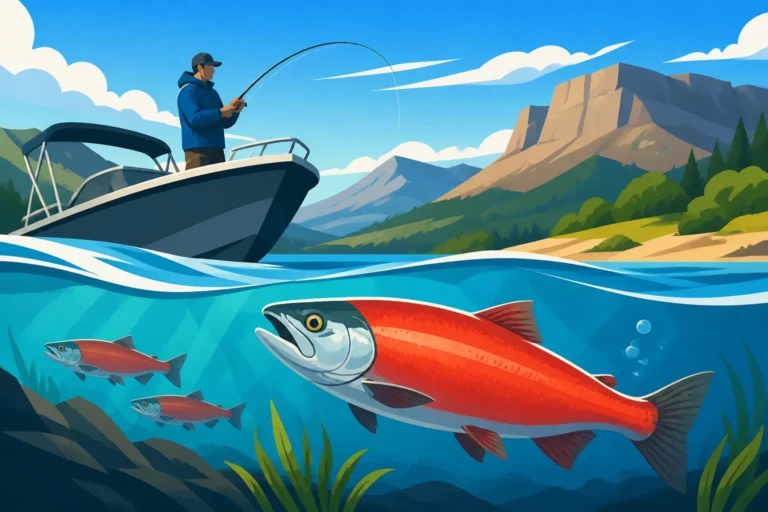
If lake trout are the heavyweights, kokanee salmon are the agile, high-energy sprinters of Blue Mesa. These landlocked sockeye salmon are prized for their spirited fights and delicious, orange-red flesh. While they don't reach the immense sizes of lake trout, a 16-20 inch kokanee is a powerful fighter that will make your reel sing. They are a beautiful fish, often sporting a chrome-bright silver body until they near their spawning cycle, when males develop a distinctive hooked jaw and turn a brilliant crimson.
Kokanee are filter feeders, primarily consuming zooplankton, which means they are constantly on the move in schools, chasing their food source in the open water. This makes them challenging to locate for the uninitiated. They prefer cooler water temperatures, often found in the middle to upper water column during much of the year, but their exact depth can vary greatly throughout the day and with the seasons. Targeting kokanee effectively requires continuous trolling at precise depths, often using downriggers and specific lures that mimic their food or stand out to them in the open water. Fishing Blue Mesa Reservoir for Kokanee Salmon is a thrill, but it demands precision.
Seasonal Considerations for Each Species
The behavior and location of both lake trout and kokanee salmon on Blue Mesa are heavily influenced by the changing seasons. Understanding these patterns is a cornerstone of a successful charter trip. In the spring, as ice-out occurs, both species might be found shallower as the water warms and food sources become more accessible. Lake trout might be more aggressive, while kokanee schools start to congregate.
Summer sees both species retreating to deeper, cooler water. Lake trout will often hug the bottom in 80-200 feet, while kokanee will suspend in temperature-preferred bands in the open water. This is prime time for downrigger trolling. Fall brings significant changes: kokanee begin their spawning migration into the tributaries, making them even more concentrated, while lake trout become extremely active, feeding heavily as they prepare for winter. Charter captains are masters of these seasonal shifts, adapting their strategies, locations, and gear to put you on fish no matter the time of year. Knowing the Colorado Fishing Seasons Month by Month is vital here.
Gear and Techniques Employed by Blue Mesa Charters
One of the biggest advantages of fishing with a Blue Mesa charter is the access to specialized gear and advanced techniques that would be impractical for most recreational anglers to own and master. The captains are not just guides; they are expert technicians, constantly adapting their methods to put you on fish.
Mastering the Art of Trolling with Downriggers
Trolling is the bread and butter of Blue Mesa charter fishing, especially for kokanee salmon and suspended lake trout. But it's not just about dragging a lure behind the boat. On Blue Mesa, it's a science, and downriggers are the essential tools. A downrigger is a piece of equipment that allows you to present a lure at a precise, pre-set depth, often far deeper than standard weights would allow. A heavy cannonball weight, attached to a cable, is lowered to the desired depth, and your fishing line is temporarily clipped to the downrigger cable.
When a fish bites, the line releases from the clip, allowing you to fight the fish directly without the weight of the cannonball. Charter boats typically run multiple downriggers, each set at a different depth, creating a "spread" that covers various parts of the water column. The captain will constantly monitor the fish finder, adjusting downrigger depths based on where schools of kokanee or individual lake trout are appearing. This precision is critical because even a few feet can make the difference between an empty net and a hot bite. Trolling Techniques for Colorado Reservoirs are key, and guides have it perfected.
Vertical Jigging for Deepwater Monsters
While trolling is effective for covering water and finding active fish, vertical jigging is often the go-to technique for targeting larger, bottom-dwelling lake trout. Once the captain identifies a significant mark on the sonar, or a known deep structure where lakers hold, they'll often position the boat directly over the fish. Anglers then drop heavy jigs, often 1-4 ounces or even more, equipped with large plastics or sucker meat, directly down to the bottom.
The technique involves slowly lifting and dropping the jig, mimicking an injured baitfish. It requires patience and a good feel for the rod to detect the subtle "thump" of a lake trout inhaling the lure in deep water. This method is particularly effective in colder months or when fish are less active and tightly schooled on structure. The guide will have heavy-action rods and reels specifically spooled with braid for this technique, allowing for maximum sensitivity and power to haul up a big laker from the depths. This is often where some of Blue Mesa's truly enormous fish are caught.
Specialized Electronics and Their Role
Modern marine electronics are the eyes and ears of a Blue Mesa charter captain. They rely heavily on sophisticated fish finders and GPS mapping systems to consistently put clients on fish. These aren't your basic portable units; these are high-definition, multi-frequency sonar units that can distinguish individual fish, schools of bait, and intricate bottom structures in hundreds of feet of water. The captain can interpret these complex sonar readings to understand fish behavior, movement patterns, and preferred holding areas.
GPS plays an equally crucial role. Captains have thousands of waypoints saved – specific humps, drop-offs, channels, and productive trolling paths – accumulated over years of experience. They can navigate precisely to these spots, even in dense fog or at night. Furthermore, many charter boats are equipped with advanced trolling motors with GPS "spot-lock" capabilities, allowing them to precisely hold the boat over a deep jigging spot without constantly using the main engine. This combination of high-tech gear and human expertise is what makes a charter so incredibly efficient and successful on a massive body of water like Blue Mesa.
Choosing the Right Blue Mesa Charter for Your Trip
Deciding to book a charter is the first step; choosing the right one for your specific needs and expectations is the next crucial decision. With several reputable operations working on Blue Mesa, a little homework can go a long way in ensuring you have the best possible experience. Don't just pick the first name you see; invest some time in finding the perfect fit for your angling adventure.
Researching and Vetting Charter Services
Start by doing some online research. Look for Blue Mesa charter operations with dedicated websites, clear descriptions of their services, and, importantly, customer testimonials and reviews. Sites like FishingBooker can be excellent resources for finding local guides, reading unvarnished reviews from previous clients, and getting a sense of different captains' specialties and personalities. Pay attention to what past clients highlight: was the boat clean? Was the guide knowledgeable and patient? Did they put people on fish?
You'll also want to consider the type of fishing they specialize in. While most Blue Mesa charters target lake trout and kokanee, some might lean more heavily towards one species, or have a particular reputation for catching trophy-sized fish. Look at photos from their past trips to see the quality of fish their clients are catching. A well-established guide service will have a strong online presence and a history of positive client feedback, which is a good indicator of reliability and professionalism.
What Questions to Ask Before Booking
Once you've narrowed down a few potential charters, don't hesitate to pick up the phone and have a conversation. This is your opportunity to ask specific questions and get a feel for the guide's personality. Here are some key questions to consider:
- What's included in the trip price? (e.g., all gear, bait, tackle, fuel, snacks, drinks, fish cleaning). You'll usually need your own fishing license, but confirm this.
- What species will we be targeting, and what are the chances of success for my desired species?
- What is your experience on Blue Mesa? (e.g., how many years guiding, what are your specialties?)
- What is your cancellation policy, especially for weather? Colorado weather can be unpredictable, so this is important.
- What is the maximum number of anglers your boat can comfortably accommodate? If you have a larger group, this matters.
- Do you cater to beginners or experienced anglers? Make sure their style matches your skill level.
- Do you practice catch and release, or is keeping fish an option? Understand their philosophy and the Colorado Bag and Possession Limits by Species.
A good guide will be happy to answer all your questions thoroughly and patiently. This conversation also allows you to gauge their enthusiasm and helpfulness, giving you a better sense of whether they're the right fit for your group.
Understanding Pricing and What's Included
Charter boat prices for Blue Mesa Reservoir can vary based on several factors: the length of the trip (half-day vs. full-day), the number of anglers, the type of boat, and the guide's reputation. Generally, you'll find that full-day trips are more cost-effective per hour of fishing. Prices are usually quoted per boat for a certain number of people (e.g., 1-2 anglers), with an additional charge for each extra person up to the boat's capacity.
When comparing prices, it's crucial to understand exactly what's included. Most reputable charters will provide all the necessary rods, reels, bait, and tackle. Some may also include bottled water or soft drinks, and some will offer to clean and bag your catch at the end of the day. Be sure to ask about any hidden fees, like fuel surcharges, though these are less common with established operations. Remember that tipping your guide is customary and appreciated, so factor that into your budget. While the initial cost might seem like an investment, consider the value of the specialized equipment, the captain's expertise, and the significantly increased odds of having a successful and memorable day.
Preparing for Your Blue Mesa Charter Adventure
Once you've booked your Blue Mesa charter, a little preparation on your part can make a big difference in the enjoyment and comfort of your trip. While your guide will handle most of the technical aspects of fishing, being ready for the conditions and having your personal essentials in order will ensure a smooth day on the water.
Essential Items to Bring Aboard
Colorado's weather, especially at high-altitude reservoirs like Blue Mesa, can be incredibly variable, sometimes changing dramatically within a single day. Layering your clothing is absolutely key. Start with a base layer, add a fleece or warm shirt, and top it off with a waterproof and windproof outer shell, even in summer. Mornings can be chilly, even if the afternoon heats up. A wide-brimmed hat, sunglasses, and high SPF sunscreen are non-negotiable – the UV intensity at this elevation is no joke, and reflected glare off the water can be brutal.
Bring plenty of water to stay hydrated, and any snacks or a packed lunch you might want. While some charters provide drinks or snacks, it's always wise to have your own. Don't forget any personal medications. If you're prone to seasickness (even on a lake, it can happen on choppy water!), consider taking motion sickness medication the night before or a few hours before your trip. A small, soft-sided cooler for your personal items is usually fine, but confirm with your guide if you plan to bring a larger one for your catch.
Licensing and Regulations You'll Need
This is perhaps the most critical preparation item for any fishing trip in Colorado: you must have a valid Colorado fishing license for anyone 16 years or older, and you'll also need a valid Habitat Stamp if you're between 18 and 64 years old. Your charter guide cannot provide these for you, and game wardens do patrol Blue Mesa. Getting caught without one will result in a hefty fine and a ruined day. Colorado Fishing Regulations Every Angler Should Know are serious, so don't overlook this step.
The easiest way to purchase your license and stamp is online through the Colorado Parks and Wildlife (CPW) website before your trip. You can print it out or keep a digital copy on your phone. Alternatively, many sporting goods stores and some marinas around Blue Mesa also sell them. Ensure you purchase the correct license type (resident or nonresident, annual, or short-term). Your guide might ask to see it before you leave the dock, and will certainly expect you to have it ready if a CPW officer performs a license check on the water.
Respecting the Resource: Catch and Release vs. Keeping Fish
Before your trip, it's a good idea to discuss your expectations regarding keeping fish with your guide. Blue Mesa has specific bag and possession limits for both lake trout and kokanee salmon, which your guide will be well aware of. Many anglers choose to practice catch and release for larger lake trout, particularly the trophy-sized ones, to help conserve the population, while keeping kokanee for their excellent table fare.
A good guide will demonstrate proper fish handling techniques for catch-and-release, ensuring the fish has the best chance of survival. This includes minimizing out-of-water time, supporting the fish horizontally, and using wet hands to protect its slime coat. If you plan to keep fish, discuss how many you'd like to take home within the legal limits. Your guide will often clean and bag your catch for you at the end of the trip, but confirm this service beforehand. Being mindful of the resource ensures that Blue Mesa remains a fantastic fishery for generations to come.
Beyond the Catch: The Educational Value of a Charter
While the thrill of hooking a monster lake trout or a feisty kokanee is undoubtedly a primary motivation for booking a charter, the experience offers so much more than just fish in the cooler. A guided trip on Blue Mesa is a fantastic opportunity for learning, skill development, and gaining a deeper appreciation for this magnificent fishery.
Learning from Experienced Professionals
Think of your charter captain as a living textbook on Blue Mesa fishing. They've spent years, if not decades, studying the water, observing fish behavior, and perfecting techniques. On a charter, you have direct access to this wealth of knowledge. Pay attention to how they set up the trolling spread, how they read the sonar, and how they navigate to specific spots. Ask questions! A good guide loves to share their passion and expertise.
They can teach you about different lures, bait presentations, knot tying, and even the subtle art of interpreting rod tip action to detect a bite in deep water. For example, understanding How Deep to Troll for Kokanee at Blue Mesa isn't just a number; it's about the current conditions, the time of day, and the specific forage. This isn't just about catching fish that day, but about equipping you with insights and skills that you can apply to your future fishing adventures, whether on Blue Mesa or other large reservoirs.
Gaining Confidence for Future Trips
One of the most common frustrations for anglers on large, complex waters like Blue Mesa is the feeling of being overwhelmed and unsure of where to even start. A charter trip provides a powerful antidote to this. By experiencing a successful day with a seasoned professional, you'll gain invaluable confidence. You'll see firsthand what successful strategies look like, where fish tend to hold, and what the right gear feels like in action.
This newfound confidence can empower you to explore Blue Mesa or similar fisheries on your own in the future. You'll have a mental map of successful techniques and productive areas, turning what once seemed an impossible challenge into a manageable and exciting prospect. Many anglers use a charter as a "scouting trip," learning the ropes and then returning later with their own boat, better equipped to find success independently.
Connecting with Colorado's Largest Body of Water
Beyond the fish themselves, a Blue Mesa charter offers an incredible opportunity to connect with one of Colorado's most spectacular natural resources. As you spend hours on the water, you'll witness the stunning landscapes of the Curecanti National Recreation Area, the dramatic canyons carved by the Gunnison River, and the expansive skies of Western Colorado. It's an immersive experience in nature, far from the hustle and bustle of daily life.
Your guide might share insights into the local ecosystem, the history of the reservoir, or the unique challenges and triumphs of managing a fishery of this scale. This deeper understanding enriches the entire experience, transforming a simple fishing trip into an educational and memorable outdoor adventure. You'll leave not just with potential fish, but with a greater appreciation for the grandeur and complexity of Colorado's largest lake. Fishing Blue Mesa Reservoir is truly a unique experience that goes beyond the catch.
Maximizing Your Experience and Memories
A Blue Mesa charter trip is an investment in a memorable experience, and there are a few things you can do to ensure you get the most out of it, from preserving your memories to showing appreciation for your guide's hard work.
Photography and Documenting Your Day
You're going to want to remember this trip, especially if you land a trophy fish! Bring a waterproof camera or ensure your phone is in a protective, waterproof case. Your guide is usually happy to take photos of you with your catch, and they're often skilled at getting those perfect "hero shots." Don't be shy about asking for photos throughout the day, not just with fish, but also of the stunning scenery.
Consider taking some videos as well, capturing the action of a fish fighting or the beautiful surroundings. Just be mindful of your guide's workflow; they're trying to manage the boat and the fishing, so be ready to grab your camera when there's a lull or a fish on. Documenting your day ensures you can relive the excitement and share your adventure with friends and family long after you've returned home.
Tipping Your Guide: Acknowledging Hard Work
Tipping your fishing guide is standard practice in the industry and is a meaningful way to acknowledge their hard work, expertise, and dedication to making your trip a success. A good guide does a lot more than just drive the boat; they maintain expensive equipment, scout locations, clean fish, and provide exceptional customer service. While there's no strict rule, a tip ranging from 15-20% of the trip's total cost is generally considered appropriate if you've had a positive experience. If they went above and beyond, consider tipping a bit more.
It's a good idea to bring cash for tipping, as guides often prefer it, and it's simpler than trying to arrange digital payments on the water. Present the tip discreetly at the end of the trip, after all the fishing is done and the boat is back at the dock. Your generosity is a direct reflection of your appreciation for their efforts and helps support them in a demanding profession. Knowing Tipping a Colorado Fishing Guide, What's Standard can help you budget accordingly.
Post-Trip Care for Your Catch
If you've opted to keep some of your delicious Blue Mesa kokanee or lake trout, proper post-trip care is essential to ensure the fish remains fresh and high-quality for consumption. Many charter guides will offer to clean and fillet your fish for you right at the dock, which is a fantastic service. They have the right tools and expertise to do it quickly and efficiently.
Once your fish are cleaned, transfer them immediately to a cooler packed with plenty of ice. The colder you keep the fish, the better the quality will be. Avoid letting fish sit in melted ice water, as this can degrade the flesh. If you're traveling a long distance, consider freezing the fillets once you get home or at a local fish processor if available. Properly cared for, Blue Mesa kokanee and lake trout provide some of the finest eating freshwater fish you'll ever encounter, a delicious reward for a fantastic day on the water.
Disclaimer
This article is for general informational purposes only and does not constitute professional advice. Laws, prices and regulations vary by location and change over time. Consult a qualified professional for guidance on your specific situation.