Guided Trips on the South Platte Near Deckers
Heading to the South Platte River near Deckers for a fishing trip is a dream for many, but the sheer amount of water and the legendary finicky trout can feel incredibly intimidating if you're not a seasoned pro. It's easy to get overwhelmed trying to figure out where to go, what flies to use, and how to even approach those wary fish. This guide is here to demystify the process, walking you through everything you need to know about booking and enjoying a guided fishing trip near Deckers, ensuring you make the most of this incredible Colorado angling experience.
Why Deckers on the South Platte is a Prime Guided Destination
The South Platte River, particularly the stretch near Deckers, holds a truly special place in the hearts of Colorado anglers. It’s not just another pretty mountain stream; it’s a challenging, rewarding, and undeniably beautiful fishery that draws people from all over the world. But that reputation means it also carries a certain mystique, making a guided trip an invaluable investment for anyone looking to truly understand its nuances.
Understanding the Gold Medal Water Status
When you hear "Gold Medal Water" in Colorado, it's not just a fancy marketing term. It signifies a very specific designation by Colorado Parks and Wildlife (CPW) for waters that consistently produce significant numbers of large trout, typically at least 60 pounds of trout per acre, with at least 12 trout per acre measuring 14 inches or longer. The South Platte River through Cheesman Canyon and down to Deckers absolutely fits this bill, and then some. This means the fish are abundant, often large, and healthy, a testament to the river's rich insect life and excellent habitat. Fishing these waters is a completely different ballgame than a regularly stocked pond; the fish are wilder, smarter, and require a more refined approach. A good guide knows every riffle, run, and pool, understanding where these trophy trout hold and what they're likely feeding on at any given moment.
Trophy Trout Potential and Fishing Pressure
Let's be real, the allure of Deckers is the chance to hook into some truly monumental trout. Rainbows, browns, and even the occasional cutthroat grow to impressive sizes here, thanks to the consistent flows from Cheesman Reservoir and a buffet of aquatic insects. However, this trophy potential comes with a caveat: fishing pressure. Deckers is a popular spot, and the trout here see a lot of flies and lures. They're educated, which means they're easily spooked and incredibly selective about what they'll eat. This is precisely where a guide's expertise shines. They can read the water and the fish behavior in a way most casual anglers can't, helping you present your fly or lure with the stealth and precision needed to fool these wary giants. They'll also know how to navigate the crowded spots and find quieter stretches, giving you a better chance at success.
Year-Round Opportunities on the Tailwater
One of the often-underestimated benefits of fishing the South Platte near Deckers is its year-round fishability. Because it's a tailwater fishery—meaning it's fed by the bottom releases of Cheesman Reservoir—the water temperatures remain relatively stable throughout the year. This prevents the extreme temperature fluctuations that can shut down fishing on freestone rivers. So, whether you're dreaming of crisp fall days with aggressive brown trout, serene winter mornings chasing midges, or vibrant summer hatches, Deckers offers it all. Each season presents unique challenges and rewards, and a local guide will be intimately familiar with these seasonal shifts. They'll know the specific hatches, the preferred lies of the fish, and the most effective techniques to employ, regardless of the time of year. This consistent opportunity is a huge draw for those looking to fish Colorado in any season.
Choosing the Right Type of Guided Trip for Deckers
When you decide to invest in a guided trip, it’s not a one-size-fits-all situation, especially on a diverse river like the South Platte near Deckers. Understanding your options and what they entail will help you pick the perfect adventure for your skill level, goals, and even your stamina. It's about tailoring the experience to you.
Walk-Wade Trips vs. Float Trips
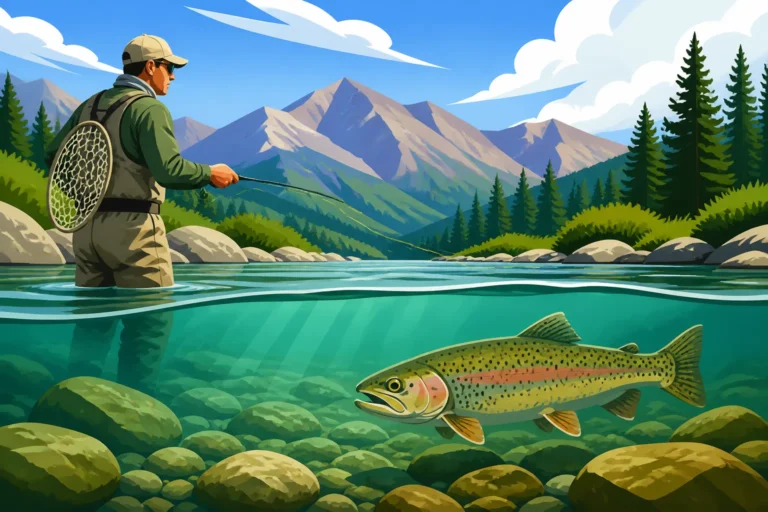
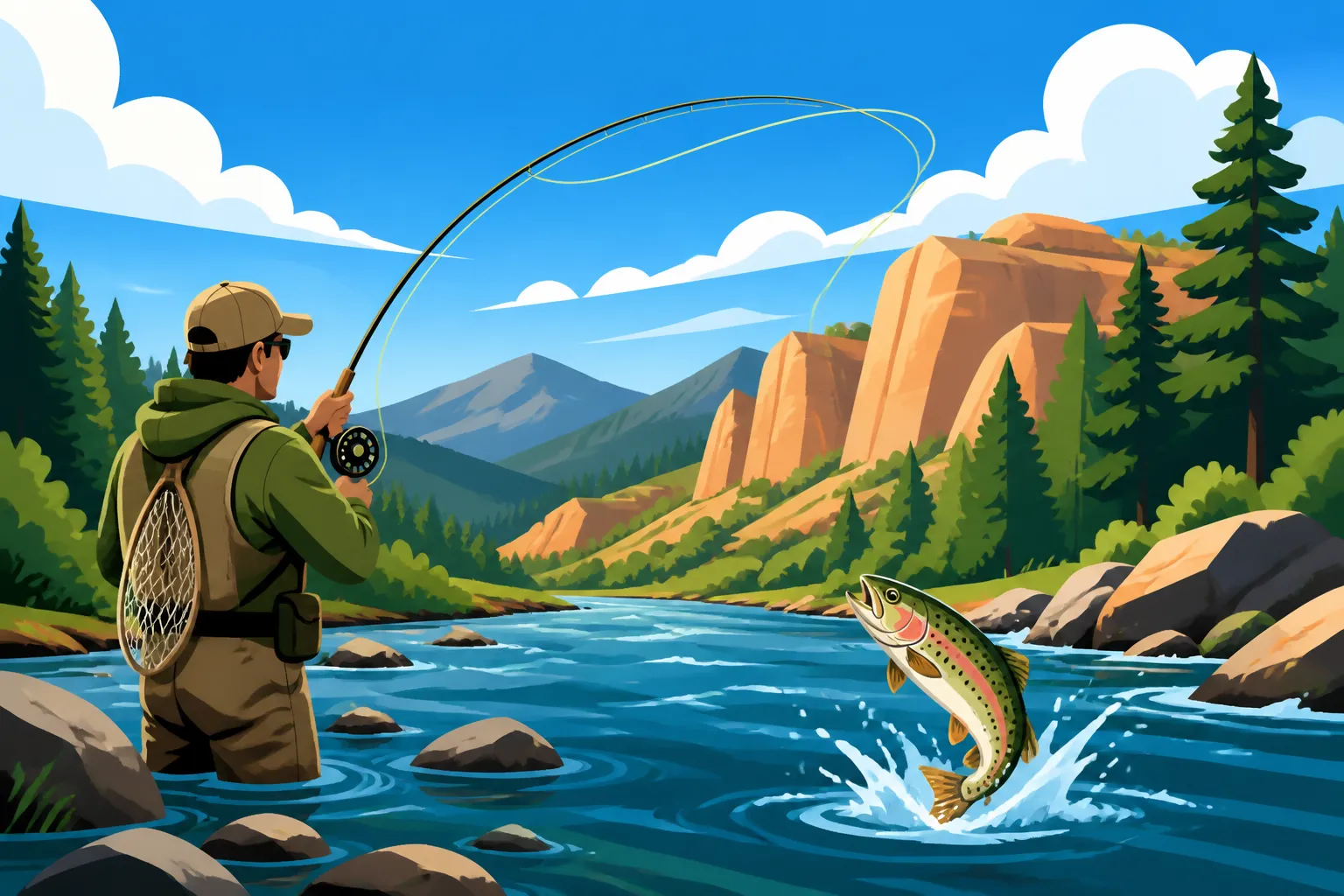
This is one of the first big decisions you'll make when booking a guided trip on the South Platte. A walk-wade trip means you'll be on foot, often in waders, moving along the riverbank and wading into the current to access different spots. This offers a more intimate connection with the water, allowing you to thoroughly dissect individual runs and pools. It's fantastic for learning specific casting techniques, reading subtle currents, and understanding how trout position themselves. However, it can be physically demanding, requiring you to navigate uneven terrain and potentially strong currents.
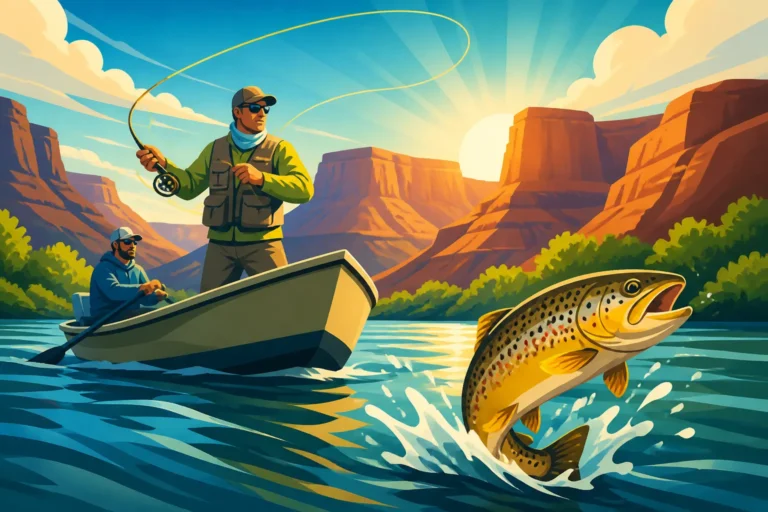
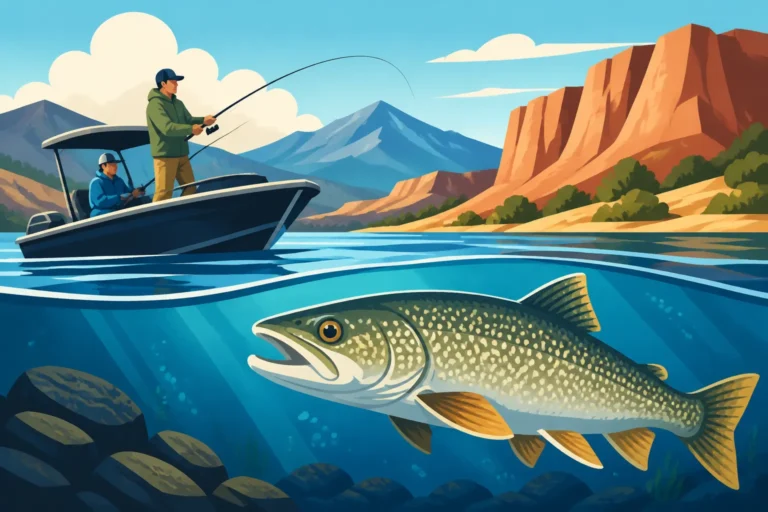
A float trip, on the other hand, involves drifting down the river in a raft or drift boat with your guide. This allows you to cover much more water, often accessing sections that are difficult or impossible to reach by wading. It’s a great option for seeing a broader picture of the river and can be less strenuous physically, as you're mostly fishing from the boat. While it offers a different perspective, it might involve less direct "teaching" time on specific wading techniques compared to a walk-wade trip. For the South Platte near Deckers, walk-wade trips are very common due to access points and the desire to thoroughly work specific runs. However, some stretches lend themselves well to floating, especially further downstream.
| Feature | Walk-Wade Trip | Float Trip |
|---|---|---|
| Access | Limited to public access points and wadeable areas. | Covers extensive water, including inaccessible stretches. |
| Physicality | More demanding, involves walking, wading, uneven terrain. | Generally less demanding, mostly fishing from a boat. |
| Learning Focus | Intimate, detailed instruction on specific water types, casting. | Broader overview, covering more diverse water, less micro-focus. |
| River Connection | Direct, immersive experience in the water. | From the boat, covering more ground efficiently. |
| Ideal For | Learning specific techniques, exploring small sections deeply. | Covering distance, seeing more of the river, less strenuous. |
| Typical Locations | Cheesman Canyon, Deckers public access points. | Sections further downstream, depending on launch points. |
Half-Day vs. Full-Day Options
Your time commitment and budget will often dictate whether you opt for a half-day or full-day guided trip. A half-day trip is usually around 4 hours and is a fantastic introduction to the river or a quick refresher. It’s less expensive and less physically taxing, making it a great choice for beginners, those with limited time, or anglers who want to focus intensely on one or two specific techniques. You’ll still get valuable instruction and fishing time, but the pace might be a bit quicker.
A full-day trip, typically 8 hours, offers a much more comprehensive experience. You'll have more time to explore different sections of the river, adapt to changing conditions, and delve deeper into various techniques. It allows for a more relaxed pace, often includes lunch on the river, and provides ample opportunity for both learning and catching fish. If you're traveling a significant distance or genuinely want to immerse yourself in the Deckers fishery, a full-day trip is often the more rewarding option. It truly lets you settle into the rhythm of the river and your guide's instruction. Consider your stamina and how much time you genuinely want to spend on the water when making this choice.
Specialty Trips: Nymphing, Dry Fly, or Beginner Focus
Beyond the duration and method of travel, many guides offer trips tailored to specific interests or skill levels. If you're primarily interested in nymphing, which is often the most productive method on the South Platte, you can find guides who specialize in various nymphing rigs, Euro nymphing, or reading subtle takes. Nymphing Techniques for Colorado Tailwaters is a great article to prepare you. For those chasing the thrill of a surface strike, a dry fly-focused trip might be available during peak hatch seasons, teaching you precise presentations and fly selection. Keep in mind, dry fly fishing here can be extremely technical.
For absolute beginners, some guides offer specific introductory packages. These trips focus heavily on casting instruction, knot tying, basic entomology, and fundamental river etiquette, ensuring you build a solid foundation before diving into more advanced techniques. If you've never held a fly rod or fished a technical river, starting with a beginner-focused guide will set you up for success and prevent frustration. Always communicate your experience level and goals upfront so your guide can tailor the trip accordingly.
What to Expect on a Guided Trip Near Deckers
Embarking on a guided fishing trip is about more than just catching fish; it's about learning, experiencing, and building confidence on the water. Knowing what to expect can help you prepare mentally and physically, allowing you to truly soak in the knowledge and enjoy the day.
Gear, Flies, and Licensing Logistics
One of the biggest advantages of a guided trip, especially for out-of-towners or those new to the sport, is that your guide typically handles most of the essential gear. This often includes rods, reels, waders, boots, and, crucially, a vast selection of flies tailored to the current conditions on the South Platte. This saves you the headache and expense of buying or renting specialized equipment you might only use once. However, there are a few things you’ll always be responsible for: your Colorado fishing license and, if you plan to use two rods, a Colorado's Second-Rod Stamp and Who Needs One. You'll need to purchase these before your trip. Your guide can't do it for you, and fishing without a license will lead to fines. Many guides recommend buying your license online through the Colorado Parks and Wildlife website. Snacks, water, sunscreen, and polarized sunglasses are also usually your responsibility, though some full-day trips might include lunch. Make sure to clarify what's included with your chosen outfitter.
Typical Day's Flow and Fishing Locations
A guided day near Deckers usually starts with a rendezvous point, often a gas station or designated meeting spot in Deckers or a nearby town like Sedalia or Woodland Park. From there, your guide will drive you to the specific stretch of river they believe will offer the best fishing opportunities that day, taking into account recent conditions, pressure, and hatches. They might have a few spots in mind and adjust as the day progresses. The day will involve a mix of instruction and active fishing. Your guide will demonstrate casting techniques, teach you how to read currents, identify insect hatches, and explain fish behavior. You'll likely move around quite a bit, covering different types of water—riffles, runs, pools, and eddies—to increase your chances of finding actively feeding fish. Be prepared for some walking on a wade trip, and remember that even on a float trip, you might pull over to wade certain productive sections.
Learning and Skill Development
The true value of a guided trip, beyond simply catching fish, lies in the opportunity for intense learning and skill development. Your guide isn't just a driver; they're a mentor and an instructor. They'll break down complex concepts into digestible lessons, offering personalized feedback on your casting, presentation, and fish-fighting techniques. You'll learn to identify crucial entomology, understanding which bugs are hatching and which flies will best "match the hatch." They'll teach you about knot tying, leader construction, and how to effectively mend your line to get a natural drift. You might learn Nymph Rigs for Deep Tailwater Runs or how to Match a Blue-Wing Olive Hatch on a Colorado Tailwater. Even experienced anglers benefit from a guide's local knowledge, picking up subtle tricks and techniques specific to the South Platte's challenging trout. Don't be afraid to ask questions—that's what your guide is there for!
Preparing for Your Guided South Platte Adventure
A little preparation goes a long way in ensuring your guided fishing trip is as smooth and enjoyable as possible. This isn't just about packing the right gear, but also about setting the right mindset for a successful day on the water.
Essential Clothing and Personal Items
Colorado weather, especially in the mountains, can be notoriously fickle. It might start chilly, warm up significantly by midday, and then a sudden afternoon thunderstorm could roll in. Layering is absolutely key. Think moisture-wicking base layers, a fleece or insulated mid-layer, and a waterproof/windproof outer shell. Even in summer, bringing a light jacket is wise. Don't forget a hat for sun protection, polarized sunglasses (crucial for seeing fish and protecting your eyes from errant hooks), and plenty of sunscreen. Your guide will likely provide waders and boots, but if you have your own comfortable, well-fitting pair, it's often better to bring them. A small backpack with water, snacks, any personal medications, and a camera to capture those memories will also be helpful. Being prepared for varying conditions means you can stay comfortable and focused on the fishing.
Pre-Trip Communication with Your Guide
Before your trip, your guide or the outfitter will typically reach out to you. This is your chance to communicate your expectations, experience level, and any specific goals you have. Are you a complete beginner hoping to learn the basics? An experienced angler looking to refine your dry fly skills? Do you have any physical limitations or preferences? The more information you provide, the better your guide can tailor the day to your needs. Don't hesitate to ask questions about the meeting point, what gear is provided, what you should bring, and if there are any specific regulations you need to be aware of for that particular stretch of the South Platte, like Barbless Hook Rules on Colorado Rivers which are common in Gold Medal waters. Clear communication ensures both you and your guide are on the same page for a fantastic day.
Physical Considerations and River Etiquette
Fishing the South Platte, particularly a walk-wade trip near Deckers, can be physically demanding. You'll be walking on uneven terrain, wading in currents, and casting repeatedly. While guides will always adjust to your fitness level, it's good to have a general idea of your capabilities. If you have concerns, discuss them during your pre-trip communication. Beyond physical preparedness, river etiquette is paramount, especially on a popular river like the South Platte. This includes respecting other anglers by giving them ample space, avoiding wading through runs where others are fishing, and practicing proper Catch-and-Release Rules on Colorado's Cutthroat Waters or any trout you're not keeping. Your guide will reinforce these principles, but coming in with an understanding shows respect for the resource and your fellow anglers. Remember, the goal is not just a successful day for you, but for everyone enjoying the river.
Finding and Booking Your Deckers Fishing Guide
Once you're ready to commit to a guided experience, the next step is finding the right guide or outfitter. Colorado has many excellent options, and a little research can ensure you find someone who perfectly matches your needs and fishing style.
Reputable Outfitters and Independent Guides
Colorado is home to numerous reputable fly shops and outfitters that employ experienced guides who know the South Platte inside and out. These operations often have a team of guides, allowing them to match you with someone who specializes in your desired technique or skill level. Local fly shops in areas like Deckers, Woodland Park, or even Denver will be excellent resources; they live and breathe the local rivers and can offer immediate advice on current conditions and availability. Independent guides also operate in the area, often building their reputation through word-of-mouth and online reviews. When looking, check for guides who are licensed and insured, which is a standard requirement for professional outfitters in Colorado. Don't be afraid to ask about their experience on the specific waters you want to fish, like the South Platte near Deckers.
Online Booking Platforms
In today's digital age, online booking platforms have become a convenient way to find and reserve guided fishing trips. Sites like FishingBooker connect anglers with guides and charter captains across the globe, including for destinations like the South Platte near Deckers. These platforms allow you to browse multiple guides, read reviews from past clients, compare pricing, and often book directly online. This can be especially helpful if you're planning your trip from out of state and don't have local connections. When using a platform like FishingBooker, pay close attention to the guide's profile, photos, and especially the detailed reviews, which often give insights into their teaching style, personality, and effectiveness on the water. It’s a great way to explore various options and secure your spot well in advance, particularly during peak seasons.
Key Questions to Ask Before Booking
Before you finalize your booking, whether through a fly shop, an independent guide, or a platform like FishingBooker, make sure to ask some key questions. This ensures there are no surprises and that your expectations align with what the guide provides.
- What's included in the trip? (e.g., gear, flies, lunch, drinks, transportation from meeting point).
- What should I bring? (e.g., license, layers, sunglasses, hat, personal snacks).
- What is your cancellation policy? (Crucial for unexpected weather or personal changes).
- What's your experience guiding on the South Platte near Deckers?
- What type of fishing will we primarily be doing? (e.g., nymphing, dry fly, streamers, or a mix).
- How many people will be in the group? (Most guided trips are 1-2 anglers per guide for personalized attention).
- What is the expected gratuity for the guide? (Tipping is customary and important for Tipping a Colorado Fishing Guide, What's Standard).
Getting these details clarified upfront will make for a much smoother and more enjoyable experience for everyone involved.
Maximizing Your Experience and Learning from Your Guide
You've invested your time and money in a guided trip; now it's time to make the absolute most of it. A guided trip is a two-way street, and your engagement and openness can significantly impact the quality of your experience and the amount you learn.
Being Open to Instruction and Feedback
This is perhaps the most critical aspect of maximizing your guided trip. Even if you're an experienced angler, your guide brings local knowledge and a fresh perspective that can elevate your skills. Be open to their suggestions, even if they contradict techniques you've used elsewhere. They are intimately familiar with the specific challenges and nuances of the South Platte's trout. When they offer feedback on your cast, your drift, or your approach, listen carefully and try to implement their advice. You might feel a bit awkward at first, but adjusting your technique based on their expert eye will undoubtedly lead to more hookups and a deeper understanding of the fishery. Remember, you hired them for their expertise; trust them to share it.
Tipping Etiquette and Appreciation
After a long day on the water, especially if your guide worked hard to put you on fish and provided excellent instruction, showing your appreciation is standard practice. Tipping is customary in the guiding industry and is a significant part of a guide's income. While there's no strict rule, a common guideline is 15-20% of the trip's cost, assuming you had a good experience. If your guide went above and beyond, consider tipping more. Present the tip discreetly at the end of the day. A genuine "thank you" and expressing specific things you enjoyed or learned from them goes a long way. It acknowledges their hard work, passion, and expertise, ensuring they feel valued for their efforts. It’s a small gesture that makes a big difference to them.
Post-Trip Follow-up and Future Planning
The learning doesn't have to stop when you get off the river. Take some time after your trip to reflect on what you learned. Review any notes you might have taken or mentally replay the techniques your guide taught you. If you have lingering questions about specific flies, leader setups, or even local water conditions for future trips, a quick, polite email to your guide a few days later can often be helpful. Many guides appreciate hearing from their clients and are happy to offer a bit more advice.
Looking ahead, if you had a particularly good experience with your guide, consider rebooking them for your next Colorado fishing adventure. Many anglers develop a strong rapport with certain guides and prefer to fish with them repeatedly. This familiarity means your guide already knows your skill level and preferences, allowing for even more productive and enjoyable trips in the future. Building these relationships can unlock even deeper insights into the South Platte and other incredible Colorado fisheries, ensuring your angling journey continues to evolve and thrive.
Disclaimer
This article is for general informational purposes only and does not constitute professional advice. Laws, prices and regulations vary by location and change over time. Consult a qualified professional for guidance on your specific situation.