What to Wear on a Colorado Guided Fishing Trip
One of the biggest anxieties people face when planning a Colorado guided fishing trip, especially if they're coming from out of state or are new to angling in the Rockies, is simply not knowing what to wear. Colorado weather can change on a dime, going from sunshine to snow or a torrential downpour in a matter of hours, even in summer. This guide will walk you through everything you need to know to dress comfortably and safely for your adventure on Colorado's incredible rivers and lakes, ensuring you're prepared for whatever Mother Nature throws your way.
Understanding Colorado's Dynamic Fishing Environment
Before we dive into the specific items of clothing, it's crucial to understand why Colorado's environment demands a particular approach to dressing. It’s not just about staying warm; it’s about being adaptable to rapid changes in temperature, precipitation, and even the intensity of the sun. Your comfort, and frankly, your enjoyment of the trip, hinges on preparing for multiple scenarios within a single day.
The Unpredictability of Mountain Weather
Anyone who has spent time in Colorado knows that the weather forecast is often just a suggestion. You can wake up to clear, crisp skies, layer up for a cool morning, and by midday be sweating under an intense sun. Then, without warning, afternoon thunderstorms can roll in, bringing heavy rain, hail, and a sudden, dramatic drop in temperature. This is especially true in the high country, but even Front Range rivers and reservoirs can surprise you. A guiding principle here is "dress in layers." Your guide will appreciate you being prepared for anything, as it means less time in the truck trying to warm up and more time focused on the fish.
Think about a spring day on the Arkansas River near Buena Vista. You might start your Colorado Fishing Seasons Month by Month trip at 6 AM with frost on the ground, needing heavy fleece and a warm hat. By 10 AM, the sun is blazing, and you're shedding layers down to a light base. Then, just as the afternoon bite picks up, a squall moves through, chilling the air and soaking everything in minutes. Having the right layers allows you to adjust quickly without missing a beat, keeping you comfortable whether you're battling a stiff breeze or casting into a sun-drenched pool. This variability means you need a system, not just a single outfit.
Water Temperatures and Conditions
Even when the air temperature is mild, Colorado's rivers and high-country lakes are often fed by snowmelt, meaning the water itself can be shockingly cold. If you're planning a walk-wade trip, especially on Gold Medal Waters like the Fryingpan River, you'll be standing in this frigid water for hours. Proper insulation and waterproofing are paramount. Even if you're float fishing from a drift boat or raft, splashes are inevitable, and cold water can quickly lead to hypothermia if you're not properly dressed.
Consider a late fall trip targeting big brown trout on the South Platte River's Dream Stream. The air might be in the 40s or 50s, but the water flowing out of the reservoirs is consistently in the 30s or low 40s. A quick misstep or a splash from a spirited fish could leave you shivering if your waders aren't up to snuff or your clothing underneath isn't designed for warmth even when damp. Understanding Colorado's Gold Medal Water Regulations Explained will give you a better idea of the commitment to these pristine, cold-water fisheries. Your guide will expect you to be ready for these conditions, ensuring your focus remains on casting, not on chattering teeth.
Essential Layers for Your Upper Body
Layering is the golden rule for dressing for any outdoor activity in Colorado, and fishing is no exception. It allows you to regulate your body temperature by adding or removing clothing as conditions change throughout the day. This is far more effective than trying to wear one thick, heavy garment.
Base Layers: Moisture-Wicking is Key
Your base layer is the first line of defense against both cold and sweat. Its primary job is to wick moisture away from your skin. When you're hiking into a secluded spot or actively casting all day, you're going to sweat, even in cold weather. If that sweat stays on your skin, it will cool rapidly and make you feel much colder once you stop moving. Cotton is your enemy here; once wet, it loses all insulating properties and takes forever to dry.
Instead, opt for materials like Merino wool or synthetic fabrics (polyester, polypropylene). Merino wool is fantastic because it's soft, naturally odor-resistant, and retains some warmth even when damp. Synthetic base layers are often more budget-friendly, highly durable, and excellent at wicking moisture. For a typical Colorado fishing trip, a medium-weight base layer top is a good choice for most seasons, perhaps a lighter one in mid-summer. Having a couple of options, one heavier and one lighter, can be smart, especially if you're staying for multiple days.
Mid-Layers: Insulation for Warmth
Your mid-layer is where you bring the warmth. This layer traps air, which is then warmed by your body heat, creating an insulating barrier. Again, avoid cotton. Materials like fleece, down, or synthetic puffies are ideal. Fleece is a popular choice because it's lightweight, breathable, and provides excellent warmth-to-weight ratio. A good quality fleece jacket or vest is a staple for any Colorado angler.
For colder conditions, or if you run cold naturally, a lightweight down or synthetic insulated jacket can be incredibly effective. These pack down small, making them easy to stash in your pack when not needed, but provide a significant boost in warmth when the temperature drops. Consider a trip to the high-country lakes for cutthroat trout, where even summer evenings can dip below freezing. Having a solid mid-layer is not just about comfort, it can be a safety measure. Your guide will often have a spare jacket, but it's always best to come prepared.
Outer Layers: Protection from Elements
The outer layer, or shell, is your shield against wind, rain, and snow. It needs to be waterproof and breathable. The "waterproof" part is obvious – you don't want to get soaked. The "breathable" part is just as important; it allows the moisture vapor (sweat) from your inner layers to escape, preventing you from getting clammy and cold from the inside out. Look for jackets and pants made with Gore-Tex or similar proprietary waterproof-breathable membranes.
A good rain jacket should have an adjustable hood that can cinch down to protect your head from driving rain or wind. Similarly, waterproof rain pants can be a lifesaver, especially on float trips or if you're wading in deep water. Even if the forecast is clear, packing a lightweight rain shell is always a smart move in Colorado. You never know when a sudden shower will pop up, turning a pleasant afternoon into a miserable one. Many of the reputable guides you might book through platforms like FishingBooker will often emphasize the importance of good rain gear.
Legwear and Footwear: Staying Dry and Stable
While your upper body gets most of the layering attention, what you wear on your legs and feet is equally, if not more, critical for comfort and safety, particularly if you plan on wading.
Waders and Wading Boots: Your Best Friends
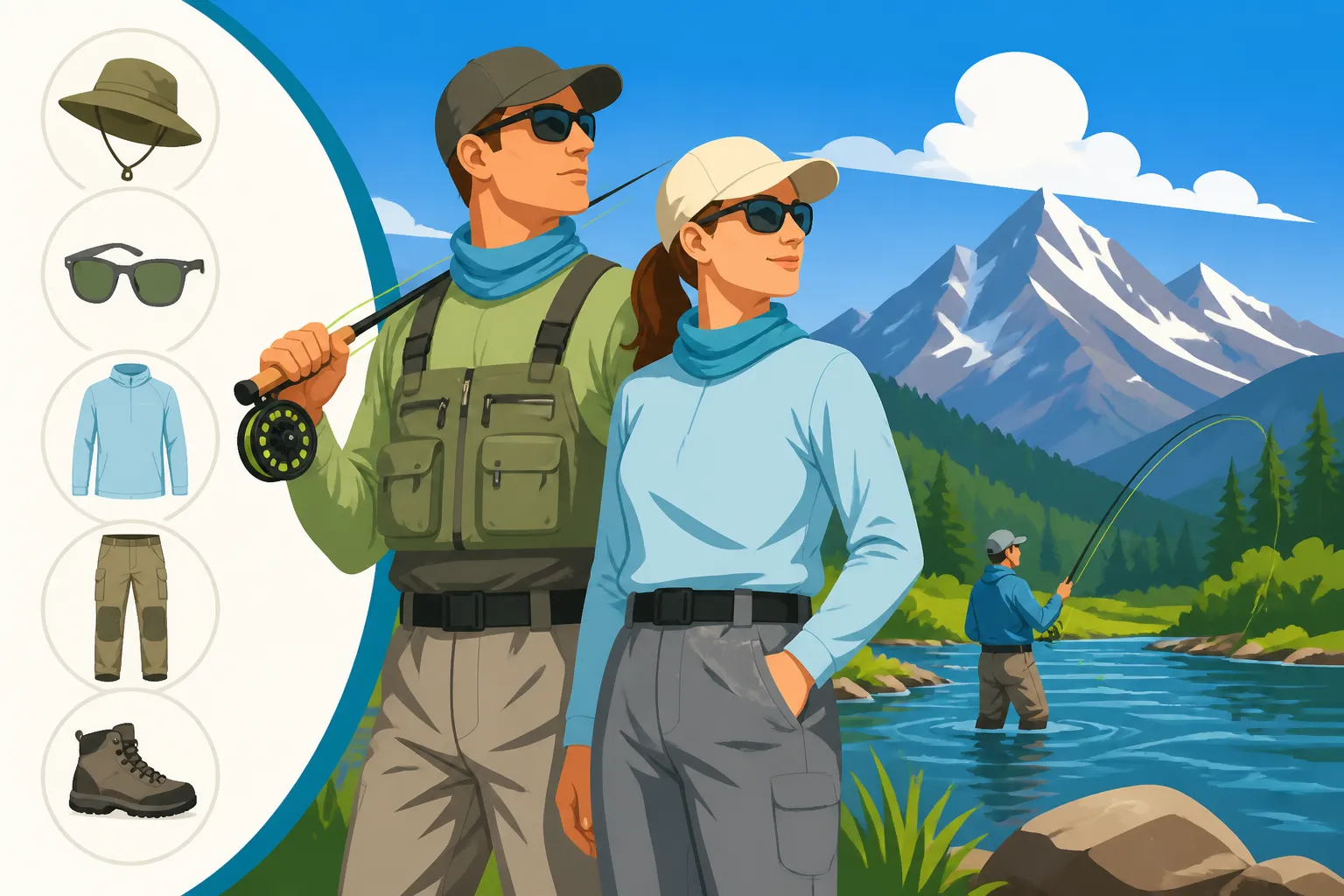
If your guided trip involves any walk-wading in rivers or streams, waders are absolutely non-negotiable. They are your primary defense against the cold, often icy, water. Modern waders are typically made from breathable materials like Gore-Tex or other proprietary fabrics, allowing sweat to escape while keeping river water out. They come in chest-high or waist-high options, with chest-high being the most versatile for varying water depths. Under your waders, you should wear synthetic or wool long underwear – again, no cotton – to provide insulation.
Wading boots, worn over the neoprene booties of your waders, provide crucial ankle support and grip on slippery riverbeds. Felt soles offer excellent traction on slick rocks, though some areas might restrict them to prevent the spread of invasive species. Rubber soles with studs are another popular and often permitted option, providing fantastic grip. Always check with your guide or Colorado Fishing Regulations Every Angler Should Know about specific restrictions for the waters you'll be fishing. A good pair of waders and sturdy wading boots can literally make or break your day on the water, allowing you to focus on Nymphing Techniques for Colorado Tailwaters or Dry Fly Fishing Colorado's Freestone Rivers without worrying about icy feet or a slip.
Alternatives for Boat or Bank Fishing
If your guided trip is primarily from a boat, like a drift boat on a larger river or a powerboat on a reservoir for lake trout, or if you're solely fishing from the bank, you might not need full waders. However, you still need to be prepared for cold, wet conditions. Waterproof pants (your rain pants can double here) are a good idea, as splashes or wet ground are common.
For footwear, waterproof hiking boots are excellent for bank fishing, providing support and keeping your feet dry in damp grass or mud. If you're on a boat, deck shoes or other non-slip, closed-toe shoes are essential for safety. Even in a boat, wool or synthetic socks are key, as they'll keep your feet warm even if they get a little damp. Think about how much happier you'll be on a full day out at Blue Mesa Reservoir, perhaps targeting kokanee salmon, if your feet are warm and dry inside your boots. Always prioritize closed-toe footwear to protect your feet from hooks, falling gear, or other boat hazards.
Headwear, Handwear, and Accessories
Don't overlook the smaller items – they often make the biggest difference in your overall comfort and protection throughout the day. Your head and hands are particularly susceptible to heat loss and sun exposure.
Hats, Sunglasses, and Sun Protection
A good hat is indispensable. A baseball cap or wide-brimmed hat provides crucial shade for your face and neck, protecting you from Colorado's intense high-altitude sun. The sun's UV rays are much stronger at elevation, and sunburn can occur quickly, even on cloudy days. In colder weather, a warm beanie or fleece hat is essential for retaining body heat, as a significant amount of heat can escape through your head.
Polarized sunglasses are not just a fashion statement; they are a fishing necessity. They cut glare off the water, allowing you to see into the water much more clearly, spotting fish, structure, and potential hazards. This can be a huge advantage when sight-fishing clear tailwaters. Always bring a retainer strap for your sunglasses so they don't fall into the river if you bend over or get jostled. Don't forget high-SPF sunscreen and lip balm, even in winter. Fishing Rocky Mountain National Park or any high-altitude spot demands diligent sun protection.
Gloves for Warmth and Protection
Gloves might seem like an optional item, but they serve multiple purposes. In cold weather, fleece or wool gloves (often with convertible finger flaps for dexterity) will keep your hands warm and functional. Cold, stiff fingers make tying knots or handling delicate flies incredibly difficult. Even in warmer weather, sun gloves (thin, breathable gloves with UV protection) can prevent sunburn on the back of your hands, an often-overlooked area.
When handling fish, especially those with sharp fins or teeth like pike, gloves can offer a layer of protection. Some anglers also use fingerless gloves to prevent line burns from repeated casting and stripping. Your hands are your primary tools when fishing, so keeping them protected and comfortable is paramount. Whether you're focused on Ice Fishing in Colorado, Getting Started or casting dry flies on a summer afternoon, happy hands lead to a much better experience.
Other Must-Have Accessories
Beyond clothing, a few other items will significantly enhance your guided fishing trip:
- Small Backpack or Dry Bag: Essential for carrying extra layers, snacks, water, and personal items. A dry bag will keep everything safe from splashes or rain.
- Water Bottle: Staying hydrated is critical at Colorado's altitude. Bring a reusable water bottle that you can refill.
- Snacks: Fishing is an active pursuit! Bring some energy bars, trail mix, or other non-perishable snacks to keep your energy up throughout the day. Your guide will often have some, but it’s good to have your own.
- Fishing License: This is non-negotiable. You absolutely need a valid Colorado fishing license and a habitat stamp. Make sure to purchase it before your trip. Your guide cannot legally take you fishing without one. Check out our Colorado Fishing License Guide for Residents and Nonresidents for all the details.
- Camera: To capture those memorable moments (and the fish!). Just make sure it's well protected in your dry bag.
- Insect Repellent: Depending on the time of year and location, mosquitoes and other biting insects can be a nuisance.
- Towel or Chamois: Handy for drying hands or wiping down gear.
Here's a quick summary table of what to wear for different seasons in Colorado:
| Item Type | Spring (April-May) | Summer (June-August) | Fall (Sept-Nov) | Winter (Dec-March) |
|---|---|---|---|---|
| Base Layers | Mid-weight synthetic/wool top & bottom | Light-weight synthetic/wool top | Mid-weight synthetic/wool top & bottom | Heavy-weight synthetic/wool top & bottom |
| Mid-Layers | Fleece jacket or light puffy | Light fleece or none | Fleece jacket, possibly puffy | Heavy fleece, down/synthetic puffy |
| Outer Layer | Waterproof/breathable rain jacket & pants | Lightweight rain jacket (packable) | Waterproof/breathable rain jacket & pants | Heavy waterproof/windproof parka & pants |
| Legwear | Waders w/ wool socks & synthetic bottoms (or rain pants/waterproof hiking pants) | Waders (if wading) or quick-dry pants/shorts | Waders w/ wool socks & synthetic bottoms (or heavy hiking pants) | Waders w/ heavy wool socks & synthetic bottoms (or insulated snow pants) |
| Footwear | Wading boots (if wading), waterproof hiking boots | Wading boots (if wading), closed-toe sandals/shoes | Wading boots (if wading), waterproof hiking boots | Wading boots w/ insulated liners (if ice fishing) or insulated winter boots |
| Headwear | Warm beanie, baseball cap, polarized sunglasses | Wide-brimmed hat, baseball cap, polarized sunglasses | Warm beanie, baseball cap, polarized sunglasses | Heavy beanie, balaclava, polarized sunglasses |
| Handwear | Fingerless fleece gloves | Sun gloves or none | Fleece or wool gloves | Heavy insulated waterproof gloves |
| Sun Protection | Sunscreen, lip balm | Sunscreen, lip balm | Sunscreen, lip balm | Sunscreen, lip balm (still needed in winter!) |
Remember, your guided fishing trip is an investment in an experience, and showing up prepared with the right clothing will make it infinitely more enjoyable. If you’re ever in doubt, reach out to your guide directly after booking through platforms like FishingBooker or directly with the outfitter. They are the local experts and can give you specific recommendations based on current conditions and the specific waters you'll be fishing. Don't let uncomfortable clothing detract from the beauty and excitement of fishing in Colorado!
Disclaimer
This article is for general informational purposes only and does not constitute professional advice. Laws, prices and regulations vary by location and change over time. Consult a qualified professional for guidance on your specific situation.