How Long a Beginner Lesson Takes With a Colorado Guide
Thinking about taking the plunge and learning to fish in Colorado? It's an incredible journey, whether you're dreaming of casting a fly to a wary trout or simply want to feel the tug of a bass on your line. One of the first questions many beginners ask is, "How long will this take?" It's a completely valid concern! You want to make the most of your time and investment. This guide will help you understand the typical duration of a beginner fishing lesson with a Colorado guide, what factors can influence that timeframe, and what you can expect to learn.
Understanding Standard Beginner Lesson Durations with a Colorado Guide
When you're looking into guided fishing lessons here in Colorado, you'll generally find that guides structure their beginner offerings around a couple of standard durations: the half-day and the full-day trip. Each has its own merits, and the "best" choice really depends on your goals, your stamina, and how much you want to absorb in one go.
The Popular Half-Day Introduction
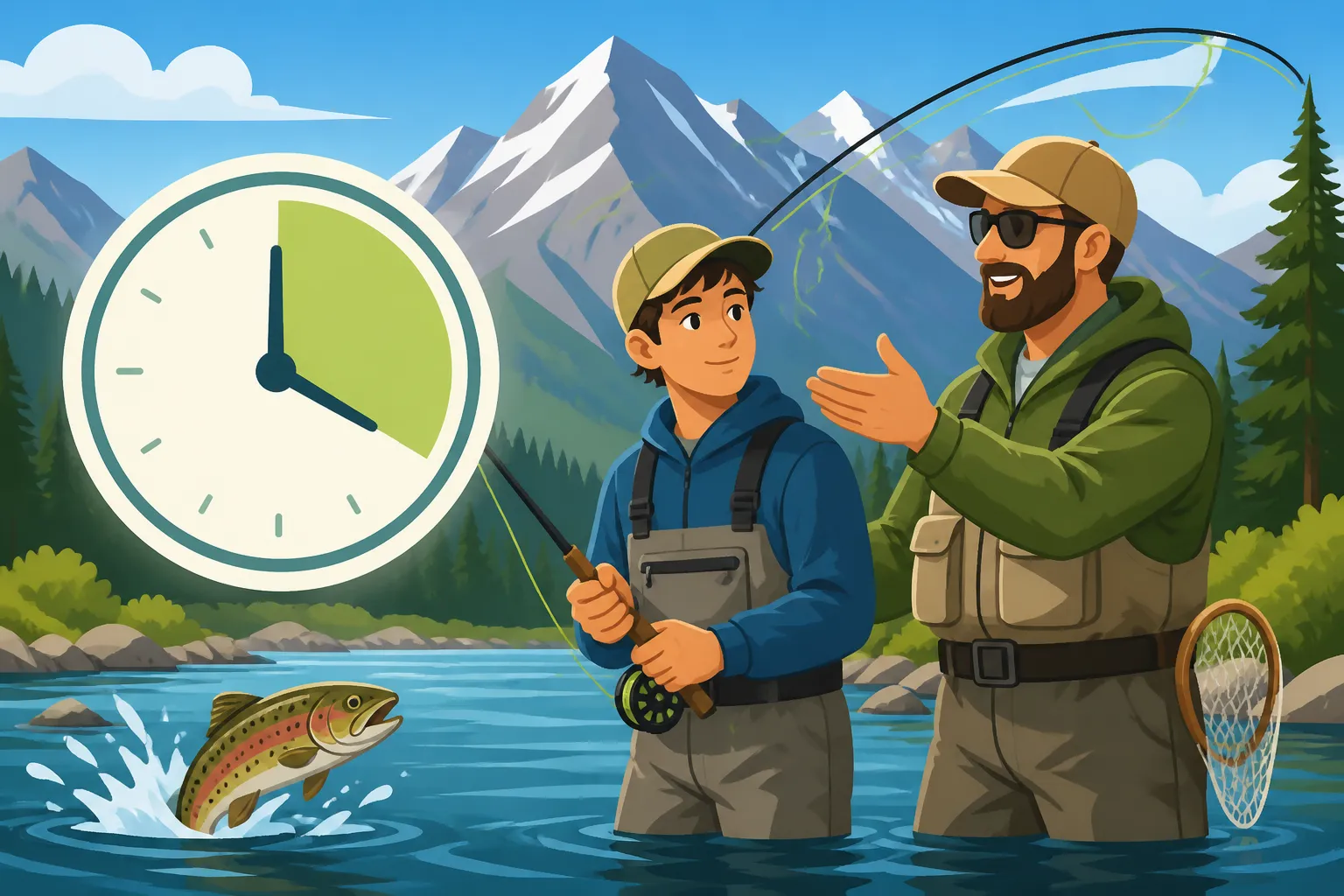
For many aspiring anglers, especially those just dipping their toes into the water, a half-day lesson is a fantastic starting point. Typically, a half-day trip runs anywhere from four to five hours. This timeframe is often ideal if you're a complete novice, perhaps a bit unsure if fishing is "your thing," or if you're on a tight vacation schedule.
During a half-day lesson, your guide will focus on the absolute essentials. Think of it as a comprehensive crash course. You'll cover the fundamental basics without getting overwhelmed. It's enough time to get comfortable with the gear, learn some basic casting mechanics, tie a couple of crucial knots, and understand how to properly handle a fish for release. You'll definitely get some actual fishing time in, which is crucial for building confidence. The pace is usually a bit quicker, designed to give you a taste of the sport and equip you with enough skills to practice on your own later. It's also a great option if you have younger children who might lose focus on a longer trip. Your guide will work efficiently to get you casting and hopefully hooking into some fish relatively quickly.
The More Comprehensive Full-Day Experience
If you're truly committed to getting a solid foundation, or if you already know you love being outdoors and learning new skills, a full-day lesson is where you'll really start to see progress. A full-day trip usually lasts eight hours or more, often including a break for lunch. This extended time allows for a much deeper dive into the art and science of fishing.
With a full day, you get the luxury of repetition and refinement. After covering the basics in the morning, you'll have ample opportunity to practice your casting, try different techniques, and fish various types of water. For instance, if you're fly fishing, you might spend time learning dry fly presentations, then switch to nymphing techniques, and even try a streamer or two. The guide can delve into more nuanced topics like reading different water currents, understanding entomology (bug life) if you're fly fishing, or exploring different lure presentations for spin fishing.
The extra hours mean more actual fishing time, which significantly increases your chances of hooking fish and applying what you've learned in real-time scenarios. It also allows for troubleshooting – if a certain cast isn't clicking, or you're struggling with a particular knot, the guide has the time to break it down, provide more personalized instruction, and get you past that hurdle. For many, a full-day lesson transforms fishing from a confusing activity into something truly enjoyable and understandable. It’s an investment in skill-building that really pays off.
Here's a quick comparison to help you visualize the differences:
| Feature | Half-Day Beginner Lesson (4-5 hours) | Full-Day Beginner Lesson (8+ hours) |
|---|---|---|
| Primary Goal | Introduction, foundational skills, "taste" of fishing | Comprehensive learning, skill refinement, deeper understanding |
| Pace | Faster, focused on core essentials | More relaxed, ample practice, diverse techniques |
| Content Covered | Basic casting, knot tying, fish handling, safety, basic water reading | All of the above, plus advanced casting, multiple techniques, detailed water reading, entomology, strategic approach |
| Fishing Time | Sufficient to get some bites and practice | Extensive, higher chance of catching fish, trying different spots |
| Ideal For | Complete novices, those short on time, families with young kids | Dedicated learners, those wanting a solid foundation, more immersive experience |
| Breaks | Usually quick breaks as needed | Often includes a dedicated lunch break |
Factors Influencing Your Colorado Beginner Lesson Time
While the half-day and full-day are standard, it's important to remember that these are just general categories. Several elements can subtly, or not so subtly, influence the actual time you spend learning and fishing with your Colorado guide. It's never a one-size-fits-all situation, and that's a good thing!
Your Personal Learning Style and Pace
This is perhaps the biggest variable. We all learn differently, don't we? Some folks are naturally coordinated and pick up casting mechanics in a flash. Others might need a bit more repetition, a different explanation, or more hands-on guidance to get the feel of it. An empathetic guide understands this and will adjust their teaching pace to suit you. If you're struggling with a particular aspect, they'll spend more time on it. If you're a quick study, they might introduce more advanced concepts sooner.
It's not about being "good" or "bad" at learning; it's about finding your rhythm. If you know you tend to learn by doing and need a lot of practice, a full-day trip might give you the unpressured time you need. If you're someone who gets overwhelmed by too much information at once, a half-day might be perfect to cover the critical points, allowing you to digest and practice before possibly booking a follow-up session. Don't be afraid to communicate your learning style to your guide when you book – a good guide will appreciate the heads-up.
Type of Fishing and Specific Techniques
The kind of fishing you want to learn also plays a significant role in lesson duration. Fly fishing, for example, typically involves a steeper initial learning curve than spin fishing. There are more components to manage – the fly rod, reel, line, leader, tippet, and the rhythmic motion of the cast. Mastering a basic roll cast or overhead cast can take some dedicated time. Spin fishing, on the other hand, often allows beginners to get a lure in the water and start retrieving with relative ease, meaning you might spend less time on casting mechanics and more time on lure presentation and retrieval techniques.
Within fly fishing alone, different techniques require different levels of instruction. Learning basic dry fly casting is one thing; understanding the nuances of nymphing a complex current or how to effectively swing a streamer for big brown trout will take more time and specialized instruction. If you're particularly keen on a specific technique, discuss this with your guide beforehand. They might recommend a full-day or even a series of lessons to truly get you proficient. For a comprehensive overview of how much these specialized lessons might cost, you can check out Colorado Fly Fishing Guide Costs Explained.
The Guide's Approach and Curriculum
Every guide has their own teaching philosophy and preferred curriculum for beginners. Some guides follow a very structured, step-by-step approach, starting with casting on grass, then moving to knot tying, and finally getting on the water. Others might prefer a more "learn-by-doing" method, getting you on the water almost immediately and integrating instruction as you go.
The best guides are adaptable, but their general style can influence how long certain components of the lesson take. When you're researching guides, don't hesitate to ask about their typical beginner itinerary. You can often find detailed information about what guides offer and even read reviews on platforms like FishingBooker, which can give you a good sense of their teaching style and how previous clients experienced their lessons. Some guides might even offer specialized half-day options focused purely on casting, or a full-day deep dive into river etiquette and conservation. Knowing what their standard lesson entails will help you align your expectations with their offerings.
What's Typically Covered in a Colorado Beginner Lesson
So, regardless of whether you opt for a half-day or a full-day, what actual skills and knowledge can you expect to walk away with? A good beginner lesson with a Colorado guide isn't just about putting a rod in your hand; it's about building a foundational understanding that will serve you well on future angling adventures.
Foundational Skills and River Etiquette
This is the bread and butter of any beginner lesson. Your guide will start with the absolute essentials to ensure you're safe, confident, and respectful on the water.
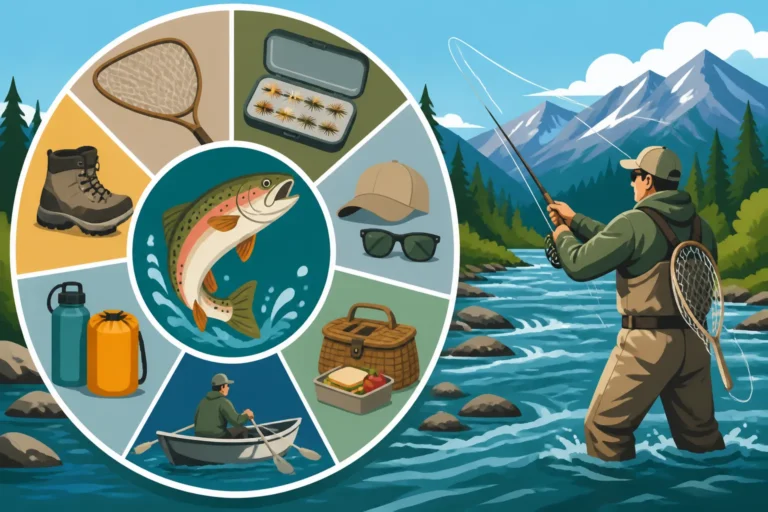
- Gear Introduction: Expect to learn about the components of your fishing setup – the rod, reel, line, leader, and tippet for fly fishing, or the rod, reel, and line for spin fishing. Understanding what each piece does and how to assemble it is key. You won't just be handed a rigged rod; you'll learn why it's rigged that way.
- Casting Basics: This is where the rubber meets the road. For fly fishing, you'll learn the fundamental pick-up and lay-down cast, perhaps a roll cast if you're on a river with limited back-casting room. For spin fishing, it will be the basic overhead or sidearm cast. The goal is accuracy and efficiency, not necessarily distance. Your guide will demonstrate, then observe, offering continuous feedback until you start to get the muscle memory.
- Knot Tying: Don't worry, you won't need to be a boy scout, but a few essential knots are critical. Expect to learn how to tie your fly or lure onto your line (like a clinch knot or improved clinch knot) and possibly how to connect your leader to your fly line (for fly fishing, often a nail knot or a loop-to-loop connection). These are practical skills you’ll use every time you fish.
- Fish Handling and Release: This is incredibly important, especially in Colorado where catch-and-release is common, and protecting our fish populations is paramount. Your guide will teach you how to properly net a fish, handle it gently with wet hands, remove the hook quickly, and release it safely back into the water to ensure its survival. You'll also learn about barbless hooks, which are often required on specific waters.
- Reading Water: This is a subtle but crucial skill. Your guide will help you understand where fish tend to hold – in riffles, runs, pools, and eddies – and why they choose those spots. They'll teach you how to identify potential fish lies and how to approach them without spooking your quarry.
- Safety and Regulations: Beyond handling fish, you'll cover general safety on the water, whether it's wading safely, watching for changing weather, or understanding basic water hazards. You'll also learn about the local regulations, such as bag limits (if keeping fish is allowed), specific restrictions, and the importance of having your Colorado Fishing License Guide for Residents and Nonresidents and Colorado's Habitat Stamp, Explained. For a deeper dive into the legalities, a good resource is Colorado Fishing Regulations Every Angler Should Know.
This entire segment is designed to build your competence and confidence. You'll spend plenty of time practicing these foundational elements. If you're curious about what specific items might be provided, take a look at What's Included in a Colorado Guided Fly Fishing Trip.
Hands-On Fishing Experience and Problem Solving
Theory is great, but nothing beats actual time on the water. After the initial instruction, your beginner lesson will shift heavily towards practical application. You'll be casting, retrieving, and learning to identify subtle bites.
Your guide will be right there with you, offering real-time coaching. Did you miss a strike? They'll help you understand why. Did your line get tangled? They'll show you how to untangle it efficiently. Did you snag a branch? They'll guide you through freeing your line. This immediate feedback loop is invaluable for beginners. It's not just about catching fish, though that's certainly a bonus, but about learning how to solve problems that inevitably arise when fishing.
This practical experience is where the lesson truly comes alive. You'll learn to adjust your cast for different wind conditions, try different flies or lures based on the water conditions, and perhaps even learn how to approach a new section of the river. The goal is for you to feel a sense of accomplishment and to leave with the practical know-how to continue your fishing journey. Many guides specifically offer Guided Trips for Beginners in Colorado to cater to this exact need, focusing on a supportive and educational environment.
Maximizing Your Learning Beyond the Initial Lesson
Think of your beginner lesson with a Colorado guide not as the end, but as a fantastic beginning. It's the launchpad for a lifelong passion. To truly make the most of that initial investment, there are crucial steps you can take afterward to consolidate your skills and continue growing as an angler.
Practice, Practice, Practice
Just like learning to ride a bike or play a musical instrument, fishing requires practice. The skills you gain in your lesson – casting, knot tying, reading water – will become second nature only with repetition. Don't let those newly acquired skills fade!
- Backyard Casting: Even without water, you can practice your casting in your backyard or a local park. Tie a piece of yarn to your fly line instead of a fly, or remove the hook from your spin fishing lure, and practice hitting targets. This builds muscle memory without the pressure of trying to catch fish.
- Local Waters: Seek out easily accessible, less challenging waters to practice. Colorado has numerous urban ponds and community lakes that are regularly stocked and perfect for beginners to hone their skills in a relaxed environment. Places like those mentioned in Urban Fishing Ponds in the Denver Metro are fantastic for this. You can focus on your casting, setting the hook, and practicing your fish handling without having to navigate complex currents or highly pressured fish.
- Review Your Notes: If you took mental (or actual) notes during your guided trip, review them! Rehearse the knots, think back to the guide's advice on reading water, and visualize the casting motions.
Considering Follow-Up Sessions or Multi-Day Trips
One lesson is a wonderful start, but it won't make you an expert overnight. As you gain more confidence and experience, you might find yourself wanting to learn more advanced techniques or explore different waters.
- Another Half-Day: Sometimes, another half-day lesson after you've had some solo practice can be incredibly beneficial. You'll already have the basics down, so the guide can focus on refining your technique, introducing new fly patterns or lures, or teaching you how to fish a different type of water (e.g., stillwater vs. moving water).
- Full-Day Progression: If your first lesson was a half-day, consider booking a full-day trip next. This will give you the time to really put those foundational skills to the test and learn more strategic approaches to fishing.
- Multi-Day Immersion: For those who truly fall in love with the sport, a multi-day guided trip can be an incredible, immersive experience. You might explore different rivers, learn diverse techniques, and even experience backcountry fishing. These trips, like those discussed in Multi-Day Guided Fishing Trips in Colorado, offer an unparalleled opportunity for accelerated learning and unforgettable memories. Platforms like FishingBooker can be an excellent resource for finding guides who offer these extended experiences.
Leveraging Resources and Community
Fishing is a sport that thrives on community and shared knowledge. Don't be afraid to tap into the vast resources available to you as you continue your journey.
- Local Fly Shops/Sporting Goods Stores: These are invaluable local hubs. The staff are often incredibly knowledgeable and happy to offer advice on local conditions, recommended flies or lures, and upcoming hatches. They can be great places to get information on Choosing a Colorado Fishing Guide, What to Look For for future trips.
- Online Resources: Beyond this blog, there are countless forums, videos, and articles dedicated to fishing in Colorado. You can learn about specific rivers, techniques, and even local etiquette. When it's time to book your next adventure, remember that services like FishingBooker make it easy to find and connect with local guides who specialize in different areas and techniques. For general booking advice, check out Booking a Colorado Fishing Guide Online.
- Join a Club or Group: Look for local fishing clubs or conservation groups. These offer opportunities to learn from experienced anglers, participate in events, and connect with fellow enthusiasts.
By continuing to practice, seeking further instruction, and engaging with the fishing community, you'll find that your beginner lesson was just the first cast in a rich and rewarding angling journey here in Colorado.
Disclaimer
This article is for general informational purposes only and does not constitute professional advice. Laws, prices and regulations vary by location and change over time. Consult a qualified professional for guidance on your specific situation.