Guided Trips on the Taylor River Below the Dam
Oh, the Taylor River below the dam. If you've spent any time dreaming of Colorado trout fishing, you've probably heard whispered legends of this place. It's truly a bucket-list destination for many anglers, but let's be honest, it can also feel incredibly intimidating. Those gin-clear waters holding monstrous trout that seem to have a PhD in fly avoidance? Yeah, it's a challenge. This guide is all about taking the guesswork out of tackling this world-renowned tailwater by exploring exactly what a guided trip entails, helping you prepare for an unforgettable day (or two!) on these fabled waters.
Why the Taylor River Below the Dam is a Premier Fishing Destination
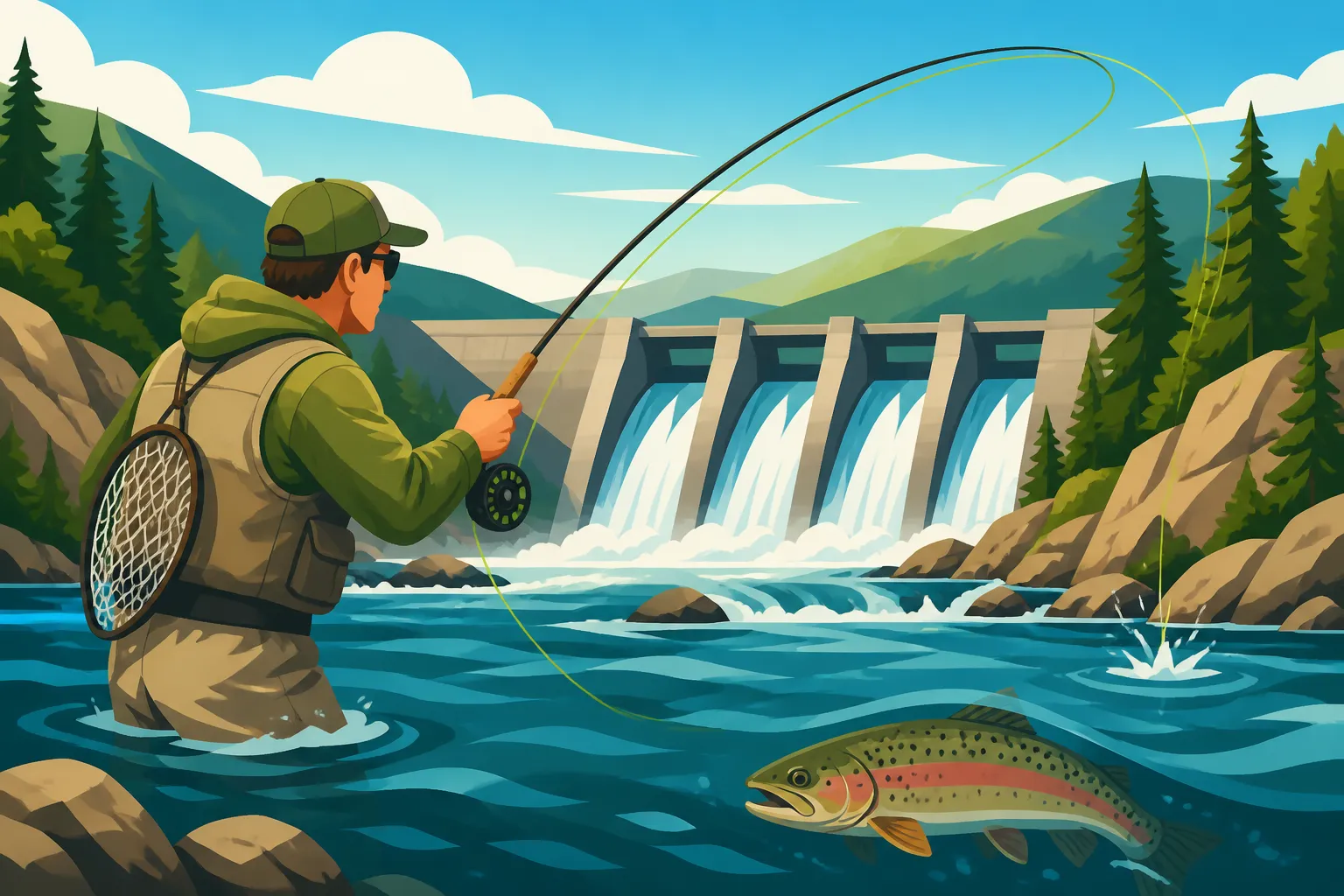
There's a reason the Taylor River, particularly the stretch just below Taylor Park Reservoir near Almont, has such a sterling reputation among anglers. It’s not just beautiful; it's home to some of the largest, most challenging trout you'll find anywhere in Colorado. The magic of this river lies in a very specific combination of factors that create an almost perfect environment for growing truly massive fish.
Understanding the Taylor River Tailwater's Unique Ecosystem
When we talk about the "Taylor River below the dam," we're specifically referring to a tailwater fishery. What does that mean, exactly? It means the river's flow and temperature are regulated by the release of water from Taylor Park Reservoir. This regulation is crucial. Unlike freestone rivers that experience dramatic fluctuations in temperature and flow with the seasons, the Taylor tailwater maintains a remarkably consistent, cold temperature year-round. Think about it: during the scorching summer, the water stays chilled, and in the dead of winter, it remains unfrozen enough to fish.
This steady, cold environment, combined with the nutrient-rich water flowing out of the reservoir, creates an ideal buffet for aquatic insects. Midges, tiny mayflies, and various nymphs thrive here, providing a constant food source. Trout, especially rainbow and brown trout, can grow to incredible sizes because they have a consistent food supply and stable conditions that minimize stress. However, this consistent environment also means the fish become incredibly educated. They see a lot of flies and learn quickly what looks natural and what doesn't. They're not just big; they're smart, and that's where the challenge (and reward!) truly comes in.
The Allure of Trophy Trout Fishing
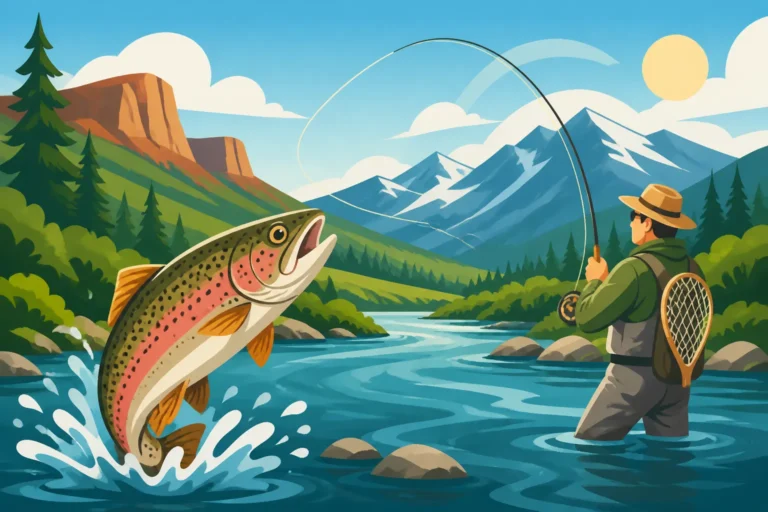
Let's get down to what most people really come to the Taylor for: the chance at a truly colossal trout. We're talking about fish that push the boundaries of what you thought possible on a fly rod. Twenty-inch rainbows and browns are relatively common, and much larger fish are regularly hooked, though landing them is another story! The sheer size of these fish is astounding, a testament to the river's bounty. Imagine the thrill of hooking into a powerful rainbow that immediately peels line off your reel, or a thick-shouldered brown that battles deep in the current. It's an adrenaline rush like no other.
For many, it's not just about the size, but the experience of targeting such magnificent creatures. These fish are often old, wise, and incredibly strong. Landing one is a true accomplishment that tests your casting accuracy, presentation skills, and fish-fighting prowess. Because of the incredible value these large fish hold for the fishery, this section of the Taylor River is almost exclusively fished as catch-and-release. Most anglers understand and respect this; it's about preserving the opportunity for future generations to experience the same magic. It's a place where you truly appreciate the fight, the beauty, and the careful release of a fish that might be older than your youngest child.
What to Expect from a Guided Trip on the Taylor
So, you're ready to take on the Taylor, but maybe you're feeling a bit overwhelmed by its legendary status. That's perfectly normal! This is precisely where a guided trip shines. Hiring an experienced local guide can transform a potentially frustrating day into an incredibly rewarding and educational adventure.
The Benefits of Hiring a Local Guide
A local guide brings a wealth of knowledge that is virtually impossible to acquire in a short visit. They spend countless days on the river, monitoring conditions, understanding the ever-changing hatches, and knowing exactly where the fish are holding. This isn't just about finding fish; it's about understanding why they're there and how to approach them. A good guide will know the subtle currents, the underwater structure, and the exact flies that are working on any given day. They often have access to private water sections, which can offer a less crowded and more exclusive experience, although plenty of exceptional public access exists.
Beyond finding fish, a guide is an invaluable instructor. If you're a beginner, they'll teach you casting techniques, how to read the water, and proper nymphing or dry-fly presentation. For more experienced anglers, they can refine your skills, introduce advanced techniques like Euro nymphing, or help you hone your streamer game for those big browns. They'll rig your rods, tie on the tiny, often frustratingly small flies needed for these selective fish, and generally take care of all the logistical headaches so you can focus on the fishing. Plus, they usually provide all the necessary gear – high-quality rods, reels, lines, and an extensive fly box full of the local patterns. You can show up with your Colorado Fishing License Guide for Residents and Nonresidents and a positive attitude, and they'll handle the rest.
Typical Trip Logistics: Full Day vs. Half Day
Most outfitters offer both full-day and half-day guided trips on the Taylor River. The choice often depends on your budget, stamina, and how much time you have.
- Half-Day Trips: These are usually around four hours on the water. They're a fantastic option for beginners who want an introduction without committing to a full day, or for experienced anglers with limited time. A half-day trip focuses intensely on a specific section of the river, allowing for concentrated instruction and fishing. You'll typically meet your guide at a local fly shop in Almont or a pre-arranged spot, get geared up, and head straight to the river. It's a quick, efficient way to experience the Taylor's magic.
- Full-Day Trips: Lasting anywhere from seven to nine hours, a full-day trip offers a more comprehensive experience. You'll have more time to explore different sections of the river, try various techniques, and really settle into the rhythm of the day. Guides on full-day trips usually provide lunch, snacks, and drinks, turning it into a truly all-inclusive outing. This is often preferred by those looking to maximize their chances at a trophy or to delve deeper into the nuances of tailwater fishing. The pace is generally relaxed, but you'll cover more ground and have more opportunities to learn and hook fish. For detailed information on what typically comes with a full guided experience, you might want to read What's Included in a Colorado Guided Fly Fishing Trip.
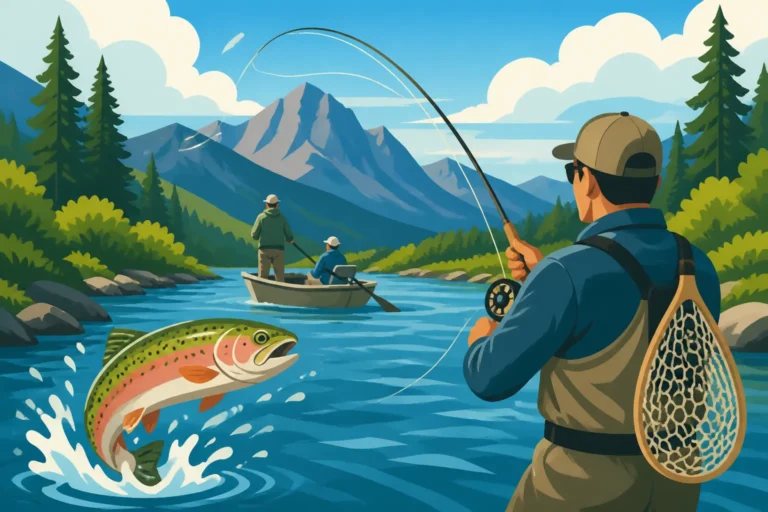
Regardless of the duration, expect to meet your guide bright and early. These fish can be picky, and early mornings often offer the best conditions. Your guide will drive you to the river, often to a specific access point they know is fishing well. Most of the fishing will be walk-wading, meaning you'll be on foot, carefully navigating the river banks and wading into the current.
Gear, Flies, and Techniques Your Guide Will Employ
The Taylor River is known for its highly technical fishing, and your guide will be equipped with specialized gear and knowledge to match. You'll likely be using lightweight fly rods, often 3- or 4-weights, paired with fine tippet (sometimes as light as 6x or 7x). The goal is subtlety and delicate presentation.
- Nymphing: This is often the most productive technique on the Taylor. Your guide will set up specialized nymph rigs, often incorporating multiple tiny flies under a small indicator, or using Euro nymphing techniques for precise depth control. They'll teach you how to read currents, detect subtle takes, and mend your line for the perfect drift. Nymphing Techniques for Colorado Tailwaters is an excellent resource for understanding this.
- Dry-Dropper Rigs: While less common than pure nymphing for sheer numbers of fish, a dry-dropper rig can be effective, especially when a hatch is occurring. This involves a visible dry fly on the surface that acts as an indicator, with a small nymph suspended beneath it.
- Fly Selection: Expect tiny flies. Midges, blue-wing olives (BWO), and various mayfly and caddis nymphs in sizes 18-24 are common. Egg patterns can also be highly effective at certain times of the year. Your guide's fly box will be stocked with exactly what the fish are currently eating.
- Stealth and Presentation: These educated Taylor River trout are easily spooked. Your guide will emphasize quiet approaches, careful wading, and precise casting to avoid putting fish down. They'll help you perfect your drift, ensuring your flies look as natural as possible.
It's a masterclass in finesse fishing, and having a guide explain and demonstrate these techniques makes all the difference in connecting with these elusive, massive fish.
Planning and Booking Your Taylor River Adventure
A guided trip on the Taylor River is an investment in an incredible experience, so planning ahead is key to making sure you get the most out of it. Don't just show up hoping for the best; put in a little legwork beforehand.
Choosing the Right Outfitter and Guide
This is perhaps the most crucial step. The quality of your trip hinges on the expertise and personality of your guide. You'll want an outfitter with a solid reputation specifically for the Taylor River. Look for guides who specialize in technical tailwaters and have a deep understanding of its unique challenges. Some guides are phenomenal teachers, patient with beginners, while others are more focused on pushing experienced anglers to new levels. Think about what you want from your day.
Don't hesitate to ask questions when you call to book. For instance, ask about their philosophy on teaching versus just guiding, or their experience level on the Taylor specifically. Review sites and testimonials can be incredibly helpful here. You might find guides through platforms like FishingBooker, where you can read reviews from past clients and compare different services. A dedicated outfitter or fly shop will often have a roster of guides they work with, and they can help match you with someone whose style aligns with your goals. For a more general overview, Choosing a Colorado Fishing Guide, What to Look For provides excellent advice.
Booking Process and What to Ask Before You Go
Once you've identified an outfitter, contact them as early as possible. The Taylor River is popular, and the best guides book up quickly, especially during peak seasons like summer and fall. Some anglers book their trips six months to a year in advance! How Far in Advance to Book a Colorado Fishing Guide can give you a good idea of typical lead times.
When you're ready to book, here are some key questions to ask:
- What's included in the trip price? Does it cover flies, leaders, tippet, lunch, drinks, and any necessary gear like waders or boots?
- What should I bring? (We'll get into this in the next section, but it's good to confirm.)
- What is the cancellation policy? This is important, especially given Colorado's unpredictable weather.
- Do I need a fishing license and Colorado's Habitat Stamp, Explained? (The answer is almost always yes for adults, but confirm the specifics for youth or senior exemptions.)
- What time and where do we meet?
- What's the typical fish species we'll target? (Mainly trout on the Taylor, but good to confirm.)
- What's the guide's approach to skill levels? Are they good with beginners, or more geared towards advanced anglers?
Many outfitters will require a deposit to secure your booking, and the remainder will be due on the day of your trip. Don't be afraid to use services like FishingBooker to compare options and ensure you're getting a good fit for your needs.
Essential Preparations and What to Bring
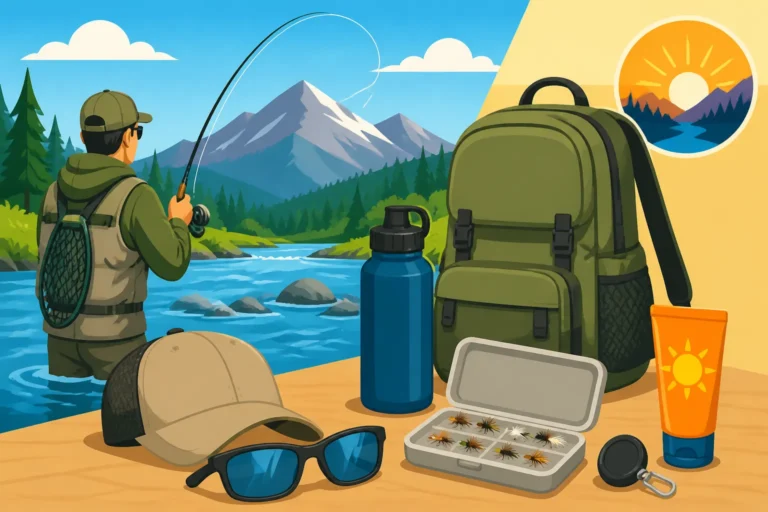
While your guide will handle most of the technical gear, there are a few essential items you'll need to bring to ensure a comfortable and successful day.
- Colorado Fishing License: This is non-negotiable. You must have a valid Colorado fishing license. Make sure you purchase it before your trip, and don't forget it at home! You can often purchase them online through the Colorado Parks and Wildlife (CPW) website.
- Layered Clothing: Colorado weather is famously fickle, even in summer. Dress in layers, preferably non-cotton (wool or synthetics are best) that you can add or remove as temperatures change throughout the day.
- Rain Gear: Always, always, always bring a waterproof rain jacket. Afternoon thunderstorms are common in the mountains, even when the forecast looks clear.
- Hat and Polarized Sunglasses: A wide-brimmed hat will protect you from the sun, and polarized sunglasses are absolutely essential. They cut the glare off the water, allowing you to see fish, rocks, and structure, and they protect your eyes from stray hooks.
- Waders and Wading Boots: Confirm with your outfitter if these are provided. If not, you'll need a good pair of breathable chest waders and comfortable, supportive wading boots. Make sure they fit well! What to Wear on a Colorado Guided Fishing Trip can provide more detail on appropriate clothing.
- Sunscreen and Lip Balm: The high altitude means intense sun exposure, even on cloudy days.
- Water and Snacks: While full-day trips often include lunch, it's always a good idea to bring extra water to stay hydrated and a few personal snacks.
- Camera: You'll want to capture those memories, especially if you land a trophy fish! Just make sure it's waterproof or in a protective case.
- Cash for Gratuity: Tipping your guide is customary and greatly appreciated.
By having these items ready, you'll be comfortable, prepared, and ready to focus on the incredible fishing experience the Taylor River offers.
Maximizing Your Experience on the Taylor
A guided trip is an amazing opportunity, but you can do a few things to make sure you get the absolute most out of your time on the Taylor River. It's about being present, open to learning, and respectful of the environment and the fish.
Understanding the Seasons and Hatches
The Taylor River is a year-round fishery, but what you encounter and the techniques that work best will shift dramatically with the seasons. Your guide will be invaluable in navigating these changes, but having a basic understanding helps you appreciate their expertise. Colorado Fishing Seasons Month by Month is a great resource to get a general overview.
- Winter (December-February): Don't dismiss winter! The consistent tailwater temperature means open water. Expect to focus heavily on tiny midges and small nymphs. The fish are still there, often grouped up, but they can be incredibly sluggish and selective. It’s a game of patience and delicate presentation.
- Spring (March-May): As temperatures slowly rise, you'll see more insect activity. Early season hatches of blue-wing olives (BWOs) can bring fish to the surface, but nymphing is still dominant. This is a great time before the general spring runoff impacts other rivers.
- Summer (June-August): While other rivers might be high and muddy from runoff, the Taylor often remains fishable. Hatches can be more diverse, including caddis and various mayflies. The fish are active, but still extremely selective. Terrestrials like ants and beetles can also come into play.
- Fall (September-November): This is prime time for many anglers, especially if you're targeting brown trout. The brown trout spawning season brings out some incredibly large fish, and streamer fishing can be very effective, though nymphing remains a staple. The vibrant fall colors add to the beauty of the experience.
Remember, your guide will have the most up-to-the-minute information on what insects are hatching, where the fish are holding, and the best flies to use right now. Trust their recommendations; they live and breathe this river!
Etiquette and Conservation on a Busy River
The Taylor River below the dam is a popular spot, and its fragile ecosystem requires respectful behavior from all anglers. Practicing good etiquette and conservation is paramount to preserving this incredible fishery.
- Give Space: If you see another angler, give them plenty of room. Wading right into someone's fishing spot is a definite no-no. Your guide will ensure you're in an appropriate, uncrowded area, but be mindful of others you encounter.
- Catch-and-Release Best Practices: For the vast majority of the Taylor's trophy section, catch-and-release is either mandated or strongly encouraged. Your guide will demonstrate proper fish handling techniques:
- Keep the fish in the water as much as possible. Minimize air exposure.
- Use a rubber-mesh net to protect their slime coat and fins.
- Wet your hands before touching the fish.
- Handle fish gently and support their weight.
- Revive the fish by holding it gently in the current until it swims away under its own power.
- For more detailed advice, check out Catch-and-Release Rules on Colorado's Cutthroat Waters.
- Barbless Hooks: Most outfitters and savvy anglers use barbless hooks exclusively on the Taylor. These make it much easier to release fish quickly and with minimal harm. If your hooks aren't barbless, your guide will ask you to pinch down the barbs with pliers. This is a critical rule on many of Colorado's Gold Medal Waters, and for good reason. Understanding Barbless Hook Rules on Colorado Rivers is important before you go.
- Leave No Trace: Pack out everything you pack in. This includes all trash, broken leader, and old fishing line. Let's keep this beautiful river pristine for everyone.
- Respect Private Property: There are sections of private land along the Taylor. Your guide will know where public access is permitted and ensure you stay within legal boundaries.
By following these guidelines, you not only ensure a positive experience for yourself but also contribute to the long-term health and enjoyment of this special river.
Beyond the Dam: Other Fishing Opportunities Nearby
While the Taylor River below the dam is a singular experience, the surrounding Gunnison Valley offers a diverse array of fishing opportunities. If you're planning a multi-day trip or just want to explore beyond the technical tailwater, there are fantastic options nearby that offer different challenges and rewards.
Exploring the Upper Taylor and Taylor Park Reservoir
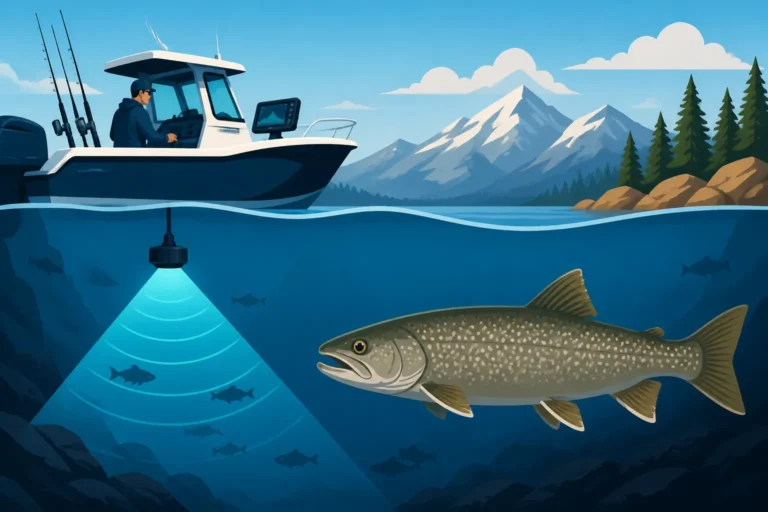
Just upstream from the famous tailwater lies Taylor Park Reservoir, a massive body of water known for its kokanee salmon and large lake trout. The fishing here is a completely different game: think trolling from a boat, jigging for deep-dwelling fish, or even shore fishing for rainbow trout. If you're looking for a break from delicate fly presentations and want to try your hand at spin fishing or just a different pace, the reservoir and the river above it offer excellent possibilities. You can explore Fishing Blue Mesa Reservoir for Lake Trout to get a sense of what reservoir fishing for big lake trout entails, as similar techniques apply to Taylor Park.
The upper Taylor River, above the reservoir, is more of a classic freestone river. It's often smaller, with plenty of riffles, runs, and pools, holding a good population of smaller, eager trout. This can be a great place for beginners to practice their casting or for experienced anglers to enjoy a less pressured, more intimate river setting after the intensity of the tailwater.
The Gunnison River and East River Confluence
A short drive downriver from Almont, the Taylor River merges with the East River to form the mighty Gunnison River. This confluence, and the subsequent stretches of the Gunnison, offer another incredible fishing experience. The Gunnison itself is a Gold Medal Water, with sections offering excellent float fishing opportunities for large trout. It’s a bigger river, often requiring different techniques and a guide who specializes in float trips.
The East River, particularly its lower reaches, is also a beautiful freestone river that often holds good numbers of brown and rainbow trout. Each of these rivers has its own character, insect life, and challenges, making the Gunnison Valley a true angling paradise with endless possibilities. If you're considering expanding your horizons, researching Fishing Colorado's Gunnison River and the Black Canyon can open up a whole new world of guided adventures in the region.
Disclaimer
This article is for general informational purposes only and does not constitute professional advice. Laws, prices and regulations vary by location and change over time. Consult a qualified professional for guidance on your specific situation.